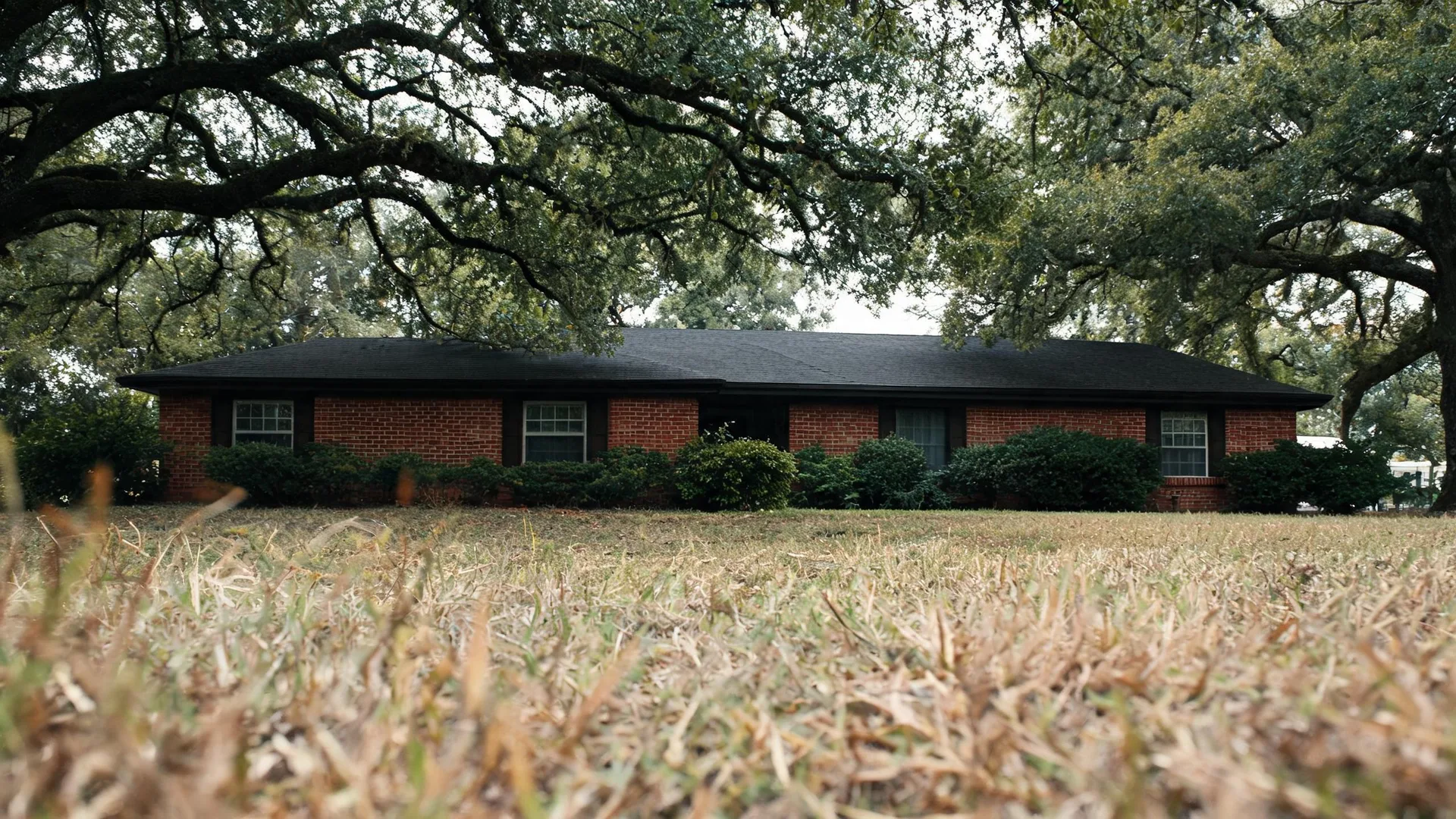
A single-story red brick ranch house with a dark roof, framed by overhanging oak branches, behind a dry grass lawn shot from ground level.

Heat Pump Repair in Altus, OK

Tell us about the job

Takes about a minute. No obligation.

RepairHeat PumpJackson County, OK
Step 1 of 2

What ZIP code is the job in?

Hail is hard on a heat pump

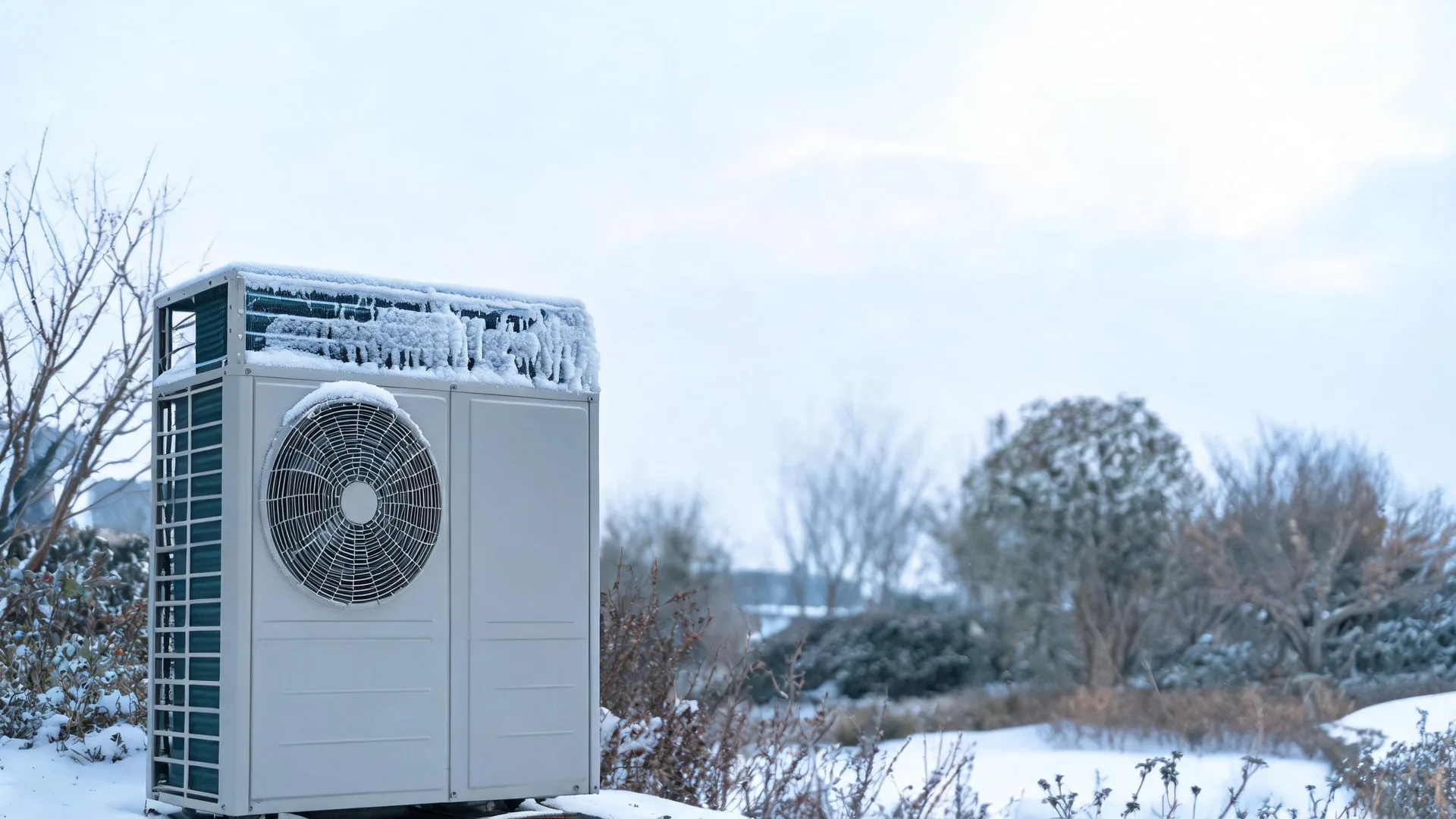
Jackson County saw 104 hail events between 2015 and 2024. The outdoor unit sits outside year round, and its coil and fan blades take that punishment directly. Bent fins and a dented cabinet aren't just cosmetic. They choke airflow over the coil and make the whole system work harder to do the same job.

Don't assume it's the obvious part

A heat pump that's been through years of hail and heavy use can fail for more than one reason at once. Weak airflow from a damaged coil, a worn contactor, low refrigerant from a slow leak. Guessing at the fix wastes a trip and your money. A proper diagnosis finds what's actually wrong before anyone touches a wrench.

6 months
November through April, your system heats
5 months
May through September, it cools
30°F
the average winter night it heats against
95°F
the average summer afternoon it cools against
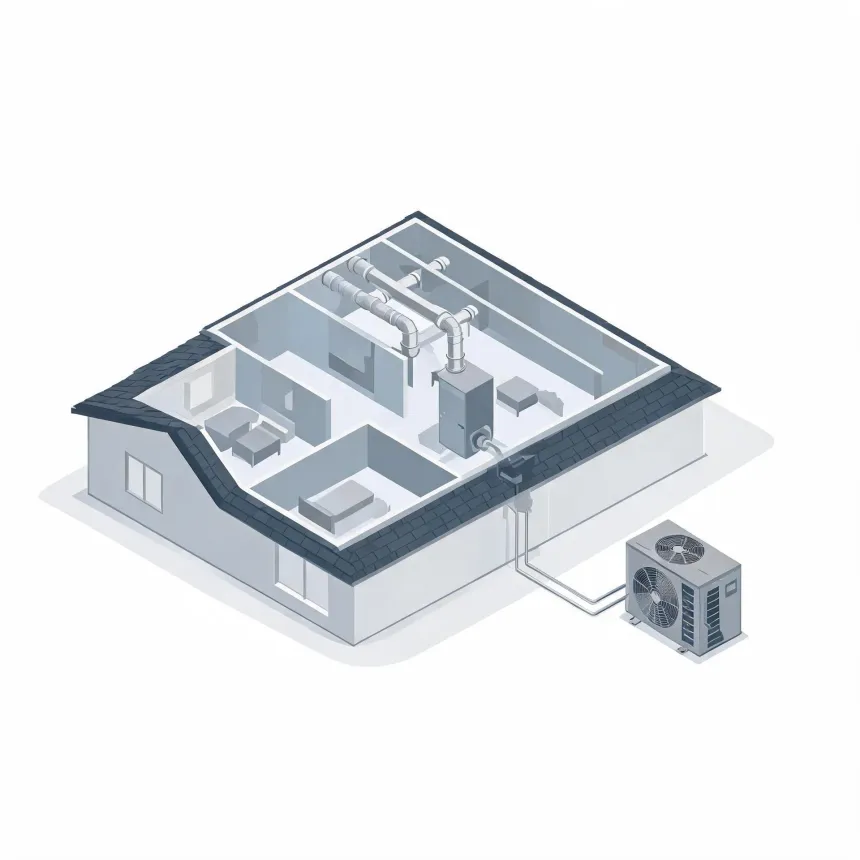
Isometric cutaway illustration of a single-story house showing interior rooms with ductwork, a furnace or air handler, and refrigerant lines running outside to a condenser unit on a pad.
Your system heats November through April and cools May through September.

NOAA nClimDiv, 1991–2020 normals

A heat pump runs for heating and cooling both, so its compressor and reversing valve rack up hours a furnace never sees.

When the reversing valve sticks, the system gets stuck in one mode and won't switch between heat and cool.

Altus sees 237 severe weather events a decade. A heat pump's outdoor unit stands right in that path.

237 severe weather events from 2015 to 2024
25% of homes statewide lost power a day or more in 2024
116 damaging wind events from 2015 to 2024

Heat here starts in November, so October is worth paying attention to. That's when a heat pump switches over to defrost cycles and leans on the reversing valve to keep doing it right through the cold months. If that valve was already sticking from running the air conditioning all summer, the first hard freeze is when it gets caught. Same with a contactor worn down from May through September. It's one thing to limp through a mild October afternoon and another to hold up when the system has to run for six months straight. Getting it looked at before November beats finding out on the first cold morning.

Get it diagnosed, not guessed at

A dented cabinet or bent fins on the outdoor unit are easy to shrug off. But after years of hail, a heat pump can be failing for more than one reason at once, and the only way to know is to have it checked properly before more gets put on it.

Find a contractor
A gray outdoor HVAC unit mounted on a concrete pad beside a house with gray lap siding and a stone foundation.

This machine has already outlived one heat pump, maybe two

Half the homes in Jackson County were built in 1973 or earlier. A heat pump doesn't last that long. If yours came with the house, it's not the original unit, it's already a replacement, or it's overdue to be one. Older homes also mean the ductwork and wiring the system ties into have had decades to shift and age along with the house. Before paying for a big repair, it's worth asking how much life is actually left in the unit.

What you'll actually notice first

One room runs warm while another stays cold, or the air out of the vents doesn't feel hot even though the unit is running. Short cycling is another early sign, the system kicking on and off every few minutes instead of running a full cycle. None of this stops the system outright, so it's easy to let it go for weeks before calling anyone.

The signs that mean stop waiting

Ice building up on the outdoor unit that doesn't clear during defrost, a hissing sound near the lines, or the outdoor fan not spinning while the system is calling for heat all point to something that gets worse the longer it keeps running. A refrigerant leak or a stuck fan motor left alone puts the compressor at risk, and the compressor is what makes the whole system worth repairing instead of replacing.

Before calling anyone, look at the outdoor unit itself. Clear away leaves, grass clippings or anything piled against the cabinet, since the coil needs open air moving through it to do its job. Check that the outdoor fan isn't blocked and spins freely. Inside, swap out a dirty air filter if it's been a while, because restricted airflow on either end shows up as the same weak heating you'd blame on the system itself. Look at the thermostat too. Dead batteries or a setting bumped to the wrong mode causes real problems with a simple fix. If the outdoor unit is caked in ice outside of a normal defrost cycle, don't chip at it or run a hose on it. That points to something mechanical or electrical, and it's a sign to stop and get it looked at rather than keep running the system.

The compressor is what makes this decision for you most of the time. It's sealed, and if it fails outright, replacing it alone usually costs close to putting in a new system, since the labor is the same either way. A failed reversing valve, a bad capacitor, a worn contactor are a different story. A tech can replace any of those on their own without touching the compressor, and the system runs like normal afterward. So the question worth asking isn't just what broke this time. It's whether this is the first real repair the unit has needed or the latest in a string of them. A system that's needed a few different repairs over a couple of years, on top of already being past its years, is telling you something the next repair won't fix.