Furnace Repair in Oklahoma
Across the counties where its people live, Oklahoma recorded more severe weather from 2015 to 2024 than 42 of the other 49 states.
Tell us about the job
Takes about a minute. No obligation.
- 30°Fwinter overnight low where people live
- 7 monthsof heat, October through April
- $13.54 per million Btuwhat homes paid for natural gas in 2024 (Btu means British thermal units, a measure of heat)
- 631winter storms from 2015 to 2024
Hail and wind wear down outdoor units Oklahoma County sees the most of it
- Northern counties need about 10% more heat than southern ones
- Winter nights average 30°F where people live
- Heat runs October through April
- 631 winter storms from 2015 to 2024
- Climate zones 3A, 4A and 4B across the state
- 25% of homes lost power a day or more in 2024
September is worth a look before the furnace runs again in October. A weak igniter or a cracked heat exchanger usually doesn't announce itself sitting idle all summer. It shows up the first cold week, right when you need the heat most.
Oklahoma runs heat about seven months a year, October through April. That's fewer months than 28 other states deal with, but it still means a long stretch where a furnace problem isn't a small thing. Once the cold settles in, it stays out until someone fixes it.
A milder winter means less wear
Winter nights here average 29°F, milder than 33 other states see. A furnace in Oklahoma isn't working as hard most nights as one somewhere colder. That matters when you're deciding whether to fix a furnace or replace it. An older unit that's spent most of its life against mild nights has had an easier run than its age suggests. If the heat exchanger is sound and the problem is a part, a sensor, an igniter, a blower motor, repair is usually the right call. The breakdowns worth worrying about here tend to trace back to age or years of being skipped over for service, not a furnace worn out from fighting the cold.

5 months of cooling, May through September
7 months of heat, October through April
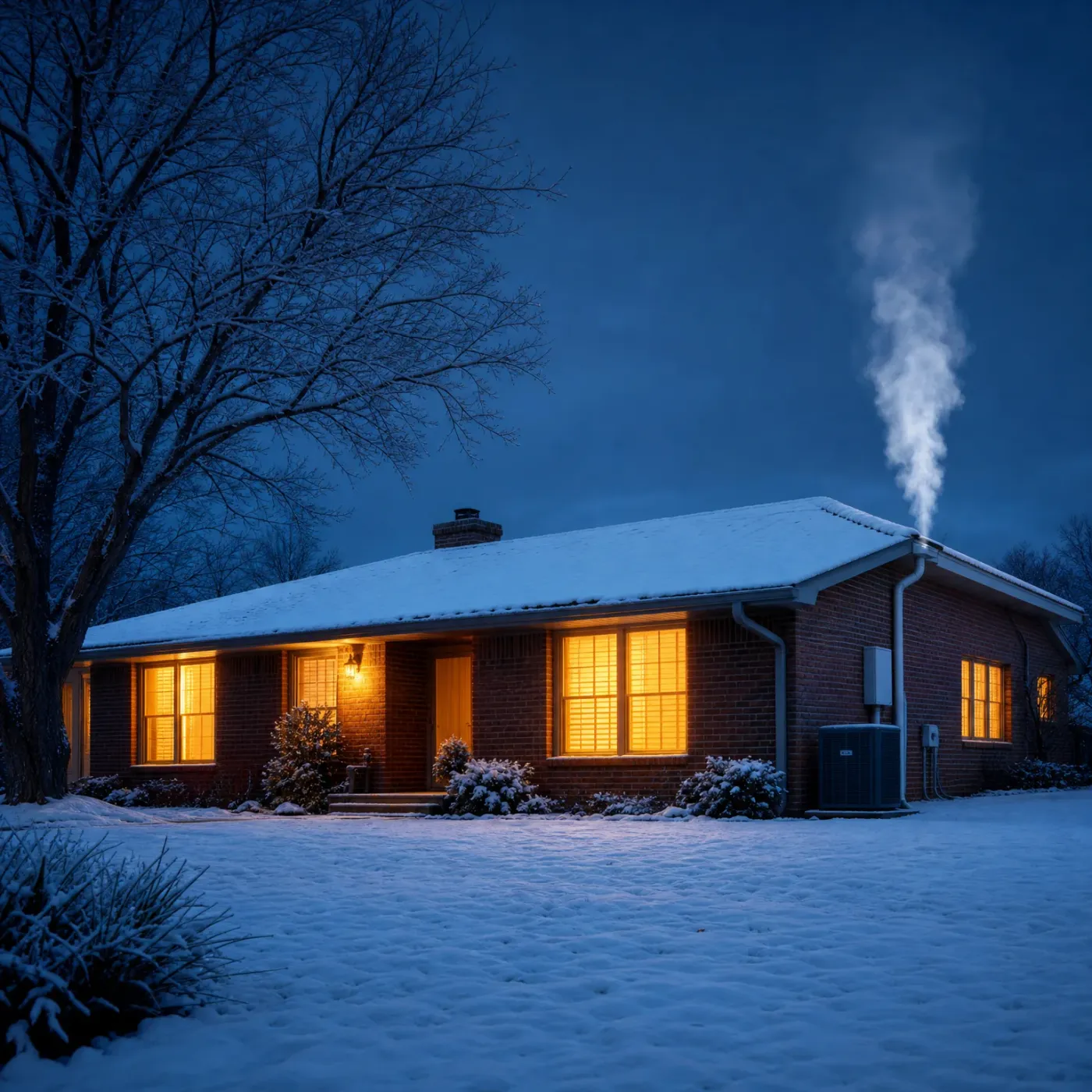
Oklahoma's heating need splits north to south, about 10% more in the northern counties than the southern ones over a year. Cimarron County, up in the panhandle, needs about 67% more heat over a year than Love County, where the state's heating need is lowest. If you're in that northern stretch, the furnace is doing more work year over year, and parts wear accordingly.
Winter nights tell a similar story. Cimarron County averages 22°F across December, January and February, the coldest in the state. Bryan County averages 34°F, the mildest. A furnace running against 22°F nights season after season is a different case than one in Bryan County that rarely sees real cold, even if both units are the same age.
How long the furnace runs each year also depends on where you are. Oklahoma County needs heat about 7 months a year, the longest stretch in the state. Carter County needs about 5. A furnace in Oklahoma County gets two more months of work every year than one in Carter County, and that adds up over the life of the unit.
So the starting point for a diagnosis isn't the same everywhere in the state. In Cimarron County or elsewhere up north, a furnace nearing the end of its life has been working harder, longer, against colder nights, and that's worth weighing when deciding whether a problem is a quick fix or a sign the unit is done. Further south, around Love or Carter County, the same age and the same symptom carry less weight, because the furnace simply hasn't been pushed as hard.
What does a furnace in Oklahoma face?
How cold do winter nights get?
30°Faverage overnight low where people live
North Dakota4°F
Hawaii65°F
How many months does the heat run?
7 monthsof heating a year
Hawaii0 months
Alaska12 months
What does natural gas cost?
$13.54per million Btu, what homes paid in 2024
Montana$7.77
Hawaii$53.25
How often do storms hit?
346severe weather events per county from 2015 to 2024
Alaska5
Wyoming1,057
How many homes lost power for a day or more?
25%of homes in 2024
Arizona7%
Maine54%
A furnace that hasn't had to fight the cold
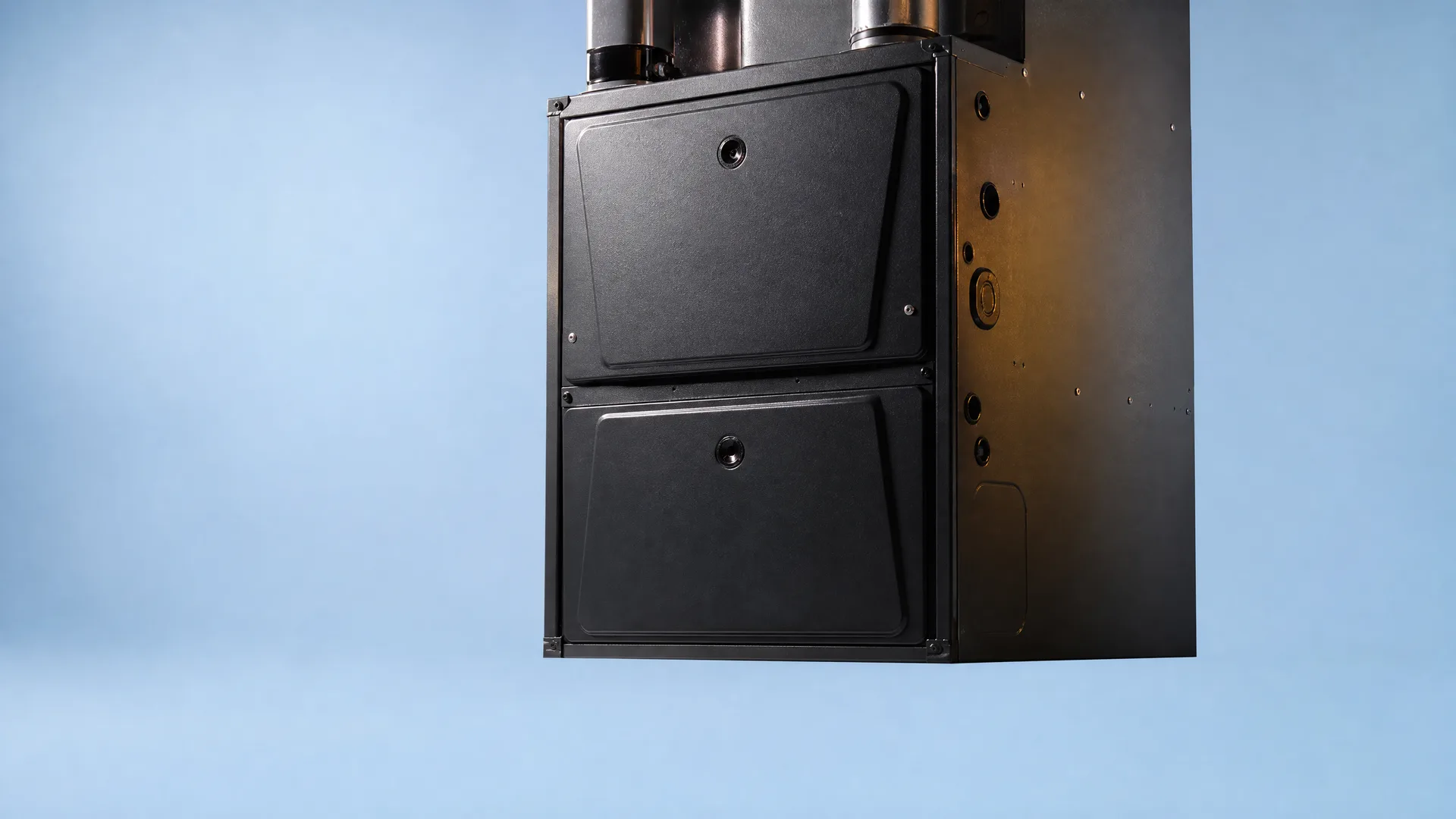
Most nights here don't ask much of a furnace. With lows averaging 29°F through December, January and February, the burner isn't running flat out to keep up, and the blower isn't cycling nonstop the way it would somewhere colder. That matters when something finally does go wrong. A furnace that's had an easy run is usually failing because one part gave out, a flame sensor, an igniter, a limit switch, not because the whole unit is spent. Worth checking before writing it off.
What a furnace sounds like before it fails
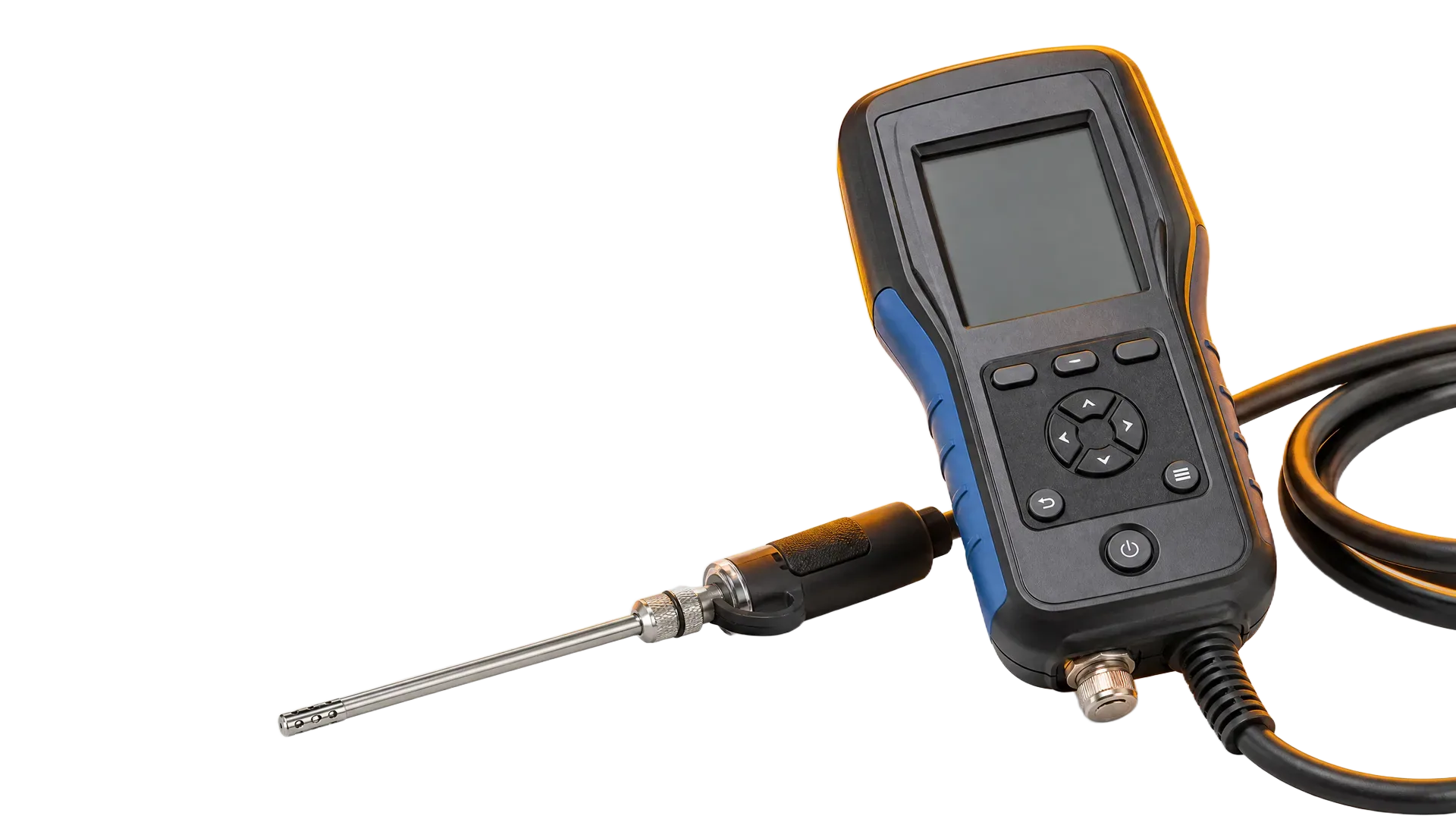
A furnace usually tells on itself before it quits outright. It might short cycle, running a few minutes then shutting off before the house gets warm. That often points to a dirty flame sensor or a clogged filter choking airflow. It might kick on with a bang instead of a steady whoosh. That means gas is pooling before it lights instead of catching right away. Cold air blowing from the vents can mean the igniter is failing and the burners aren't lighting at all, so the blower runs without any heat behind it. A furnace that won't start at all usually comes down to the igniter, a tripped limit switch, or a thermostat that's lost communication with it. Listen for new noises too. A rhythmic bang at startup, a screech from the blower, or a constant clicking without ignition each point at a specific part, not a general complaint. One thing not to ignore is a yellow or flickering burner flame instead of a steady blue one, or soot around the cabinet. That can mean incomplete combustion. It's worth shutting the furnace off and having it looked at rather than waiting.
The house age doesn't tell you much
Half the homes in Oklahoma were built in 1980 or later, and most houses here are detached single-family homes, not mobile homes. None of that changes how a furnace fails. An old house with updated ductwork can have a furnace in great shape, and a newer one can have a part go bad early. What actually happened to a given furnace, whether it got serviced before each winter, matters more than the age of the house around it.
A furnace that's had an easy winter is usually worth repairing, not replacing.
Tell us about the job
Takes about a minute. No obligation.
Answer a few questions about your furnace and a licensed Oklahoma contractor calls to look at it.