This county takes a beating
McClain County saw 90 hail events between 2015 and 2024, plus damaging wind and tornadoes on top of that. The outdoor unit sits through all of it, every year.
Takes about a minute. No obligation.
McClain County saw 90 hail events between 2015 and 2024, plus damaging wind and tornadoes on top of that. The outdoor unit sits through all of it, every year.
Hail dents a cabinet and bends the fins without stopping the furnace that day. The damage shows up later, as a harder-running system or a part that fails before it should.
NOAA nClimDiv, 1991–2020 normals
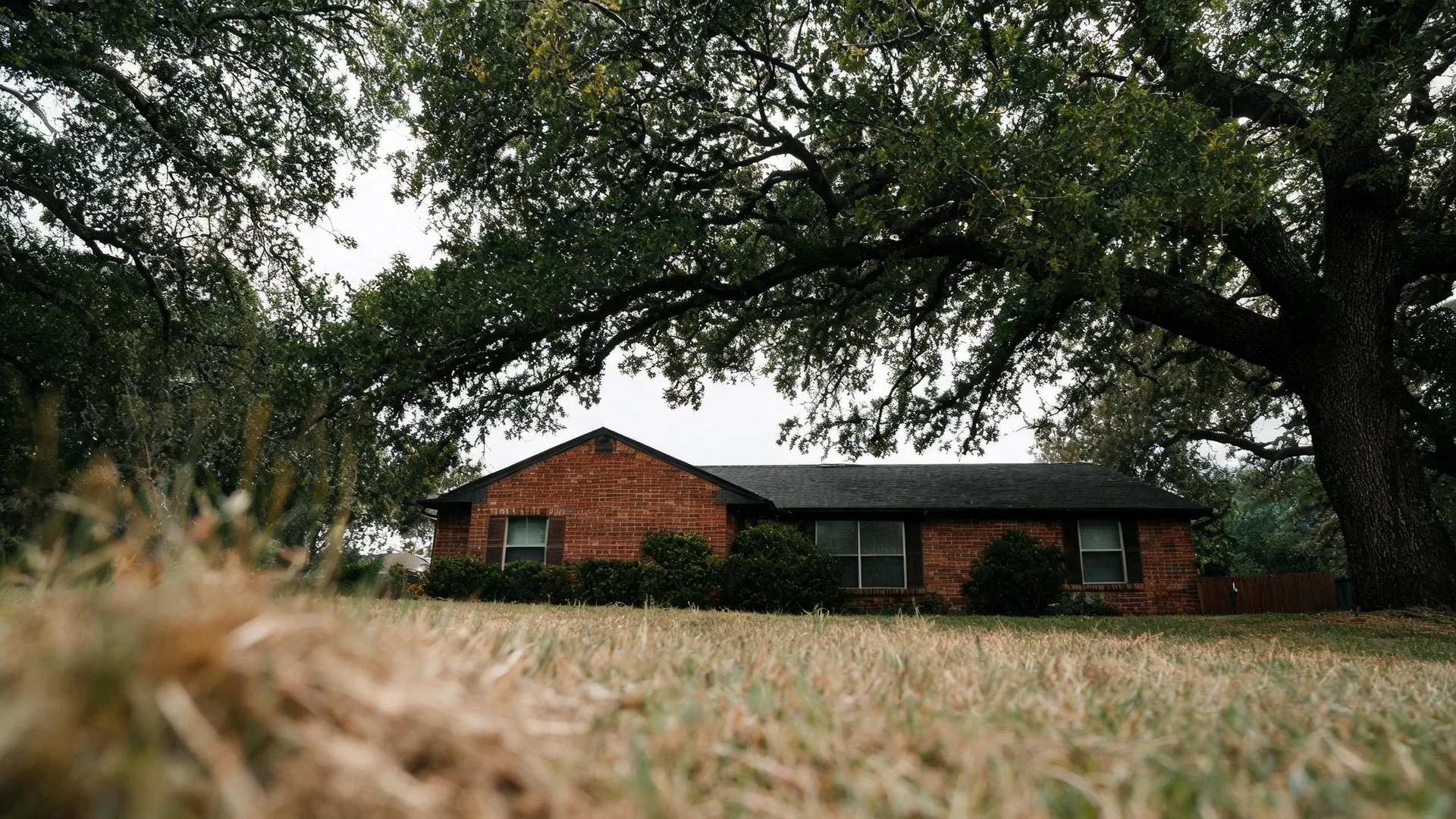
Your furnace only has to carry six months a year here, November through April.
A furnace with a lighter workload like that is usually still in decent shape, and worth repairing rather than replacing.




If hail or wind came through recently, it's worth a look even if the furnace is heating fine. The outdoor unit is the part exposed to all of it, and a dented cabinet or bent fins won't stop it from running that same day. McClain County had 51 damaging wind events and 90 hail events over the past ten years, so this isn't a rare thing to check for. A tech can look at the cabinet and coil fins in a few minutes and tell you if last month's storm left anything behind.
A furnace that came with a newer house still has years in it. Get the part that's failing fixed and keep running the system you have.
Find a contractorThat light workload is why a repair is usually the right call here. Get the failing part fixed rather than waiting to see if it gets worse. Overnight lows average 30°F through December, January and February, and McClain County has had ten winter storms in the last ten years. A furnace that is otherwise in decent shape is worth keeping running before one of those hits.
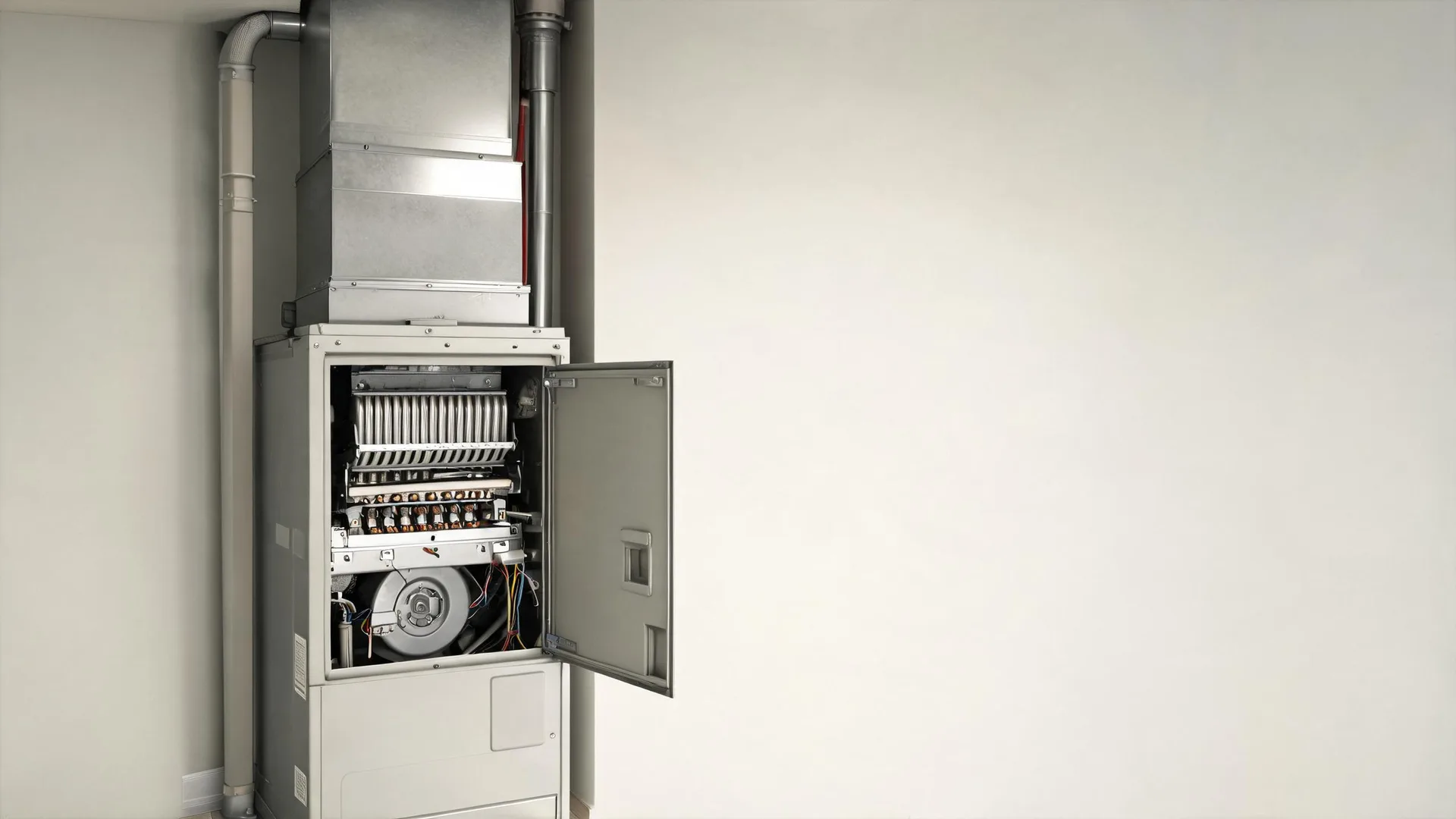
The igniter has to heat up and cool down every time the furnace cycles, and that stress is what eventually cracks it. The flame sensor sits right in the flame and collects a film over time, so the furnace sees no flame and shuts itself down even though gas is flowing fine. Both are small parts, and both are common reasons a furnace won't start.
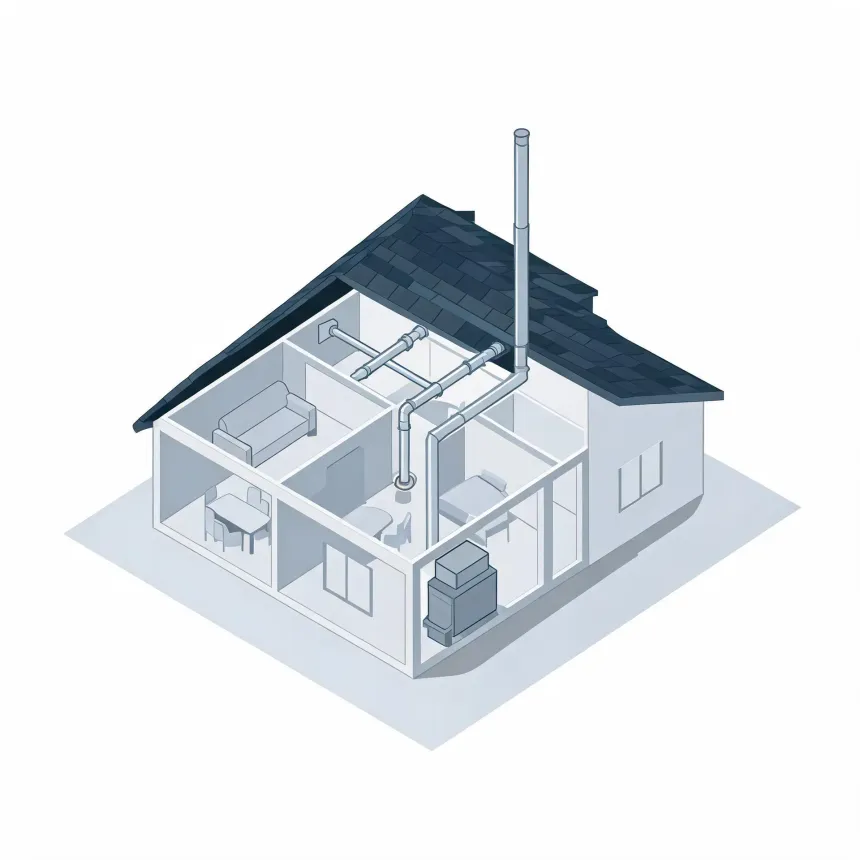
When a furnace fires, runs briefly, then shuts off and starts again, the cause is rarely the burner itself. A clogged filter, a blocked vent, or a failing limit switch can all make the furnace think it's overheating and cut the cycle short. Chasing the symptom instead of the part behind it just means it happens again.
A cracked heat exchanger is the clearest example. Small crack, furnace still fires, still heats the house, so it keeps getting used. Every cycle flexes that metal with heat and lets it flex back as it cools, and the crack grows a little each time. Keep running it and the crack gets big enough to pass exhaust into the air moving through the house, which is the point a repair call turns into a safety call. A blower motor on its way out follows the same pattern. It runs hotter than it should, strains the bearings, and pulls more current than the furnace was built for, so the part that finally fails is sometimes the motor's own wiring rather than the motor itself. Catching either one early is a part swap. Catching it late is more parts, and sometimes the furnace shuts itself off for good before anyone gets the chance.
A repair makes sense when the furnace is doing its job apart from the one thing that's wrong. One bad igniter, one dirty flame sensor, one failed capacitor, the rest of the furnace isn't involved and doesn't care how old it is. Replacement starts to make sense when the heat exchanger is the part failing, since that's the part that isn't swapped on its own, or when the same furnace is back on the schedule every season for something new. A tech can tell the difference by what's actually broken, not by how long the furnace has been running. Age by itself doesn't fail anything. The part that fails is what decides this, every time.