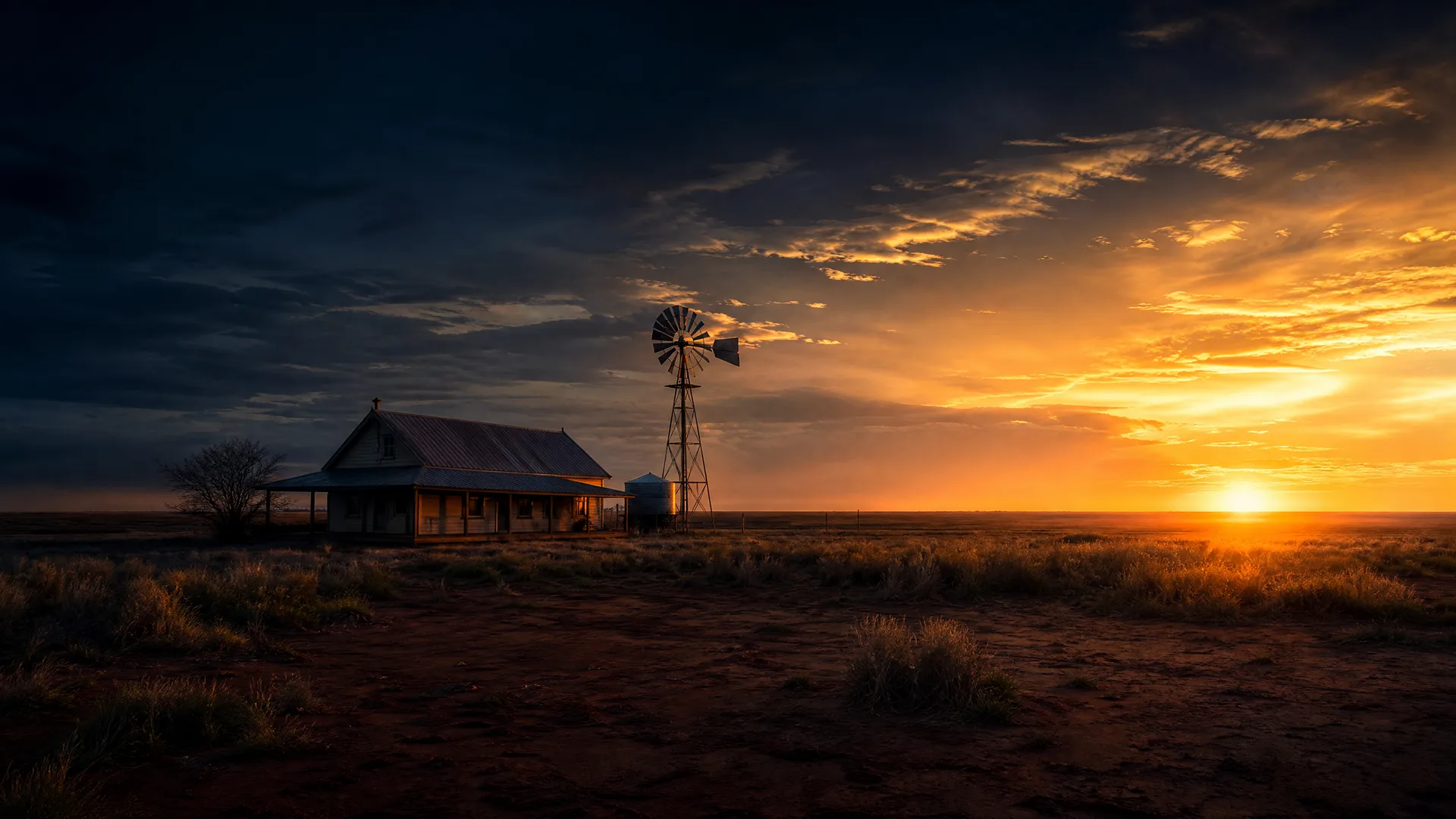
Furnace Maintenance in Oklahoma
Across the counties where its people live, Oklahoma recorded more severe weather from 2015 to 2024 than 42 of the other 49 states.
Tell us about the job
Takes about a minute. No obligation.
- 30°Fwinter overnight low where people live
- 7 monthsof heat, October through April
- $13.54 per million Btuwhat homes paid for natural gas in 2024 (Btu means British thermal units, a measure of heat)
- 631winter storms from 2015 to 2024
Hail and wind hit harder here Oklahoma County sees the most storms
- Northern counties need about 10% more heat than southern ones
- Winter nights average 30°F where people live
- Heat runs October through April
- 631 winter storms from 2015 to 2024
- Climate zones 3A, 4A and 4B across the state
- 25% of homes lost power a day or more in 2024
Half of Oklahoma's homes were built in 1980 or earlier
Furnaces here start working in October and keep going through April. That is seven months of the year the system has to fire up and hold a house warm. Get the check done in September, before the first cold night asks the furnace to do its job for the first time.
Oklahoma needs heat for fewer months than most of the country does. That is not a reason to skip maintenance, it just means the furnace sits unused most of the year before October comes around. A furnace that has been idle since spring is exactly the kind that reveals a bad igniter or a cracked heat exchanger the hard way, on the first cold night, instead of during a check when a contractor can catch it first.
A lighter load, not a free pass
Winter nights here average 29°F, milder than in 33 of the other 49 states. The furnace is not pushing against the kind of deep cold that keeps a system running flat out for hours at a stretch. That lighter duty does not change what a year of sitting idle does to an igniter or a flame sensor. The parts that fail are usually the ones that sat unused since spring, not the ones that got worked hard.


5 months of cooling, May through September
7 months of heat, October through April
What does a furnace in Oklahoma face?
How cold do winter nights get?
30°Faverage overnight low where people live
North Dakota4°F
Hawaii65°F
How many months does the heat run?
7 monthsof heating a year
Hawaii0 months
Alaska12 months
What does natural gas cost?
$13.54per million Btu, what homes paid in 2024
Montana$7.77
Hawaii$53.25
How often do storms hit?
346severe weather events per county from 2015 to 2024
Alaska5
Wyoming1,057
How many homes lost power for a day or more?
25%of homes in 2024
Arizona7%
Maine54%
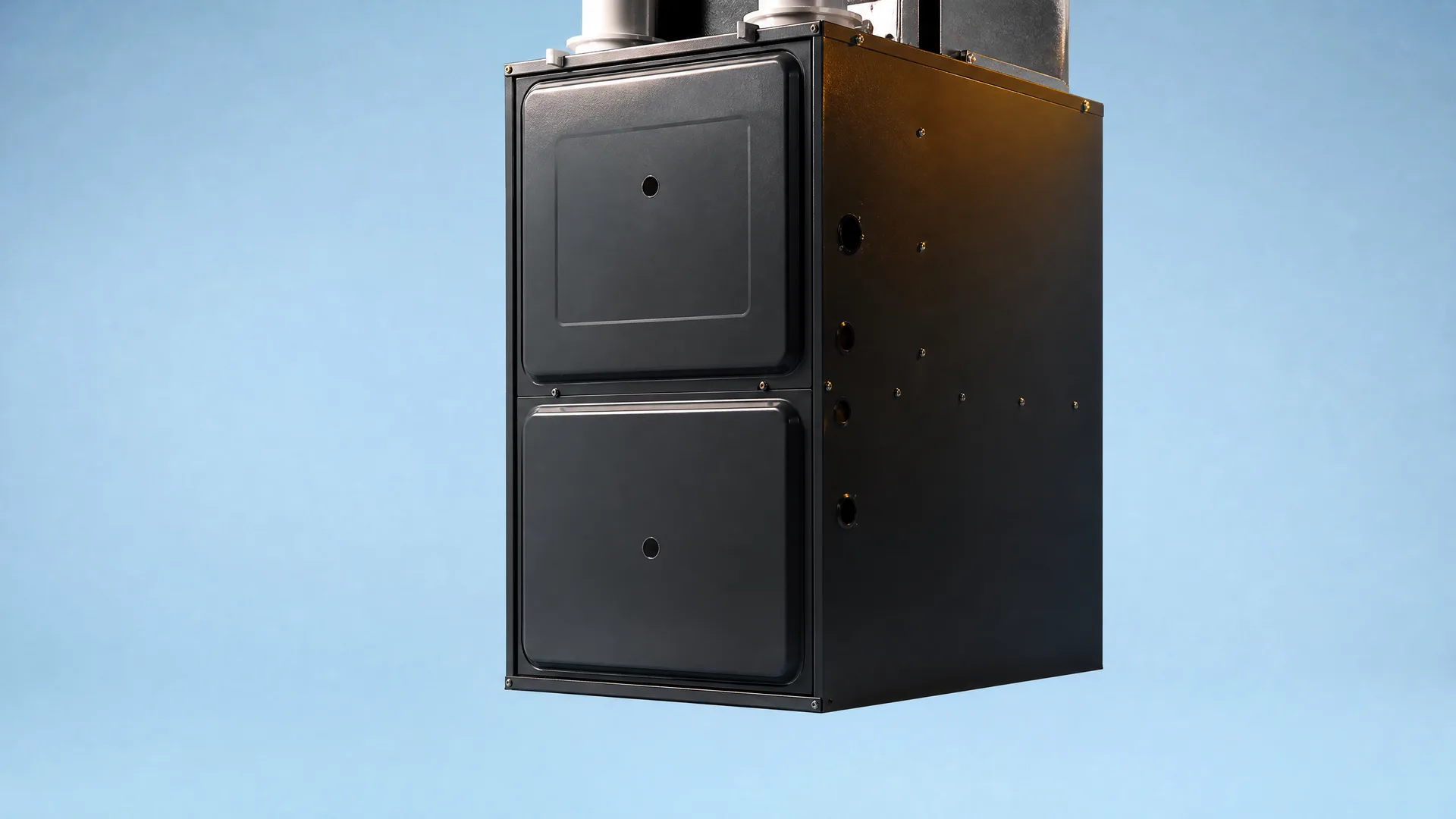
Less strain, but the parts still age
A furnace that only has to fight a 29°F night, not a deep freeze, puts less strain on its heat exchanger over a winter. That means a part failing here is more likely to be a sign of age or a year of sitting idle than a sign of overwork. The check still matters. A contractor looking it over before October can catch a cracked heat exchanger or a weak igniter while the furnace is off, instead of leaving the homeowner to find it on the first cold night.
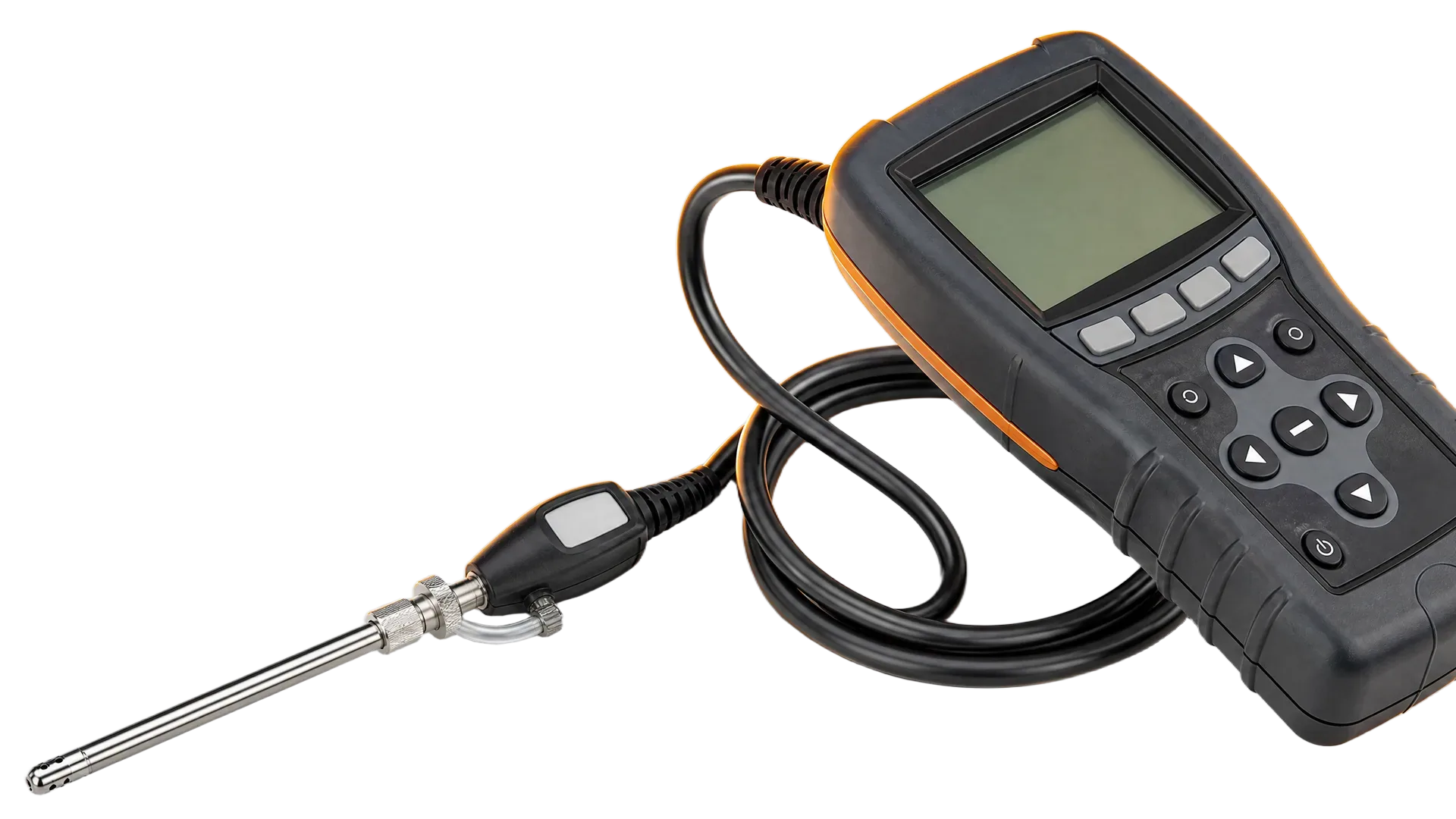
What a filter, a coil and a drain line have to do with a furnace
A furnace burns fuel to make heat, and that flame needs clean air moving behind it. The filter sits in the return path and catches dust before it reaches the blower and the burners. When it loads up, less air crosses the heat exchanger, and the exchanger runs hotter than it should. That is what cracks one over time. A clean filter is the cheapest insurance this machine gets. A gas furnace has no outdoor coil of its own, but if it shares a cabinet or ductwork with a cooling system, that coil still has to be clean for the blower to move air the way the furnace expects. A coil caked with dust chokes airflow the same way a clogged filter does. The condensate drain belongs to a high-efficiency furnace, the kind that pulls enough heat out of its exhaust to condense water out of it. That water needs somewhere to go. A clogged drain backs up into the unit, and the furnace shuts itself down rather than let water go where it should not.
Gas heat means more to check
Most homes here heat with gas. Utility gas is the leading fuel in Oklahoma, at 49.7 percent, with electricity close behind at 41.7 percent. A gas furnace has a burner, a flue and a set of safety controls that an electric furnace does not. The igniter has to light the gas cleanly, the flame sensor has to confirm it is burning, and the exhaust has to vent outside instead of backing up into the house. A filter swap does not touch any of that. A check on a gas furnace should cover the burner and the venting along with the rest of the system, not just the parts a homeowner can see.
Storm season here hits harder than in most states, and outdoor equipment takes the damage.
Tell us about the job
Takes about a minute. No obligation.
Fill out the form once, and a licensed Oklahoma contractor will check the furnace before cold weather does.