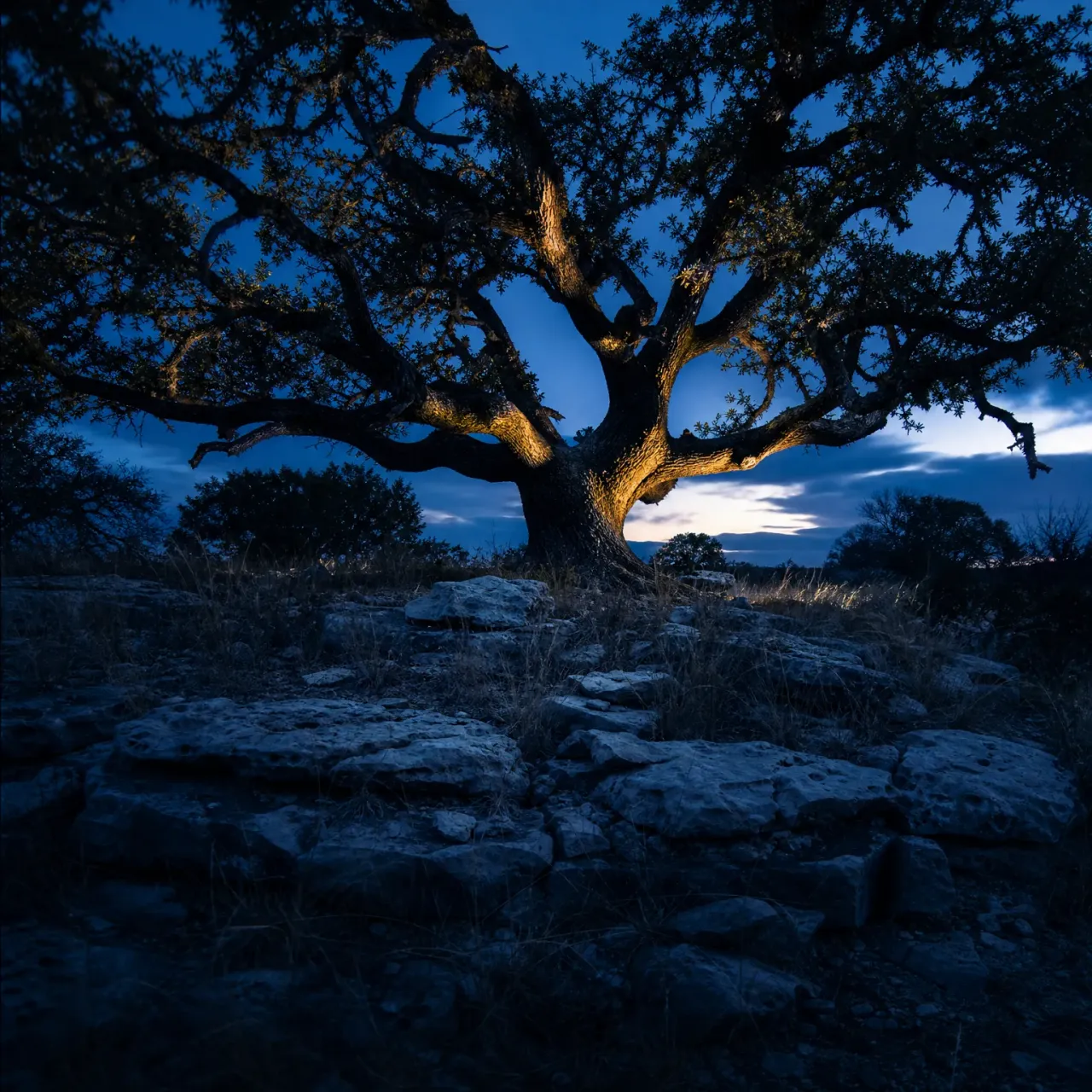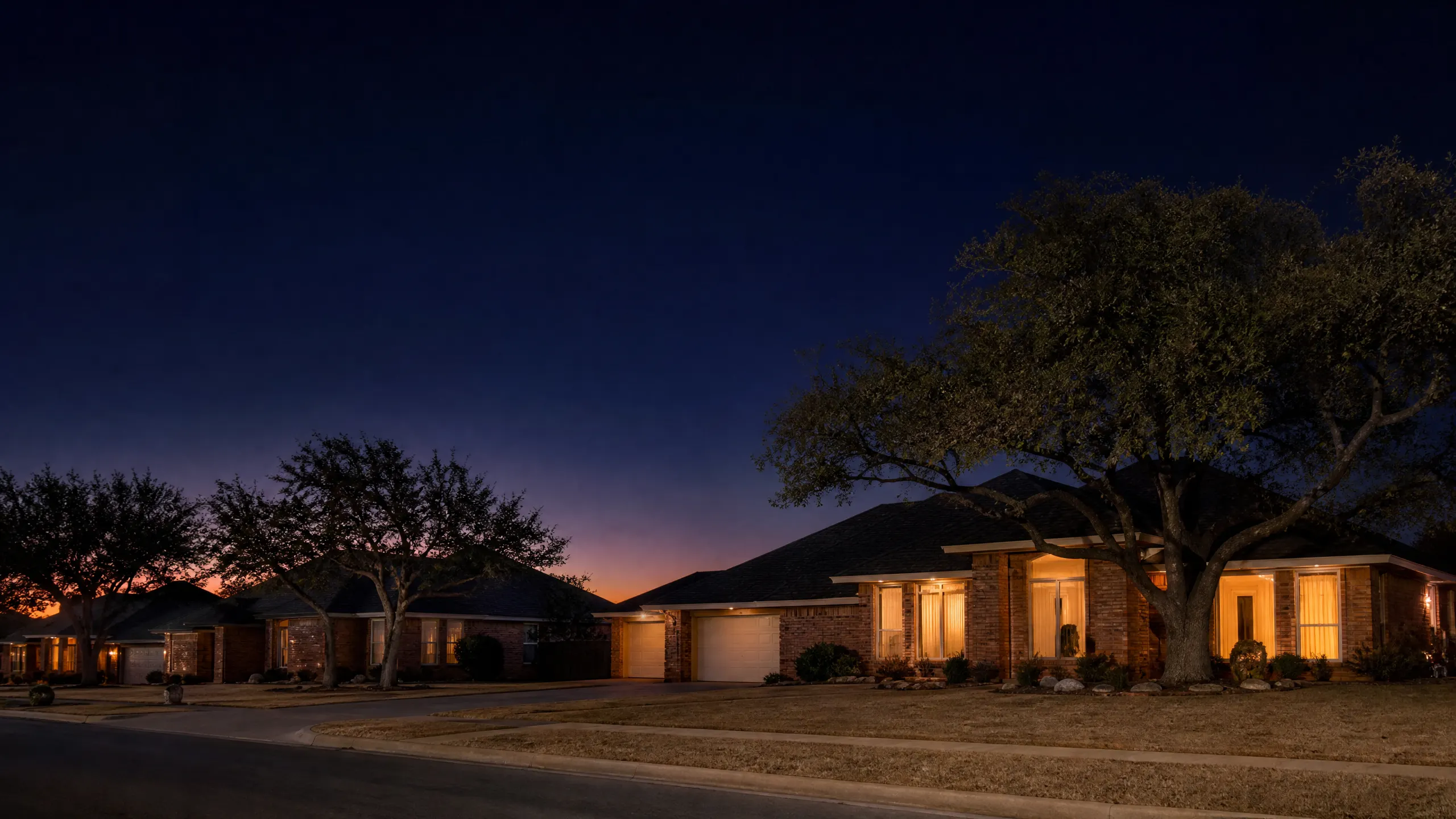
Suburban brick ranch houses with glowing exterior lights photographed at dusk beneath a twilight sky, with a large oak tree in the foreground.

Furnace Maintenance in Newcastle, OK

Tell us about the job

Takes about a minute. No obligation.

Tune-up, service, or cleaningFurnace or heatingMcClain County, OK
Step 1 of 2

What ZIP code is the job in?

This county sees real storms

McClain County logged 181 severe weather events between 2015 and 2024, with 90 hail events, 51 damaging wind events and 29 tornadoes in that span. Statewide, a quarter of Oklahoma households went at least a day without power in 2024.


Your furnace takes the hit too

Hail and wind batter the outdoor unit, and a furnace that runs on electricity stops cold the moment the power drops. A tune-up before storm season is the time to find out whether your system is in shape to handle either one.

Furnaces in Newcastle start their six-month run in November.

Get the tune-up done in October, before that first cold morning puts the system to work.

Most furnaces here run on electricity, and the rest still need a flame checked

42.8% of homes heat with electricity
Heat runs November through April
Winter nights average 30°F
Half the furnaces here are still youngHalf the homes in McClain County were built in 1997 or later, and a yearly check keeps a newer system running the way it should.

Six months of heat a year is a light load for a furnace. Most places ask more of theirs. That light duty does not mean nothing goes wrong, it just changes how trouble shows up. A part can sit idle for most of the year and fail quietly, from age rather than wear. McClain County has had 10 winter storms between 2015 and 2024, and a cracked heat exchanger or a weak igniter can stay hidden until the night the furnace is asked to run nonstop. A yearly check catches that before the cold does.

Get the system checked before a storm takes the power out

A tune-up gets a contractor's hands on the outdoor unit before hail or wind season does its work, and on the furnace itself before an outage puts it to the test. Have it looked at now.

Find a contractor
A man in a cap, gray long-sleeve shirt and tan work pants climbs porch steps toward a dark blue front door, carrying a canvas tool bag with tools in its outer pockets.
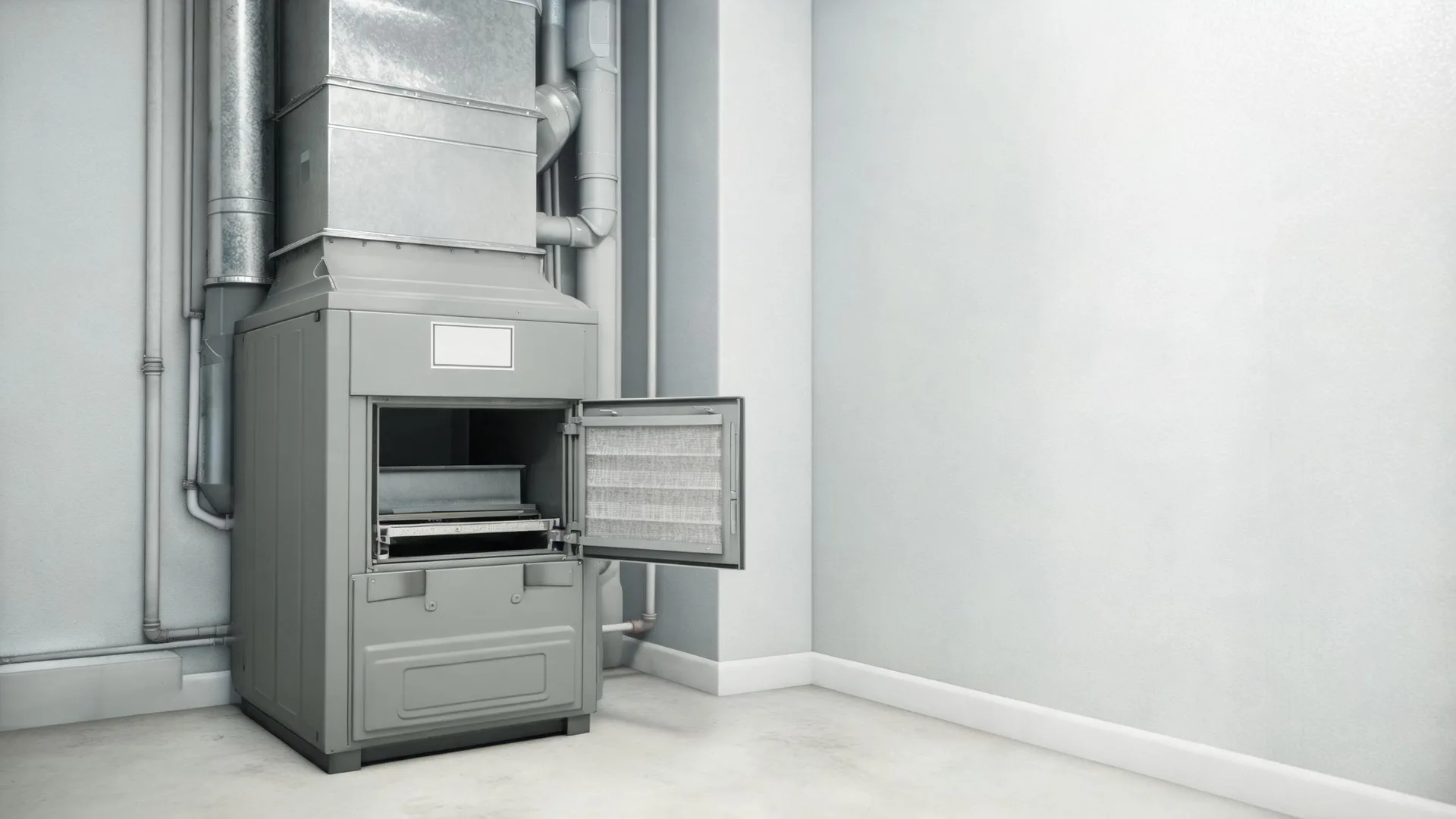
A gray gas furnace with attached ductwork and piping installed in an unfinished concrete basement.

A young system still needs eyes on it every year

A newer furnace still needs the yearly check, just for a different reason. Early on, trouble is more likely to be a loose wire or a setting off than a part failing from age. A yearly check is when a contractor finds that before it turns into a no-heat call. Run the time-lapse forward and that's the case for most houses here, system after system, day into night, for years to come.

Keep the filter clean

A dirty filter is the one thing worth checking without calling anyone. Pull it out, hold it to the light, and if you can't see through it, swap it or wash it if it's the reusable kind. A clogged filter starves the furnace of airflow, which makes the heat exchanger run hotter than it should and can shut the system down on its own limit switch.

Leave the rest alone

Past the filter, stay out of the cabinet. The igniter, the flame sensor and the blower wheel all need the power off and a meter in hand to check safely, and a flame sensor that gets scratched while being cleaned will cause the exact short-cycling it was supposed to fix. Keep the area around the furnace clear of boxes and laundry piles so it can pull air freely, and let the yearly visit handle everything past that panel.

A quick visit checks that the furnace lights and moves air, then calls it done. A thorough one pulls the burner assembly and looks at the flame itself, not just whether it's there but what color it burns and how steady it sits. It checks the heat exchanger for cracks, since that part can fail quietly and a crack is a safety problem, not just a comfort one. It tests the flame sensor's reading on a meter instead of eyeballing it, and checks the amp draw on the blower motor against what that motor is rated for. It looks at the gas pressure if the furnace burns gas, and checks the wiring and connections inside the cabinet for anything loose or starting to corrode. A tech who's in and out in a few minutes with the panel barely off did the quick version. One who has the cover off long enough to run these checks and tell you what each one showed did the other kind.

A tune-up on an electric furnace looks different from one on a gas furnace, and it helps to know which checks apply to yours. On a heat pump or electric furnace, a contractor checks the heating elements for an even draw and looks at the sequencer or relays that bring those elements on one at a time, since one stuck relay can mean partial heat or none at all. On a gas furnace, the burner, igniter and flame sensor get checked instead. Either way, the blower motor and its wheel get the same look, because that part moves the air no matter what's heating it. The ductwork gets checked for a return that's closed off or a supply run that's crushed, since restricted airflow stresses the furnace the same way a dirty filter does. Thermostat wiring and the connections at the furnace control board get checked too, since a loose connection there can cause the exact short-cycling a homeowner usually blames on the furnace itself.