
Heat Pump Installation in Oklahoma
Across the counties where its people live, Oklahoma recorded more hail from 2015 to 2024 than 46 of the other 47 states.
Tell us about the job
Takes about a minute. No obligation.
- 30°Fwinter overnight low where people live
- 7 monthsof heat, October through April
- 91°Fsummer afternoon high where people live
- 5 monthsof cooling, May through September
Hail and wind put outdoor units at risk. Oklahoma County sees it most.
- Cooling needed most in Tillman County, least in Cimarron County
- Winter nights average 30°F where people live
- Summer afternoons average 91°F where people live
- Heat runs October through April
- Cooling runs May through September
- 631 winter storms from 2015 to 2024


A typical house, so the sizing stays typical
Half the houses in Oklahoma were built in 1980 or earlier, half in 1980 or later, and most are detached single-family homes. None of that calls for anything unusual in a heat pump. A standard size matched to the house, at a standard efficiency rating, is what most of these homes need. The bigger question for this state is what happens to that unit once it's mounted on the side of your house.
A heat pump in Tillman County is running a different job than one in Cimarron County. Homes in Tillman need about 99% more cooling over a year than homes in Cimarron, which sits at the low end for the whole state. Same equipment category, different workload. Whoever sizes your system should know which end of that range your county falls on.
Oklahoma isn't one climate when it comes to cooling load. A contractor working near Cimarron County is sizing for a lighter job than one working down in Tillman County. Ask what your county needs instead of what a typical Oklahoma home needs. The sizing should match where you live, not an average drawn across the whole state.
Two seasons, almost even, so timing the install matters
Heat here works seven months a year, October through April, and five months, May through September. That's close to even, so the unit earns its keep both ways, and there's no long off season where a problem sits unnoticed. September is the quiet month before heating starts and April is the quiet month before cooling starts. Either one is a good time to have a new heat pump installed, before the system has to carry the next season's load. Get it in during September and it's proven out before the first cold morning. Get it in during April and it's already run in before the heat sets in.
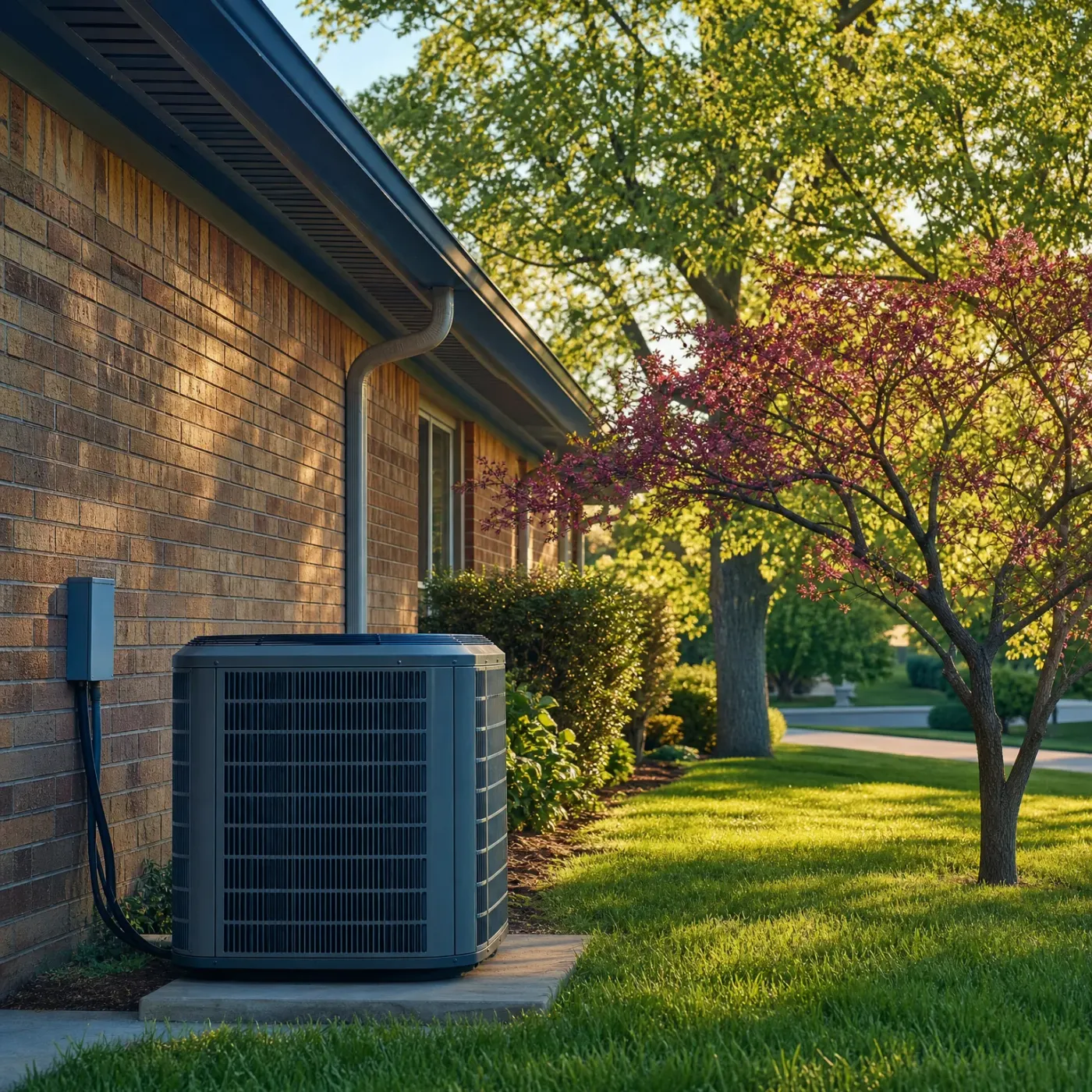
5 months of cooling, May through September
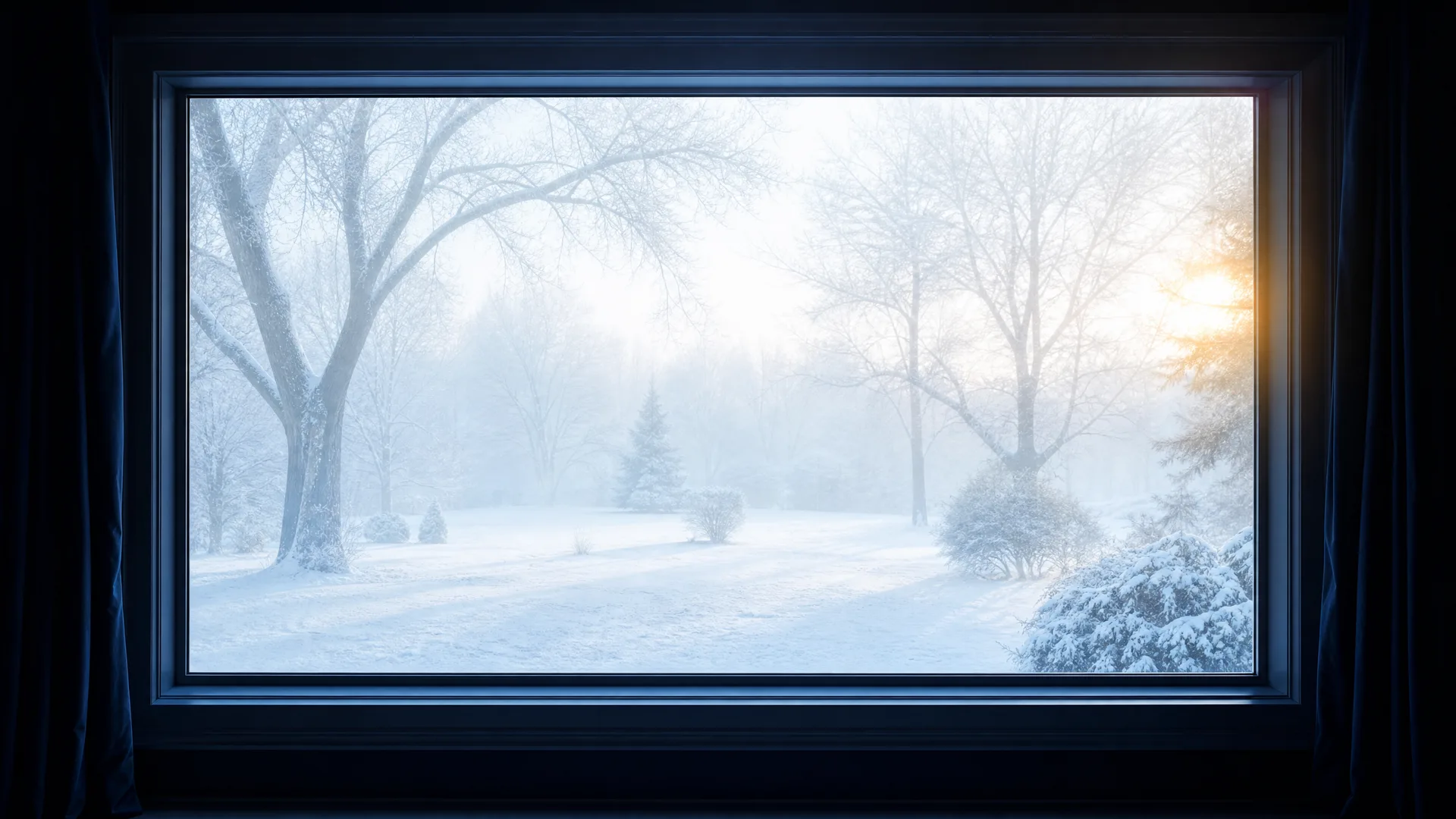
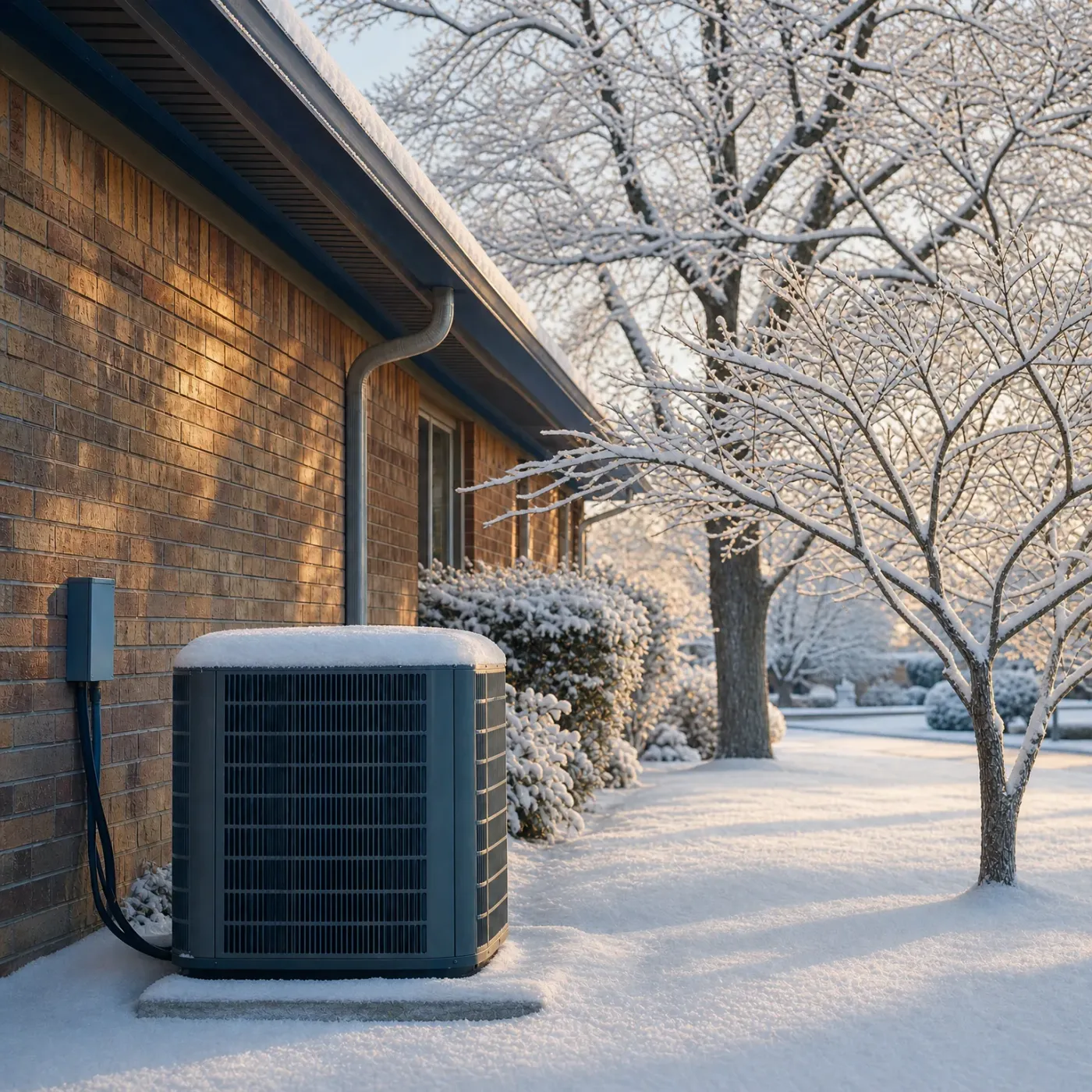
7 months of heat, October through April
What does a heat pump in Oklahoma face?
How hot do summer afternoons get?
91°Faverage afternoon high where people live
Alaska66°F
Arizona101°F
How cold do winter nights get?
30°Faverage overnight low where people live
North Dakota4°F
Hawaii65°F
How many months does the heat run?
7 monthsof heating a year
Hawaii0 months
Alaska12 months
What does electricity cost?
12.24¢per kWh (kilowatt hours, the unit on an electric bill), what homes paid in 2024
North Dakota11.51¢
Hawaii42.86¢
How often do storms hit?
346severe weather events per county from 2015 to 2024
Alaska5
Wyoming1,057
How many homes lost power for a day or more?
25%of homes in 2024
Arizona7%
Maine54%
Cheap power changes what's worth paying for
Electricity in Oklahoma runs 12.24 cents a kilowatt-hour, cheaper than in 43 other states. A heat pump that costs more up front for a higher efficiency rating takes longer to earn that money back here than it would somewhere with pricier power. That doesn't make the rating pointless, but it shouldn't be the deciding factor either. What matters more is whether the unit keeps running after a storm knocks the power out or wind tears at the outdoor cabinet. Put the money where it buys you a unit that holds up, not just one that sips power.
Sizing is a calculation, not a guess
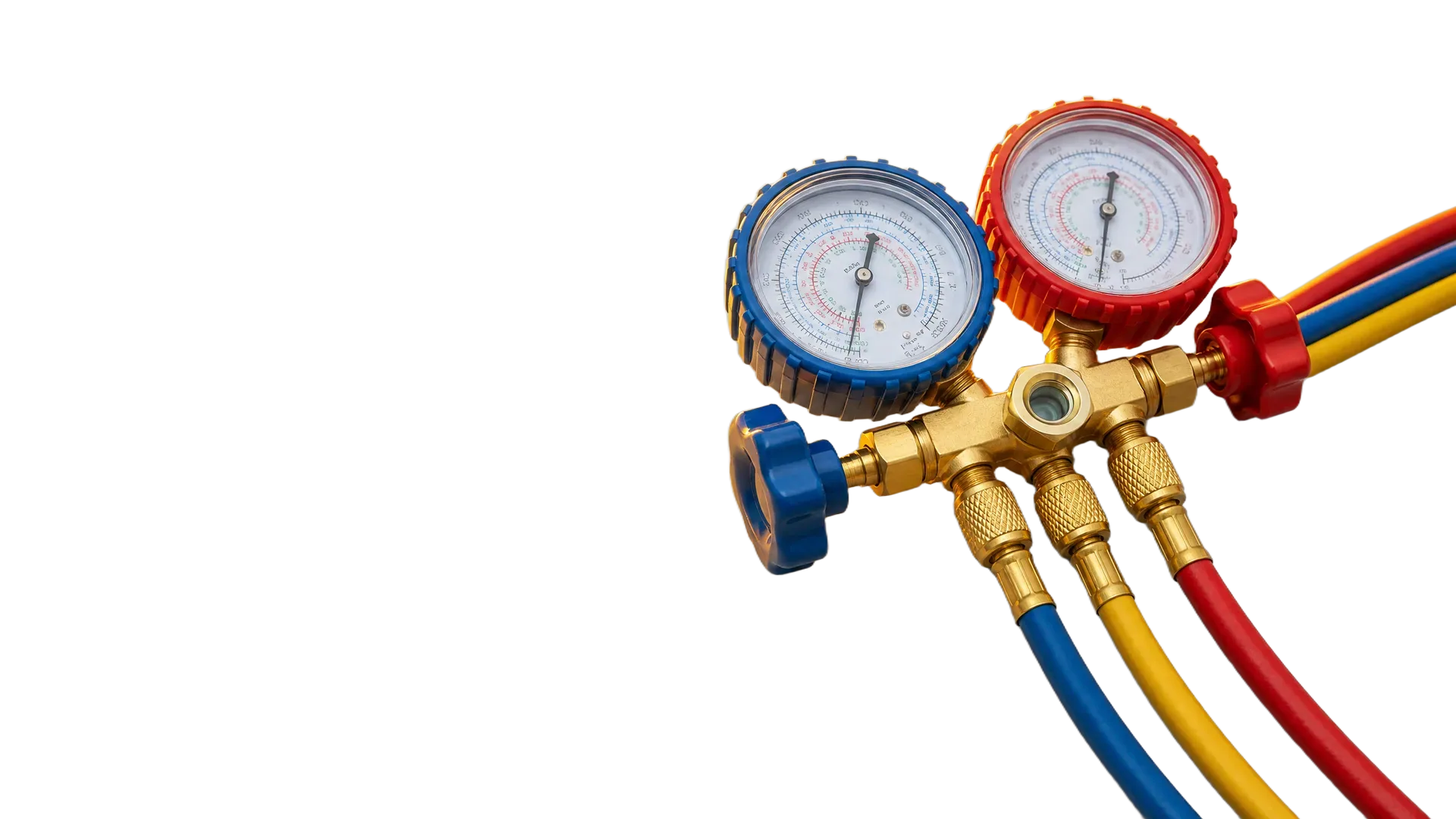
A heat pump that's too big cools the room fast and shuts off before it pulls the moisture out of the air, so the house feels clammy even at the right temperature. It also cycles on and off more, and that's harder on the compressor than a longer run would be. Too small and it never shuts off at all, running flat out on the hardest days and still losing ground. Getting it right starts with a load calculation, not a swap of whatever size was there before. A contractor measures the square footage, but also the windows, the insulation, the ceiling height, which walls face the sun, and how much air leaks in and out. Houses that look alike from the street can still need different sized units once all of that is counted. Sizing off square footage alone skips the parts that actually drive the load, and it's how you end up with equipment that fights the house instead of matching it.
Most homes here already run on electric or gas
Gas heats close to half the homes in Oklahoma, electricity heats about four in ten, and propane trails behind that. If your home is one of the electric ones already, a heat pump is a straight swap for whatever's out there now, no new fuel line or venting to think about. If you're on gas, a heat pump still works, it just means the contractor needs to plan for how it pairs with or replaces what's there. Either way, the fuel you start with shapes the job more than the brand of equipment does.
Storms and long outages hit Oklahoma more than most states, and your heat pump has to keep working through them.
Tell us about the job
Takes about a minute. No obligation.
Fill out the form and a licensed contractor who installs heat pumps in Oklahoma will reach out about your home.