Summer air here is heavy
Checotah averages a 68 degree dew point through June, July and August, higher than most of the country sees. A heat pump pulls moisture out of that air along with the heat, and it runs longer hours to do both.
Takes about a minute. No obligation.
Checotah averages a 68 degree dew point through June, July and August, higher than most of the country sees. A heat pump pulls moisture out of that air along with the heat, and it runs longer hours to do both.
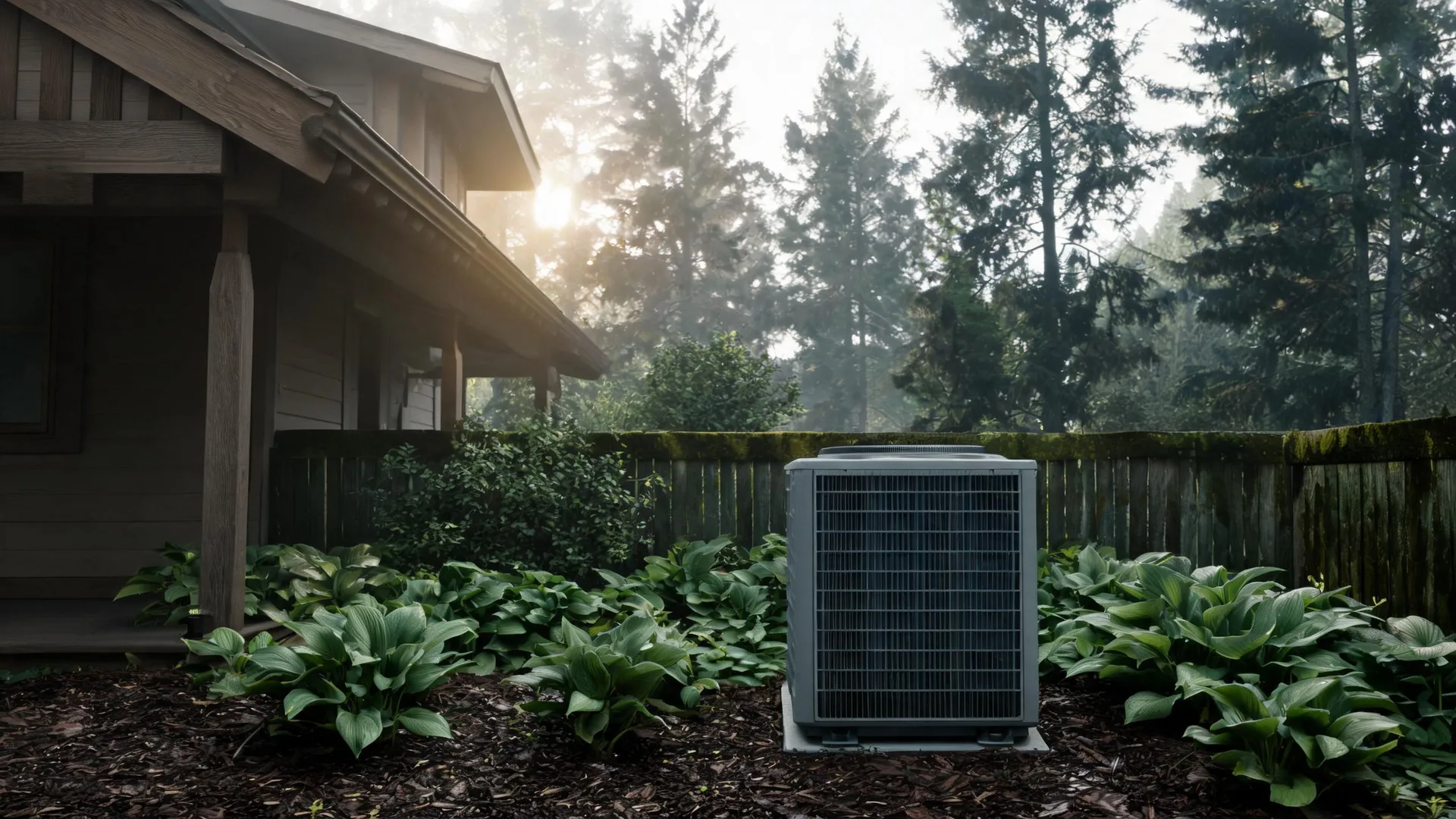
McIntosh County logged 50 hail events between 2015 and 2024. The outdoor unit sits exposed to that weather year round, and a cabinet or fins that take a hit work harder to move air even before anything else goes wrong.
NOAA nClimDiv, 1991–2020 normals
Half the homes in McIntosh County were built in 1983 or earlier.
A heat pump going into a house that age has to match equipment and ductwork it was never designed around.




McIntosh County saw 123 severe weather events between 2015 and 2024, and 56 of those were damaging wind. Eleven tornadoes touched down in the same stretch. A heat pump's outdoor unit sits outside through all of it, with no wall between the coil and the weather. Where it gets installed, and what's planted or stacked around it, makes a difference when wind and hail are a regular part of the forecast here. Statewide, a quarter of Oklahoma households lost power for a day or more in 2024, and a heat pump that can't run doesn't heat or cool until the power does. Worth asking a contractor what backup options exist for the times the grid goes down.
Get the size right for the heat and the moisture here, and a unit that can take a hit from hail. That's the install worth planning now, not the cheapest one on a flyer.
Find a contractorIf the system going in now is replacing one that came with the house, matching the ductwork gets harder the older that ductwork is. Mobile homes make up a third of the housing stock in the county, and those have their own duct layout and electrical setup that a straight swap won't always fit. Before anything gets installed, have the contractor check the ducts and the breaker panel against what the new unit actually needs, not just what the old one used.
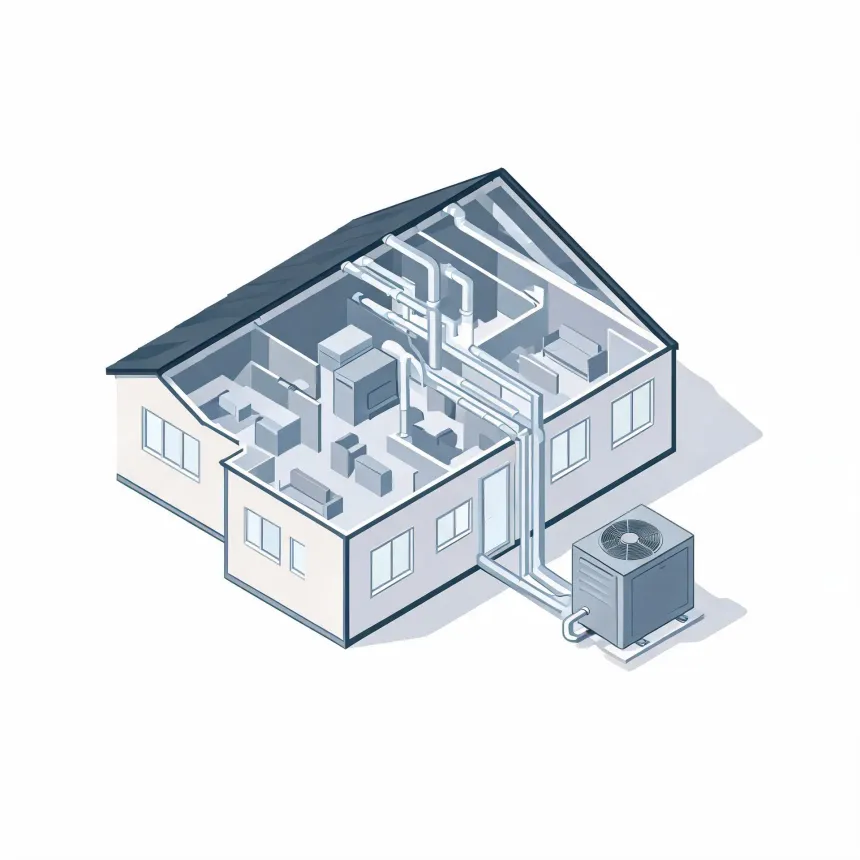
Two heat pumps with the same rating can cost different amounts to put in. The size has to match the house, the duct layout, and how much heat and moisture that house has to shed. A contractor works this out room by room, not off the old unit's nameplate. Guessing the size wrong costs more later than getting the number right up front.
An install goes faster and simpler when the ductwork, the electrical panel, and the pad or mounting spot are ready for the new unit. When any of those need work first, that's added to the job. A straight swap of one unit for another is a different job than one where the panel needs a new breaker or the ducts need sealing and resizing.
A couple of numbers tell you more than any brand name. Ask for the sizing calculation done room by room, not a number copied off the old unit's tag. Ask what SEER2 and HSPF2 rating the equipment carries, since those tell you how much electricity it takes to do the job, not how big the job is. Ask what happens at the point outdoor temperatures drop low enough that the heat pump can't keep up on its own, and what kind of backup heat kicks in then. Ask about the sound rating on the outdoor unit if it sits near a window or a patio. And ask for the warranty terms in writing, parts and labor both, because a compressor failure after the labor warranty runs out is a different bill than one before it.
McIntosh County sits in climate zone 3A, which the energy code treats as warm with heavy humidity. Any split-system heat pump installed here now has to clear 14.3 SEER2 for cooling and 7.5 HSPF2 for heating, the federal minimum for equipment built since January 2023. Central air systems installed in this region face a higher bar than the rest of the country, 14.3 SEER2 under 45,000 Btu/h and 13.8 SEER2 above it. That narrows what a contractor can legally put in, regardless of what a flyer advertises. A federal tax credit is available for qualifying equipment, worth asking about before the install is scheduled.