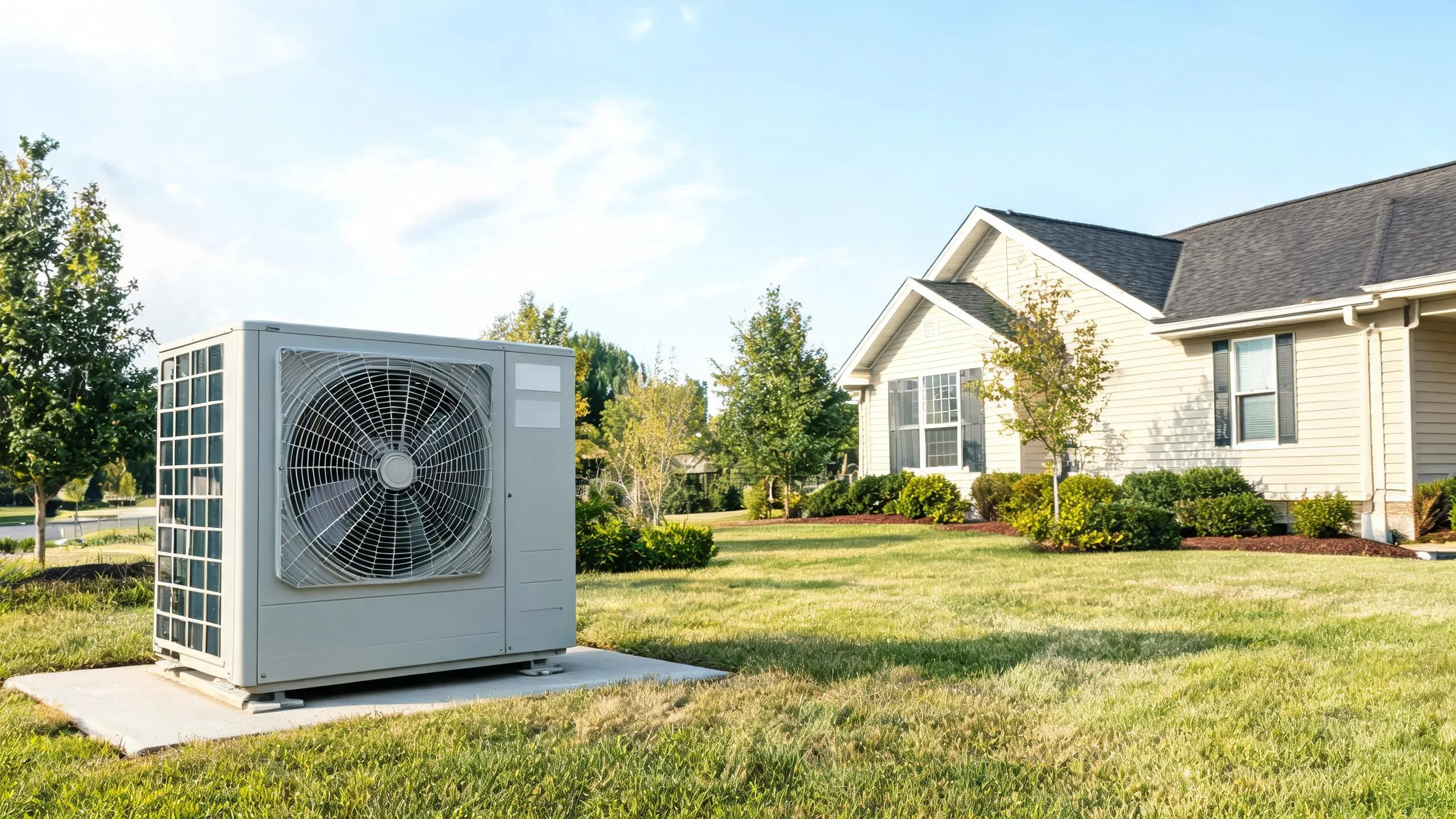






A grey heat pump outdoor unit mounted on a concrete pad in a suburban backyard, with a single-storey house visible behind it.

Heat Pump Installation in Oklahoma City, OK

Tell us about the job

Takes about a minute. No obligation.

New system or replacementHeat PumpOklahoma County, OK
Step 1 of 2

What ZIP code is the job in?

Oklahoma County saw 593 severe weather events between 2015 and 2024. Most of that was wind and hail, 253 damaging wind events and 296 hail events, with 28 tornadoes and 15 winter storms mixed in. An outdoor heat pump unit sits outside through all of it, exposed to whatever hail or debris comes through. And when the power goes, a heat pump stops, same as a furnace blower or a water heater's igniter control. A quarter of Oklahoma households went at least a day without power in 2024. That's worth planning around before the install, not after a storm's already come through.

7 months
October through April, your system heats
5 months
May through September, it cools
30°F
the average winter night it heats against
92°F
the average summer afternoon it cools against
Isometric illustration of a cutaway single-story house showing interior ductwork and an air handler connected by lines to an outdoor condenser unit on a pad beside the building.
Your system heats October through April and cools May through September.

NOAA nClimDiv, 1991–2020 normals

Gas heats 58.5 percent of homes in Oklahoma County, more than any other fuel.

Most of this install work means adding a heat pump alongside the gas furnace already there, not tearing out a system that works.

Wind and hail come through here most years, and the unit sits outside for all of it

253 damaging wind events from 2015 to 2024
296 hail events from 2015 to 2024
Power here costs 12.35 cents per kilowatt-hour

Any heat pump installed here now has to clear 14.3 SEER2 for cooling and 7.5 HSPF2 for heating, the federal minimums as of 2023. Oklahoma County falls in climate zone 3A, warm with a long cooling season and a short winter, and the region's cooling standard is set accordingly. That rules out older low-efficiency equipment still sitting on some showroom floors or price sheets. A unit meeting these minimums also qualifies for the federal tax credit available on qualifying heat pumps. The rating tells you the equipment can do the job. It says nothing about whether it survives the hail and wind that come through this county most years, which is a separate question worth asking before deciding on a unit.

Plan the install around the weather it has to survive

Have the installer talk through where the outdoor unit goes and what will shield it, before it's set in the ground. Ask what happens to your heat and hot water if the power goes out, and whether a backup is worth it for your home. Settling that now means one less thing to figure out when a storm's already on its way.

Find a contractor
A man in a cap, dark long-sleeve shirt and brown pants carries a canvas tool bag up wooden porch steps toward a navy front door beside a potted shrub.
A gray heat pump outdoor unit mounted on a concrete pad next to a residential house with lap siding and stone accents.

Get it in before the first cold night, not during it

Heat runs here October through April, seven months of the year, with overnight lows averaging 30°F across December and January and February. Cooling picks up in May. A heat pump installed now has the spring to settle in before it has to carry a winter night anywhere near that cold. One put in during a cold snap, or after the old furnace quits in January, gets sized and sited in a hurry, and there's no room left to think about where the outdoor unit sits or what protects it from the weather this county gets. September is the month to have it done, before the first cold night asks anything of it.

The size comes from a load calculation, not the old system's label

A contractor works out heat loss and heat gain room by room, looking at square footage, window area, insulation, and how the house is laid out. That number, not the size of the furnace sitting there now, is what decides which heat pump goes in. A system sized off a guess or a rule of thumb can land far from what the house actually needs.
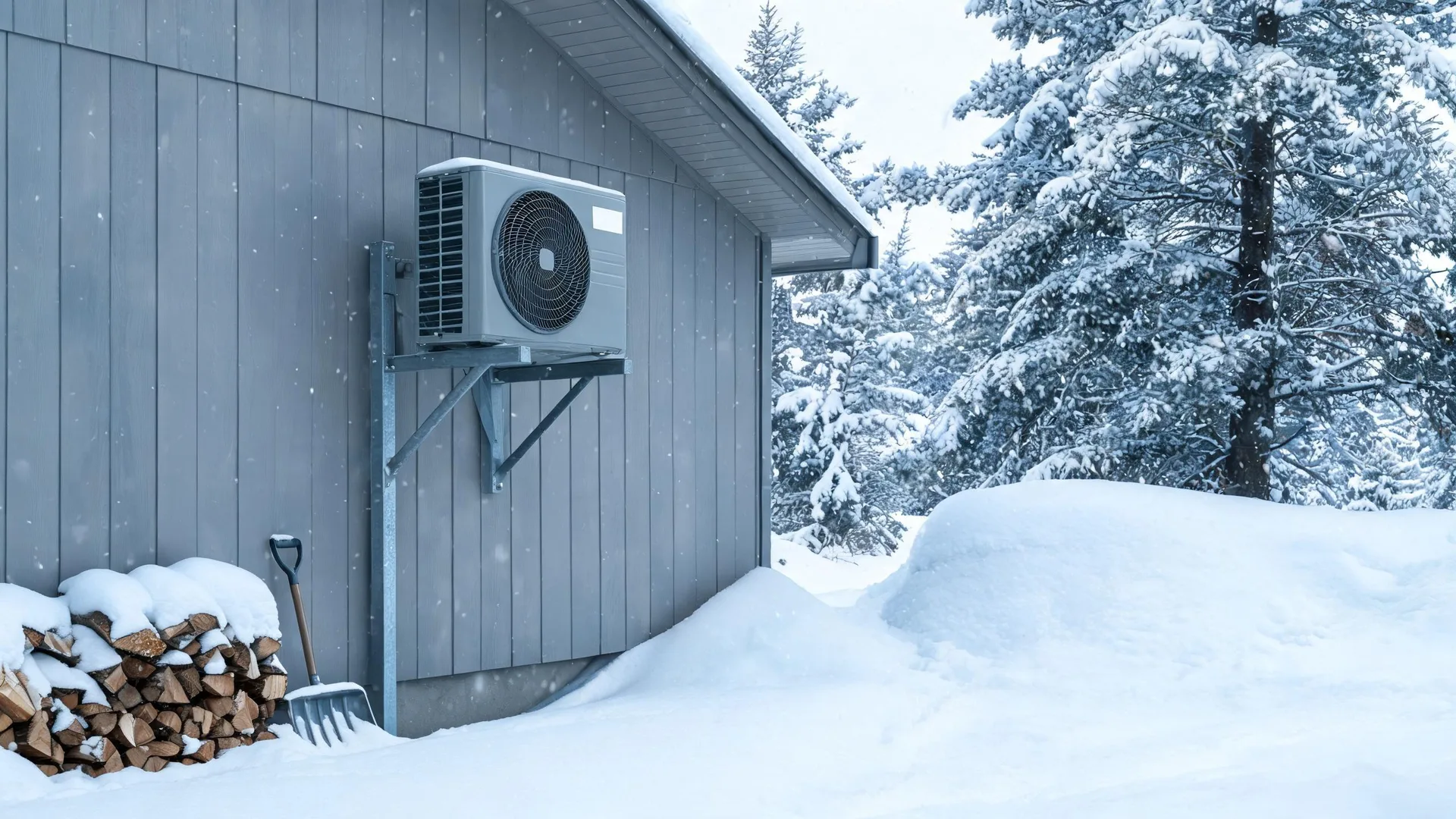
Too big or too small both wear the system out early

An oversized heat pump cools the air fast and shuts off before it pulls the moisture out, so the house feels clammy even at the temperature you want. It also cycles on and off more, and every start puts wear on the compressor. An undersized one runs constantly and still can't keep up on the coldest or hottest days, leaning hard on backup heat strips or falling behind entirely.

Ask what happens to the heat pump's rating in a hard freeze. Every heat pump loses capacity as the outdoor temperature drops, and the spec sheet will show output at a couple of different temperatures, not just one. A unit that looks identical to another on paper can fall off faster once it gets cold. Ask what backup heat kicks in when the outdoor coil can't keep up, and how that handoff is controlled. Ask about the compressor and parts warranty separately from the labor warranty, since installers vary on what labor they'll cover once the manufacturer's part is out of its term. And ask where the outdoor unit will sit, because airflow around that coil affects how hard the system has to work on both the coldest and hottest days of the year.

Electricity here runs about 12.35 cents per kilowatt-hour, cheaper than most of the country pays. That changes the math on which heat pump to choose. The top-efficiency models cost more up front, and with power this cheap, the monthly savings take longer to catch up to that difference. It doesn't make efficiency worthless, it just means it shouldn't be the only thing deciding the purchase. What the unit can survive outside, and whether it's sized right for this house, matter as much as the SEER2 number on the sticker.