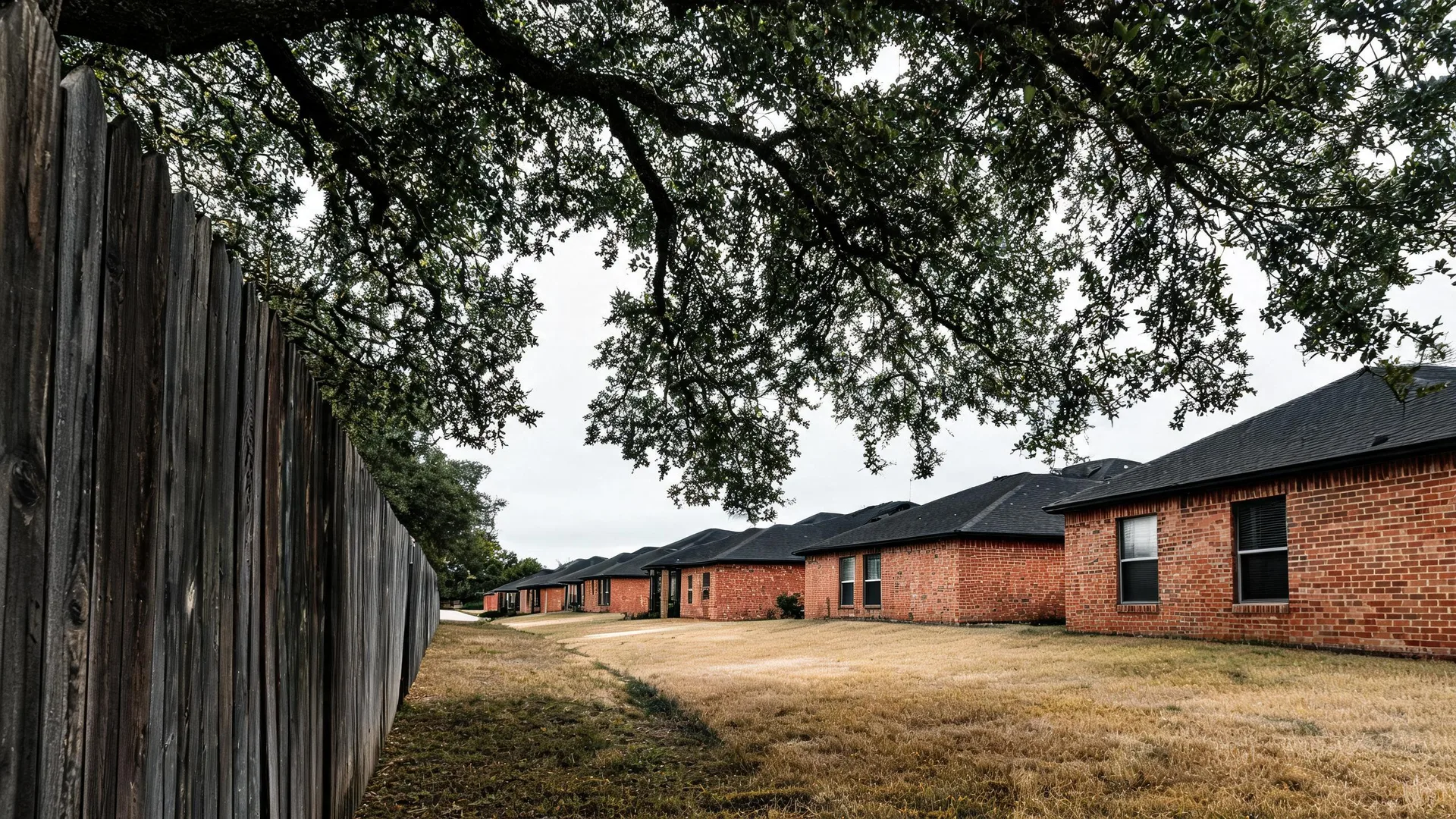






A weathered wooden fence runs along the left side of a dry grass lot beside a row of single-story brick houses, under a large overhanging oak branch and overcast sky.

Heat Pump Installation in Guymon, OK

Tell us about the job

Takes about a minute. No obligation.

New system or replacementHeat PumpTexas County, OK
Step 1 of 2

What ZIP code is the job in?

Texas County saw 363 severe weather events between 2015 and 2024. Most of that was wind and hail: 218 damaging wind events and 126 hail events, with 8 tornadoes and 11 winter storms mixed in. A heat pump's outdoor unit sits outside through all of it, taking wind-blown debris and hail on its coil and fan. Statewide, a quarter of Oklahoma households lost power for 24 hours or more in 2024. A heat pump needs electricity to run, for heat as much as cooling, so an outage means no heat moving through the house until the power comes back.

7 months
October through April, your system heats
5 months
May through September, it cools
23°F
the average winter night it heats against
92°F
the average summer afternoon it cools against
Isometric cutaway illustration of a single-story house showing interior rooms with ductwork, an indoor air handler unit, and an outdoor condenser unit connected by lines along the exterior wall.
Your system heats October through April and cools May through September.

NOAA nClimDiv, 1991–2020 normals

Heat moves through this house for seven months, October through April.

Install before September ends, so a failing system isn't a December emergency with the overnight low near 23°F.

Wind and hail test this system outside, year after year

218 damaging wind events from 2015 to 2024
126 hail events from 2015 to 2024
Winter nights average 23°F

Gas heats 64.9 percent of homes in Texas County, more than electricity and propane combined. A heat pump replacing a gas furnace isn't a straight swap. It takes new electrical capacity at the panel, and most installs here keep the gas furnace in place as backup for the coldest nights, with the heat pump wired to switch over to it automatically. That dual-fuel setup matters when the wind knocks a tree limb into a power line. The furnace can still run on gas once the power is back, and in a long outage a portable generator can carry the furnace's blower even if it can't carry the heat pump itself.

Plan for the wind and the outage, not just the cold

Pick a spot for the outdoor unit with something solid between it and the open yard, a fence line or the lee side of the house, so wind-blown debris has less of a straight shot at the coil. Ask about a hail guard over the top. And since the furnace is staying in as backup, have the electrician confirm a portable generator can run its blower, so a line knocked down somewhere else doesn't leave the house without heat.

Find a contractor
A man in a cap, dark jacket and tan pants carries a worn duffel bag as he climbs porch steps toward a dark blue front door beside a potted shrub.
A residential heat pump outdoor unit mounted on a concrete pad next to a house with gray vinyl siding.

This one earns its keep from the first day

This unit will sit outside through every wind and hail event that comes through Texas County for as long as it's in that spot. That's the stress a heat pump installed here has to be built for from day one. A unit sized and installed for an easier climate will show coil damage and fan wear sooner than the brochure numbers suggest. Get the sizing and the installation right the first time, since this isn't a machine that gets an easy few years to break in.

The number is about the bill, not the hardware

The efficiency rating tells you how much heat a unit moves for the electricity it uses. A higher number means lower operating cost at the same output. It says nothing about how well the unit holds up outside, how well it was installed, or whether the ductwork can move the air it produces. Two units with the same rating can perform very differently depending on charge, airflow, and how the coil holds up over time.
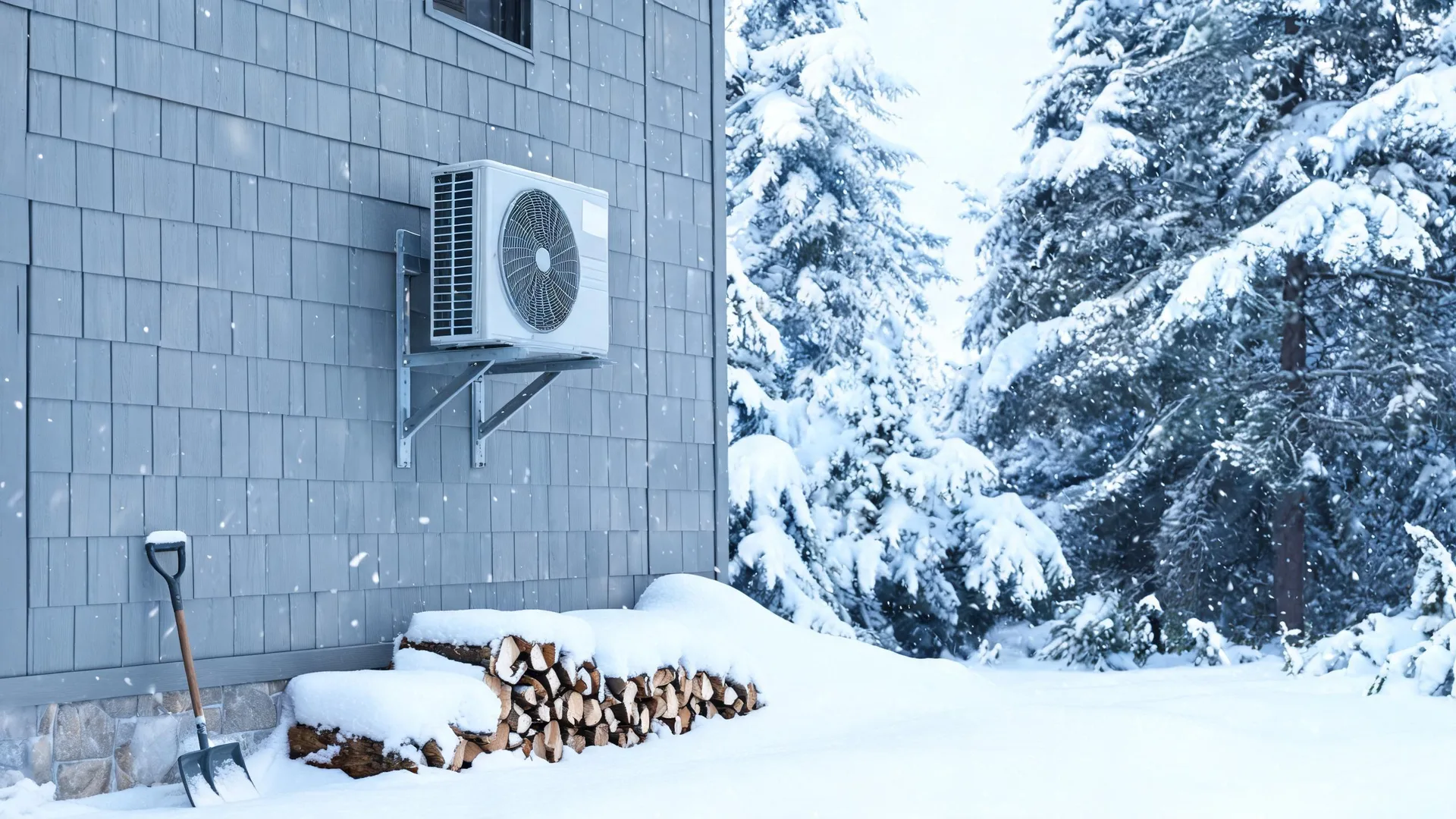
A high rating still depends on the install

A heat pump only hits its rated efficiency when the refrigerant charge is correct, the airflow across the coil matches what the unit needs, and the ductwork is sized to carry it. Skip any of that and the unit drifts below its rating no matter what the label says. The rating is measured in a lab under set conditions. What the homeowner actually gets depends on the person who sizes the system and sets it up.

Comparing quotes, ask what the load calculation is based on, not just square footage. A contractor who measures windows, insulation and ductwork before naming a size is sizing the system to the house. One who quotes a number over the phone is guessing. Ask what happens below the balance point, the outside temperature where the heat pump alone can't keep up and the backup heat has to carry more of the load. That number should come with the quote, not after installation. Ask how the installer checks refrigerant charge and airflow when the job is done, since those are the two things that decide whether the unit ever reaches its rated efficiency. And ask what's under warranty: the compressor, the coil, the labor to replace them, and for how long each one runs.

Texas County falls under the 2021 energy code's zone 4B, a mixed climate that demands real work from both the heating and cooling sides of a system. Any split-system heat pump installed here has to clear federal minimums set for that kind of work: at least 14.3 Btu of heat moved per watt-hour of electricity over summer, at least 7.5 over winter. Central air installed as part of a system has its own floor, 14.3 SEER2 below 45,000 Btu/h and 13.8 at or above it, higher than what manufacturers have to meet nationally. These are floors, not targets. A contractor sizing a system for this house has to start above them, not at them.