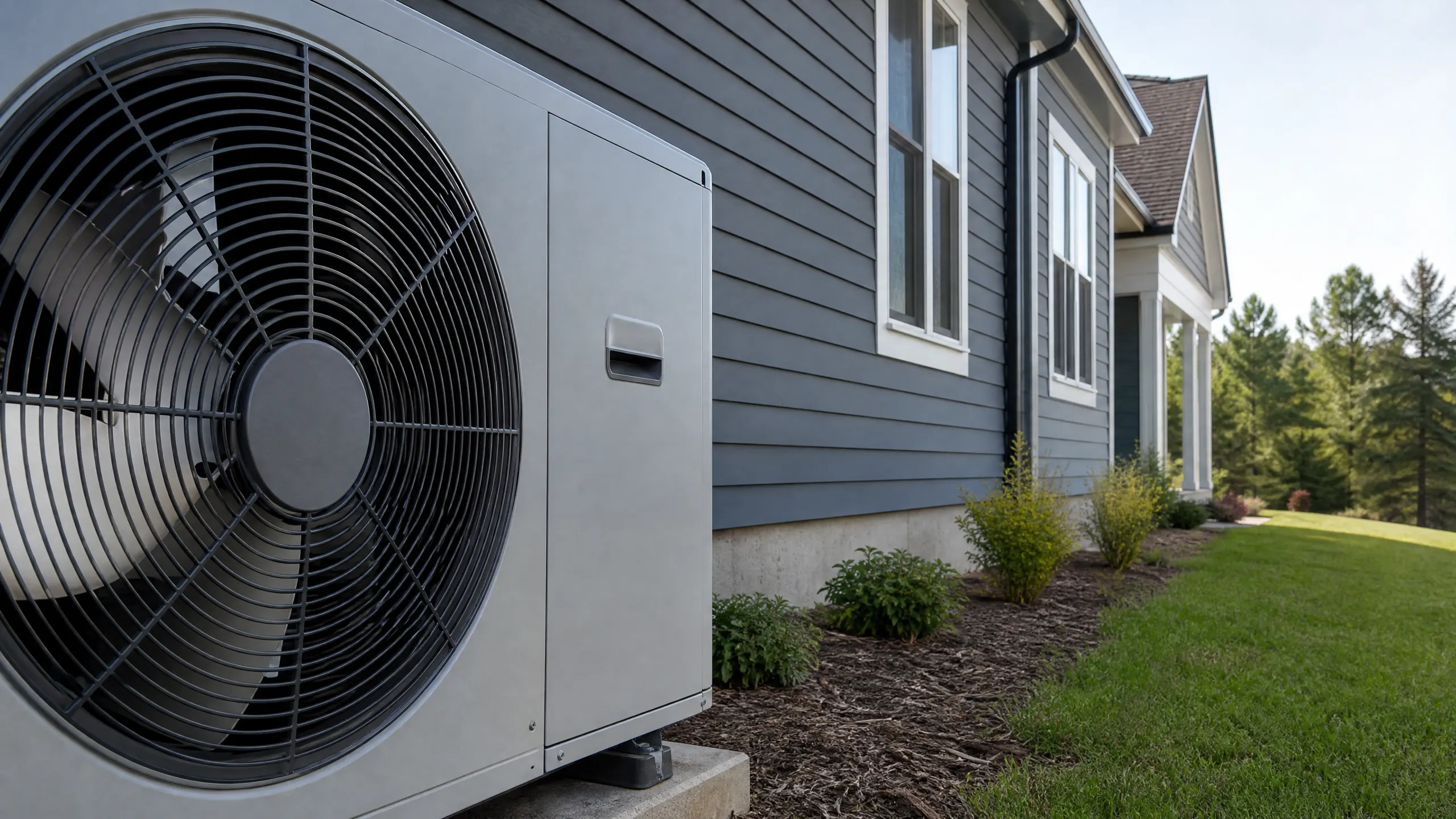






A heat pump outdoor unit mounted on a concrete pad next to the gray-sided exterior wall of a residential house.

Heat Pump Installation in Cleveland, OK

Tell us about the job

Takes about a minute. No obligation.

New system or replacementHeat PumpPawnee County, OK
Step 1 of 2

What ZIP code is the job in?

Half the homes in Pawnee County were built in 1978 or earlier. A heat pump going into a house that age isn't going into a blank slate. The ductwork, the electrical panel, the spot where the old unit sat were all built around whatever equipment was standard decades ago, and a new heat pump may not match those specs. Mobile homes make up close to a quarter of the housing here too, and those come with their own duct sizing and setup. Getting the new system matched to the house means someone looking at what's actually there before swapping anything in.

7 months
October through April, your system heats
5 months
May through September, it cools
28°F
the average winter night it heats against
91°F
the average summer afternoon it cools against
Isometric cutaway illustration of a single-story house showing interior rooms with furniture, an attic duct system connected to an indoor air handler, and an outdoor condenser unit linked by lines along the exterior wall.
Your system heats October through April and cools May through September.

NOAA nClimDiv, 1991–2020 normals

Summer air in Pawnee County sits at a 67 degree dew point, heavier than most of the country ever feels.

A heat pump here works against that load every summer, so it earns its keep running right, not just running cheap.

Cheap power here means reliability matters more than the efficiency rating

Power here costs 11.85 cents per kilowatt-hour
Climate zone 3A
Cooling runs May through September
Replace it before the season needs itCooling starts in May and heat comes back on in October, so this system runs most months of the year.

Pawnee County falls under zone 3A, and any heat pump going in has to meet the federal minimums for that climate: at least 14.3 SEER2 for cooling and 7.5 HSPF2 for heating. Central air systems installed here face an even higher bar, since this region's standard runs above the national minimum. That rules out some of the older, lower-efficiency units still sitting on showroom floors elsewhere in the country. A system meeting these numbers costs more going in, but a federal tax credit is available to offset part of that for qualifying equipment. Worth asking a contractor which models on their truck actually clear the regional minimum before picking one.

Get the new system sized to the house you have

If your house is on the older side here, the fix isn't a bigger or fancier heat pump, it's one sized to match the ductwork and panel already in place. That means someone looking at the electrical panel, the ducts and the spot where the old unit sat before quoting anything. Ask whoever gives you a quote what they checked before they picked the model.

Find a contractor
A gray air-source heat pump mounted on a concrete pad next to a house with gray vinyl siding, surrounded by gravel and flanked by green shrubs and white hydrangea flowers.

This runs most months of the year, so get the sizing right the first time

A heat pump here runs cooling most of the summer, then switches over and carries the heat all winter. There's no long stretch where it sits idle. Most systems elsewhere get a break somewhere in the year. This one doesn't get much of one. That matters for sizing. A unit that's slightly wrong for the house doesn't get a slow season to hide it in, it's working against the heat or the cold almost every month it's running. Picking one on price alone tends to show its weak points fast under that kind of schedule.

The rating is two numbers, not one

SEER2 covers cooling, HSPF2 covers heating. A heat pump carries both jobs, so both numbers matter, not just the one on the yellow sticker that gets quoted first. A unit can look strong in one and average in the other, and you won't catch that unless you ask for both.
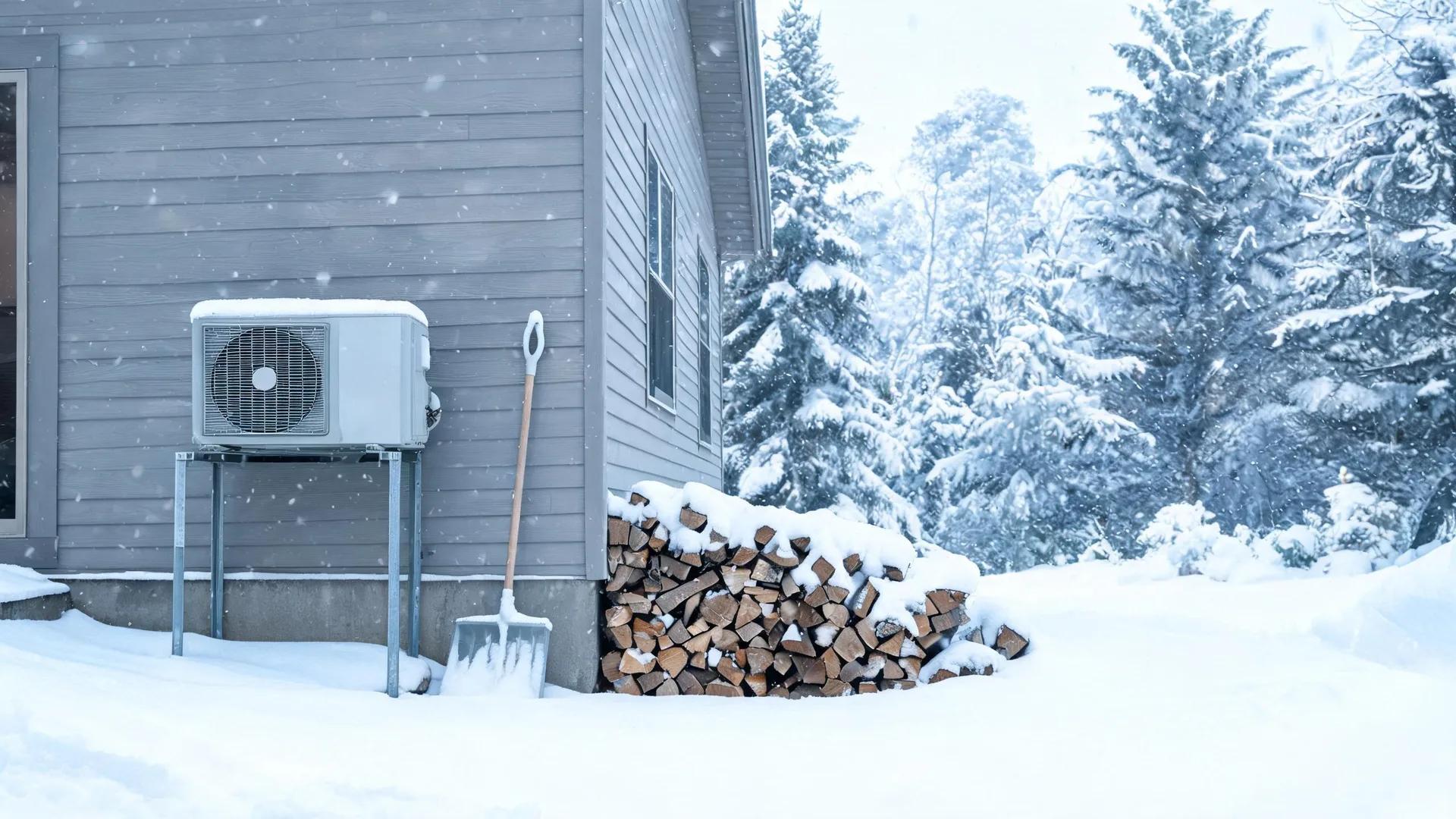
The number on the label is a ceiling, not a guarantee

That rating comes from a lab test under fixed conditions. What the system actually delivers depends on the ductwork it's tied into, the refrigerant charge being set right, and whether the airflow across the coil matches what the unit was designed for. A top-rated heat pump installed loose or undercharged will run like a cheaper one.

Installation cost comes down to what has to happen before the new unit ever gets set. A straightforward swap, same spot, same ductwork, same electrical, costs less because there's less labor involved. Add in duct modifications, a panel upgrade, or a new line set and the labor climbs, since each of those is its own job on top of the install. The size of the house and the size of the system matter too, since a larger unit costs more and may call for heavier wiring or a bigger disconnect. Where the outdoor unit sits and how far it has to run to reach the indoor coil and the electrical panel affects how much material and time the job takes. Higher-efficiency units generally cost more upfront than base models, and that difference shows up in the price before any rebate or credit is applied. The condition of what's already there, not just the equipment going in, is what separates a simple install from a long one.

Electricity is the main heating fuel in Pawnee County, used in 43.2% of homes, with gas and propane splitting most of the rest. That's part of why a heat pump makes sense here instead of a furnace swap: it runs on the fuel this area already relies on. For a lot of homeowners here, replacing an electric furnace or an old heat pump with a new heat pump is a like-for-like change rather than a conversion. The wiring and panel capacity already built for electric heat give a contractor a known starting point, not a guess.