





An outdoor air conditioning condenser unit mounted on a concrete pad next to a residential house at sunset.

Heat Pump Installation in Pryor Creek, OK

Tell us about the job

Takes about a minute. No obligation.

New system or replacementHeat PumpMayes County, OK
Step 1 of 2

What ZIP code is the job in?

Mayes County logged 200 severe weather events between 2015 and 2024. Most of that was wind and hail. Damaging wind hit 99 times, hail 65 times, and 27 tornadoes touched down somewhere in the county. A heat pump's outdoor unit sits outside year round, taking whatever comes through. Winter storms are rarer here, 8 in that same stretch, but ice and heavy snow bring down power lines, and a quarter of Oklahoma households went at least a full day without power in 2024. A heat pump stops moving heat when the power goes out, same as any system that runs on electricity.

7 months
October through April, your system heats
5 months
May through September, it cools
29°F
the average winter night it heats against
90°F
the average summer afternoon it cools against
Isometric line illustration of a cutaway single-story house showing interior rooms with furniture and ceiling ductwork, connected to an outdoor condenser unit on the ground outside the left wall.
Your system heats October through April and cools May through September.

NOAA nClimDiv, 1991–2020 normals

Electricity in Mayes County runs 12.96 cents a kilowatt-hour, cheaper than most of the country.

The payback on the priciest high-efficiency model stretches out here, so picking a heat pump that holds up through wind, ice and power loss matters more than squeezing out another point of efficiency.

Most of Mayes County already runs on electric heat

46.7% of homes heat with electricity
99 damaging wind events from 2015 to 2024
65 hail events from 2015 to 2024

Heat pump installation here goes faster when it is not a race against the weather. Homes in Mayes County start running heat in October, so a system going in during September has a month to settle in before it carries the full load. Go in late and the first real test is a cold night with the install still fresh. Waiting until a cold snap also means the old system picks the timing for you, not the homeowner. Replacing ahead of October means the ground crew and the installer aren't working around a freeze, and any adjustments happen while the stakes are still low.

Plan the install around what this county's weather does to equipment

Where the outdoor unit goes and how it's mounted is worth deciding before install day, not after a storm. A good installer can place it to cut down on debris and hail exposure, and plan for what happens to heat and hot water if the power drops. Get the installation scheduled and that planning starts.

Find a contractor
A white mini-split heat pump outdoor unit mounted on a concrete pad beside a gray-sided house, surrounded by gravel and green shrubs.

The size on the label has to match the house, not guesswork

A heat pump that's too big for the space cools the air fast and shuts off before it pulls the moisture out, so the house feels clammy even at the right temperature. It also cycles on and off more than it should, and every start puts more wear on the compressor than the running does. One that's too small just never catches up. It runs flat out on the hottest and coldest days and still falls behind, so the backup heat kicks in more than it needs to. Sizing a system right starts with a load calculation, not a guess based on square footage or what the old unit was rated for. A contractor works through the walls, the windows, the insulation, the ceiling height, and which way the house faces, because a west-facing wall of glass changes the math more than a few extra square feet of floor does. Ductwork gets checked too, since a heat pump sized perfectly for the house still won't deliver that capacity if the ducts can't carry it. The output has to match the load in both directions, the heat it needs to add in winter and the heat it needs to pull out in summer, since a heat pump does both jobs with the same equipment. Get the sizing right and the system runs long, steady cycles that hold the temperature even and keep the air dry. Get it wrong in either direction and the equipment works harder for a result that still isn't comfortable.

Ask what happens when the power goes out

A heat pump needs electricity to run, full stop, so ask what backup options the system supports. Some heat pumps pair with a battery or generator setup that can carry the compressor and air handler through an outage. Others are built to fall back on a secondary heat source. Ask whether the thermostat and controls hold their settings through a power loss or need to be reset by hand once power returns.
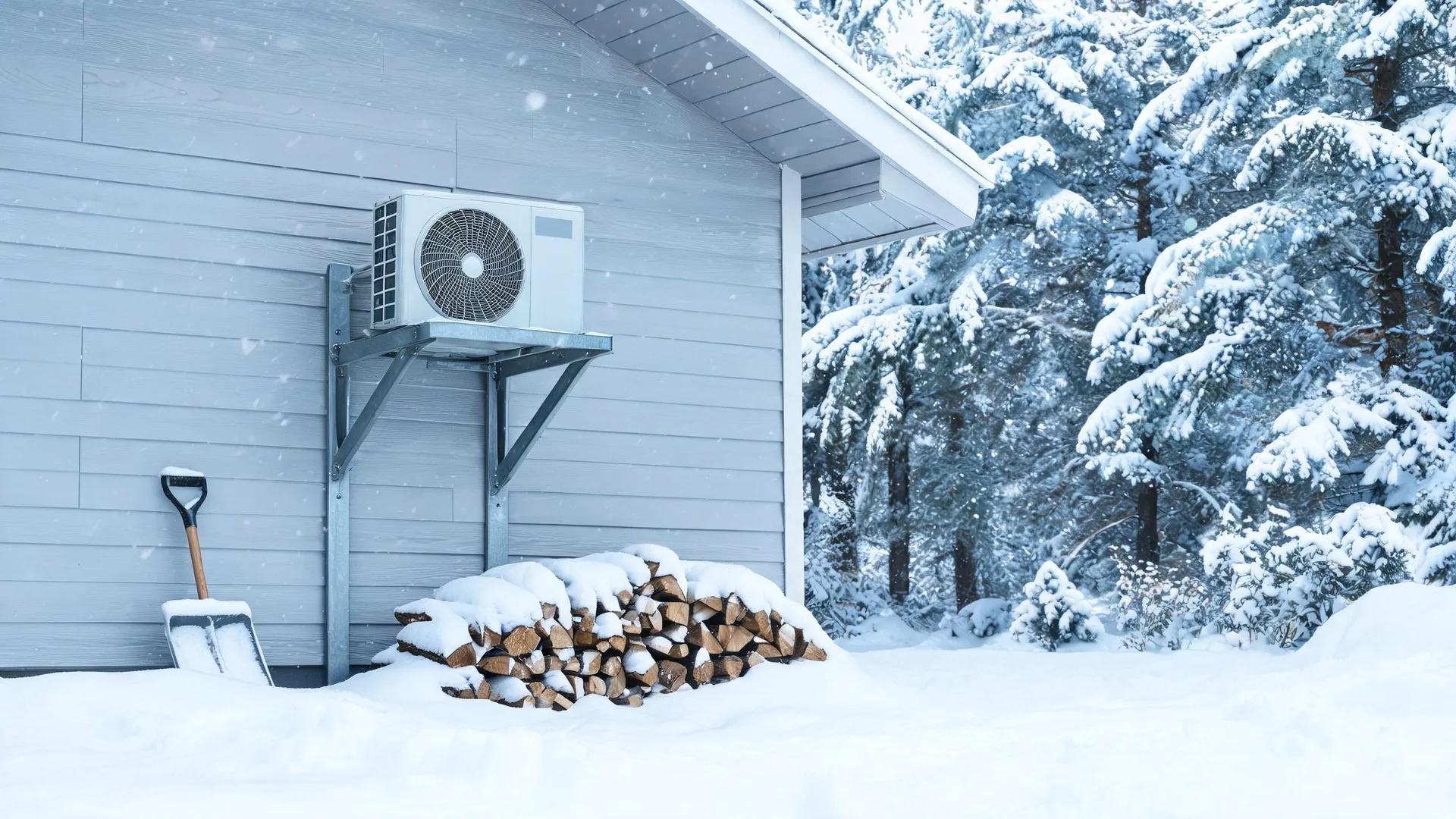
Ask how the outdoor unit is built and mounted

The outdoor unit takes direct hits from wind-blown debris and hail, so ask about the coil fins, the cabinet, and what the mounting pad or bracket is rated for. A thicker coil fin resists denting better than a thin one. Ask how the installer plans to anchor the unit and whether its placement keeps it clear of falling branches or runoff. A unit mounted low and exposed takes more punishment than one set with some thought to what's around it.

A heat pump replacement usually doesn't mean ripping out one system and living without heat or cooling until the next one goes in. Most installers disconnect the old unit, cap the lines, and have the new equipment in place the same day, so there's no long gap. The old outdoor unit gets removed along with its refrigerant, which has to be recovered properly rather than vented, since that's both bad for the environment and illegal to release. Indoor parts come out too, the air handler or coil, and sometimes the old line set if it's not in good enough shape to reuse. If the ductwork is staying, the installer checks it for leaks or damage before connecting the new system, since a heat pump moving air through bad ducts won't heat or cool the way it's rated to. Whatever gets hauled away, the goal is a clean slate for the new equipment to start from.

Zone 3A is this region's rating under the 2021 energy code, and it sets a floor on what can be installed here. A split-system heat pump put in new has to hit at least 14.3 SEER2 cooling and 7.5 HSPF2 heating, the federal minimum since January 2023. Central air systems installed in the Southeast carry their own floor too, 14.3 SEER2 under 45,000 Btu/h and 13.8 at or above it, higher than what the rest of the country requires. That means the baseline unit here already clears a bar some states don't ask for. A federal tax credit is available on top of that for equipment that qualifies, which is worth asking about before deciding what to install.