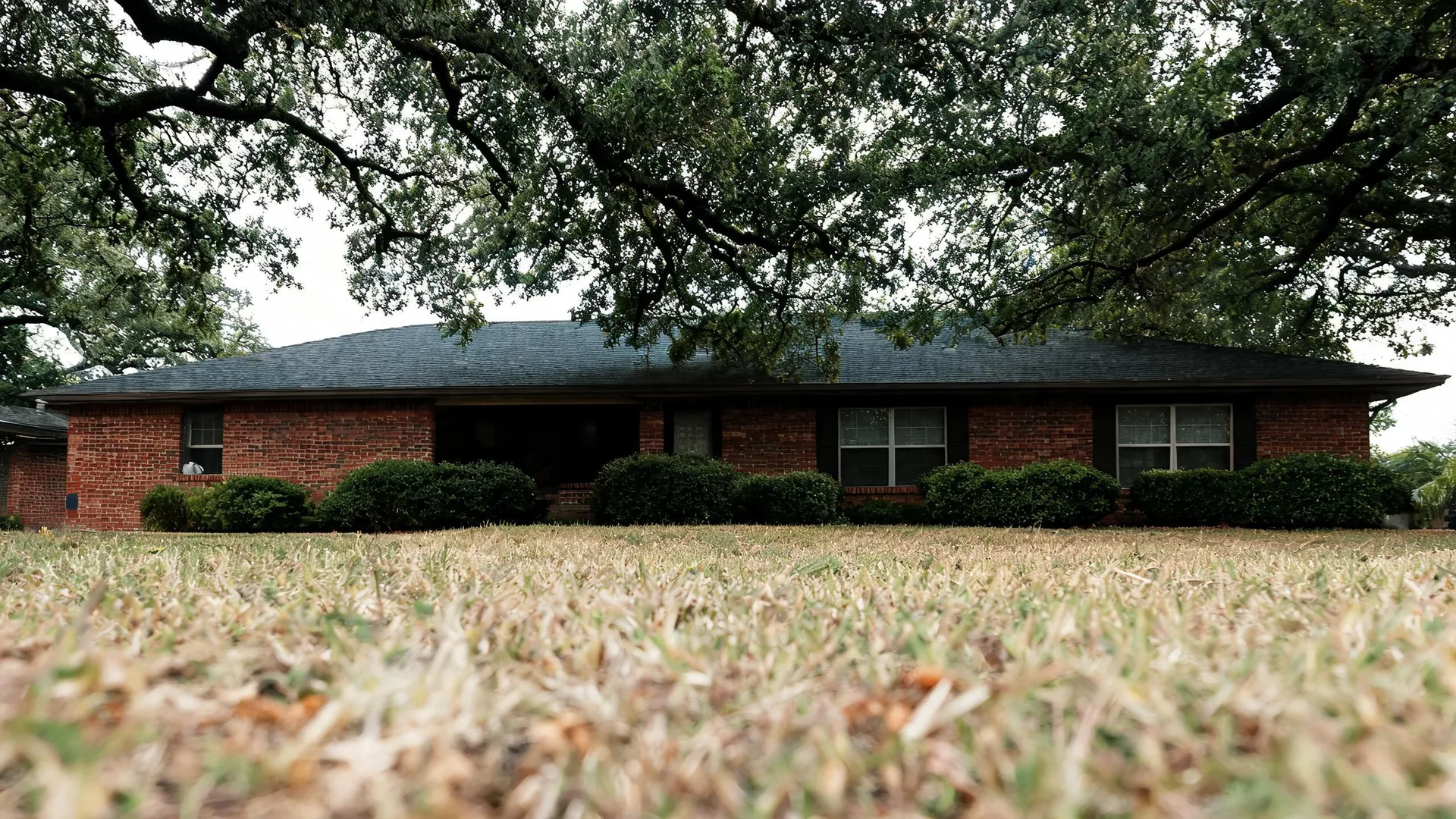
A single-story brick house with a dark shingled roof and trimmed shrubs, photographed from ground level across a dry lawn beneath overhanging tree branches.

Heat Pump Installation in McAlester, OK

Tell us about the job

Takes about a minute. No obligation.

New system or replacementHeat PumpPittsburg County, OK
Step 1 of 2

What ZIP code is the job in?

This county sees real storm activity

Pittsburg County recorded 147 severe weather events between 2015 and 2024, including 67 hail events, 61 damaging wind events and 10 tornadoes. Nine winter storms hit the county in that same span. A heat pump here sits outside, exposed to all of it.


Outages last longer than you'd expect

A quarter of Oklahoma households went at least 24 hours without power in 2024. For a home heating and cooling with electricity, that's not a short inconvenience. It's a day or more without a working heat pump, and without hot water if that runs on electricity too.

6 months
November through April, your system heats
5 months
May through September, it cools
32°F
the average winter night it heats against
91°F
the average summer afternoon it cools against
Isometric cutaway illustration of a single-story house showing interior ductwork, an air handler and rooms, with an outdoor condenser unit connected by refrigerant lines on a plain white background.
Your system heats November through April and cools May through September.

NOAA nClimDiv, 1991–2020 normals

Pittsburg County recorded 67 hail events between 2015 and 2024.

A heat pump installed here needs an outdoor unit built to take that, not just one built to heat and cool.

November is close. A heat pump put in before then runs on your timeline, not the storm's.

Cooling runs May through September
Heat runs November through April
67 hail events from 2015 to 2024
Most Homes Here Run on Electric Heat53.9% of homes in Pittsburg County heat with electricity, more than any other fuel

Pittsburg County falls in climate zone 3A, warm with a long cooling season and a short mild winter. Any heat pump installed here has to meet the federal minimum for that zone, 14.3 SEER2 for cooling and 7.5 HSPF2 for heating. If it's under 45,000 Btu/h, the cooling side has to clear 14.3 SEER2 regardless, since this region's floor sits above the national one. These numbers set the floor, not the ceiling, so a contractor can still offer something higher. A system that clears the minimum also tends to qualify for the federal tax credit, worth checking against before you sign anything.

Plan for the outage before you need to

The storm risk and the power risk here are both real, and they land on the same machine. When you install, talk through where the outdoor unit sits and what backup you want for heat and hot water if the power goes down for a day. That's a decision made at install, not after.

Find a contractor
A man in a cap, dark shirt and tan pants carries a worn canvas tool bag up concrete steps toward a dark blue front door with a sidelight window and a large planter beside it.
A gray heat pump outdoor unit mounted on a concrete pad next to the stone-accented exterior wall of a house.

This Runs Longer Than You'd Think

A heat pump here cycles nearly every day of the year, long summers on one side and winter heating on the other, with barely a break between them. The time-lapse above shows one day. Stretch that across months of runtime and the outdoor unit is the part taking the load, cycling on and off while sitting through whatever hail or wind comes with the weather here. That kind of use shows up first in the parts already working hardest, the ones keeping the system cycling day after day. A system sized and installed for this county has to hold up to that running, not just to one bad storm.

Sizing Comes From a Load Calculation, Not the Old System's Tag

A heat pump has to be sized to the house, not matched to whatever was pulled out. A contractor works this out with a room by room load calculation that looks at square footage, insulation, window area, ceiling height and air leakage. Two homes the same size can need different sized systems depending on how they're built. Guessing the size off the last unit just repeats whatever mistake was already there.

Oversized and Undersized Both Cause Problems

A heat pump that's too big cools the air fast and shuts off before it pulls the humidity out, so the house feels clammy even at the right temperature. It also cycles on and off more, and that short cycling wears on the compressor. One that's too small runs constantly and still can't keep up on the hardest days of summer or winter. The right size runs in long, steady stretches and holds the temperature without straining.

Pulling the old system out is its own job, separate from putting the new one in. A contractor disconnects the refrigerant lines, the electrical circuit and, if there's ductwork involved, checks it before the new coil goes on. Old refrigerant has to be recovered, not vented, so it gets captured and taken off site for disposal or reclamation. If the outdoor unit sits on a pad, the pad gets checked too. Sometimes it's reused, sometimes it's cracked or sunk and needs replacing before the new unit goes on it. The line set often gets swapped rather than reused, since it's sized for the old system's refrigerant charge and may not suit the new one. None of this is visible once the job's done, but skipping steps here is what causes trouble the following summer, not right away.

Installation day starts with the load calculation already done and the equipment on site, so most of the day is hands-on work, not planning. The outdoor unit gets set on its pad and leveled, because a unit that sits off level stresses the compressor over time. Inside, the air handler or coil ties into the ductwork, and the line set runs between the two and gets connected, pressure tested and evacuated before any refrigerant moves into it. That evacuation step pulls moisture and air out of the lines, since either one left behind causes problems in the compressor later. Electrical work ties the system into its own circuit with a disconnect box outside, and the thermostat gets wired and set up last. Once everything's connected, a contractor runs the system through a cycle, checks refrigerant charge, checks airflow at the vents, and confirms the heat pump switches between heating and cooling the way it should before calling the job done.