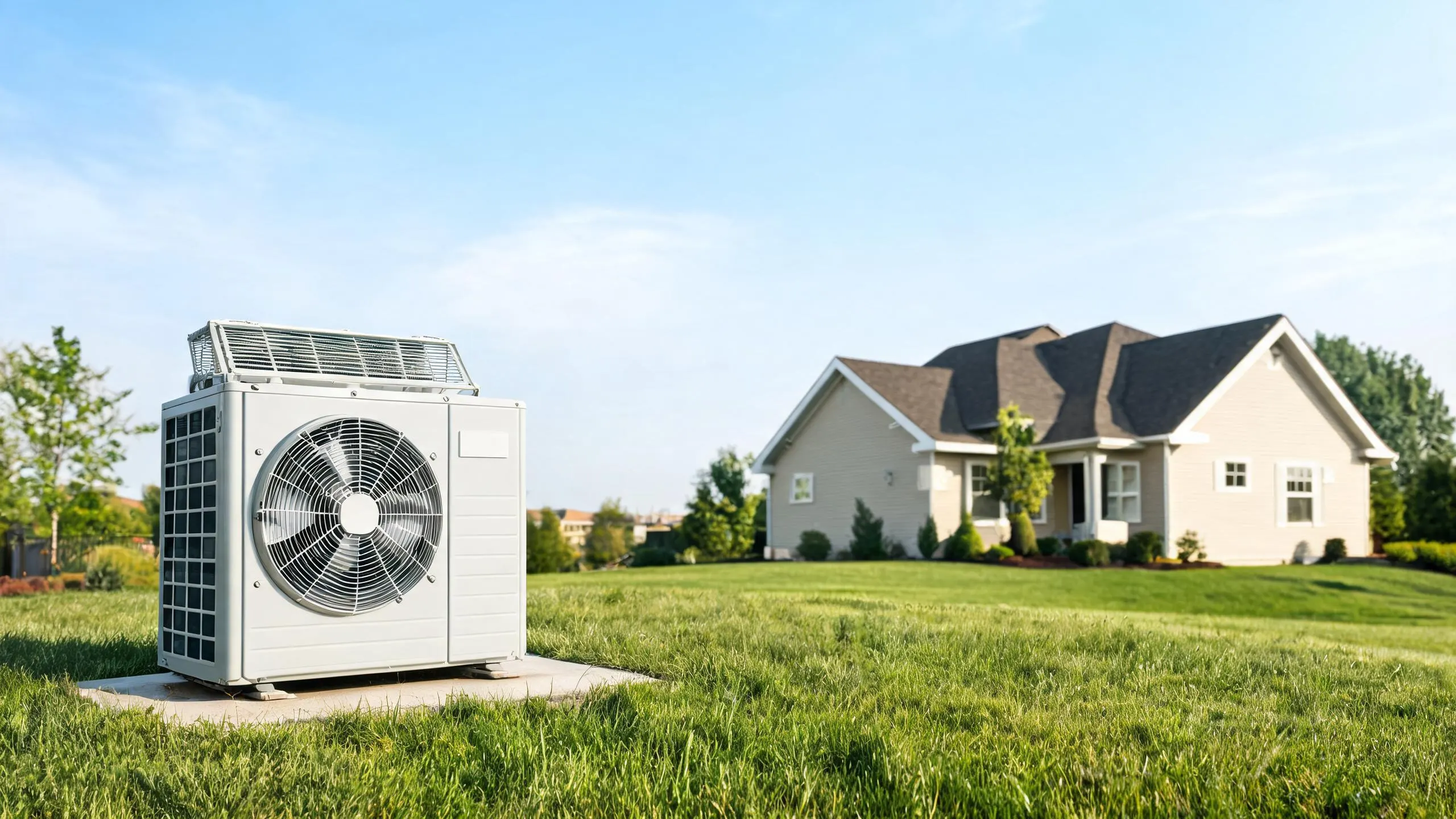






An outdoor air conditioning condenser unit mounted on a concrete pad in front of a single-story suburban house.

Heat Pump Installation in Yukon, OK

Tell us about the job

Takes about a minute. No obligation.

New system or replacementHeat PumpCanadian County, OK
Step 1 of 2

What ZIP code is the job in?

Once the new heat pump is in, the old equipment comes out. If there was a furnace, the installer disconnects the gas line or the electrical circuit feeding it and caps it off safely before hauling the unit away. If the old system was an air conditioner, the condenser outside and the coil in the plenum both get pulled, along with the old refrigerant lines. Any refrigerant left in the lines gets recovered, not vented, since it's against the law to release it into the air. The old thermostat usually comes down too, since heat pumps need one built to handle both heating and cooling modes and the reversing valve between them. Most installers haul the old equipment off as part of the job, so you're not left figuring out how to get a dead furnace or condenser out of your house.

7 months
October through April, your system heats
5 months
May through September, it cools
29°F
the average winter night it heats against
92°F
the average summer afternoon it cools against
Isometric cutaway illustration of a single-story house showing interior rooms, attic ductwork and an air handler, with an outdoor condenser unit connected by lines along the exterior wall.
Your system heats October through April and cools May through September.

NOAA nClimDiv, 1991–2020 normals

Heat pumps in Canadian County run heat from October through April, about seven months of the year.

September is the month to get the new system in, before the first cold night puts it to work.

Power here runs 12.24 cents a kilowatt-hour, so the payback on the priciest model is slow

Power costs 12.24 cents a kWh statewide
110 hail events from 2015 to 2024
Climate zone 3A
Hail finds every unit in Yukon eventuallyCanadian County recorded 110 hail events between 2015 and 2024

Canadian County falls in zone 3A under the 2021 energy code, a warm zone with a long stretch of air conditioning and a short mild winter. Any heat pump installed here has to clear federal minimums of 14.3 SEER2 for cooling and 7.5 HSPF2 for heating. Those numbers are a floor, not a target, so the cheapest model on an installer's list already meets them. A system rated higher costs more up front but uses less power to do the same job, worth weighing given how much of the year this one runs. A federal tax credit is available toward the cost of a qualifying heat pump, which can close some of that gap.

Most homes here heat with gas, but going to a heat pump is still a known job

Gas heats close to six in ten homes in Canadian County, electricity about a third. If your furnace is gas, swapping it for a heat pump means running a new electrical circuit to the outdoor unit and capping the old gas line. That's more work than a straight swap, but it's routine for installers here, and it's the same path most of your neighbors would take.

Find a contractor
A white mini-split heat pump outdoor unit mounted on a concrete pad beside a gray-sided house, surrounded by gravel and green shrubs.

Sized for the house, not swapped for the old one

A heat pump that's too big for the house cools the room fast and shuts off before it pulls the moisture out of the air, so the house feels clammy even at the right temperature. It also cycles on and off more, and every start puts more wear on the compressor than a steady run would. One that's too small runs constantly during the hardest months and still can't keep up, leaning on the backup heat strip to make up the difference. Getting the size right means working out the heat loss and heat gain for the specific house, room by room, counting windows, insulation and square footage, rather than going by the size of the unit that's already there. A system sized to the house runs in longer, steadier cycles, which is easier on the equipment and better at holding the temperature where you set it.

The outdoor unit and the ductwork decide more than the brand

A heat pump moves more air than the furnace it replaces, especially at the lower, steadier output it's designed to run at. Ducts sized for a furnace that fired hot and cycled off can choke a heat pump that's meant to run long and slow. Where the existing ducts are too small or too leaky to move that air, an installer has to modify or replace some of them before the new system can hold the house at temperature. That work is part of the job, not an add-on to it.
Backup heat adds its own cost

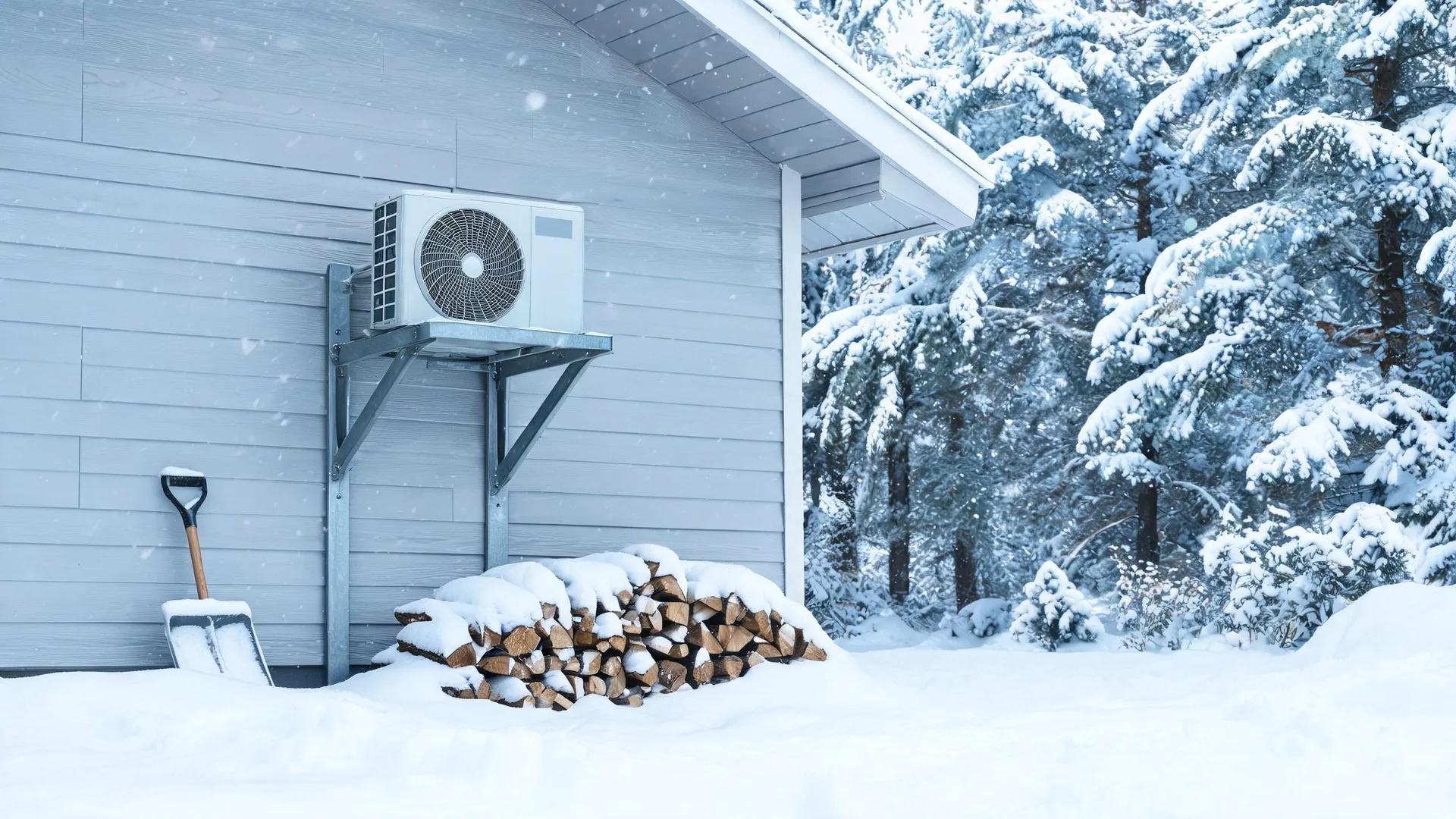
Every heat pump needs a backup heat source for the coldest stretches, usually an electric strip built into the air handler. That strip needs its own wiring sized to carry a heavy electrical load, separate from the circuit that runs the outdoor unit. Installing both circuits correctly takes more labor and material than wiring a straight air conditioner ever did. It's not optional either, since without it the house has nothing to fall back on when the heat pump alone can't keep up.

SEER2 and HSPF2 are both ratios, output over the power it takes to get there, measured under set lab conditions. A higher number means the compressor moves the same heat while drawing less power to do it, not that the unit heats or cools harder. That matters most on the days the system runs a long time, since a small gap in efficiency repeats itself every hour the compressor is on. It matters less on the mild days when the system barely has to work at all. The rating on the label is also tested new, in good ductwork, with the refrigerant charge set exactly right. Low airflow, a duct leak or a charge that drifts off spec over the years will pull real performance below what the label promised, no matter how high the number was at installation.

Installation day itself runs on a schedule, not a guess. The crew shows up with the equipment already sized from the earlier load calculation, so there's no decision left to make about what goes in, only the work of putting it there. The indoor coil and air handler get set first, since that's often the part buried in a closet or attic that takes the longest to access. Line sets get run between the indoor and outdoor units, then pressure tested before any refrigerant goes in, because a leak found after the charge is in means recovering it all over again. The outdoor unit gets leveled on its pad, since a unit that sits crooked drains condensate wrong and strains the compressor mounts over time. Once everything's connected, the system gets charged to the exact weight the manufacturer specifies, not just run until it feels cold, and that number is what decides whether it hits its rated efficiency for the life of the equipment.