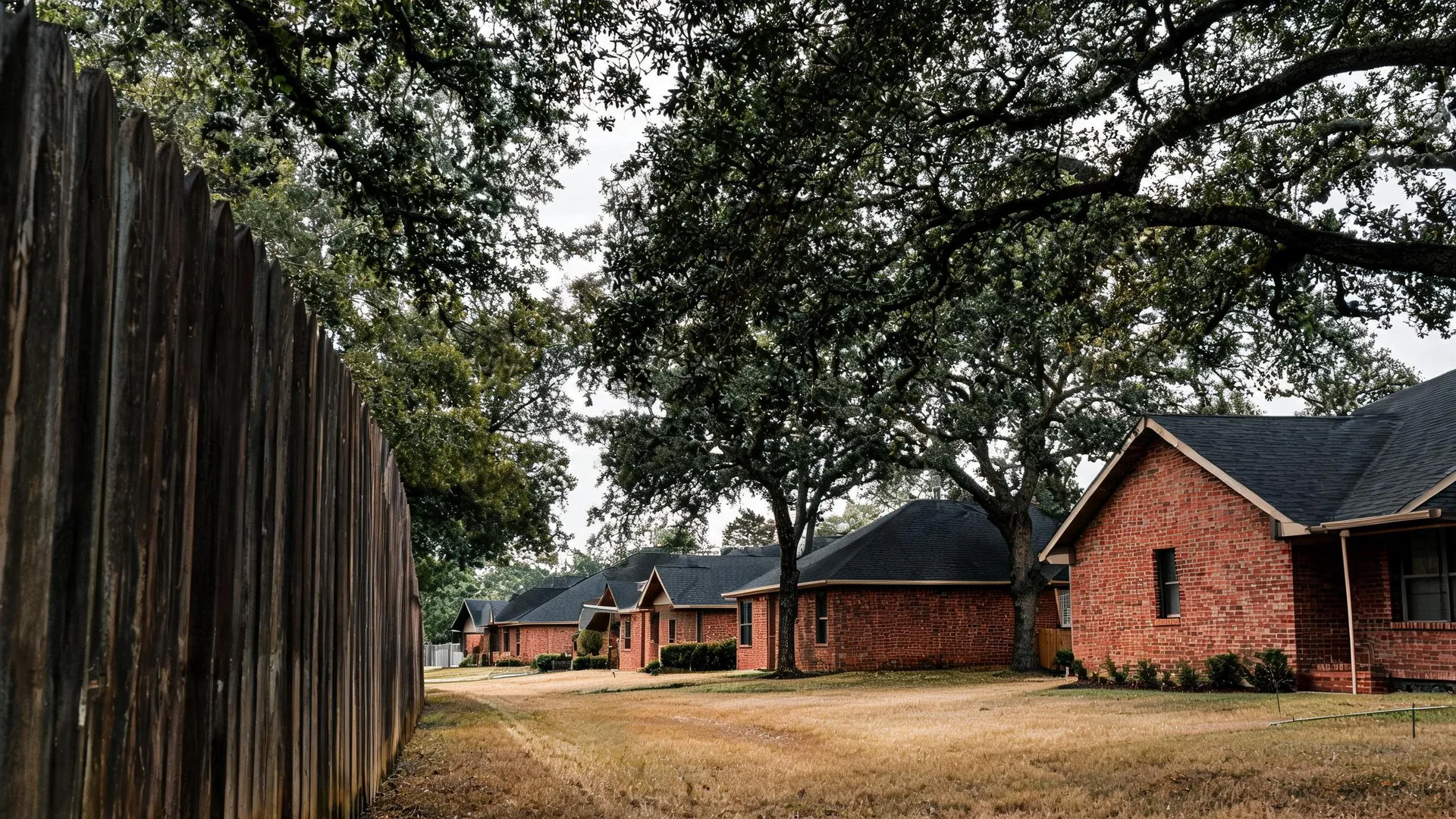






A row of single-story brick houses with dark shingled roofs behind large oak trees, beside a tall weathered wooden fence and a dry grass yard.

Heat Pump Installation in Okmulgee, OK

Tell us about the job

Takes about a minute. No obligation.

New system or replacementHeat PumpOkmulgee County, OK
Step 1 of 2

What ZIP code is the job in?

Okmulgee County saw 122 severe weather events between 2015 and 2024. Most of that was wind and hail, 44 damaging wind events and 57 hail events, with 10 tornadoes and 11 winter storms mixed in. A heat pump's outdoor unit sits outside year round, taking whatever comes through, so where it goes and what shields it matters. Power is part of the same picture. A quarter of Oklahoma households went at least a full day without power in 2024. When the power drops, so does your heat pump, along with your furnace blower and anything electric that keeps hot water running.

7 months
October through April, your system heats
5 months
May through September, it cools
30°F
the average winter night it heats against
91°F
the average summer afternoon it cools against
Isometric grayscale illustration of a cutaway house showing interior rooms, ducted air handler and duct runs, connected by pipes to an outdoor condenser unit beside the building.
Your system heats October through April and cools May through September.

NOAA nClimDiv, 1991–2020 normals

Gas heats close to half the homes in Okmulgee County.

A heat pump paired with that gas furnace needs a thermostat and controls that switch between them correctly.

This system runs harder here than it does almost anywhere else

57 hail events from 2015 to 2024
Climate zone 3A
Power here costs 13.57 cents per kilowatt-hour

May is when cooling starts here, so April is the month to get a heat pump installed instead of running on a system that might not make it through one more summer. Wait until the first hot week and you're choosing from whatever unit a contractor can get fastest, not the one that fits your house. The same goes on the other side of the year. Heat turns on in October, which makes September the window to have the switchover to gas backup checked and set before that first cold night. An install done in April or September happens at a slower pace, with time to size the unit correctly and test the controls before the weather asks anything of them.

Plan the install around what this county's weather actually does

A heat pump installed here should go in with the outdoor unit placed and guarded against wind-blown debris and hail, and a plan for what runs your heat and hot water if the power goes out. That's a decision made at install, not after a storm already passed through.

Find a contractor
A man in a cap, gray T-shirt and tan work pants carries a canvas tool bag up porch steps toward a dark blue front door of a gray clapboard house, with a potted plant at left.
A residential heat pump outdoor unit mounted on a concrete pad next to a house with gray vinyl siding.

Running this long, it can't be an afterthought

Install matters as much as the unit itself. A heat pump that runs here for months on end needs a contractor who sizes it to your house instead of matching what was already there. Okmulgee County recorded 57 hail events between 2015 and 2024, so ask where the outdoor unit will sit and what will break up wind and debris before they reach it. That conversation belongs in the install, not in a call after a storm.

Ask what the backup heat is, not just whether there is one

Most heat pumps need a second heat source for the coldest nights, usually a gas furnace or electric strips. Ask which one is paired with this system and at what outdoor temperature it takes over. A unit that switches over too early will run up the gas bill. One that switches too late asks the heat pump to do a job it can't finish.
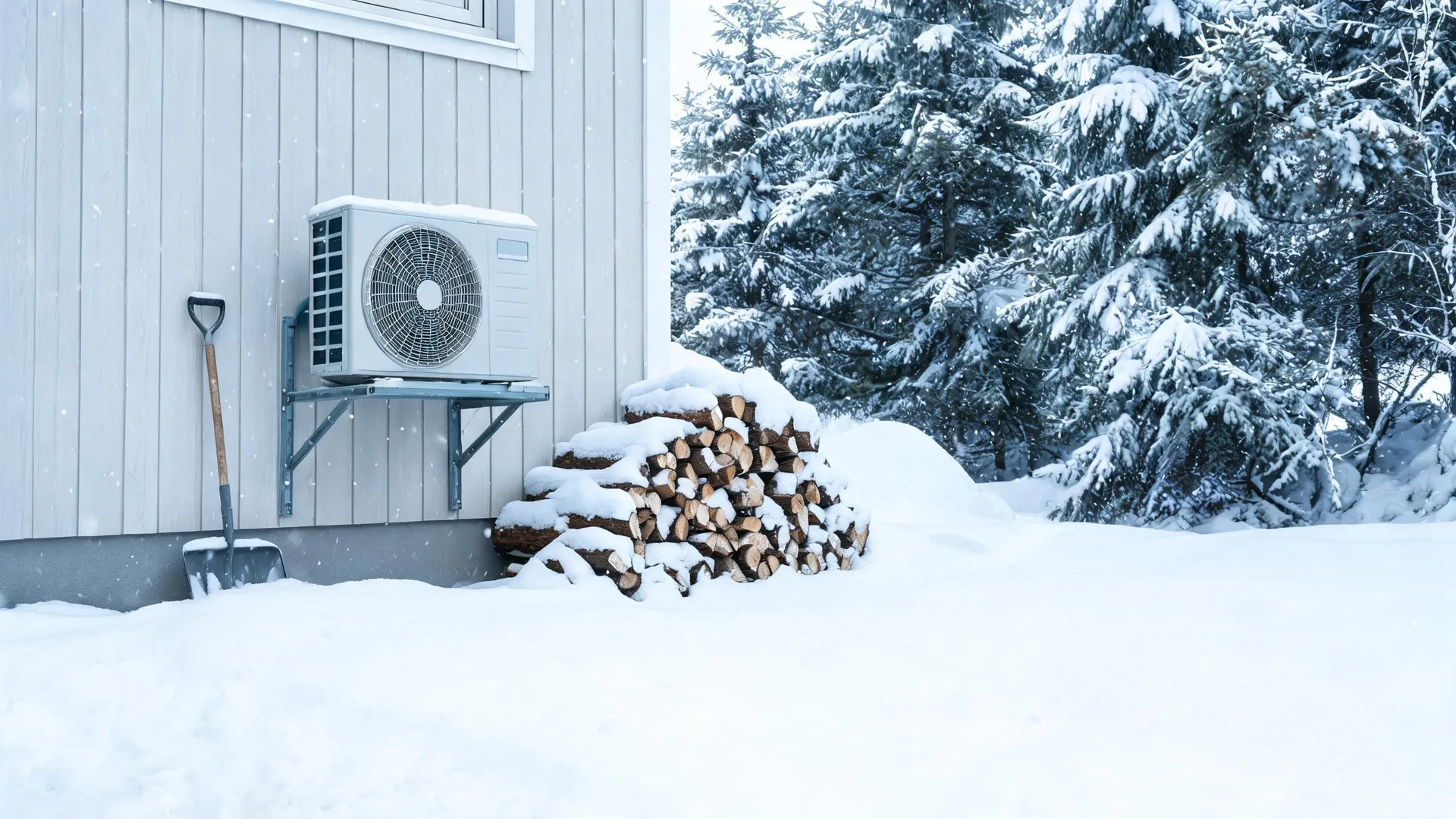
Ask how they're sizing it, not just what size they're quoting

A heat pump that's too big will short cycle, turning on and off without running long enough to dehumidify the air or settle into a steady temperature. One that's too small will run constantly and still fall short on the coldest and hottest days. Sizing comes from a load calculation on the house, room sizes, windows, insulation, not from matching whatever tonnage was there before. Ask to see that calculation before you agree to a number.

Replacing a heat pump usually means dealing with an old central air conditioner or an older heat pump that's already outside on a pad. A contractor disconnects the refrigerant lines, pulls the old electrical whip, and takes the outdoor unit off its pad or mounting brackets. Indoors, if the air handler or coil is being swapped too, that gets pulled from the plenum and the line set gets disconnected there as well. Refrigerant in the old system has to be recovered into a tank, not vented, before any lines are cut. Old refrigerant lines usually get replaced rather than reused, since the sizing and even the refrigerant type often don't match what the new heat pump calls for. Once everything is disconnected, the old equipment is hauled off and the pad gets reused or replaced depending on its condition. None of this touches the ductwork or the gas furnace if one is staying in place as backup heat, only the parts tied to the old cooling or heat pump system.

Okmulgee County falls in climate zone 3A, warm with a long cooling season, under the 2021 energy code. Any split-system heat pump installed here has to meet the Southeast region's minimum, 14.3 SEER2 for units under 45,000 Btu/h and 13.8 SEER2 at or above that size, which is higher than what the rest of the country requires. That same federal rule sets a heating floor too, at least 7.5 Btu of heat for every watt-hour of electricity used over the winter. These are minimums, not a recommendation, so they narrow down which units a contractor can legally put in. A heat pump meeting these numbers may also qualify for a federal tax credit, worth asking about when you're comparing quotes.