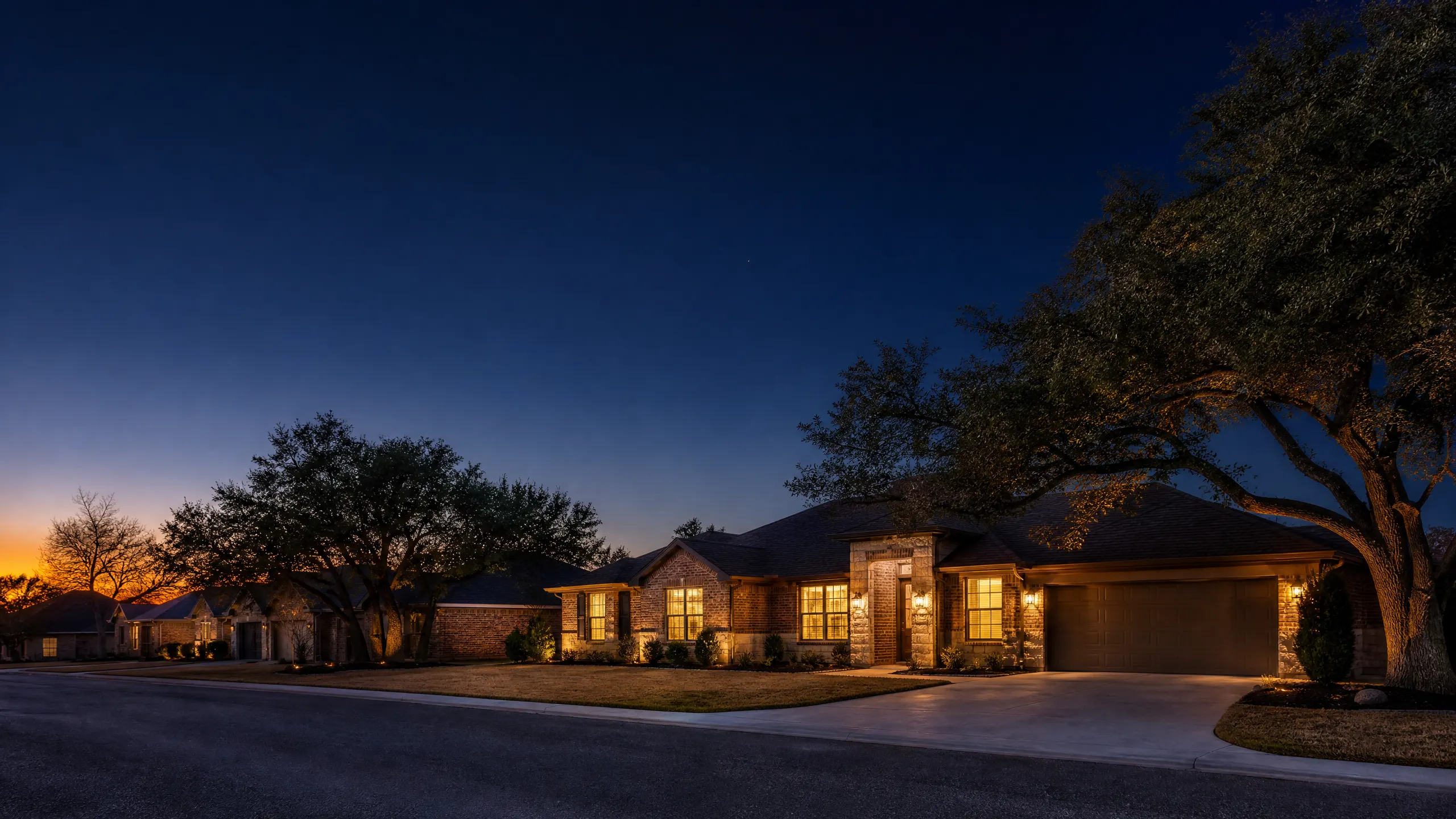







A lit single-story brick ranch house with a two-car garage photographed at dusk on a quiet residential street lined with oak trees.

Heat Pump Installation in Seminole, OK

Tell us about the job

Takes about a minute. No obligation.

New system or replacementHeat PumpSeminole County, OK
Step 1 of 2

What ZIP code is the job in?

Electricity is already the most common way homes heat here, at 47.7 percent. Utility gas covers another 34.1 percent, and bottled or LP gas heats 14.4 percent. A heat pump fits naturally into a home already wired for electric heat, since it runs on the same circuit the old system used. For a home currently on gas or LP, installation means adding or upgrading that electrical circuit, something worth asking about when you're comparing quotes.

6 months
November through April, your system heats
5 months
May through September, it cools
30°F
the average winter night it heats against
92°F
the average summer afternoon it cools against
Isometric illustration of a cutaway single-family house showing interior ductwork and an air handler, with an outdoor condenser unit connected by lines along the exterior wall.
Your system heats November through April and cools May through September.

NOAA nClimDiv, 1991–2020 normals

Seminole County sees hail, wind and the occasional tornado, same as most of this part of Oklahoma.

A properly sized heat pump handles that without any special equipment.

At 12.24 cents a kilowatt-hour, payback on the top-tier models takes longer here. Picking the right size and brand matters more than chasing the highest efficiency rating.

Power costs 12.24 cents a kWh statewide
44 hail events from 2015 to 2024
Climate zone 3A
Get your heat pump in before NovemberHeat pumps here run May through September for cooling and November through April for heat.

Seminole County runs warm most of the year, with a long stretch of cooling and a short, mild winter on the humid side. That puts it in climate zone 3A. Any split-system heat pump installed here now has to meet 14.3 SEER2 for cooling and 7.5 HSPF2 for heating, the federal minimum as of a few years back. A central air system installed on its own faces a similar floor, and it's higher than what most of the country requires. That narrows what a contractor can legally install, regardless of brand or budget. A federal tax credit is available on qualifying heat pump installations, worth asking about when you're comparing quotes.

Go with the standard fit

A standard size and efficiency fit fine here. There's no local reason to go bigger or pricier.

Find a contractor
A man in a dark shirt, tan work pants, boots and a cap walks up porch steps toward a navy front door, carrying a canvas tool bag.
A gray heat pump condenser unit mounted on a concrete pad against the gray lap-siding exterior wall of a house.

What happens to the old system

Whatever is coming out, old or new, gets hauled off once the new unit is in. If it's a straight swap, the outdoor unit, the indoor coil and the air handler or furnace all come out together, since they were matched to work as a set. A contractor will recover the refrigerant from the old lines before anything is disconnected. That's not optional, it's the law, and it's also just good practice since that refrigerant can't be vented into the air. If the old system used a different refrigerant than the new one, the line set usually gets replaced too rather than cleaned out and reused. Scrap metal from the cabinets and coils typically gets recycled rather than landfilled. None of this adds much time to a straightforward replacement, but it's worth asking who handles the removal and whether it's included, since hauling away a full-size outdoor unit and an indoor coil isn't something every quote assumes.

Ask what size they're proposing and why

A heat pump that's too big cools the room fast then shuts off before it pulls the moisture out of the air, so the space feels clammy. One that's too small runs constantly and still can't keep up on the coldest or hottest days. Sizing should come from a load calculation on the house, the windows, the insulation, not just a match to the old unit's tonnage. If a contractor quotes a size without asking about the house itself, that's worth a second question.
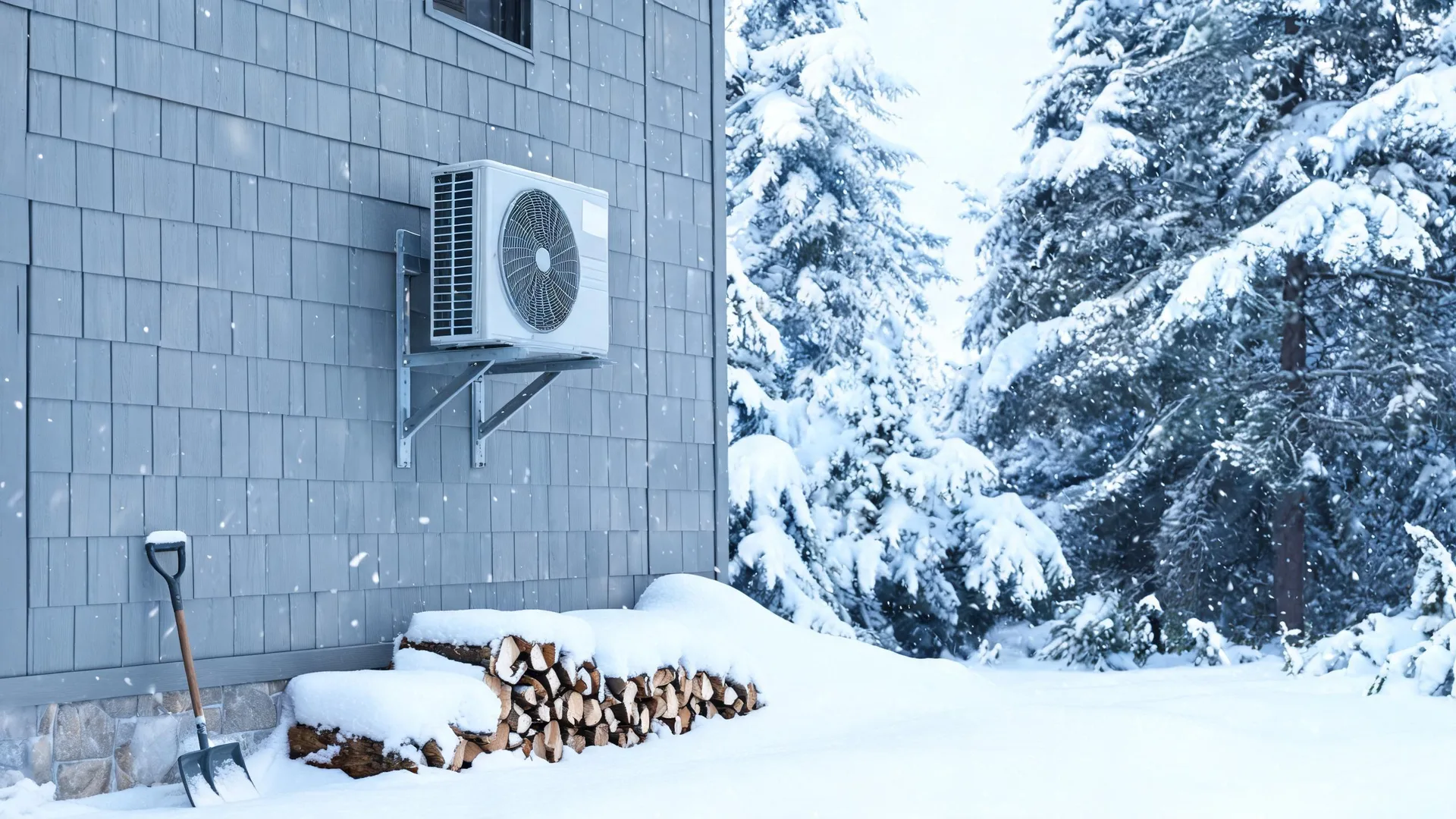
Ask what happens below freezing

Every heat pump loses some capacity as the outdoor temperature drops, and most lean on a backup heat source for the coldest stretches. Find out what that backup is, how it switches on, and whether it's included in the quote or an extra. Also ask about the defrost cycle, since the outdoor coil will frost up in cold, damp weather and the system needs to clear that automatically to keep working.

A load calculation looks at the walls, the windows, the ceiling height and how they all face the sun, then works out how much heat the house gains in summer and loses in winter. That number, not the size of the unit being replaced, is what the new heat pump should match. Too big and it short cycles, blasting cold air then shutting off before it can pull the humidity down, so the house feels cool but damp. Too small and it runs flat out on the hardest days and still falls behind, leaning on backup heat more than it should. Bigger isn't a safety margin here, it's a different kind of wrong. The right size runs long, steady cycles that hold the temperature even and keep the air dry, which is also what makes the equipment last.

A lot of what sets the price has nothing to do with the heat pump itself. Running new line sets or rerouting ductwork costs more than reusing what's already there, and whether that's possible depends on where the old equipment sat and how accessible the attic or crawlspace is. An electrical panel that's already full means an electrician adds a circuit before the installer can even start, and that's a separate job with its own labor. Ductwork in bad shape, crushed runs, leaky joints, undersized returns, often gets found once a contractor is actually up in the attic looking, and fixing it isn't optional if you want the new system to perform the way it's rated to. Where the outdoor unit goes matters too. A simple pad-level spot costs less to set up than one needing a stand, extra clearance, or longer refrigerant lines run through walls or up levels. None of this shows up in a brochure, but it shows up in the quote.