An outdoor heat pump unit mounted on a concrete pad in front of a two-story suburban house.

Heat Pump Installation in Tulsa, OK

Tell us about the job

Takes about a minute. No obligation.

New system or replacementHeat PumpTulsa County, OK
Step 1 of 2

What ZIP code is the job in?

Ask for the load calculation, not a guess off square footage

A heat pump sized by square footage alone can end up too big or too small for the job. A contractor should walk the house, check the windows and insulation, and run an actual load calculation before naming a system size. If a quote shows up with no mention of this step, ask how they landed on that number.

Ask what happens on the coldest days

Every heat pump reaches a point where it needs backup heat to keep the house warm. Ask what kind of backup comes with the system, how it works alongside the heat pump, and what triggers it to kick in. A contractor who can answer this clearly has thought through how the system runs here, not just how it's rated on paper.

7 months
October through April, your system heats
5 months
May through September, it cools
29°F
the average winter night it heats against
91°F
the average summer afternoon it cools against
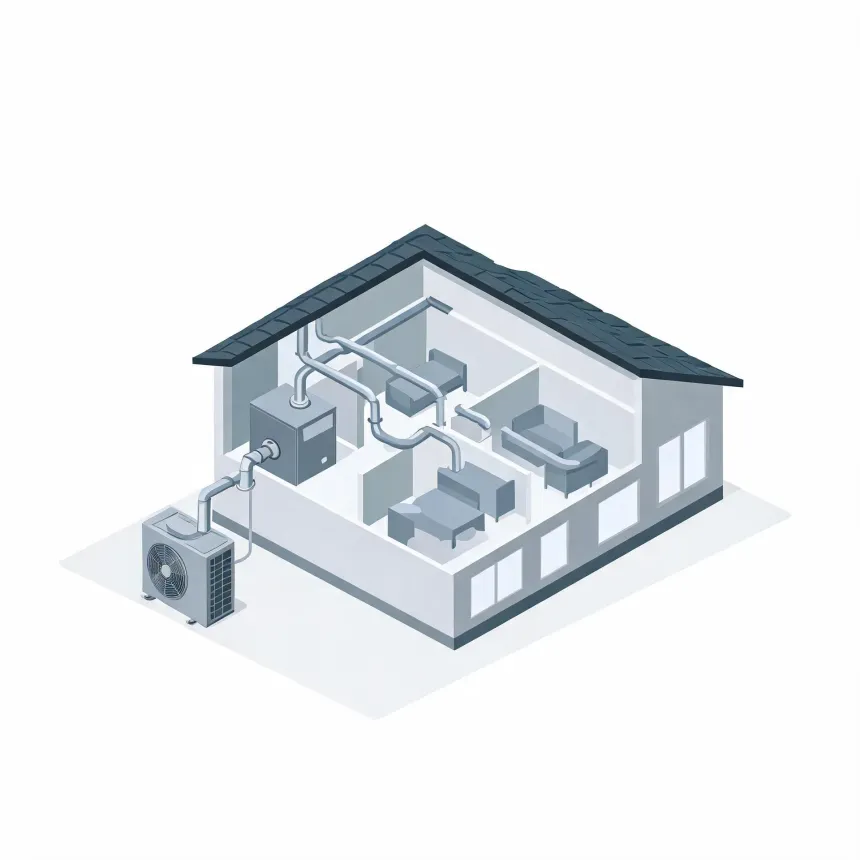
Isometric cutaway illustration of a single-story house showing an indoor air handler, branching ductwork through rooms with furniture, and an outdoor condenser unit connected by a line outside the wall.
Your system heats October through April and cools May through September.

NOAA nClimDiv, 1991–2020 normals

The equipment is one line on the quote, not the whole price.

Duct changes, electrical work and where the outdoor unit sits can move the cost more than the system itself.

Electricity runs 12.24 cents a kWh here, so a heat pump earns its keep on reliability more than on the power bill

Power costs 12.24 cents a kWh statewide
276 damaging wind events from 2015 to 2024
215 hail events from 2015 to 2024
Get it in before OctoberHeat runs here from October through April. Have the new system in before the first cold month, not after.

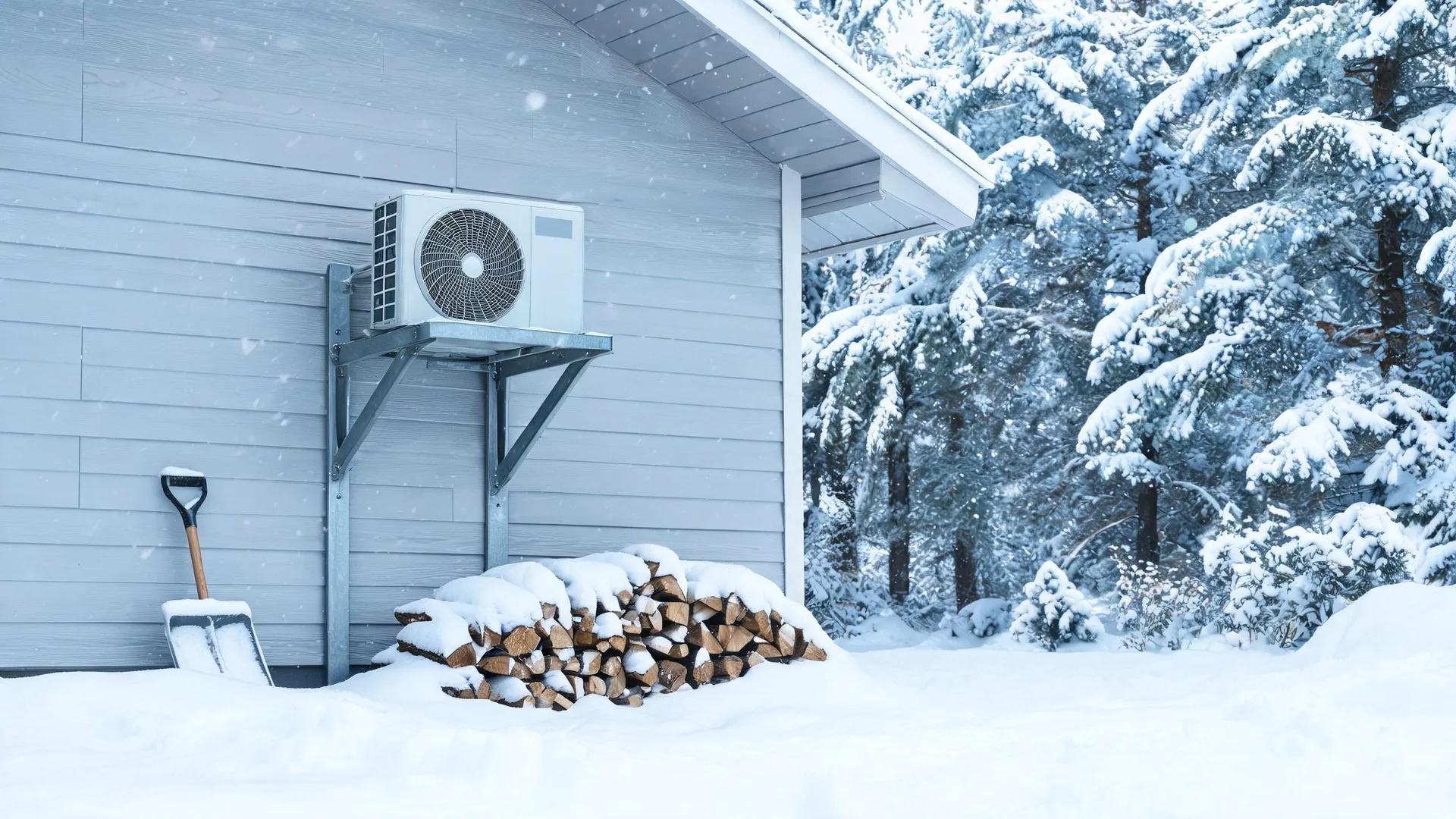
Tulsa County saw 276 damaging wind events and 215 hail events in the past decade. An outdoor heat pump unit sits outside year round, so where it goes matters. Ask about placement away from fence lines and rooflines where debris or ice can fall, and about a hail guard for the coil. A quarter of Oklahoma households lost power for a day or more last year. A heat pump stops heating and cooling without electricity, so if that matters to you, ask what the system does when the power goes out and what it would take to keep the house warm or the water hot until it comes back on.

Gas heats most of Tulsa County, and that shapes this job

Utility gas heats 62.1% of homes in Tulsa County, with electricity next at 35.5%. A heat pump works alongside or in place of that gas system, so a contractor needs to know which one is already in the house before naming a plan. If gas is already there, ask whether it stays as backup heat or gets replaced. That decision changes the equipment, the ductwork and the electrical work this job needs.

Find a contractor
A white mini-split heat pump outdoor unit mounted on a concrete pad beside a gray-sided house, surrounded by gravel and green shrubs.

It runs most of the year, in weather that wears on equipment

Oklahoma weather doesn't give this machine much of a break between heating and cooling. The outdoor unit runs through both seasons, and it sits outside through the wind and hail already covered on this page, 276 damaging wind events and 215 hail events in Tulsa County over the past decade. A unit that runs most of the year, exposed to that, wears sooner than one in a milder climate. That's a reason to size it for this place and not just take the lowest bid.

The old equipment has to come out right

If the house had a furnace, removing it isn't just unbolting a box. The gas line needs to be capped off by someone qualified to do it, not left for later. If the old system used refrigerant, that refrigerant has to be recovered into a tank, not vented into the air. Both are standard parts of the job, but they take time and should show up on the quote.

What's already in the walls shapes what's next

A heat pump moves a different volume of air than a furnace did, and it runs longer at lower output rather than short bursts of high heat. The ductwork that worked fine for the old system may need adjusting to handle that. The electrical panel also needs enough capacity for the new unit, especially if backup heat runs on electric strips. Both are worth asking about before the old system comes out, not after.

The label on a heat pump carries a cooling rating and a heating rating, and both tell you how much heat or cold the system moves for the electricity it burns. A higher rating means it's getting more out of every bit of power, not that it's bigger or stronger. That number comes from a lab test, so it won't match exactly what the unit does on the coldest or hottest day it actually faces, but it still holds up as a way to compare one system against another. A unit with a higher rating usually costs more to buy and less to run, so the question is how long you plan to keep it and how hard your climate pushes it. Ask what rating the quoted system carries and whether it sits near the bottom of what's allowed or well above it, because that gap is where the real difference in the equipment shows up.

Sizing a heat pump comes down to how much heat the house loses in winter and how much it gains in summer, not how many square feet it has. Houses the same size can need different sized systems if one has more windows, taller ceilings, or less insulation in the attic. A unit sized too big cools or heats the space fast, then shuts off before it finishes pulling the moisture out of the air, so the house feels clammy even though the temperature reads fine. One sized too small runs constantly and never quite catches up on the coldest or hottest days. A load calculation accounts for the walls, the windows, the ceiling height and the direction the house faces, and it's the only way to land on a size that matches the house instead of just the slab it sits on.