


What winter actually asks of a heat pump here
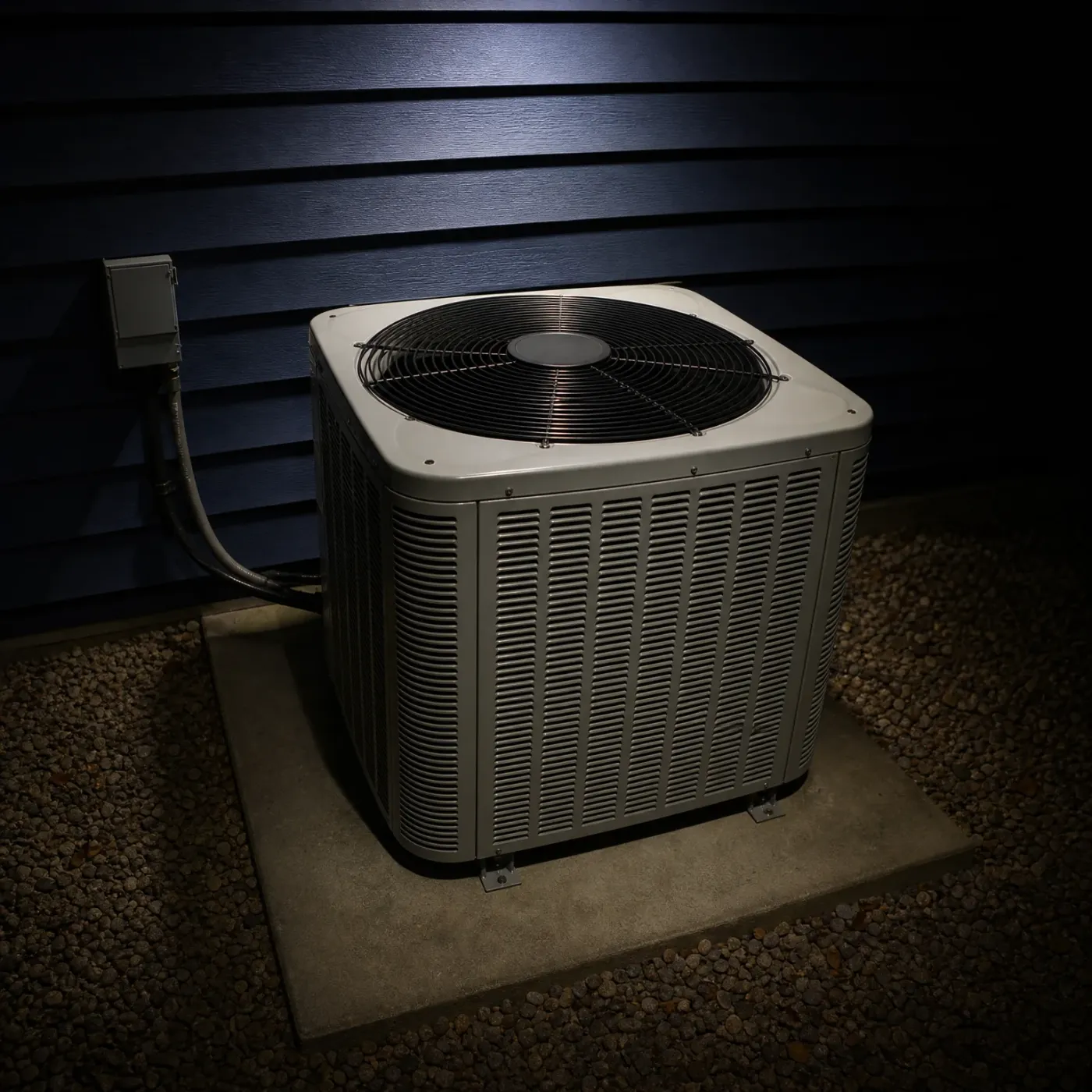
A heat pump works hardest exactly when it's coldest out, so start there. Your winter low here averages 29 degrees. That's below 40 degrees, where a standard heat pump starts putting out less heat than its rating says, and below 35 degrees, where it often needs backup heat to make up the difference. About 80 nights a year here drop to freezing or below, and every one of them is below both marks.
That doesn't mean the heat pump struggles all winter. Those 80 nights are under half the roughly 210 nights that make up the seven months the heat runs here, so most nights a heat pump is working at or near its full rating with no help needed. Of those 80 nights, only about 0.2 a year reach 0 degrees, the kind of cold where output drops hardest. Hard freezes happen here. Severe cold almost never does.
A two-winter field test of cold-climate heat pumps in occupied homes found backup heat covered only a small share of the heat needed between 0 and 35 degrees, and running on backup alone was rare even above 0 degrees. If you're buying new, the ENERGY STAR Cold Climate label is the spec to check: it requires the unit to hold at least 70 percent of its 47 degree capacity and still produce 1.75 units of heat per unit of electricity at 5 degrees, verified by a third party rather than claimed by the manufacturer. That tells you how a given unit handles your coldest nights, not just an average one.