This county sees real storms
Comanche County logged 358 severe weather events between 2015 and 2024. That includes 148 damaging wind events, 185 hail events, and 11 tornadoes. A heat pump installed here sits outside through all of it.
Takes about a minute. No obligation.
Comanche County logged 358 severe weather events between 2015 and 2024. That includes 148 damaging wind events, 185 hail events, and 11 tornadoes. A heat pump installed here sits outside through all of it.
A quarter of Oklahoma households went at least 24 hours without power in 2024. A heat pump stops heating and cooling the moment the power drops, and if your water heater runs on electricity too, that goes with it.

NOAA nClimDiv, 1991–2020 normals
Electricity in Comanche County runs about 13.82 cents per kilowatt-hour, below what a lot of the country pays.
A top-efficiency heat pump takes longer to earn back its higher price here, so picking one that holds up through storms and outages matters more than squeezing out the last bit of efficiency.



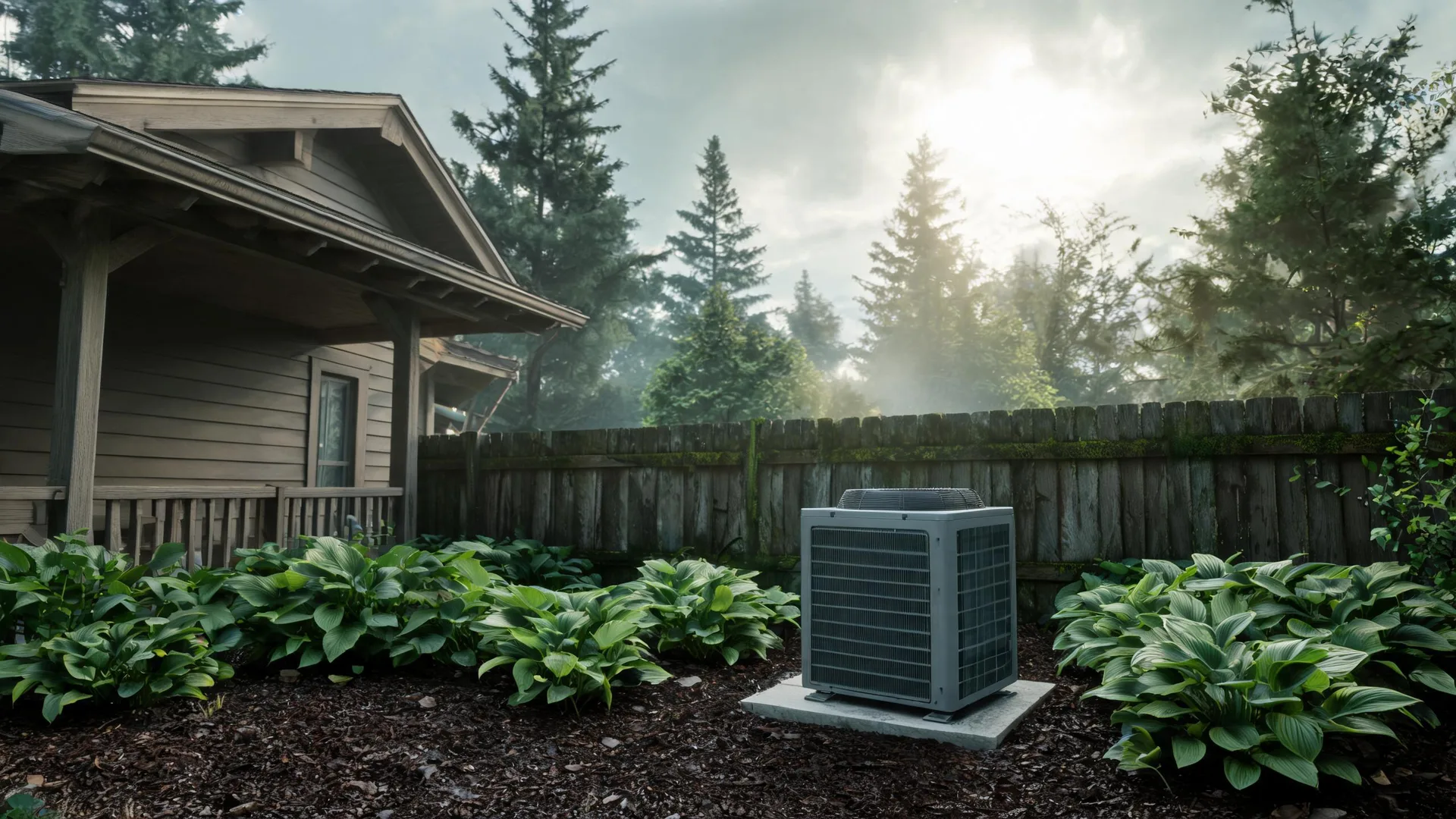
This outdoor unit sits outside year round, through the sticky stretch of summer and the cold months after it. Comanche County has logged 148 damaging wind events and 185 hail events between 2015 and 2024, and the unit takes all of that in the open, with no wall or roof over it. A cabinet that holds up to hail and a compressor built for long runtime matter more here than a fraction of a point on the efficiency rating. Ask what the equipment is rated to take before you ask what it costs, and make sure whoever sizes it is sizing for this house, not a generic one.
A heat pump installation is a chance to decide where the outdoor unit sits and what backs up heat and hot water when the power goes out. Ask the contractor about placement away from flying debris, a pad or mount that keeps the unit secure, and what options exist for backup power. Get that settled at install, not after a storm already found the gap.
Find a contractorHeat pumps here run heat from November through April, then cooling from May through September. That's most of the year on one machine. Replacing it in October or April, right before the load shifts, means it goes in on a day you pick, not a day a breaker panel picks for you. Wait until a cold snap forces the issue and you're choosing from whatever's available, installed fast, maybe during one of the outages this county already sees a lot of. Overnight lows average 31°F across December, January and February, which is exactly when you don't want to be without heat while someone sorts out a replacement.
A heat pump has to be matched to the square footage, the ductwork it ties into, and how the house holds heat in winter and keeps it out in summer. A contractor has to run a load calculation, not just swap in whatever size sat there before. Undersized equipment runs constantly and still falls short on the coldest and hottest days. Oversized equipment cycles on and off too fast and never runs long enough to dehumidify a home properly. Getting the size right is what makes the rest of the install worth paying for.
The outdoor unit and indoor coil are only part of the job. A contractor has to set the refrigerant lines, check the ductwork can handle the airflow a heat pump needs, wire in the new electrical disconnect, and commission the system so it runs at the charge and airflow it was built for. Old ductwork that leaks or was sized for a different system can need work before the new equipment will perform the way it's rated to. None of that shows up on a spec sheet, but skipping it costs more later in breakdowns and bad runtime.
The old equipment doesn't just get unhooked and hauled off. A contractor has to recover the refrigerant from the lines before anything comes apart, since it can't legally be vented into the air. The outdoor unit, the indoor coil, and the old line set all come out, and if the new system uses a different refrigerant, the old lines usually can't be reused. The electrical whip and disconnect get checked too, since a heat pump draws differently than the straight electric heat or furnace it might be replacing. Whoever hauls off the old unit should be disposing of it properly, not leaving it on the curb, since the oils and refrigerant residue inside make it different from a piece of scrap metal.
Zone 3A is the energy code's label for this climate, and it sets the floor for what a contractor can legally install here. Any split-system heat pump manufactured from 2023 onward has to clear 14.3 SEER2 for cooling and 7.5 HSPF2 for heating, nationwide minimums that apply in Lawton the same as anywhere else. Oklahoma falls in the Southeast region for central air conditioners too, which carries its own floor of 14.3 SEER2 under 45,000 Btu/h, a notch above what the rest of the country requires. None of this means you're stuck with the cheapest unit that clears the bar. It means whatever gets quoted has to clear it first, and a contractor should be able to tell you the SEER2 and HSPF2 numbers on the equipment they're proposing, not just the tonnage. A system that meets these minimums may also qualify for a federal tax credit, worth checking before you sign anything.