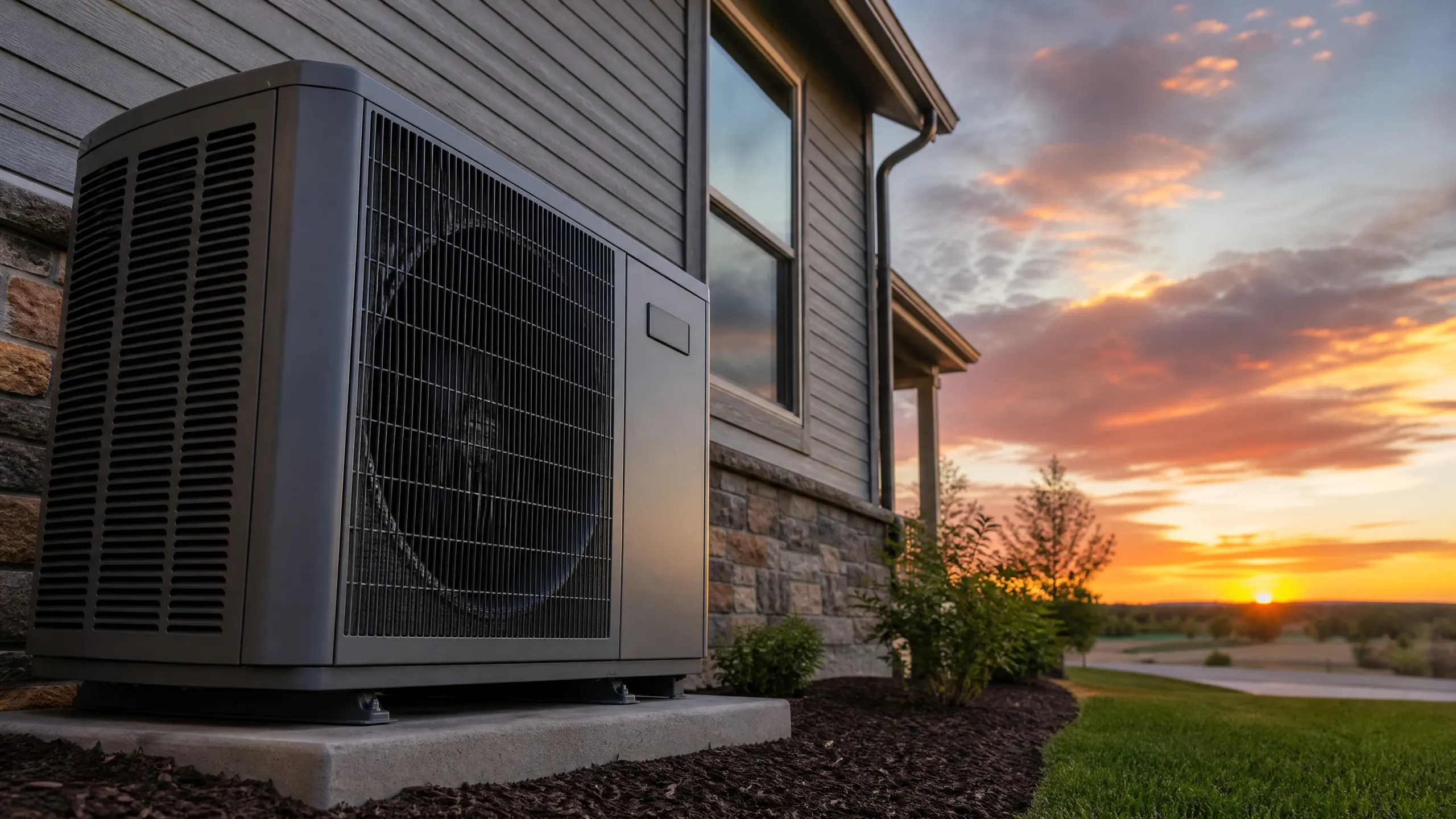







An outdoor air conditioning condenser unit mounted on a concrete pad next to a residential house at sunset.

Heat Pump Installation in Sallisaw, OK

Tell us about the job

Takes about a minute. No obligation.

New system or replacementHeat PumpSequoyah County, OK
Step 1 of 2

What ZIP code is the job in?

Sequoyah County has logged 107 severe weather events between 2015 and 2024, most of them damaging wind or hail. A heat pump's outdoor unit sits through all of it, exposed to hail and flying debris in a way a furnace tucked in a closet never is. Power matters just as much as the weather. A quarter of Oklahoma households went at least a full day without electricity in 2024, and a heat pump runs on electricity for both heat and cooling. There's no gas flame to fall back on when the power drops.

7 months
October through April, your system heats
5 months
May through September, it cools
31°F
the average winter night it heats against
91°F
the average summer afternoon it cools against
Isometric grayscale illustration of a cutaway two-story house showing interior ductwork, an indoor air handler unit, and an outdoor condenser unit on a pad beside the building.
Your system heats October through April and cools May through September.

NOAA nClimDiv, 1991–2020 normals

Heat here runs October through April, so September is the month to get a new heat pump in place.

Install it before the first cold snap and you pick the day. Wait, and a breakdown picks it for you.

At 12.24 cents a kWh, the highest-efficiency model isn't the priority. One that keeps running is.

Power costs 12.24 cents a kWh statewide
Climate zone 3A
Cooling runs May through September
Most of Sequoyah County already runs on electric heat64.4% of homes here heat with electricity, more than any other fuel.

Sizing a heat pump isn't about matching tonnage to square footage. A contractor works out a load calculation that accounts for windows, insulation, how the house sits relative to the sun, and how many people live there. Houses the same size can still need different sized units. Get it too big and the compressor short cycles, blasting the house to temperature and shutting off before it ever runs long enough to pull moisture out of the air, so the place feels clammy even though it's cool. Get it too small and it runs constantly, struggling to keep up on the coldest or hottest days and never quite reaching the thermostat setting. Either mistake wears the equipment harder than running it right would, and neither one shows up on the spec sheet, only in how the house actually feels once it's running.

Plan for the storm and the outage, not just the install

Where the installer sets the outdoor unit and how they anchor it is worth deciding now, not after a storm. Ask about surge protection too, since that unit runs both your heat and your air conditioning. And talk through what happens to heat and hot water if the power goes out, before you need the answer.

Find a contractor
A man in a dark long-sleeve shirt and brown work pants, seen from behind, carries a worn canvas tool bag as he steps up porch stairs toward a navy blue front door of a light gray clapboard house, with a potted shrub beside the entry.
A gray outdoor HVAC unit mounted on a concrete pad beside a house with gray lap siding and a stone foundation.

This unit doesn't get an off season

A heat pump works for the heating load and the cooling load, so there's no season where it sits idle. The compressor runs most months of the year. That changes what installation quality is worth to you. A correctly set refrigerant charge and properly sized ductwork mean the compressor isn't straining from the first day. Get the sizing wrong and the unit pays for it every month it runs, not just once. Too big and it short cycles, turning on and off instead of settling into a steady run. Too small and it runs flat out and still falls behind on the coldest days. Either way the wear adds up faster, and a unit that runs this many months a year doesn't get much chance to recover from it.

The old system doesn't just disappear

Taking out a furnace or straight AC and putting in a heat pump means the installer has to deal with what's already there. A gas furnace gets disconnected from the gas line, and that line needs to be capped off correctly, not just left in place. An old outdoor condenser gets disconnected from its electrical circuit and hauled off. None of this is optional work tacked onto the install. It has to happen before the new equipment goes in.
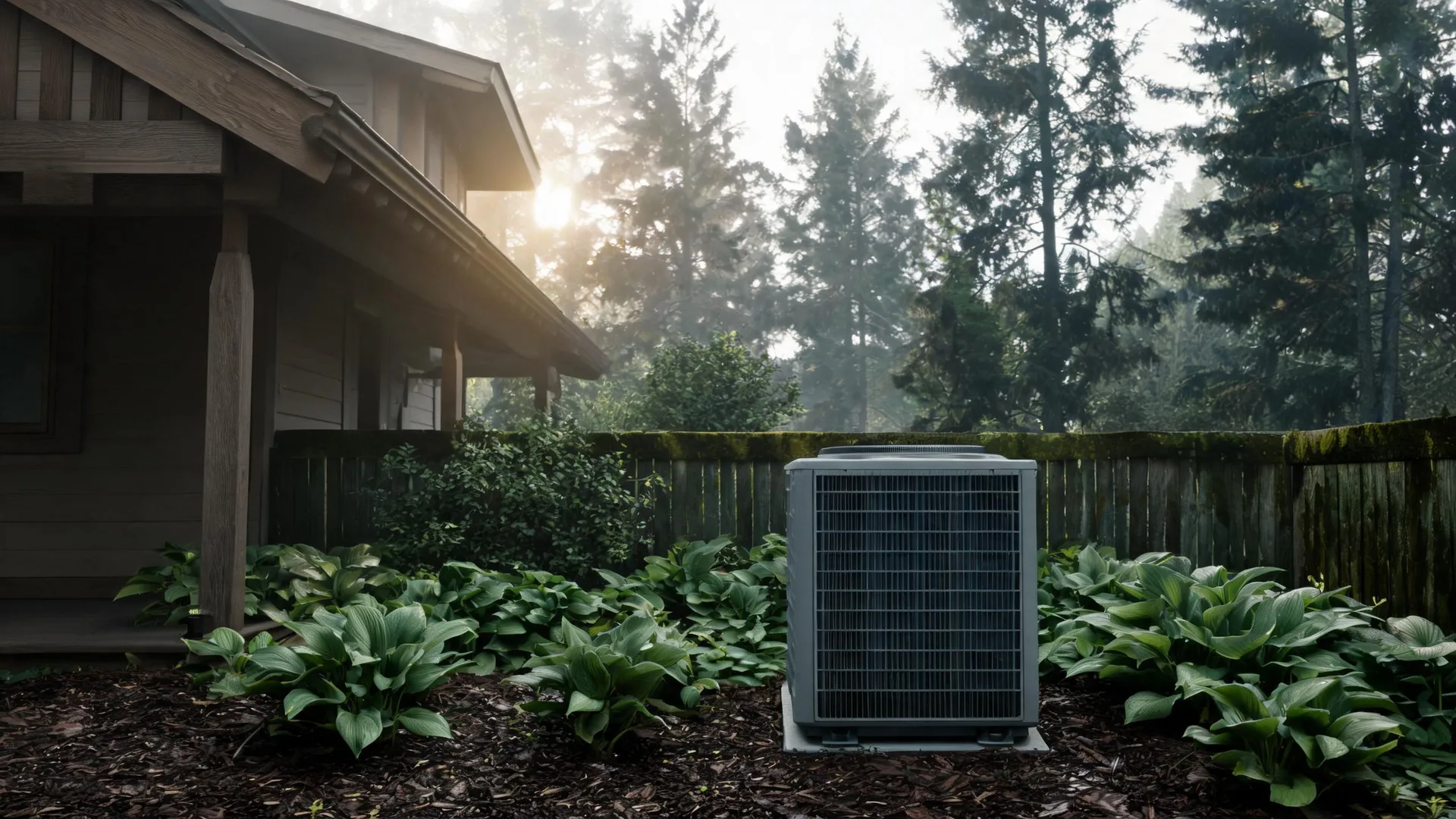
The ductwork and electrical rarely transfer as is

A heat pump moves a different volume of air than a straight AC and pulls power in a way a gas furnace never did. Existing ducts sized for the old system may not move enough air for the new one, and the electrical panel may not have a dedicated circuit rated for a heat pump's draw. Checking both before swapping equipment matters more than the equipment itself, because a heat pump fighting undersized ducts or a weak circuit never runs the way it's supposed to.

Comparing heat pumps mostly comes down to questions the brochure won't answer. Ask what the sound rating is at low and high stage, since the outdoor unit sits right outside a window or patio and runs most of the year. Ask what the manufacturer's warranty actually covers, parts versus labor, and whether it transfers if the house sells. Ask how the contractor arrived at the size they're quoting. A proper load calculation looks at the house itself, not just the square footage, and contractors who measure the rooms the same way should land on close numbers. If one quote is a lot bigger or smaller than the others, ask why. Ask about the backup heat source too, since a heat pump's capacity drops as the outdoor temperature drops, and something has to pick up the difference on the coldest days.

Installation day starts before the new equipment ever shows up. The crew recovers the refrigerant from the old system first, since it can't just be vented into the air. Then the old outdoor unit and indoor coil come out, and the line set gets inspected or swapped for new. Setting the outdoor unit on a proper pad and getting it level matters more than it sounds. A unit that sits crooked wears its compressor mounts unevenly over time. Once the new equipment is connected, the technician weighs in refrigerant to the manufacturer's spec rather than topping it off until the pressures look right. The last step is running the system in both heating and cooling mode and checking that the airflow and temperature split match what the equipment is supposed to deliver.