







An outdoor air conditioning condenser unit mounted on a concrete pad next to a residential house at sunset.

Heat Pump Installation in Newcastle, OK

Tell us about the job

Takes about a minute. No obligation.

New system or replacementHeat PumpMcClain County, OK
Step 1 of 2

What ZIP code is the job in?

McClain County recorded 181 severe weather events between 2015 and 2024, including hail, high wind and tornadoes. The outdoor unit of a heat pump sits outside through all of it, so where a contractor places it matters. Good clearance from fences and siding helps it run right, and some spots take less of a beating from hail and blowing debris than others. Power matters too. A quarter of Oklahoma households went at least a day without power in 2024, and a heat pump needs power to heat the house, not just cool it. Worth asking about backup options before an outage, not during one.

6 months
November through April, your system heats
5 months
May through September, it cools
30°F
the average winter night it heats against
92°F
the average summer afternoon it cools against
Isometric line illustration of a cutaway single-story house showing interior rooms with furniture and ceiling ductwork, connected to an outdoor condenser unit on the ground outside the left wall.
Your system heats November through April and cools May through September.

NOAA nClimDiv, 1991–2020 normals

Electricity heats 42.8% of homes in McClain County, more than gas or propane.

A heat pump fits the wiring most houses here already have.

Newcastle gets six months of heat and five of cooling, so October is when to put this in

Cooling runs May through September
Heat runs November through April
90 hail events from 2015 to 2024
Power here is cheap, so pick for the outagesOklahoma electricity ran 12.24 cents per kilowatthour in 2024, among the lowest rates around

Ask the contractor where they plan to mount the outdoor unit before they start. A spot against a fence line or under an eave catches more hail and wind-blown debris than open ground a few feet clear of structures. Ductwork and a slab are already decided by the house, but placement of the outdoor unit is not, and it's worth walking the yard with the installer to pick it. Same goes for backup power. If a generator hookup or battery backup is something you want, that's a conversation for the install, not for the day the power goes out and the house is cooling instead of heating.

This heat pump has to take a beating every year. Size it for that.

McClain County saw 90 hail events between 2015 and 2024. That outdoor unit sits outside through all of it, year after year. A heat pump sized right for this house, installed by someone who knows how to place it, holds up better than one picked without that in mind.

Find a contractor
A man in a dark shirt and work boots carries a canvas tool bag filled with tools up wooden porch steps toward a navy blue front door of a shingled house, with a potted shrub to the right.
A white mini-split heat pump outdoor unit mounted on a concrete pad beside a gray-sided house, surrounded by gravel and green shrubs.

The size on the nameplate decides how this unit cycles for the rest of its life

A heat pump that's too big for the house cools it fast, shuts off, then kicks back on a few minutes later. It never runs long enough to pull moisture out of the air, so the house feels clammy even at the right temperature on the thermostat. One that's too small runs flat out and still can't keep up on the coldest or hottest days, so the backup heat strip carries more of the load than it should. Either way the compressor is cycling short or straining instead of running the long, steady stretch it's built for. Getting the size right isn't a guess, and it isn't just the square footage of the house either. A contractor works out a load calculation that accounts for the windows, the insulation, the ceiling height, which walls face the sun, and how much air leaks in and out. Houses that look about the same from the outside can need different sized systems. Skip that step and the unit that goes in gets picked off a rule of thumb, not off your house, and that shows up later in how long it lasts and how evenly it heats and cools every room.

Ask for the load calculation, not just a quote

Any contractor can give you a price off the square footage. Ask to see the actual room-by-room load calculation before you sign anything. If they can't produce one or say it isn't necessary, that's a system being sized by guesswork, and you're the one who lives with a unit that short cycles or can't keep up.
Ask what happens below freezing

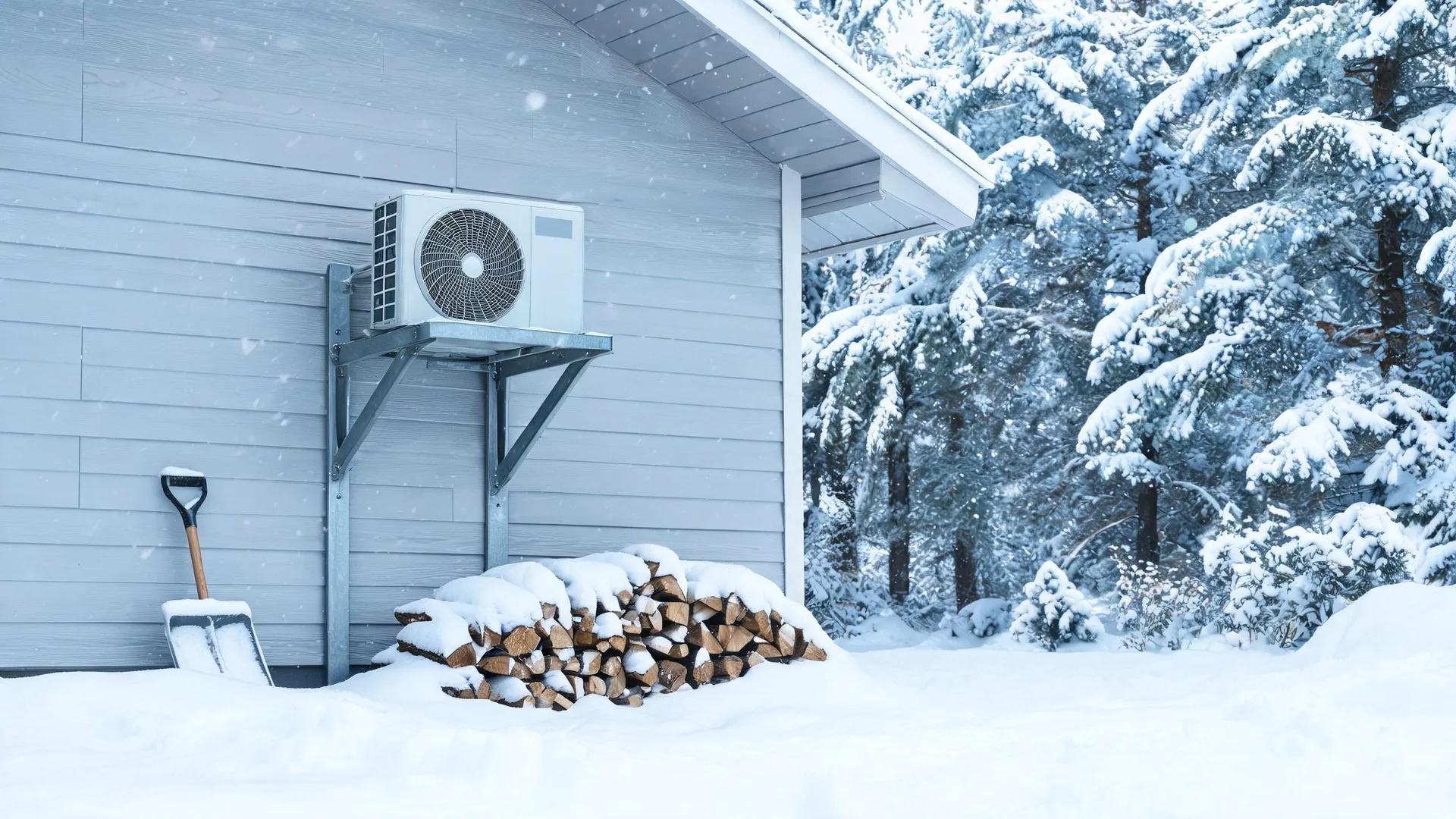
A heat pump pulls heat from outside air, and it works harder to do that as the temperature drops. Every system has a point where it needs help from backup heat strips or a furnace to keep the house warm. Ask where that point is for the equipment they're proposing, and ask how the system decides when to bring the backup on.

The old system doesn't just get hauled off. If it's a straight swap, the install crew disconnects the refrigerant lines, caps the gas line if there was a furnace involved, and the electrician handles the circuit. Refrigerant in the old unit has to be recovered, not vented, so a licensed tech draws it out before anything gets disconnected. If there's ductwork involved, that gets inspected too, since a new heat pump moves air differently than whatever heated the house before. None of this is a reason to delay replacing a unit that's struggling. It's just the sequence a contractor follows so the new system starts clean instead of inheriting old problems.

Install day starts with the old equipment coming out and ends with the new one running a full cycle while someone checks it over. In between, a crew runs new line sets between the outdoor unit and the air handler, pulls a vacuum on the lines to clear out moisture and air, then charges the system with refrigerant to the amount the manufacturer specifies. That vacuum step matters more than it looks. Any moisture left in the lines turns to acid once the system runs, and that eats away at the compressor from the inside over years. Once it's charged, a tech checks the refrigerant pressure, tests the thermostat and backup heat, and walks the system through both heating and cooling before calling it done. A heat pump that's wired right and charged right should hold a steady temperature within a few minutes of being switched on, not hunt around for it.