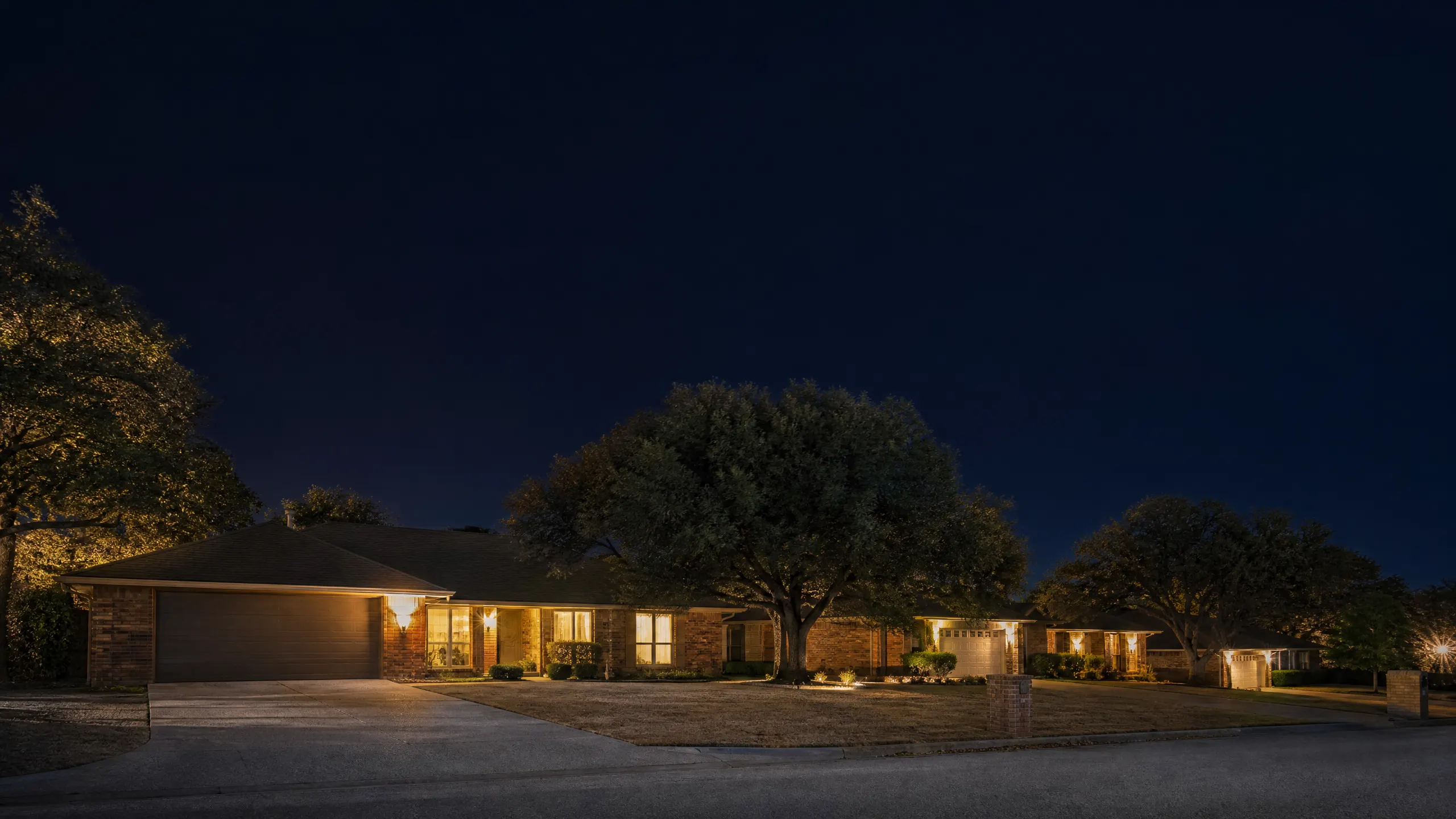






A single-story brick ranch house at night, lit by exterior lights that illuminate the facade, driveway, and several large mature trees in the front yard.

Heat Pump Installation in Ponca City, OK

Tell us about the job

Takes about a minute. No obligation.

New system or replacementHeat PumpKay County, OK
Step 1 of 2

What ZIP code is the job in?

Electricity in Oklahoma ran 12.24 cents per kilowatthour in 2024, cheaper than what most of the country pays. That changes how to think about a heat pump here. The highest-efficiency models cost more up front and take longer to earn that back when power is already cheap. What matters more in Ponca City is whether the system holds up when the weather turns hard and whether it's sized right for your house. A unit that keeps running through an ice storm and heats the place evenly is worth more here than a few extra points of efficiency on the label.

7 months
October through April, your system heats
5 months
May through September, it cools
26°F
the average winter night it heats against
91°F
the average summer afternoon it cools against
Isometric line illustration of a cutaway single-story building showing interior rooms, ceiling ductwork, an indoor air handler, and an outdoor condenser unit connected by refrigerant lines.
Your system heats October through April and cools May through September.

NOAA nClimDiv, 1991–2020 normals

Gas heats 70.5% of homes in Kay County, more than any other fuel.

If gas already runs your furnace, a heat pump works alongside it and gives you a second way to heat the house when the power is out.

Half the homes in Kay County were built in 1964 or earlier, and a heat pump going in now has to fit that house

Half the homes here were built by 1964
88 hail events from 2015 to 2024
Power costs 12.24 cents a kWh statewide

April is the month to get a heat pump in before cooling starts in May. Wait until the first hot week and you're booked behind everyone else who waited too, with the old system struggling in the meantime. September works the same way, ahead of seven months of heat from October through April. A system going in then has the whole winter to prove itself before it really matters. Either way the idea is the same. Get the unit in, get it set up right, and run it a few weeks before it has to carry the house through weather that doesn't wait.

A new heat pump here starts at 14.3 SEER2, by law

Any heat pump installed here now has to meet 14.3 SEER2 and 7.5 HSPF2 at minimum, the federal rule for this region since January 2023. That floor is already built into what contractors are quoting, so the comparing comes down to the unit itself, not whether it clears the bar. A federal tax credit applies to qualifying equipment too. Worth asking what the new system qualifies for before you settle on one.

Find a contractor
A man in a navy T-shirt, tan work pants and cap, seen from behind, carries a worn canvas tool bag up wooden porch steps toward a dark blue front door.
A gray air-source heat pump mounted on a concrete pad next to a house with gray vinyl siding, surrounded by gravel and flanked by green shrubs and white hydrangea flowers.

The outdoor unit takes the weather here, every season

Kay County has had 88 hail events between 2015 and 2024. That's the outdoor unit taking those hits, out in the open, while it's also doing the work of heating the house all winter and cooling it all summer. There's no season where it gets to just sit. A system sized right for your house and built to take a hit holds up against that better than one that's undersized or thin in the housing. That outdoor unit is the part exposed to all of it, so what it's made of and how well it fits your home matters here more than it would somewhere calmer.

The rating is measured over a season, not a moment

SEER2 and HSPF2 come from testing the unit across a whole range of conditions, mild days and hard ones averaged together. The number on the label is not what the unit does on the one brutal afternoon or the one cold snap. Systems with the same rating can still behave differently when the weather turns hard, because the rating describes the average, not the worst day.
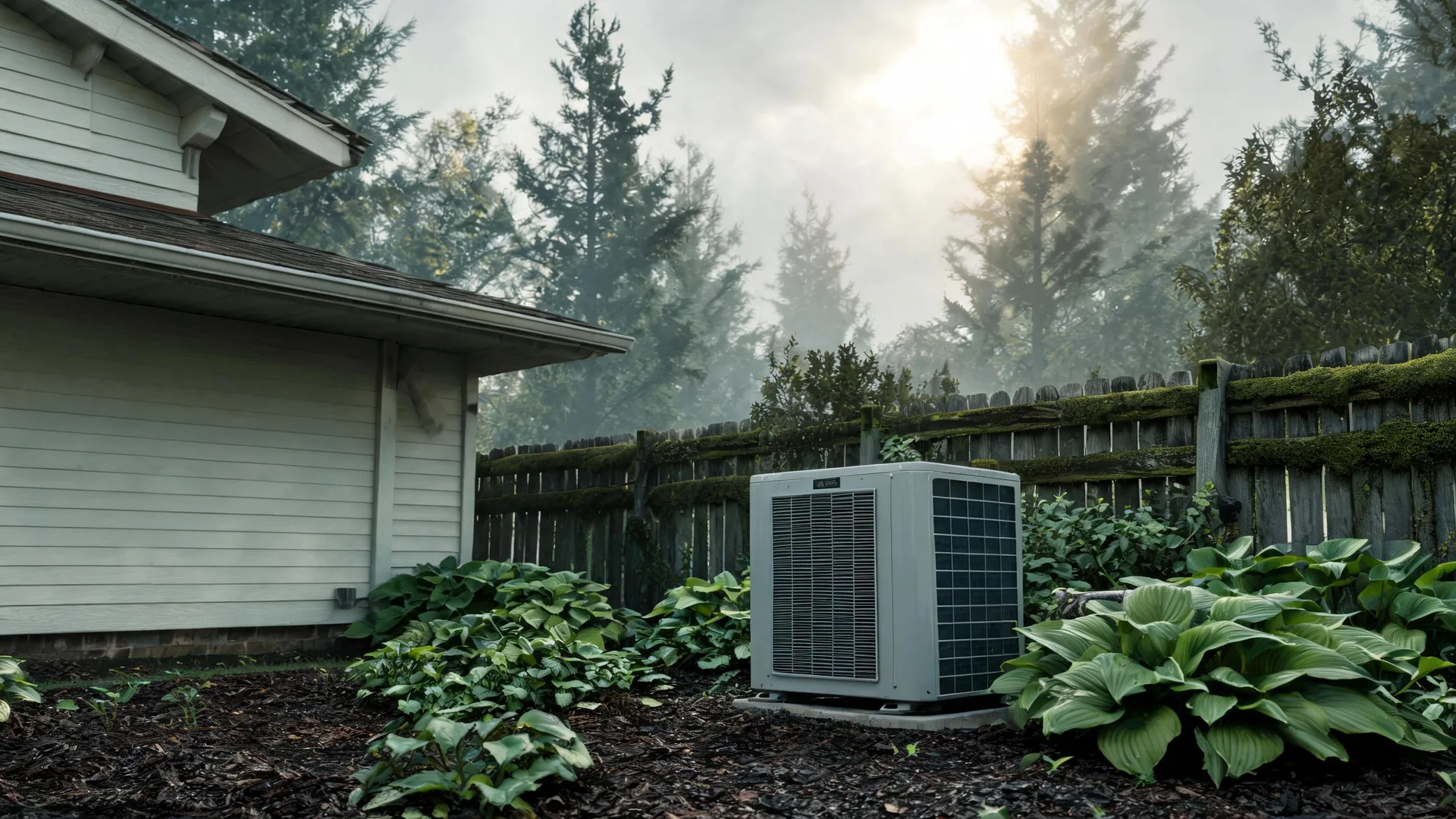
A higher number only pays off if the rest of the job is right

The rating belongs to the equipment, not to the installed system. A heat pump matched to the wrong size house, hooked to ductwork that leaks, or set up with a bad refrigerant charge will not deliver the efficiency printed on its label. The number is a ceiling for what the unit can do, not a promise of what it will do once it is installed.

When you're comparing quotes, ask what size unit they're proposing and how they got that number. It should come from a load calculation done room by room, not a quick guess based on the old system or square footage alone. Ask what happens at the lowest temperatures the system will see. Every heat pump loses capacity as it gets colder outside, and at some point backup heat has to take over. Find out what that backup is, how it's controlled, and at what temperature it kicks in. Ask about the ductwork too. A heat pump moves a different volume of air than a furnace, and ducts sized for one may not suit the other. If the installer hasn't asked about your ducts, your house, or the coldest days, they haven't done the job yet.

Installation day starts before anyone touches the old equipment. The crew checks the ductwork, the electrical panel, and the spot where the outdoor unit will sit, confirming what was planned actually fits. The old system comes out, refrigerant lines and electrical connections disconnected and the indoor and outdoor units removed. Lines get replaced or cleaned, because old refrigerant and debris left behind will wreck a new compressor. New lines run, the indoor coil goes in, the outdoor unit gets set on a pad, and everything gets connected, wired, and charged with refrigerant to the manufacturer's spec. Before the crew leaves, the system should run through a full cycle, heating and cooling both, with airflow and temperatures checked at the vents. That test run matters as much as anything done earlier in the day.