This county sees its share of storms
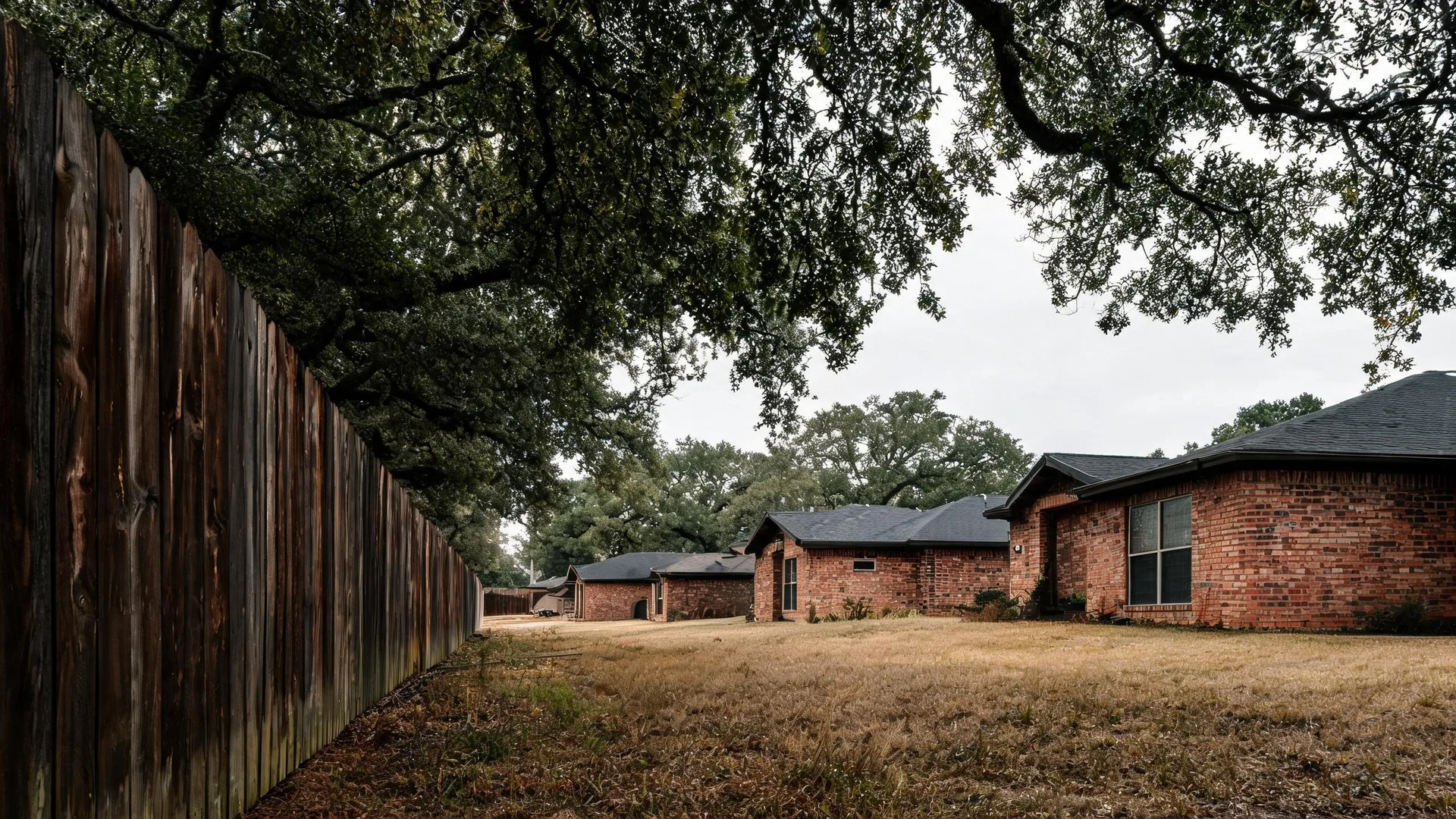
Osage County recorded 198 severe weather events between 2015 and 2024. That included 97 damaging wind events, 68 hail events, and 21 tornadoes.
Takes about a minute. No obligation.
Osage County recorded 198 severe weather events between 2015 and 2024. That included 97 damaging wind events, 68 hail events, and 21 tornadoes.
Hail dents a cabinet and bends fins. Wind drives branches and debris into the unit. A furnace that spends another winter running on a cabinet full of dents or a coil packed with debris is working harder than it should.
A tune-up that takes fifteen minutes only checked the thermostat and called it done.
A real one pulls the burner assembly, checks flame sensor and igniter, and tests the heat exchanger for cracks.



Heat comes on in October here and stays on through April. That's seven months of runtime, the biggest load the furnace carries all year. September is the month to get it checked, before the first cold morning asks the igniter and burner to work. Wait until October and you're booking the check at the same time the furnace is already running hard, which is the wrong order. A furnace that starts the season clean has a better chance of making it through December and January nights when the overnight low here averages 27°F.
A quarter of Oklahoma households went at least a day without power in 2024. When that happens here, the furnace stops with it until the power does come back. A pre-season check won't stop a storm, but it confirms the furnace is working right before one hits, and that the outdoor parts came through the last round of hail and wind without damage you haven't seen yet.
Find a contractorChange the filter on a regular schedule while the furnace is running. Hold the old one up to a light. If light doesn't pass through, it needs to be swapped. A clogged filter starves the burner of airflow and makes the heat exchanger run hotter than it should. Keep the area around the furnace clear, nothing stacked against the cabinet, nothing blocking the return air grille. Listen for anything new: a bang at startup, a screech, a rattle that wasn't there before. Those are worth a call before they turn into a bigger repair. Check that the vent pipe outside hasn't been blocked by debris or a nest, since that pipe is how exhaust gets out of the house. Don't open the burner compartment or touch the flame sensor and igniter. Those take a trained hand. If the thermostat runs on batteries, fresh ones before the months it works hardest are worth the five minutes. Past this list, the gas valve, the heat exchanger and the pressure switch are jobs for someone who does this for a living.
A furnace rarely quits without some notice. The burner flame turns yellow or orange instead of blue. Short cycles start, where it fires up and shuts off before the house warms. The blower runs long after the burner stops. Rooms that used to heat evenly start running cold at the far end of the house. Each of these points to something specific wearing out, and each one gets harder to fix the longer it runs that way.
A burner that won't stay lit, a breaker that trips every time the furnace kicks on, or a smell of gas near the cabinet are not maintenance items. Soot around the burner door or a yellow flame can mean the gas isn't burning clean, and that's worth a same-day call rather than a spot on next month's schedule. Everything short of that is exactly what a seasonal check is for.
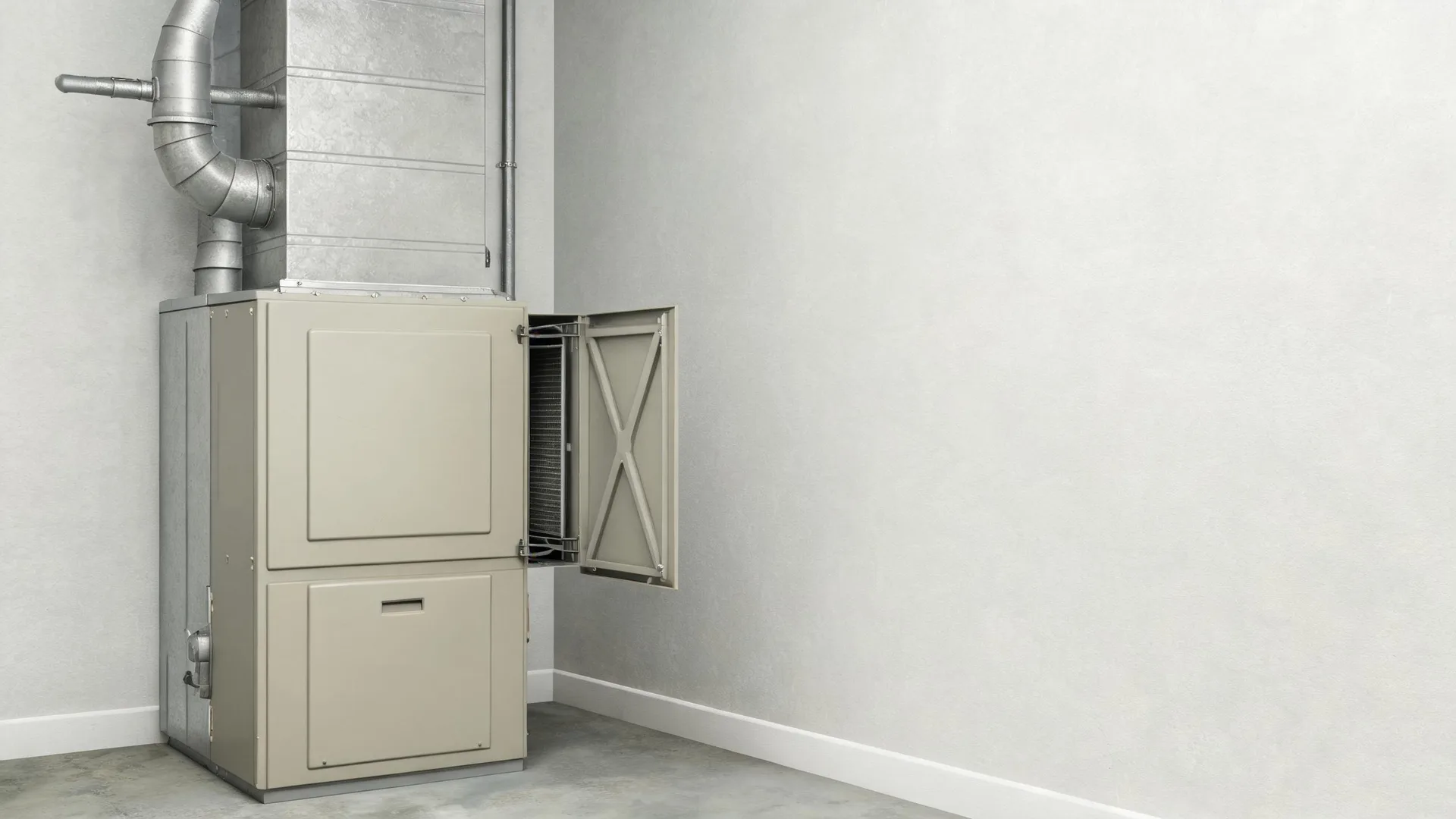
A furnace that never gets opened up keeps running, right up until the part that was already failing finally gives out. Dust builds on the burners and changes how the flame sits, so combustion gets less complete year over year without any sign you'd notice from the next room. The flame sensor collects a film from normal combustion and has to be cleaned periodically, or it stops sensing the flame and shuts the furnace down as a safety response. A blower wheel caked with dust moves less air for the same effort, so the motor runs longer and hotter to heat the same house. None of this announces itself early. It shows up as a winter breakdown that traces back to a part that needed attention months before anyone called.
A full tune-up follows a set order, not a quick look. The tech pulls the burner assembly out to inspect each burner for rust or pitting, since a damaged burner changes how the flame sits and how clean it burns. The heat exchanger gets checked for cracks, because a cracked exchanger can let combustion gas mix with the air the blower pushes through the house. The flame sensor gets cleaned of the film that normal combustion leaves on it. The igniter gets checked for cracks or weak spots, since igniters wear out with every cycle and eventually stop glowing hot enough to light the gas. The pressure switch and gas valve get tested to confirm they're reading and responding correctly. The blower wheel and motor get inspected, and the blower gets cleaned if dust has built up on the fins. Vent and intake pipes get checked for blockage, since that's how exhaust leaves the house and how fresh air for combustion gets in. Amp draw on the motor gets measured against what it should pull, which catches a motor that's starting to strain before it fails outright.