Weather here takes a toll
McIntosh County recorded 123 severe weather events between 2015 and 2024, including 56 damaging wind events and 50 hail storms. That is a lot of chances for an outdoor unit to take a hit.
Takes about a minute. No obligation.
McIntosh County recorded 123 severe weather events between 2015 and 2024, including 56 damaging wind events and 50 hail storms. That is a lot of chances for an outdoor unit to take a hit.
Hail dents a cabinet and wind drives debris into it. A furnace that gets a once-over before storm season turns up those problems while they're still small enough to fix.
Furnace here runs about six months a year, November through April.
Six months of runtime a year is a light enough load that a yearly check can keep a furnace going a long time.


October is the month to get a furnace looked at here. Heat starts running in November, and once it starts it runs through a stretch of real cold, with overnight lows averaging 31°F across December, January and February. A furnace with a cracked heat exchanger or a weak igniter will not show it on a mild October afternoon. It shows it on the first hard night in November, when the house needs the heat and has no patience for a furnace that will not start. Checking it in October catches that problem while there is still time to fix it before the cold sets in.
A quarter of Oklahoma households went at least a day without power in 2024. When that happens in the middle of winter here, a furnace that was already struggling is the one that won't come back on. Get it looked at before storm season, while the fix is still simple.
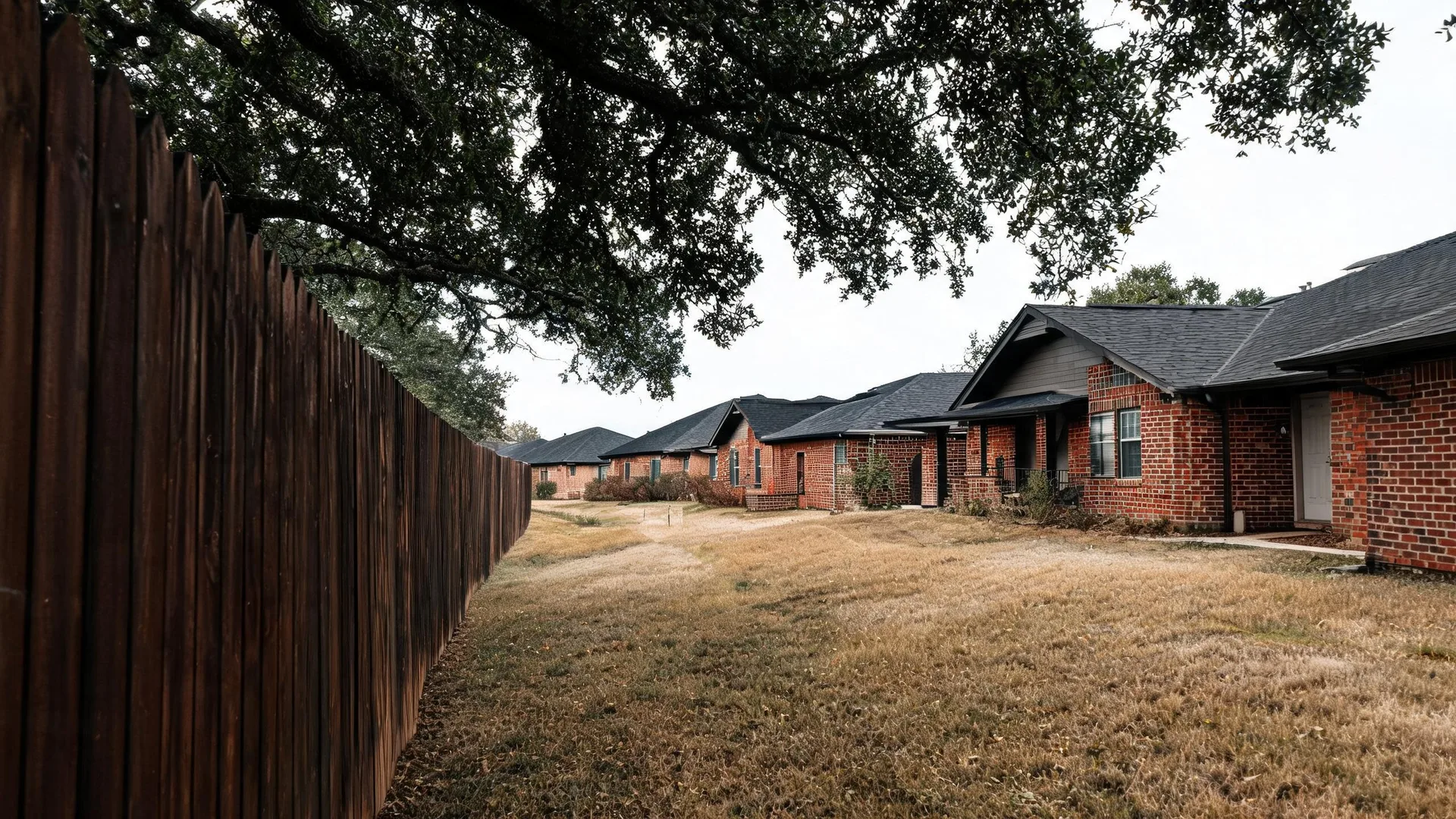
Find a contractorHalf the homes in McIntosh County were built in 1983 or earlier. A furnace that old has usually been swapped out at least once, but the ductwork and wiring it connects to often date back to the house itself. A yearly check gives a contractor a chance to look at those connections too, not just the furnace, before a cold night finds the weak point.
A furnace rarely fails without warning. It bangs or rattles on startup. The flame looks yellow and uneven instead of steady blue. It short cycles, running a few minutes and shutting off before the house warms up. The blower runs but the air coming out feels cool. Any of these means a part is already struggling, even though the furnace is still technically working.
A cracked heat exchanger, a failing igniter, a clogged flue, these all start as minor faults that get worse with every cycle. Left alone, a weak igniter burns out completely. A dirty flame sensor causes the furnace to shut itself off as a safety measure, leaving the house with no heat at all. A check before any of that happens means a technician can clean a sensor or adjust a flame instead of replacing a part that failed outright.
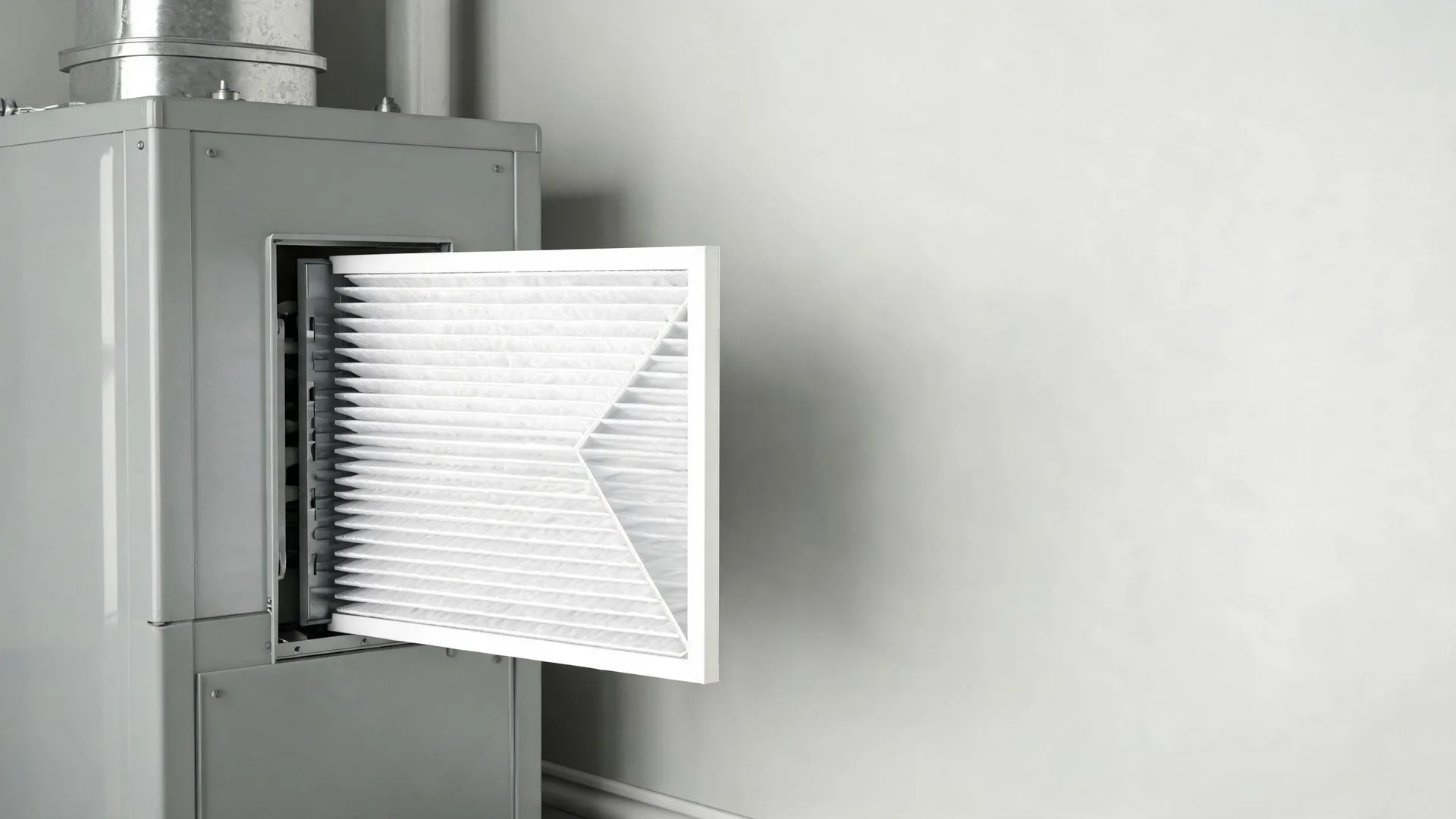
Between visits, the filter is the one job that's really on you. A dirty filter chokes airflow, and a furnace starved for air runs hotter than it should and shuts off before it means to. Check it monthly during the months it runs, and swap it when it looks gray instead of white. Keep the area around the furnace clear too. Boxes or stacked bins too close to the cabinet block the air it needs to breathe. If you have a standing pilot, you can check that the flame is steady and blue, not yellow or flickering. Beyond that, leave the inside alone. Anything past the filter and the switch is a job for a technician.
If your furnace sits in a home built decades ago, a yearly check is worth scheduling before winter, not after something quits. Mobile homes make up a third of the housing here, and a furnace in one often sits closer to exterior walls and ductwork with less room to work with, so a technician checking the unit can also flag a connection or a run of duct that's wearing thin. In a stick-built home from the same era, the wiring and ductwork have usually sat untouched since the furnace itself was last replaced. Either way, the furnace won't tell you the wiring behind it is failing. A yearly visit is when that gets caught.