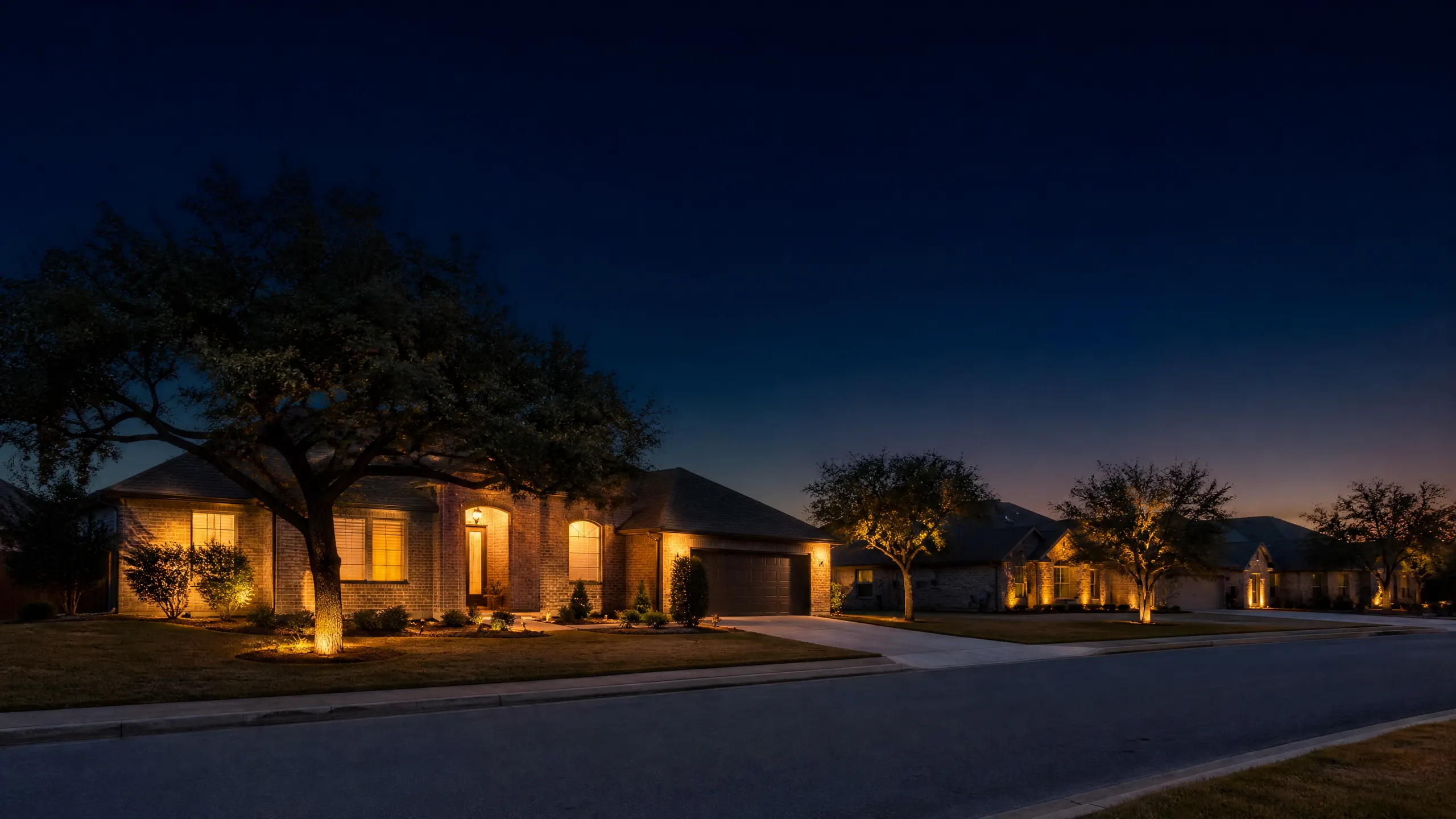
A brick single-story house with warm landscape and window lighting photographed at dusk on a residential street lined with mature trees.

Furnace Maintenance in Woodward, OK

Tell us about the job

Takes about a minute. No obligation.

Tune-up, service, or cleaningFurnace or heatingWoodward County, OK
Step 1 of 2

What ZIP code is the job in?

Weather here takes a toll

Woodward County logged 225 severe weather events between 2015 and 2024, including 144 damaging wind events, 61 hail events, and 4 tornadoes. That's a lot of chances for an outdoor unit to take a hit or collect debris it shouldn't have.


Power doesn't always hold

A quarter of Oklahoma households went at least 24 hours without power in 2024. A furnace with electronic ignition or a blower motor needs that power to run, so an outage during a cold snap is a real problem, not a minor inconvenience.

A furnace that never gets looked at will still run, right up until the day it doesn't.

A skipped tune-up hides the cracked heat exchanger or the weak igniter until the night you need the furnace most.

Almost half of Woodward County heats with gas

47.4% of homes heat with gas
Climate zone 4A
Heat runs October through April

Heat goes on in October here and keeps running through April. That's seven straight months of the furnace carrying the house. Book the tune-up in September, before the first cold night asks the igniter and the heat exchanger to work. A tech can catch a cracked exchanger or a weak igniter while the furnace is still sitting idle, not after it's been firing every night for weeks. Overnight lows average 25°F in December and January, so this isn't a furnace that gets to ease into the season. Once October hits, it needs to just work.

Have the outdoor unit checked before storm season gets to it

A furnace tune-up covers more than the burners and the heat exchanger. A tech can also check the outdoor unit for hail dents, loose panels and debris that doesn't belong there. Getting that done before the next round of wind or hail means one less thing to worry about once the cold sets in.

Find a contractor
A gray high-efficiency gas furnace installed in an unfinished basement, surrounded by gas lines, a condensate drain, and sheet-metal ductwork.

The furnace usually hints before it quits

A furnace usually tells you something is off before it quits outright. It might take two or three tries to light instead of catching right away. The blower might run longer than it used to, or kick on and off more than it should. Some furnaces start smelling faintly of dust each time they fire, which is normal for the first few minutes of the season but not if it lingers. A burner flame that should burn blue and steady but instead flickers yellow or orange is worth a look, since that can point to a combustion problem rather than just a dirty burner. Rooms that used to heat evenly but now run cold in one corner can mean the blower or ductwork isn't moving air the way it used to. None of these mean the furnace is about to fail. They mean it's due for someone to open it up and look before the small thing becomes the reason it stops.

Change the filter

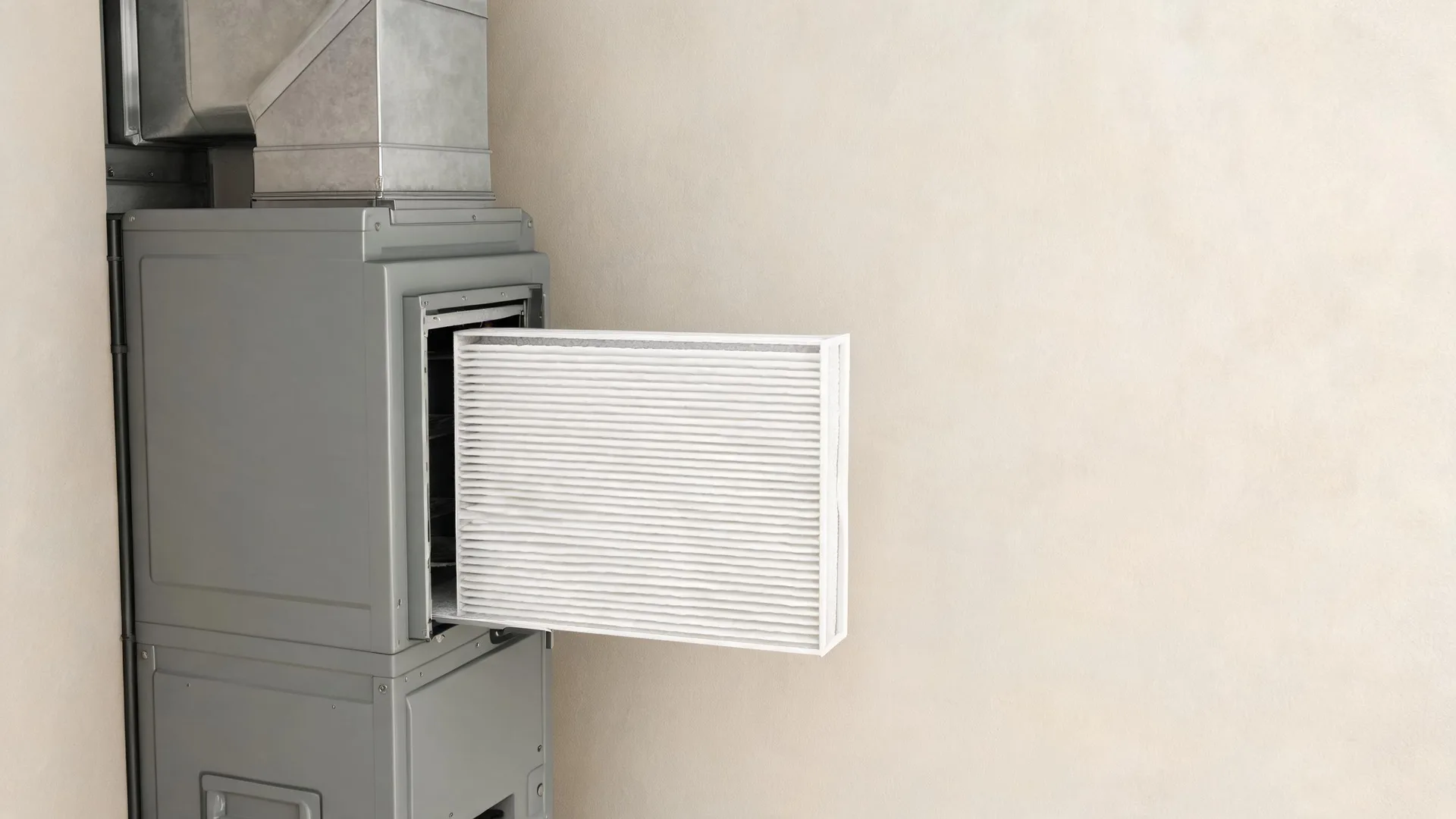
A dirty filter chokes airflow across the heat exchanger, and that makes the furnace run longer to do the same job. Check it every month during the heating months and swap it when it looks gray or clogged. This is the one job that's really on the homeowner. Everything else inside the cabinet is a job for a tech.

Keep the area around it clear

Don't stack boxes, laundry or anything else against the furnace or in front of the return air grille. It needs open air around it to breathe and to stay cool enough for its own safety switches to work right. If there's a vent hood or exhaust pipe outside, keep leaves and debris away from where it terminates.

A furnace doesn't have coils or a drain. That's the air conditioner's side of the system, and it matters for a different reason: in summer, the same blower and the same ductwork move air across the AC coil, so what fouls one affects the other. The filter is the one part both sides share. A clogged filter starves airflow across the furnace's heat exchanger the same way it starves the AC coil, and a furnace forced to run with restricted airflow works harder and runs hotter than it should. Keep the filter clean and the cabinet clear, and you've covered the part of this system that's actually the furnace's to begin with.

A tune-up starts with the burners. A tech pulls them if needed and cleans off any corrosion or dust so the flame lights even and burns the right color. The heat exchanger gets inspected for cracks or rust spots, since that's the part separating combustion gas from the air moving through the house. The flame sensor gets cleaned, because a coated sensor is one of the most common reasons a furnace shuts down mid-cycle. The igniter gets checked too, since those weaken over time and eventually stop glowing hot enough to light the gas. A tech also checks the blower motor and wheel, looks at the wiring and connections, and tests the gas pressure and the safety switches that are supposed to shut the furnace down if something's wrong. None of this takes long when the furnace is sitting idle. It takes a lot longer, and costs a lot more, when it's found mid-season after something's already failed.