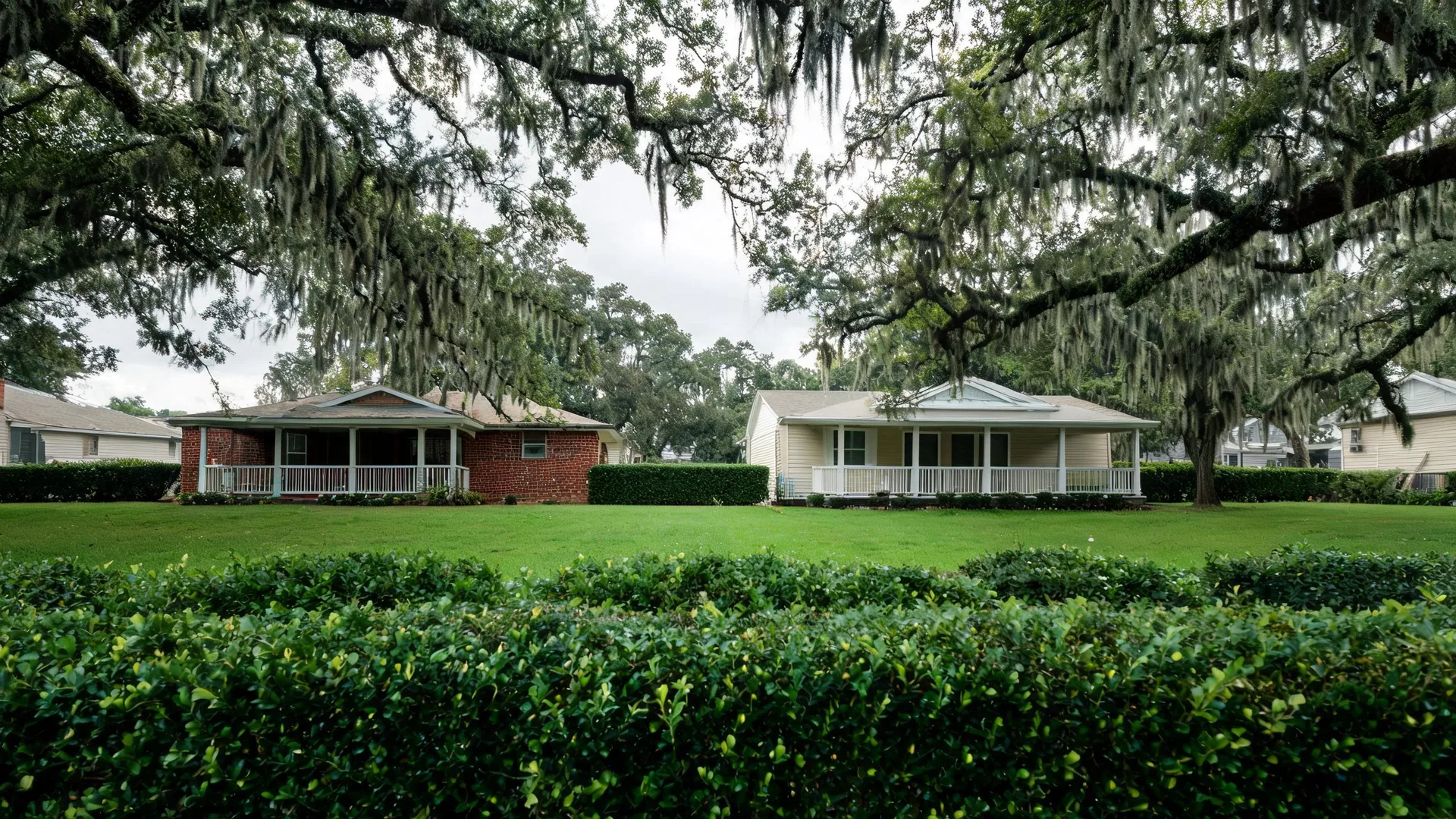




Two single-story houses, one brick and one with pale siding, both with covered porches, sit behind a mowed lawn and a trimmed hedge, framed by large oak branches draped with Spanish moss under an overcast sky.

Furnace Maintenance in Tahlequah, OK

Tell us about the job

Takes about a minute. No obligation.

Tune-up, service, or cleaningFurnace or heatingCherokee County, OK
Step 1 of 2

What ZIP code is the job in?

Cherokee County has recorded 58 damaging wind events and 38 hail events over the past decade. Those hit an outdoor AC unit harder than a furnace, but a furnace runs on the same power that storms knock out, and a quarter of Oklahoma households went at least 24 hours without it last year. A maintenance visit before cold weather sets in is what tells you the igniter, the blower motor and the flame sensor are ready, so you're not finding out otherwise in the middle of a blackout.

Furnaces in Cherokee County start running in October and keep going through April.

Have yours checked in September, before it has to carry seven months of heat.

Seven months of heat, but nights that only ask for 30 degrees

Heat runs October through April
Winter nights average 30°F
Climate zone 3A

Electricity heats 47.2% of homes in Cherokee County, more than any other fuel, with utility gas at 34.5% and propane at 10.3%. If your furnace runs on gas or propane, maintenance means more than swapping the filter. A technician checks the burner for even flame, tests the flame sensor and igniter, and confirms the vent is drawing exhaust out of the house instead of letting it back up. Those checks catch a cracked heat exchanger or a weak draft before either becomes dangerous. An electric furnace skips the gas venting, but it still depends on a blower motor and heating elements that wear down and deserve a look before the cold settles in.

A newer furnace still needs a yearly check to stay that way

Half the homes in Cherokee County were built in 1989 or later. A furnace that age still has plenty of working life in it, and a yearly check is what keeps it that way, catching a worn part before it fails outright.

Find a contractor
A gray residential gas furnace installed in an unfinished basement, connected to sheet-metal ductwork and PVC pipes.

A new filter is not a tune-up

A quick visit gets you a new filter and a glance at the thermostat. A thorough one gets you hands on the furnace itself. The technician pulls the burner assembly and looks at the flame, which should burn steady and blue, not yellow or flickering. They test the flame sensor instead of just wiping it off, check the igniter for a crack or a weak glow, and measure the temperature rise across the heat exchanger to see if it's running where it should. The blower wheel gets pulled and cleaned if it's caked with dust, not just eyeballed through an access panel. Someone who checks the static pressure in the ductwork and tightens the electrical connections at the furnace is doing the job. Someone who's in and out with a new filter under their arm is not.

A furnace usually warns you first

A burner that clicks several times before it lights, a blower that runs louder than it used to, a smell of dust burning off in the first minutes of a cycle. None of these stop the furnace from running that day. They're the sounds of a part working harder than it should, and they're the reason to get it looked at before the part that's struggling is the one that quits.
Short cycling means something is already wrong

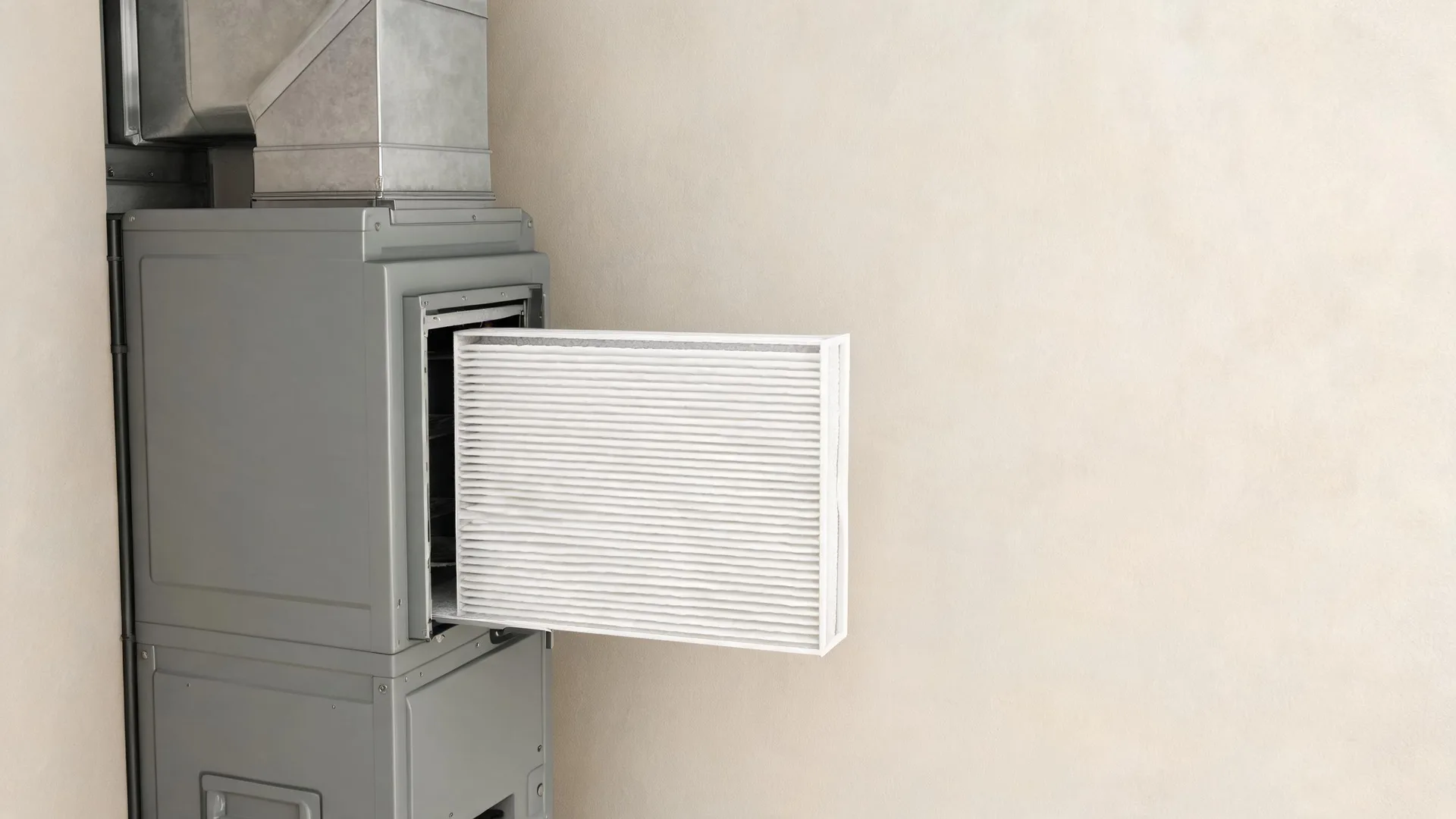
A furnace that shuts off a few minutes after starting, then kicks back on, isn't pacing itself. It's a limit switch telling the system something is overheating, usually airflow that isn't getting through like it should. Left alone, that cycle wears on the heat exchanger. A technician can trace it back to the actual cause instead of leaving it to keep happening.

Skip maintenance long enough and a furnace does not quit all at once. Dust builds up on the blower wheel until it cannot move the air it used to, so the burner keeps firing into a system that cannot keep up. The heat exchanger runs hotter than it should, cycle after cycle, and metal that overheats and cools, overheats and cools, is metal that eventually cracks. A dirty flame sensor stops reading the flame properly, so the gas valve shuts off a few seconds after ignition, over and over, until someone finally calls about a furnace that will not stay lit. None of this shows up as a single clear failure. It shows up as a furnace that runs weaker, shorter and louder each winter, the same wear a yearly check is there to catch before it gets that far.

A tune-up starts with the furnace off and the panels open, not a thermostat check from across the room. The technician tests the safety controls first, the limit switch and the flame sensor, since those are what keep a malfunction from turning into something worse. The igniter gets inspected for cracks, because a hairline crack still glows but won't hold up through a full winter. The blower motor gets lubricated if it has fittings for it, and the wheel gets checked for the dust buildup that throws it out of balance. Gas pressure gets measured at the manifold, not guessed at, since too high or too low both cause problems down the line. The last step is running the furnace through a full cycle and watching how it starts, how it runs, and how it shuts off, because some problems only show up once the system is actually working.