





A gas furnace with sheet-metal ductwork and PVC pipes installed in an unfinished basement.

Furnace Maintenance in Bartlesville, OK

Tell us about the job

Takes about a minute. No obligation.

Tune-up, service, or cleaningFurnace or heatingWashington County, OK
Step 1 of 2

What ZIP code is the job in?

A technician pulls the burner compartment apart and looks at the flame itself, something you'd never see from the thermostat. A yellow, flickering flame means the burner isn't getting clean combustion, and that can point to a cracked heat exchanger or a dirty flue. From the living room, your furnace sounds the same whether that flame is right or wrong. The same goes for the flame sensor, which gets a coating of oxidation over time and starts telling the furnace to shut off early, long before you'd call it a failure. Amp draw on the blower motor is another one. A motor pulling more current than it should is working harder than it needs to, and that shows up on a meter long before it shows up as a breaker trip or a burning smell. None of this is guesswork. It's reading the parts that tell you what's actually happening inside the cabinet.

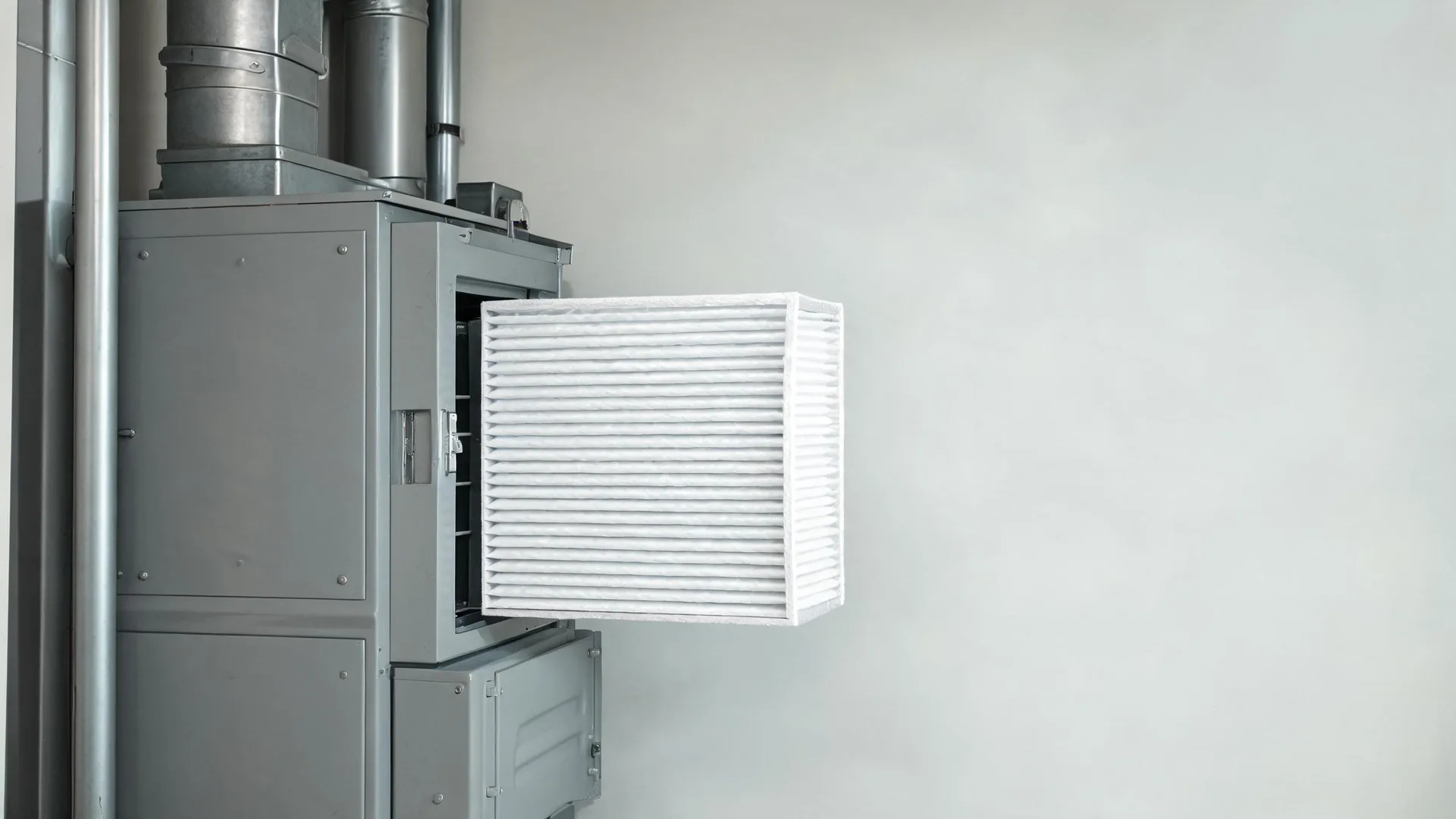
A furnace doesn't have coils or a condensate drain, but the filter still controls how hard the blower has to work.

A clogged filter starves the burner compartment of airflow and can overheat the heat exchanger from the inside.

Half these furnaces are older too, by the same measure

Half the homes here were built by 1971
Heat runs October through April
Winter nights average 27°F
What heats BartlesvilleGas heats 62.8% of homes in Washington County, electricity 29.7%.

Furnace here starts working in October and keeps going through April. September is the month to get it looked at, before that first cold morning asks something of it. A furnace that's sat idle since spring can have problems that don't show up until it's run for an hour or two straight, and the first real cold snap is a hard way to find out. Waiting until October means booking a check in the same week everyone else with the same idea is calling too.

Catch it while it's small

If your system has been in the house a long time, a yearly check is how you catch problems while they're small.

Find a contractor
A gray residential gas furnace installed in an unfinished basement, surrounded by ductwork, a metal flue pipe, and a gas supply line.

Skip enough winters and it adds up

A furnace that never gets opened up just keeps running until something inside it stops it. The igniter wears down a little more each winter and one day it won't glow hot enough to light the gas. The flame sensor builds up oxidation until it can't tell the control board there's a flame at all, and the furnace shuts itself off as a safety measure. Dust and lint settle in the blower wheel and on the burners, and the furnace starts working harder to move the same amount of air or burn the same amount of gas. None of that announces itself. It just adds up, quietly, until the morning it doesn't start.

Opening it up versus checking it runs

A quick visit confirms the furnace fires and blows warm air, then calls it done. A thorough one pulls the burner compartment cover, checks the flame sensor and tests gas pressure against the manufacturer's spec. A furnace can run and still be out of adjustment in ways that shorten its life.
What gets written down

A tune-up worth paying for ends with actual readings on paper. Amp draw, gas pressure, temperature rise across the heat exchanger. Without those numbers nobody can tell next year whether something changed or whether this year's visit even looked.

Between visits, the filter is the one thing that's yours to manage. Pull it out, hold it up to a light, and if you can't see through it, swap it. A furnace breathing through a clogged filter runs its blower harder and its burner compartment hotter than it was built for, and that's true whether the furnace is new or old. Keep anything flammable away from the cabinet, and don't stack boxes or storage against the sides where it needs to pull in air. If you smell gas, smell something burning, or hear a new noise when it kicks on, that's not a wait-and-see. Everything else, the flame, the sensor, the gas pressure, needs a meter and a trained eye to read.

A proper tune-up starts before the furnace even fires. The technician checks the flue for a solid connection and clear path, because exhaust has to leave the house and not drift back into it. The igniter gets tested, not just looked at, since one that glows weak will still light the furnace on the bench and fail on the coldest morning of the year. Gas pressure gets set to the manufacturer's spec, not just whatever it happens to be doing that day. The blower wheel gets pulled and checked for dust buildup, and the belt or bearings, if it has them, get checked for wear. Combustion air intake gets checked too, since a furnace starved of fresh air burns dirty no matter how clean the burners are.