



A weathered wooden fence runs along the left side of a dry grass lawn beside a row of single-story brick buildings with gray shingle roofs, under overhanging oak branches.

Furnace Maintenance in Okmulgee, OK

Tell us about the job

Takes about a minute. No obligation.

Tune-up, service, or cleaningFurnace or heatingOkmulgee County, OK
Step 1 of 2

What ZIP code is the job in?

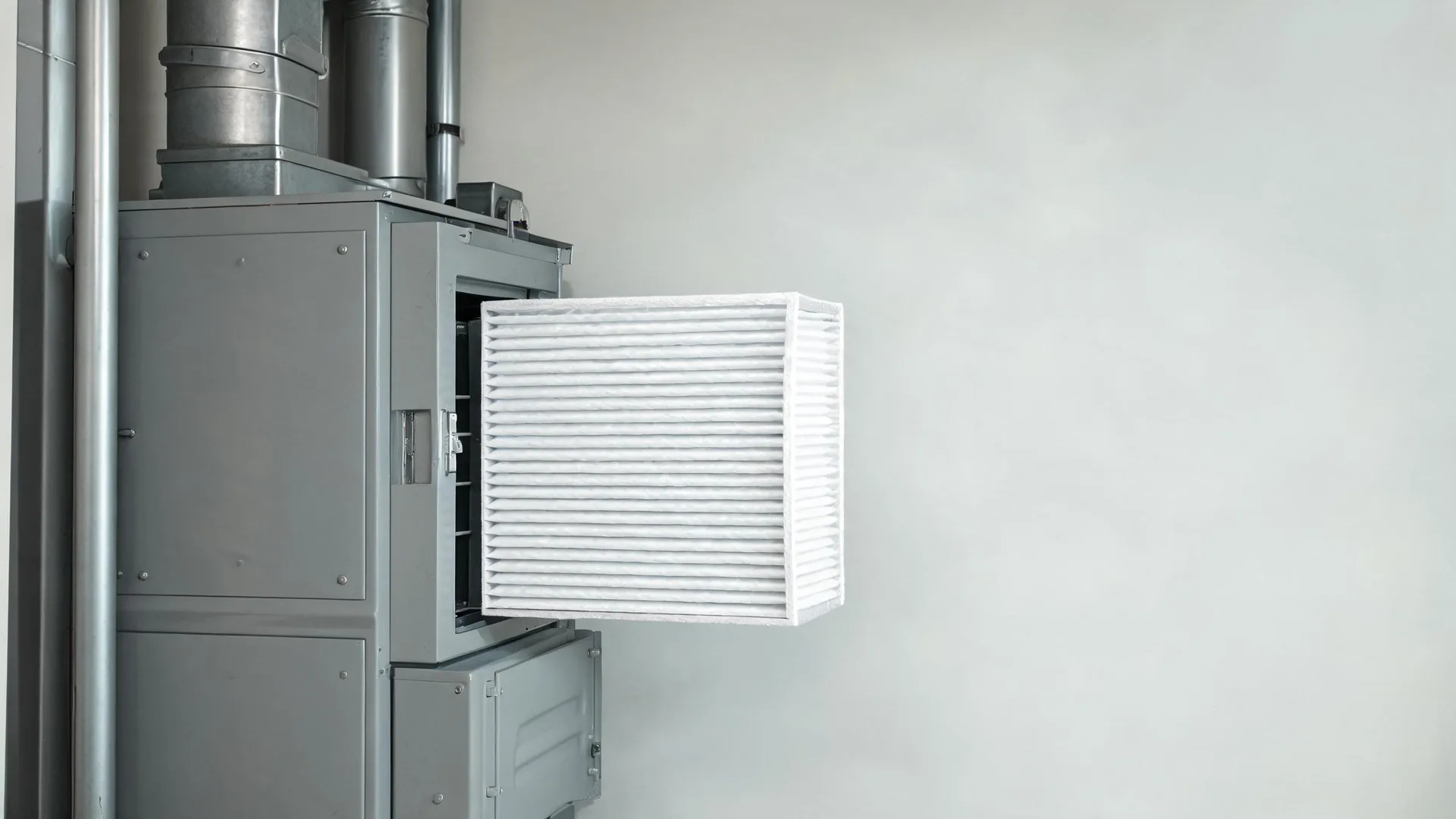
A furnace lives or dies by airflow. A dirty filter chokes it down, so the heat exchanger has to work against air that can't move past it fast enough, and that makes it run hotter than it should. Over time that strain cracks the exchanger or burns out the blower motor trying to push air through a clogged screen. The flame sensor and igniter sit in that same airflow, so when air backs up, soot and dust settle on them and the furnace starts misfiring or shutting off early. If your furnace is a high-efficiency model with a condensate drain, that line can clog with the same sludge, and when it does the furnace will shut itself off rather than let water back up into places it doesn't belong. None of this announces itself until the furnace won't start, which is why a filter swap and a look at the drain line catch most of it before that happens.

A quick tune-up checks that the furnace turns on.

A thorough one pulls the burners, checks flame sense in microamps, and inspects the heat exchanger for cracks before any of it fails.

Almost half the furnaces here burn gas, which means a burner and venting check matters as much as a filter

45.8% of homes heat with gas
Heat runs October through April
Winter nights average 30°F

Furnaces here start working in October and keep going through April. September is the month to get one checked. That gives a contractor time to find a cracked exchanger or a weak igniter before the first cold night asks the furnace to prove itself. Wait until October and you are troubleshooting a furnace that is already working hard, maybe during the week it needs to work hardest. Seven months is a long stretch to run on a part that was already failing in September.

Get the burner and venting checked

Gas and oil systems need the burner, venting and safety controls checked, not just a new filter.

Find a contractor
A gas furnace with attached ductwork, gas piping, and condensate lines installed in a concrete-block basement.

Light work most nights, hard work on the nights that count

Seven months of runtime here is real work, but the cold it's working against is moderate. Overnight lows average 30°F through December, January and February, not the teens or single digits furnaces deal with farther north. A furnace here isn't straining to hold a house against deep cold most nights. That said, winter storms have hit Okmulgee County eleven times in the past decade, and those are the nights a furnace can't be the one with a weak igniter or a cracked exchanger. Moderate duty means problems here usually trace back to age or a part that was never checked, not a furnace worn down from overwork.

What a gauge finds that a glance doesn't

A furnace can look fine and still be pulling too much gas or too little air, and the only way to know is to check static pressure and combustion numbers with a meter. A tech reads the flame through a window and sees blue. The same flame measured for carbon monoxide can be running high because the heat exchanger has a crack too small to see. The gauge catches what the eye walks right past.
Why a loose wire shows up now, not later

A loose connection at the flame sensor or a weak capacitor on the blower motor will hold on through a mild stretch and let go on the night the furnace is working hardest. These checks are easy to do with the furnace sitting idle and hard to do once it's running every night to keep a house warm. Finding the weak part while the furnace is still coasting means fixing it on a workbench instead of in a house that's gone cold.

A furnace usually gives some warning before it quits, if you know where to look. A burner flame that's yellow or flickering instead of steady blue means it's not burning clean, and that can point to a venting problem worth checking before it gets worse. A furnace that short cycles, turning on and off every few minutes instead of running a full cycle, is often struggling with airflow or a failing sensor. Rattling, squealing or a burning smell when it kicks on are not things that fix themselves. Rooms that used to heat evenly but now run cold on one end can mean a duct problem or a blower that's losing strength. None of these stop the furnace outright, which is exactly why they're worth a look before one of them does.

A real tune-up starts before any tool comes out, with the tech asking what the furnace has been doing lately, because short cycling or a smell is a lead worth chasing. From there it's hands on the furnace. The burners come out for cleaning, since a dirty burner burns dirty and that shows up in the flame color. Flame sense gets checked with a meter, not a glance, because a flame sensor can read fine to the eye and still be too weak to hold the gas valve open. The heat exchanger gets inspected for cracks, which matters more than almost anything else on the list since a cracked exchanger can let combustion gas mix into the air moving through the house. Belts and bearings get checked on furnaces that have them, wiring connections get tightened, and the blower wheel gets looked at for dust buildup that throws it off balance. A tune-up that skips the gas valve, the exchanger or the flame sensor and only swaps the filter isn't a tune-up. It's a filter change with an invoice.