Find out when the house was built
A permit record or the seller's disclosure will usually show it. If you don't have either, the breaker panel or the water heater's own age can sometimes point to when the house was last updated.
Takes about a minute. No obligation.
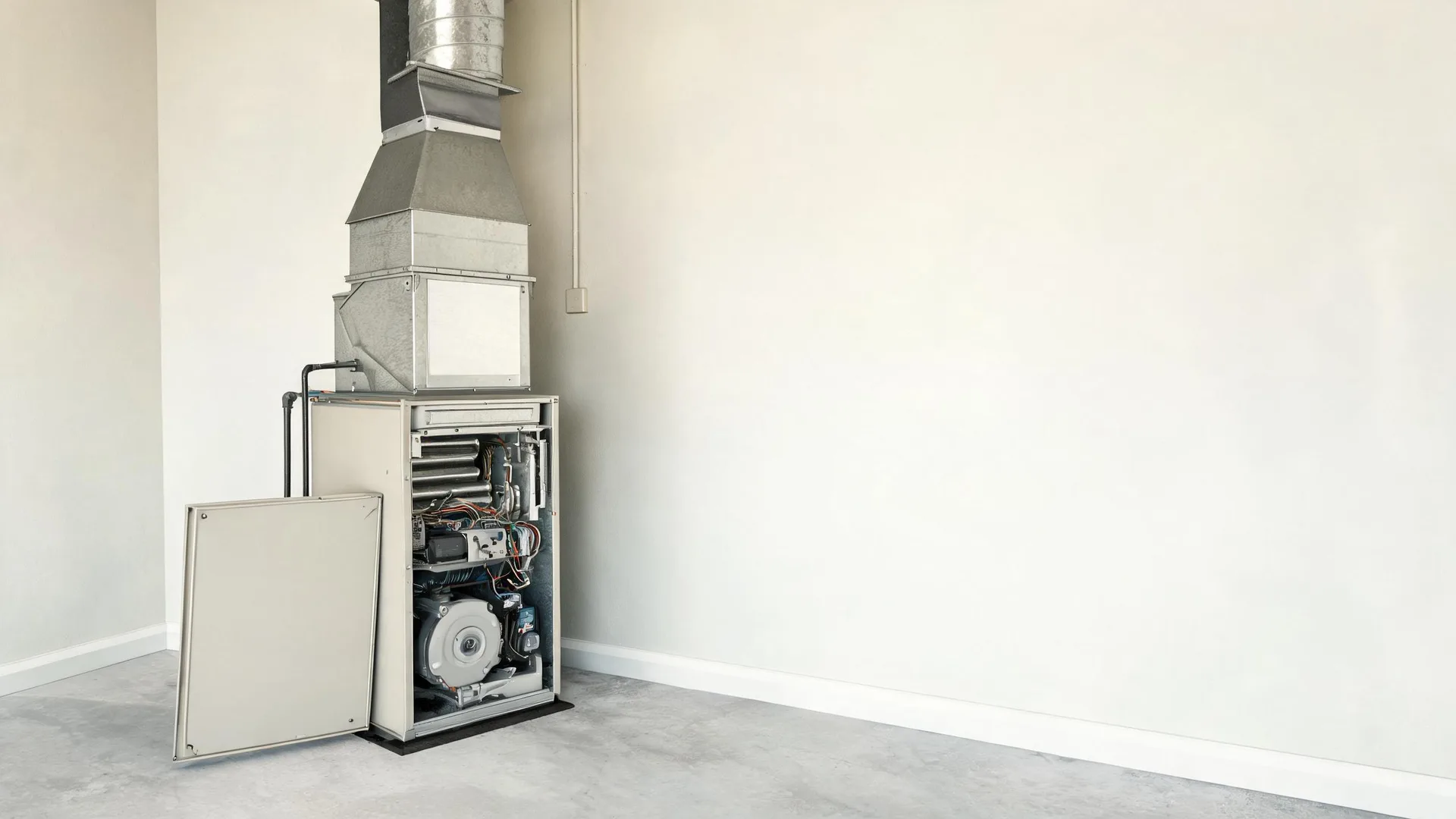
Most furnace calls come down to a handful of usual suspects. The igniter cracks or weakens over time and stops lighting the burners, which is why a furnace that won't start at all often just needs that one part replaced. A dirty flame sensor is another common one. It coats with residue, can't confirm the flame is lit, and shuts the gas off as a safety measure, so the furnace fires for a second then quits. Airflow problems cause a lot of damage too. A clogged filter starves the system, makes it run hot, and can crack the heat exchanger over time. Loose or corroded wiring at the control board can cause intermittent trips that look random but trace back to one bad connection. A failing blower motor shows up as weak or no airflow even though the burners are running fine.
NOAA nClimDiv, 1991–2020 normals
Check the filter before anything else. If you can't see light through it, airflow is choked and the furnace may be shutting itself off to protect the heat exchanger.
Check the thermostat batteries and the breaker too. A furnace that won't respond at all sometimes just lost power, not its ability to run.




Age matters more than any single part failing. A furnace that's only a few years into its life is usually worth fixing no matter what broke, since one repair on a unit that has a long life ahead still makes sense. One that's old and now needs a second or third repair in as many years is a different story. The heat exchanger is the part that decides this more than any other. If it's cracked, the furnace needs to be replaced, not repaired, because that part isn't something a tech can patch. Everything else on a furnace, the igniter, the blower motor, the control board, can be swapped out on its own without touching the rest of the system. So the real question isn't just what's broken now, it's whether the furnace has been reliable up to this point or whether this is the latest in a string of calls.
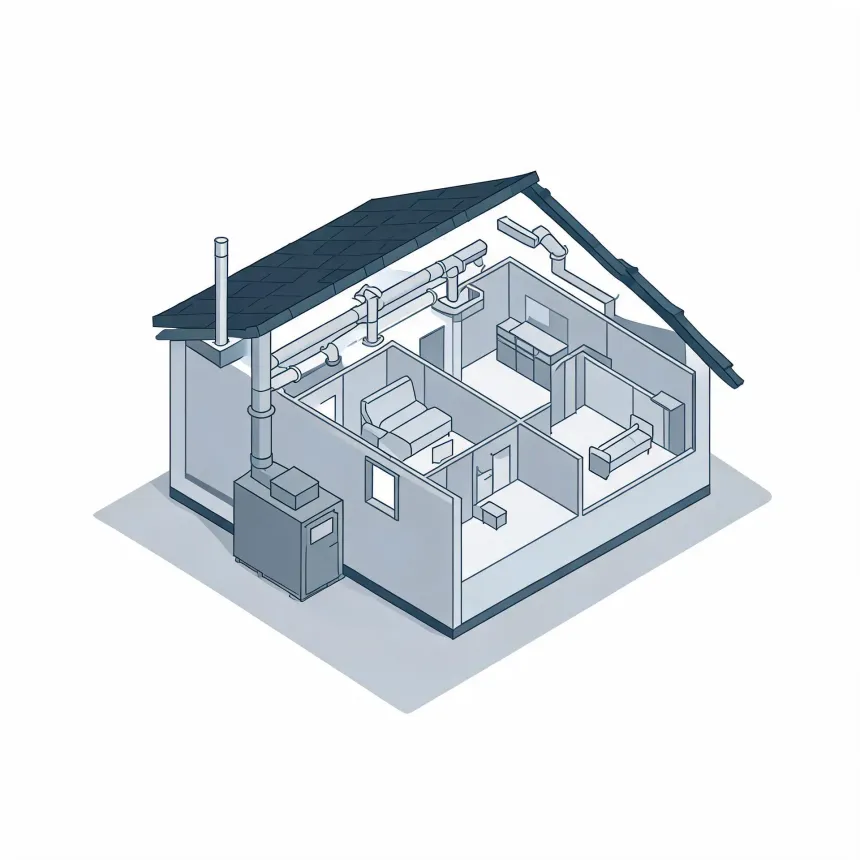
Half the homes in Le Flore County were built in 1985 or later. If that's your furnace's house, the unit is likely still well within its working life, and a repair now is money spent on a system that owes you a lot more years of heat.
Find a contractorA furnace that's short cycling or tripping on limit and gets left alone doesn't rest between calls, it just keeps stressing the same weak point until something gives. A cracked igniter that still fires sometimes will fire less and less often, then not at all. A flame sensor coated with residue gets a little more coated every cycle, since the same combustion byproducts that dirtied it the first time are still passing over it. Airflow problems compound the fastest. A furnace starved for air runs its heat exchanger hotter than it's built for, and metal that heats and cools under that kind of stress is what eventually cracks. Once that happens there's no fixing it, only replacing the furnace. A blower motor that's struggling will draw more current trying to do its job, which shortens what's left of its life. None of these get better by running the furnace through another cycle. The part that's failing fails a little more each time, until a same-day fix turns into a bigger repair or a heat exchanger that can't be saved.
A permit record or the seller's disclosure will usually show it. If you don't have either, the breaker panel or the water heater's own age can sometimes point to when the house was last updated.
If a tech says your furnace needs replacing but it's only a few years old, ask what exactly failed and why it can't be fixed. On a newer unit, that answer should point to something specific, not just the thermostat or the brand.
Short cycling is one of the easier signs to catch. The furnace fires, runs for a short burst, then quits before the house warms up. That usually traces back to the furnace overheating and shutting itself down on purpose, often from restricted airflow or a flame sensor that's lost its signal. A burner flame that's yellow or flickering instead of steady blue is worth noting too, since it can point to a combustion problem rather than a simple part failure. Pay attention to smell as well. A faint odor when the furnace first kicks on and clears quickly is normal dust burning off. One that lingers, or smells like gas, is not something to wait on. And if the blower runs constantly or won't shut off, the control board or a limit switch is likely stuck, not the thermostat.
A diagnostic visit starts before any panel comes off. A tech will ask when the trouble started, whether it comes and goes, and what the furnace actually does when it fails. Then it's eyes on the burners, watching the flame while the furnace fires, since the color and shape of that flame rules a lot in or out right away. After that it's a sequence. Check that power and a thermostat signal are reaching the board. Check that gas is getting to the burners. Check that the igniter or pilot is doing its job, and that the flame sensor confirms the flame once it's lit. Airflow gets checked too, since a furnace that overheats and shuts itself down is often reacting to a dirty filter or a blocked return rather than failing on its own. Whatever trips first in that sequence is usually the real problem, and the rest of the furnace checks out fine.