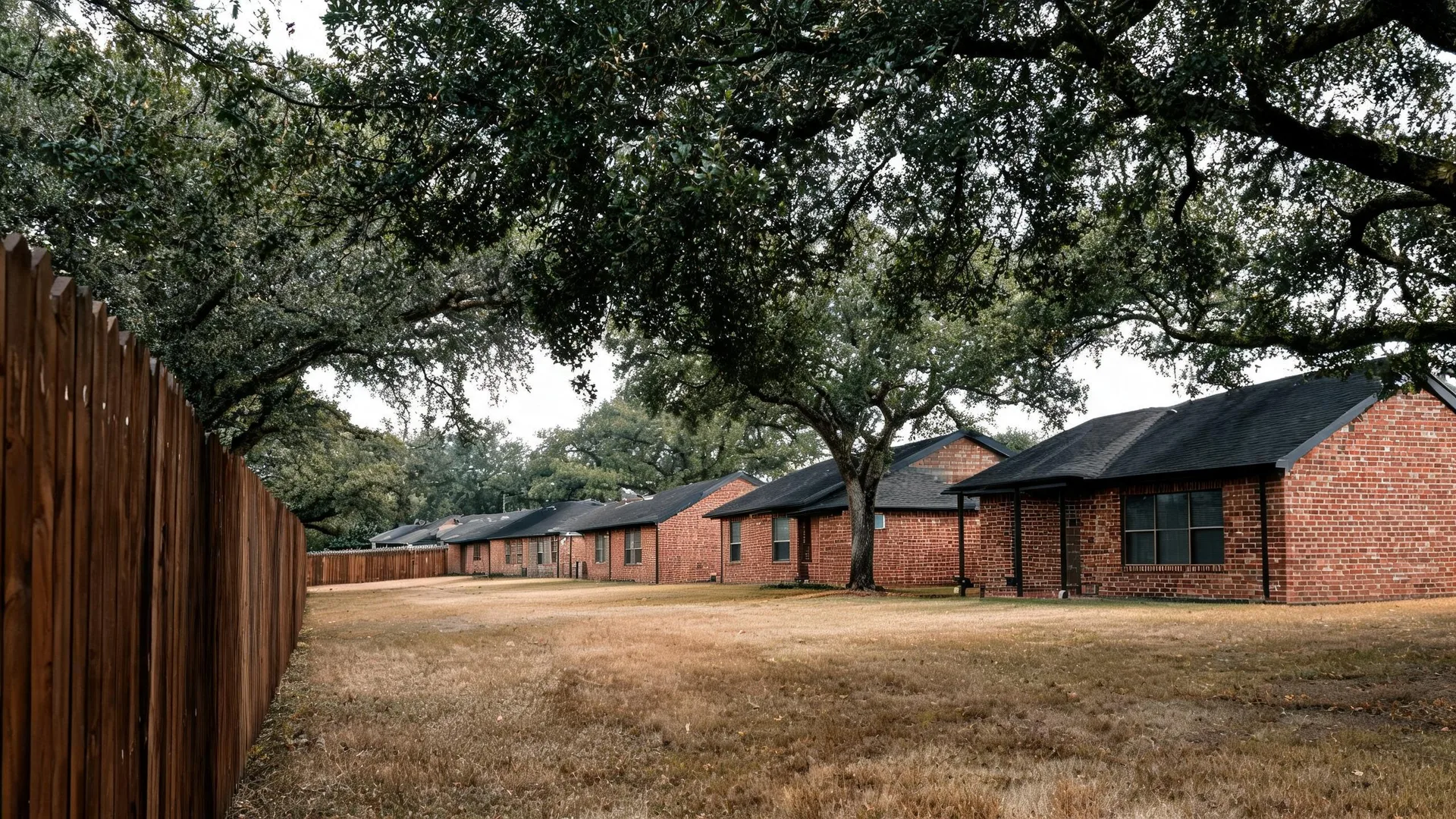



A row of single-story brick houses with dark shingled roofs lines a grassy field bordered by a tall wooden fence, with a large spreading oak tree overhead under an overcast sky.

Furnace Repair in Checotah, OK

Tell us about the job

Takes about a minute. No obligation.

RepairFurnace or heatingMcIntosh County, OK
Step 1 of 2

What ZIP code is the job in?

McIntosh County saw 123 severe weather events between 2015 and 2024. Damaging wind came through 56 times in that span, hail 50 times, and 11 tornadoes touched down. Any of that can hit the outdoor unit even when the furnace itself sits untouched inside. A furnace shares its blower and sometimes its control board with the AC system, so wind-driven debris or hail damage outside can show up as a furnace problem later. Statewide, a quarter of households went at least a day without power in 2024, long enough to matter if you're heating with electric. If your system has been through a storm, it's worth having someone look even if it's still running.

6 months
November through April, your furnace is on duty
31°F
the average winter night it heats against
6 winter storms
in ten years, the nights a failure hurts most
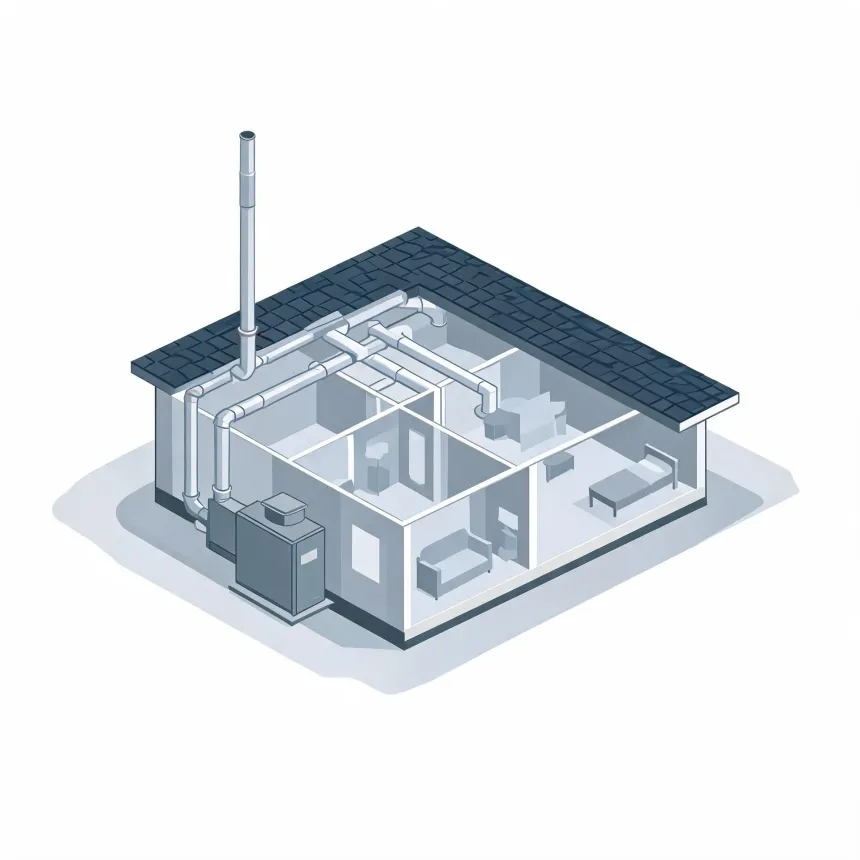
Isometric cutaway illustration of a single-story house with a dark shingled roof, showing interior rooms with furniture, a ducted air distribution system, a tall vertical flue pipe, and a gray furnace unit outside the wall.
Your furnace works hardest from November through March.

NOAA nClimDiv, 1991–2020 normals

Your furnace only has to run about six months here, November through April.

That's a lighter workload than most places ask of a furnace, so a repair now is usually worth doing.

November's cold snap finds the weak part first

Heat runs November through April
Winter nights average 31°F
Climate zone 3A

Half the homes in McIntosh County were built in 1983 or earlier, which puts a lot of furnaces well past a normal service life. An older furnace that's still running isn't proof it's fine. Heat exchangers crack with age, igniters wear out, and blower motors lose strength slowly enough that you stop noticing until a repair tech points it out. If your system came with the house and the house is on the older side, ask the tech how many years are likely left before you commit to a costly repair. A furnace with two or three good winters left is worth fixing. One on its last year might not be.

After the storms this county sees, get your furnace checked before winter proves it wrong

If your furnace or the outdoor unit has been through wind, hail or a tornado warning in the past few years, get it looked at even if the heat still comes on. Storm damage doesn't always show up right away, and with a quarter of Oklahoma households losing power for a day or more last year, you don't want to find out about a problem during a cold snap with no backup.

Find a contractor
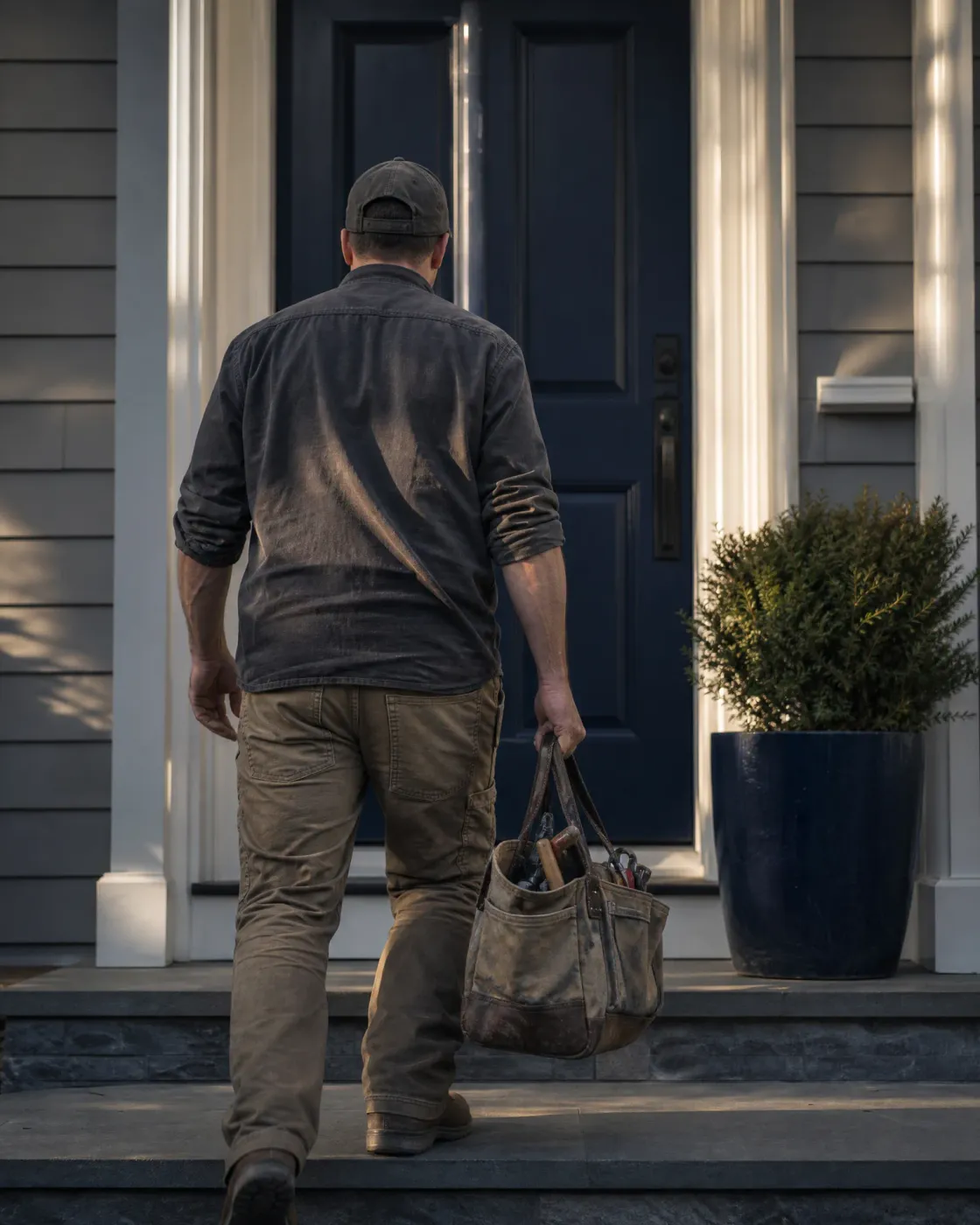
A man in a cap, dusty dark shirt and work pants walks up stone steps toward a dark navy front door, carrying a worn canvas tool bag, with a potted shrub beside the entry.
A gray residential gas furnace installed in an unfinished basement, connected to sheet-metal ductwork and PVC pipes.

What to check before anyone comes out

Before anyone comes out, there are a few things worth checking yourself. Start with the thermostat. Make sure it's set to heat, not cool, and that the temperature you've set is actually above the room temperature. A dead thermostat battery can take the whole system down and looks exactly like a furnace that won't start. Next, check the filter. Pull it out and hold it up to a light. If you can't see light through it, that's enough to choke the airflow and trip a safety switch. Replacing it is something anyone can do and it rules out the most common cause of a furnace that won't run right. Then go to the breaker panel and look for a tripped breaker, even if nothing else in the house lost power. Furnaces run on their own circuit, and a tripped breaker there won't touch your lights. Reset it once. If it trips again right away, stop and let a tech find out why. Last, check that the switch on or near the furnace itself is flipped on. It looks like a light switch and sits on the side of the unit or just outside the closet door, and it gets bumped off more often than people expect. None of this fixes a cracked heat exchanger or a failed control board, but it clears out the simple causes before anyone has to come take the panels off.

A cracked heat exchanger gets worse every time it fires

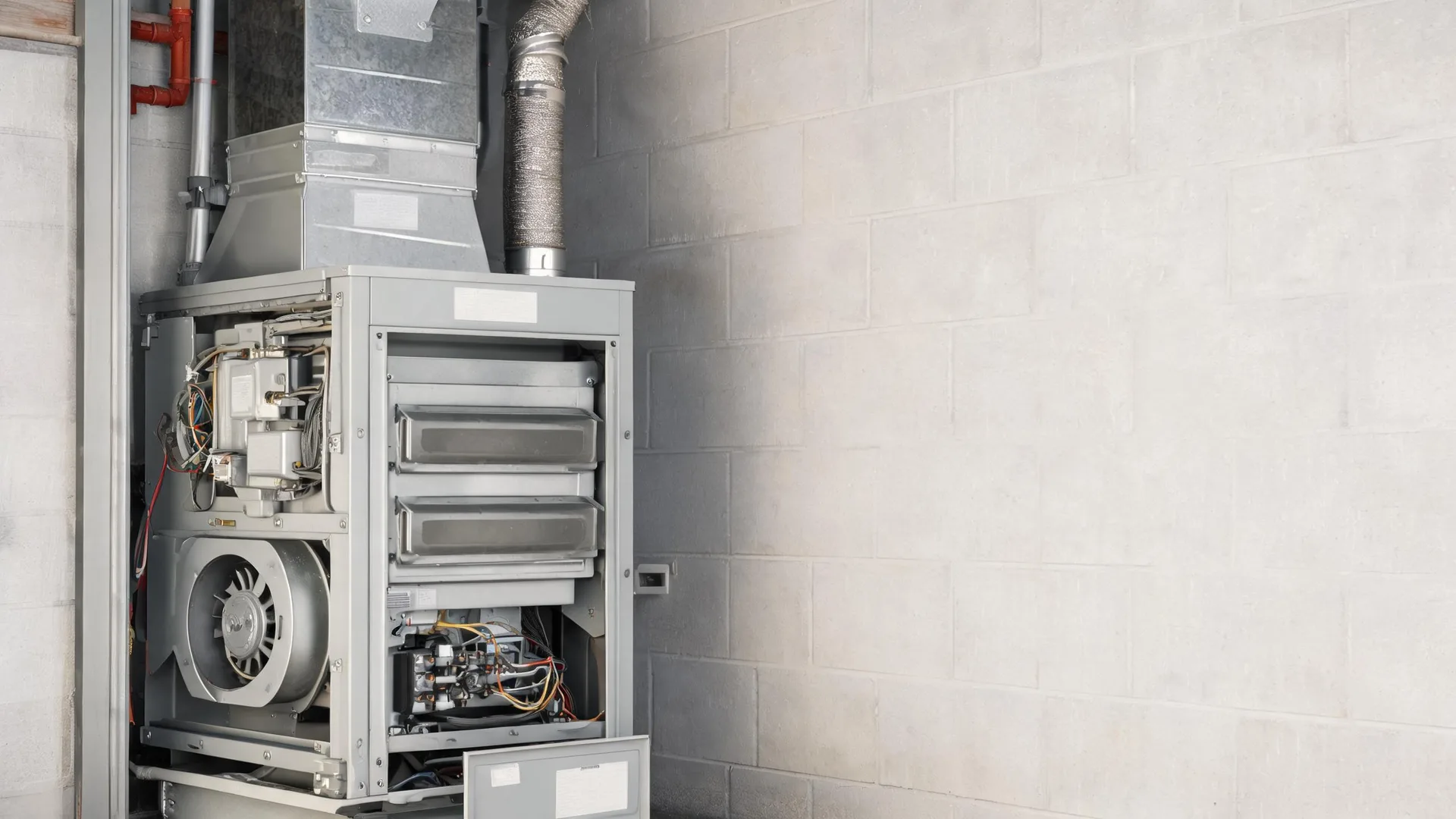
Metal that's already cracked flexes again with each heat cycle, and the crack grows. Keep running it and you risk exhaust gas getting pulled into the air the blower pushes through the house. A tech can test for this. If it's cracked, the furnace needs to come off until it's replaced, not run until the next inspection.
A failing limit switch or blower motor can take the heat exchanger with it

The limit switch shuts the burners off if the air inside the furnace gets too hot, which happens fast if the blower motor is weak or the filter is choked and airflow drops. Run it in that state and the heat exchanger takes the damage instead of the switch catching it. A problem that started as a cheap motor or a dirty filter turns into a much bigger repair if it's ignored.

Most furnace failures start small and get ignored until the system quits on a cold morning. A dirty filter chokes airflow, the blower works harder to push air through, and the motor runs hotter than it should until it burns out. A flame sensor coated with a thin layer of residue stops reading the flame and shuts the burners off, even though the rest of the furnace is fine. Igniters are built to fail eventually. They heat up and cool down every cycle, and that stress cracks them over time the same way a light bulb filament eventually goes. Pressure switches fail when the vent is blocked or the inducer motor weakens, and the furnace won't fire at all until that's sorted out. Most of this is wear, not misuse. A furnace that's maintained once a year, filter changed and burners checked, catches these before they strand you without heat.

Mobile homes make up a third of the housing in this county, and they're worth a separate word if yours is one. A furnace in a mobile home often sits in a closet or a small utility space with tighter clearances than a furnace in a site-built house, and parts get replaced with the same model for that reason. If a tech tells you your unit needs a part that's hard to source, ask whether that's a mobile home sizing issue specifically. It changes how you weigh a repair against swapping the whole furnace for something easier to keep running.