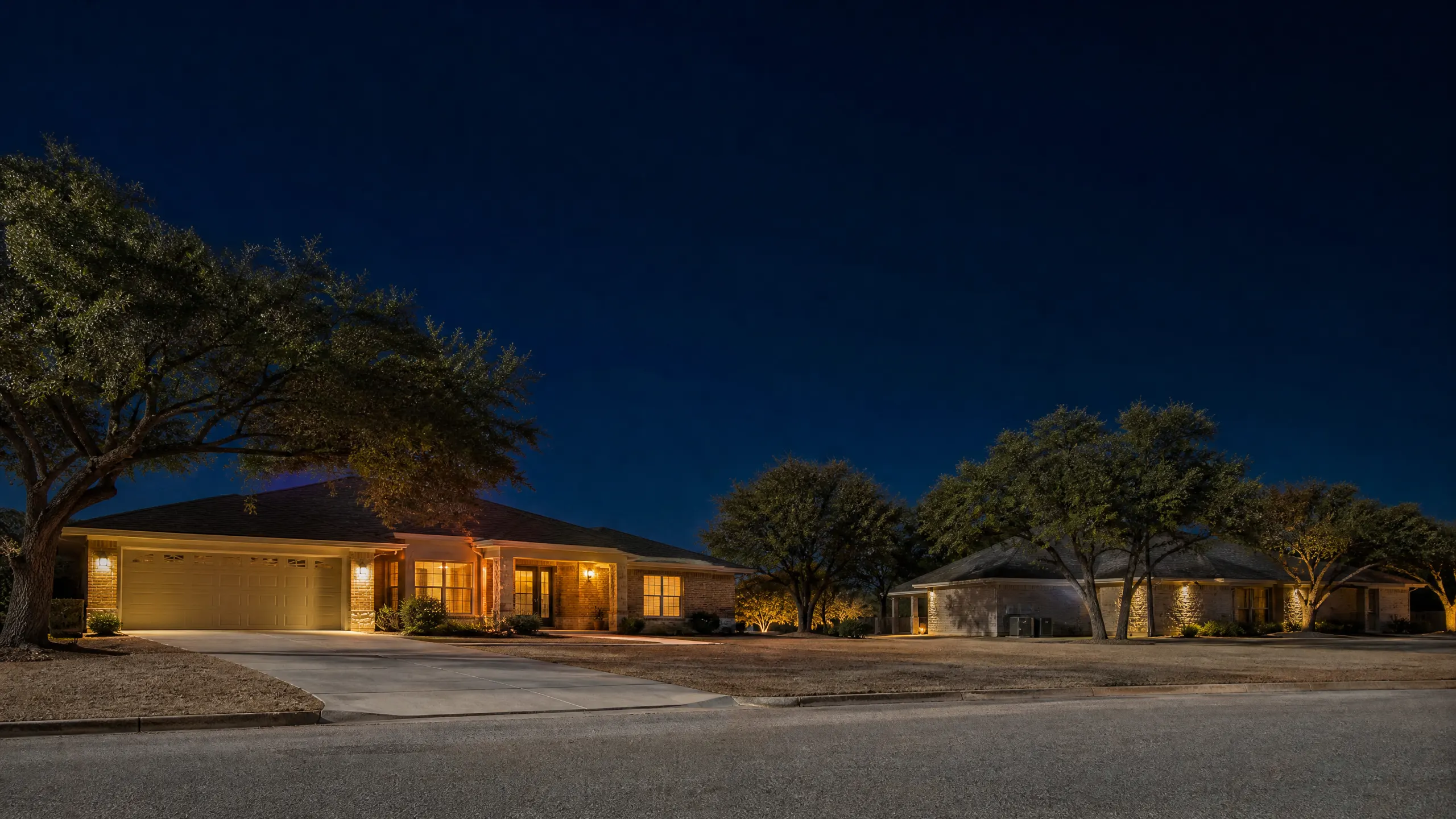

Two illuminated single-story brick houses with mature oak trees photographed at twilight on a quiet residential street.

Furnace Repair in Oklahoma City, OK

Tell us about the job

Takes about a minute. No obligation.

RepairFurnace or heatingOklahoma County, OK
Step 1 of 2

What ZIP code is the job in?

Oklahoma County saw 593 severe weather events between 2015 and 2024. That includes 296 hail events and 253 instances of damaging wind, the kind that pelts an outdoor unit or drives debris into it. A furnace shares ductwork and often an electrical panel with the AC system outside, so a hard enough hit can leave marks that show up later as a wiring or airflow problem. Twenty-eight tornadoes touched down in the county in that same stretch. If a storm has come through and your furnace starts acting different afterward, that is not a coincidence worth ignoring.

7 months
October through April, your furnace is on duty
30Β°F
the average winter night it heats against
59%
of homes here heat with gas, so most furnaces here burn gas
15 winter storms
in ten years, the nights a failure hurts most
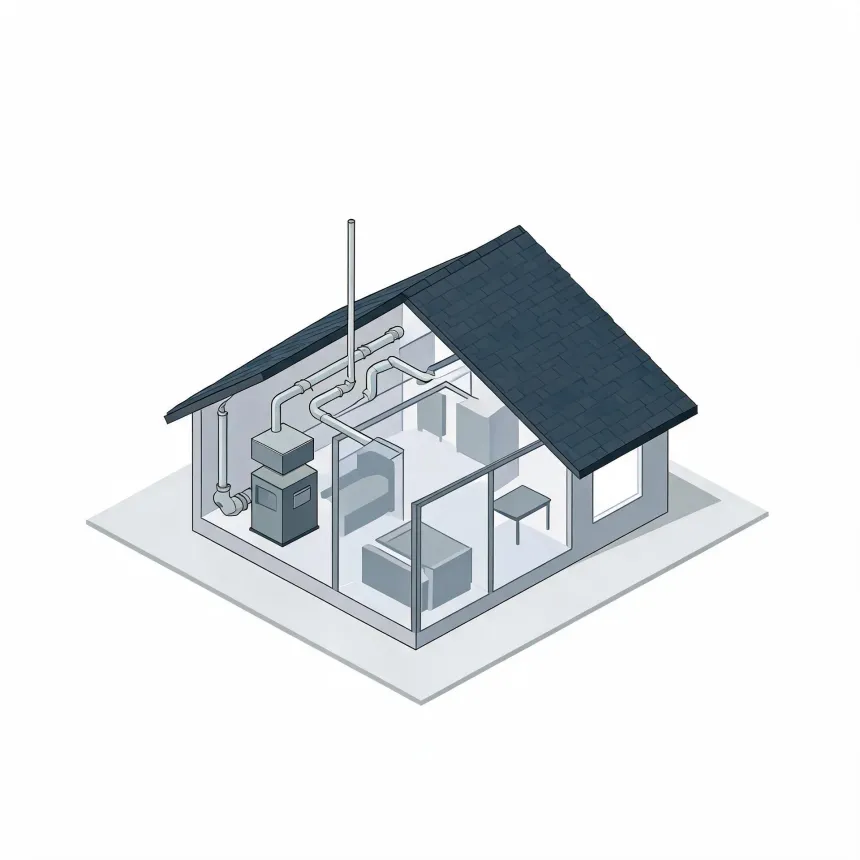
Isometric cutaway illustration of a small house with a dark shingled roof, showing an interior furnace unit, ductwork, and a flue pipe extending through the roof.
Your furnace works hardest from November through March.

NOAA nClimDiv, 1991–2020 normals

A cracked heat exchanger or a failed control board usually means replacement, not repair.

A worn igniter or a dirty flame sensor is a straightforward fix on almost any furnace.

Seven months of heat means the first cold snap finds whatever was already weak

Heat runs October through April
Climate zone 3A
Winter nights average 30Β°F

Before you call anyone, check the thermostat first. Make sure it's set to heat and the set temperature is actually above room temperature, and if it runs on batteries, swap them. Next, go to the breaker panel and look for a tripped breaker tied to the furnace. Then check the air filter. A filter clogged with dust chokes off airflow and can cause the whole system to shut itself down as a safety measure. If your furnace has a standing pilot, see if the pilot light is lit, and follow the lighting instructions on the panel inside the unit if it's gone out. Last, check that the vent hood outside and any exhaust pipe aren't blocked. If the furnace still won't run after that, it's time to call someone.

After a storm, a working furnace isn't proof nothing got hit

If your furnace runs rough after a storm, have the outdoor unit and the wiring it shares checked, even if the furnace is still putting out heat. Hail and debris don't always show up as a problem right away.

Find a contractor
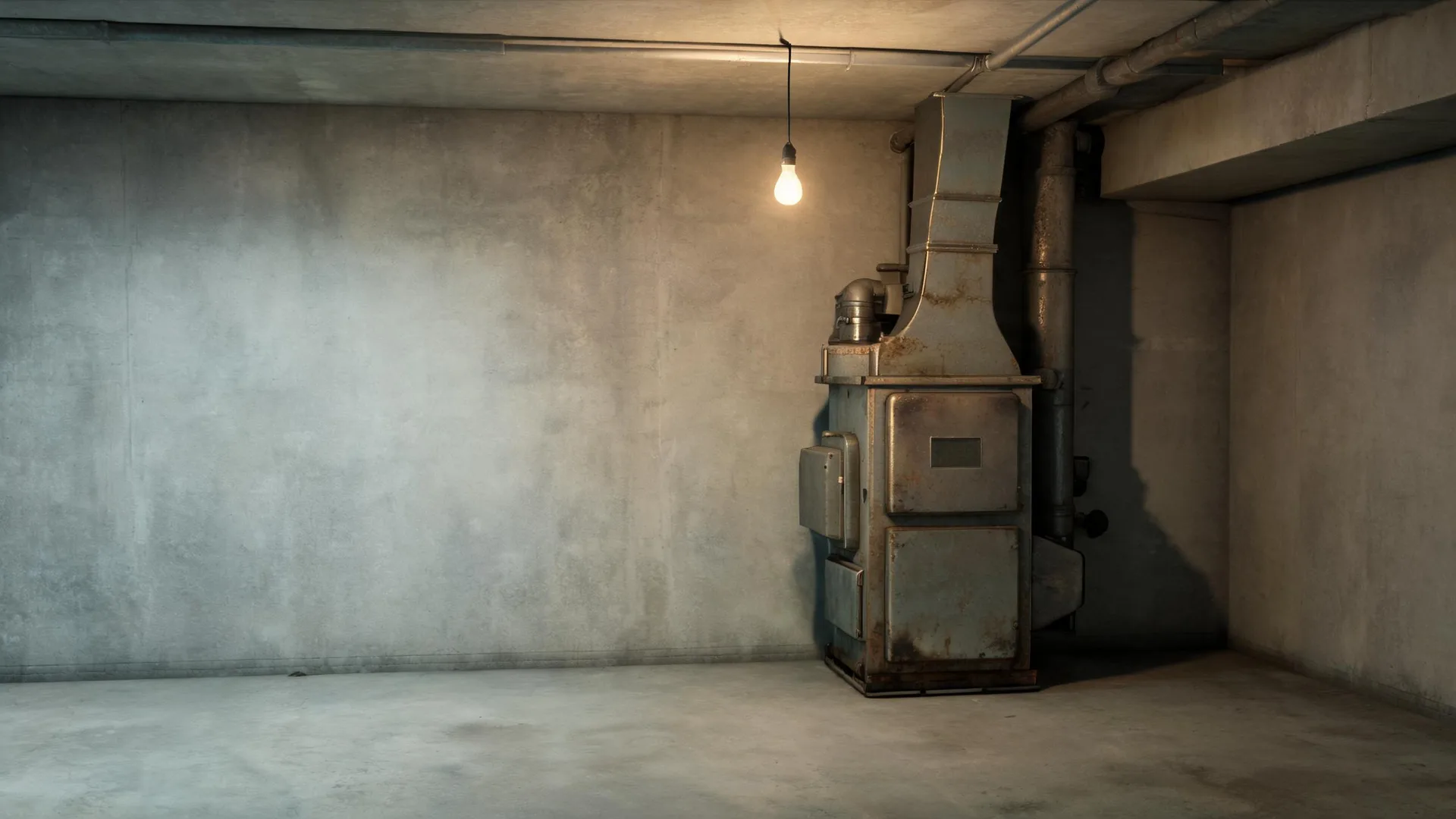
A gray gas furnace with attached ductwork and piping installed in an unfinished concrete basement.

A furnace running every day for months gives you warning before it gives out

A furnace that's starting to fail doesn't usually just quit. It tells you first. Short cycling is one of the clearest signs, where the burner fires, runs for a minute or two, then shuts off before the house warms up. That points to a flame sensor that isn't reading the flame right, or a furnace overheating because airflow is restricted somewhere. A burner that won't stay lit, or one that clicks and clicks without catching, usually means the igniter is going or there's a problem in the gas valve. Listen for sounds that weren't there before too. A low rumble or a bang at startup can mean the burners are dirty or out of alignment. A squeal points to the blower motor or its bearings. If you notice the air coming out of the vents feels cooler than it used to, or some rooms barely get warm anymore, that's often a sign the heat exchanger or the ductwork isn't doing its job the way it should. A yellow or flickering burner flame instead of a steady blue one is worth taking seriously. It can mean incomplete combustion, and that's not something to wait on.

Most failures start with wear, not a single breakdown

The igniter weakens a little each time it fires. The flame sensor collects a thin layer of residue over time until it can't sense the flame right. Blower bearings wear down from years of spinning. None of these fail the first time they're stressed. They fail after seasons of normal use, which is why an older furnace runs fine for years and then starts acting up in the same winter you need it most.

A furnace that's dirty or starved for air fails faster

A clogged filter forces the blower to work harder and can let the furnace overheat, which shortens the life of the heat exchanger and trips the limit switch more often than it should. Dust on the burners changes how the flame burns and can lead to soot and bad combustion. Keeping airflow clear and the burner area clean doesn't prevent every failure, but it keeps the furnace from wearing out parts ahead of schedule.

A gas furnace and sheet-metal air handler unit installed in an unfinished concrete basement.

A new furnace would cut about $100 a year off heating for a typical Oklahoma County home.

  • A new high-efficiency furnace$470 a year
  • An older furnace$570 a year

Estimates for a typical Oklahoma County home, compared with an older unit built to the previous federal minimum, from EIA household energy data, Oklahoma fuel prices and NOAA climate normals. Your home will differ.

Repair makes sense when one part has failed and the heat exchanger is sound.

Replacement makes sense when the heat exchanger is cracked or the furnace keeps needing parts.

A diagnostic visit starts with questions. When the problem happens, what it sounds like, whether the air is cold or just weak, whether the flame looks right. Then the furnace gets opened up. The tech checks for power at the board, looks at the flame through the viewing window, and tests the safety switches that are supposed to shut the furnace down when something's wrong. They'll pull the igniter or check the pilot assembly, test the flame sensor, and look at the blower wheel and motor. Airflow gets checked too, since a restricted filter or a blocked duct can mimic a dozen other problems. Most of this is testing one part at a time until something fails the test. A furnace has a limited number of ways it can go wrong, so a methodical check usually finds the actual cause rather than guessing at it.