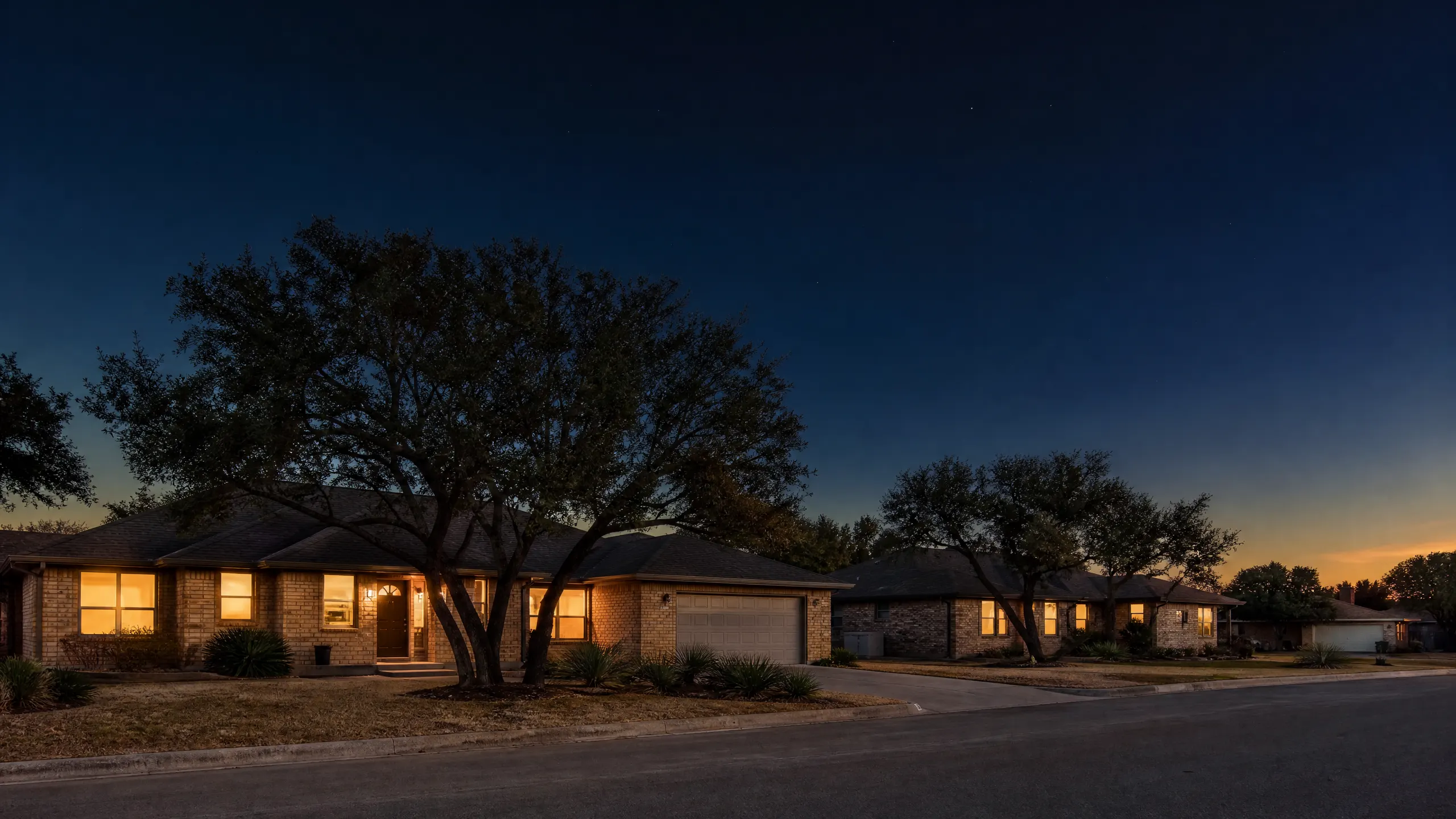





A lit single-story brick ranch house with an attached garage photographed from the street at dusk, flanked by large mature oak trees.

Furnace Repair in Chickasha, OK

Tell us about the job

Takes about a minute. No obligation.

RepairFurnace or heatingGrady County, OK
Step 1 of 2

What ZIP code is the job in?

A repair call usually comes down to one part failing, not the whole system giving out. An igniter, a flame sensor, a blower motor, these wear out on their own schedule, and swapping one doesn't say anything bad about the furnace around it. Age is what shifts the math. A younger furnace is almost always worth fixing, since one repair rarely leads to the next. An older one is a different story, especially once the heat exchanger is in question, since a repair bill there can be the first of several rather than a one-time fix. The honest question isn't just what's broken. It's whether this is a part wearing out or a system wearing out.

6 months
November through April, your furnace is on duty
30°F
the average winter night it heats against
7 winter storms
in ten years, the nights a failure hurts most
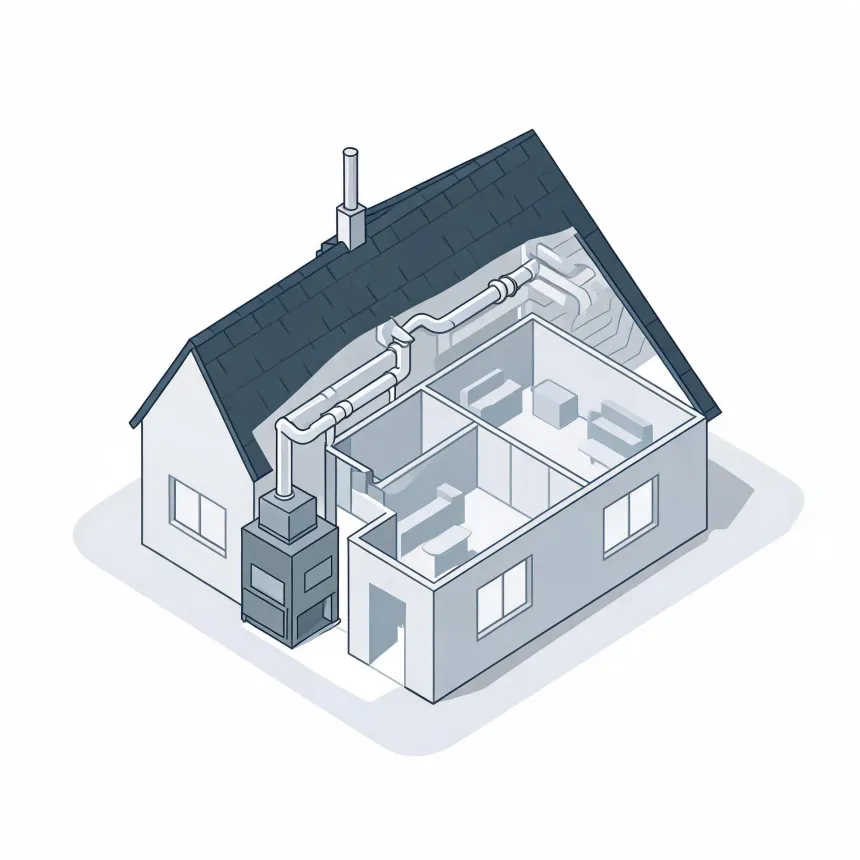
Isometric line illustration of a cutaway single-story house with a dark shingled roof, showing interior rooms and ductwork connected to a gray furnace unit with a flue pipe.
Your furnace works hardest from November through March.

NOAA nClimDiv, 1991–2020 normals

Furnaces in Grady County only run about six months a year, November through April.

Six months of work a year is a light schedule, so most failures here are one part giving out, not the furnace itself.

Half the homes here were built in 1982 or later

Half the homes here were built by 1982
Heat runs November through April
Winter nights average 30°F
Get your furnace checked before OctoberHeat comes on in November here, and the first cold weeks are when a weak part gives out.

A furnace that's struggling usually tells you before it quits outright. It might take a few tries to light instead of catching right away. The flame should burn steady blue, so orange or yellow means something's off with the gas mix and worth a look. A blower that kicks on and off in short bursts, called short cycling, often points to a clogged filter or a failing limit switch, not something to wait out. Rattling, or a burning smell that doesn't fade once the furnace has been running a few minutes, both mean stop running it and get someone out. A furnace that runs but never quite warms the house is usually losing the fight with a part that's already failed, not one that's about to.

A furnace that age fits is a furnace worth fixing

If your furnace came with the house, there's a good chance it's still well inside its working life. That's reason enough to fix the part and move on, not treat the call as a stall before something bigger.

Find a contractor
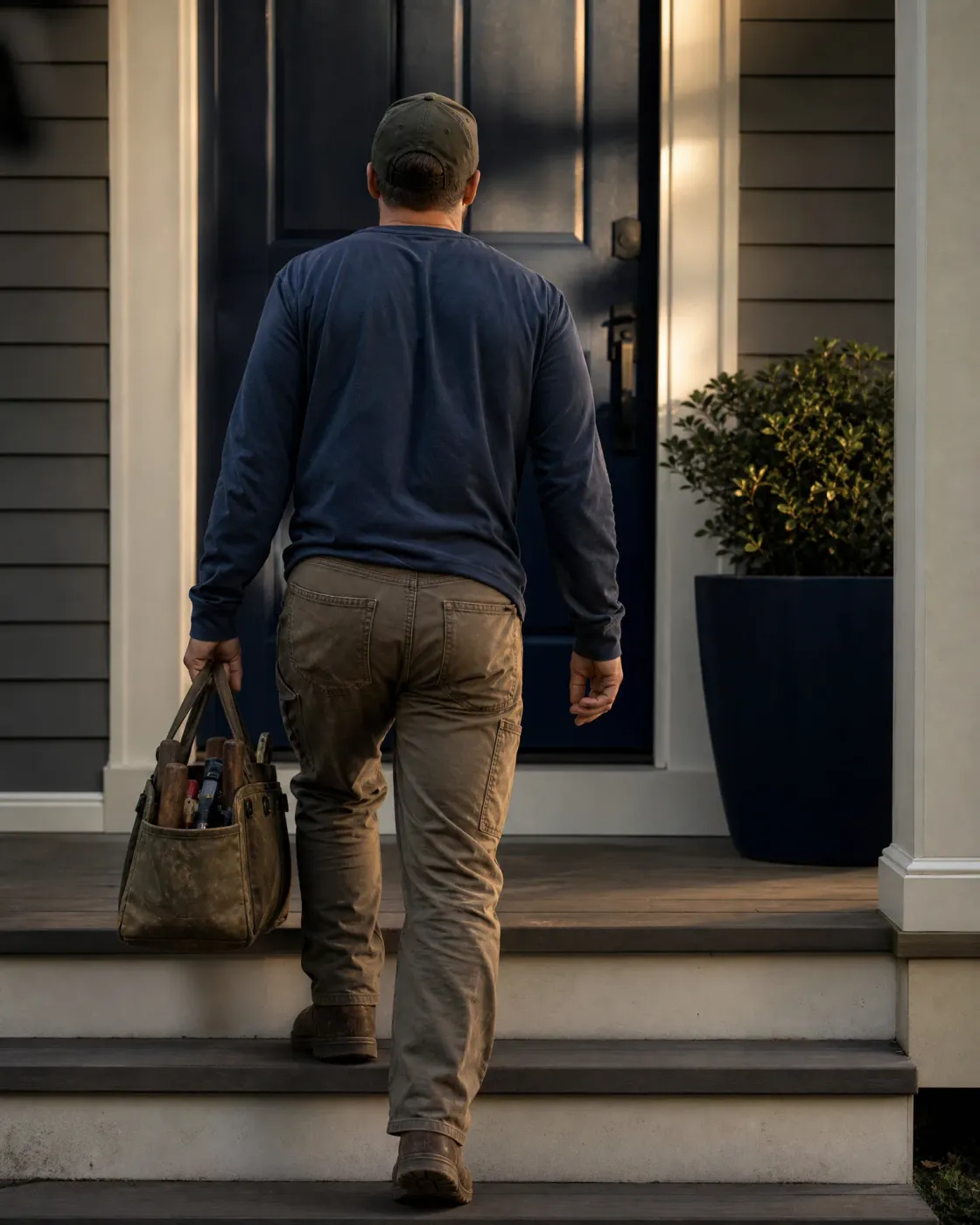
A man in a cap, navy long-sleeve shirt and tan work pants carries a canvas tool bag up steps toward a dark front door, with a potted shrub beside the porch.
A gas furnace with attached ductwork, gas piping, and condensate lines installed in a concrete-block basement.

A light workload means most repairs end with one part

Call it six months of real work a year, and cold nights that sit around 30°F. That's not a hard pull for a furnace. When a repair call comes in here, the smart bet is one tired part, not a system on its way out. Get the part named and get it swapped. There's rarely a reason to treat the visit as anything bigger than that.

A cracked heat exchanger gets worse every time it fires

Heat and cold flexing that metal over and over turns a hairline crack into a gap. Each cycle it runs, exhaust has more of a path into the air a furnace is supposed to be heating, not venting outside.
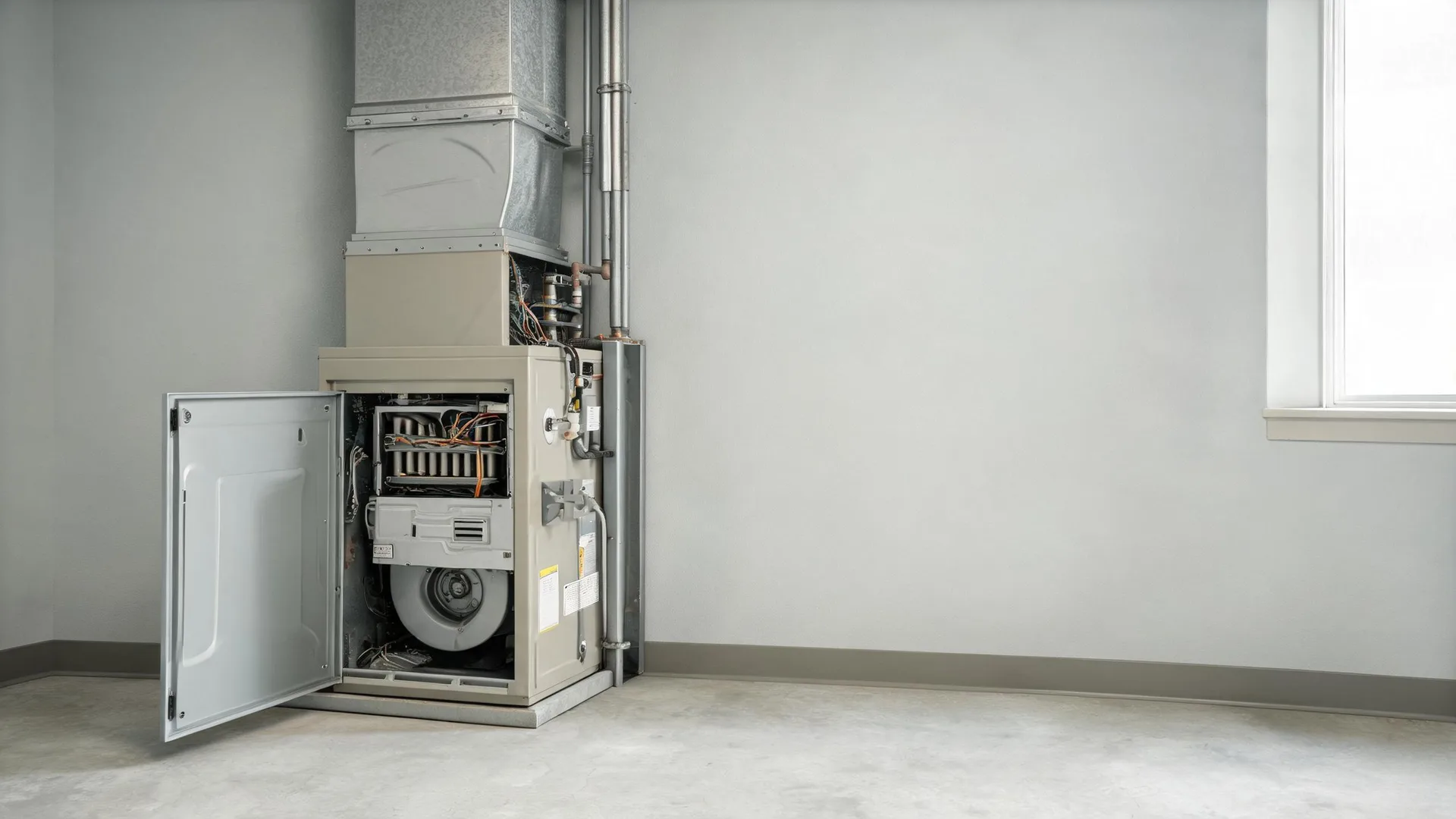
A dirty flame sensor can end in a part that won't relight

A sensor coated in residue makes the furnace shut off early as a safety response. Keep running it through that cycle and the igniter is doing extra work lighting and relighting, which is what wears an igniter out before its time.

Most furnace failures start with one of a handful of parts, and each one fails for its own reason. An igniter goes brittle after enough heat cycles and stops glowing hot enough to catch the gas. A flame sensor builds up a film every time it burns, and once that film is thick enough the furnace can't tell the flame is lit, so it shuts itself off as a safety check. A blower motor wears at the bearings until it runs loud, or not at all. The capacitor that helps the motor start weakens slowly, so starts get harder before they stop working altogether. A limit switch trips when airflow is wrong somewhere else, which is why a dirty filter can look like several different problems at once. None of this means the whole furnace is failing. It means a part reached the end of what it was built to do.

A diagnostic visit starts with the complaint, not the furnace. What it's doing, when it does it, whether it's gotten worse. Then it's a look at the flame itself, since the color and shape rule parts in or out before a panel ever comes off. From there it's testing, not guessing. A multimeter checks whether the igniter is pulling the current it should. The flame sensor gets checked for the film that blocks its signal, and cleaned or replaced depending on how far gone it is. The blower gets watched running, listened to, checked for the drag that means a bearing is going. Airflow gets traced back to the filter, because a limit switch tripping is often that switch doing its job right, not failing. The part that's actually bad usually only shows itself once the ones around it are cleared.