




A row of single-story brick houses with dark shingled roofs lines a grassy field bordered by a tall wooden fence, with a large spreading oak tree overhead under an overcast sky.

Furnace Repair in Muskogee, OK

Tell us about the job

Takes about a minute. No obligation.

RepairFurnace or heatingMuskogee County, OK
Step 1 of 2

What ZIP code is the job in?

Muskogee County saw 135 severe weather events between 2015 and 2024. Most of that was wind, 73 events, plus 36 hail storms and 16 tornadoes. Wind and hail hit the outdoor equipment first, but a furnace tied into the same electrical panel or venting can come out of a storm with a problem nobody traces back to it. Ten winter storms hit the county in that same ten years, and that is exactly when a furnace with a hidden problem gets found out. Statewide, a quarter of households went at least a full day without power in 2024. A furnace that depends on electricity to run, even a gas one, does nothing during that time.

7 months
October through April, your furnace is on duty
31°F
the average winter night it heats against
10 winter storms
in ten years, the nights a failure hurts most
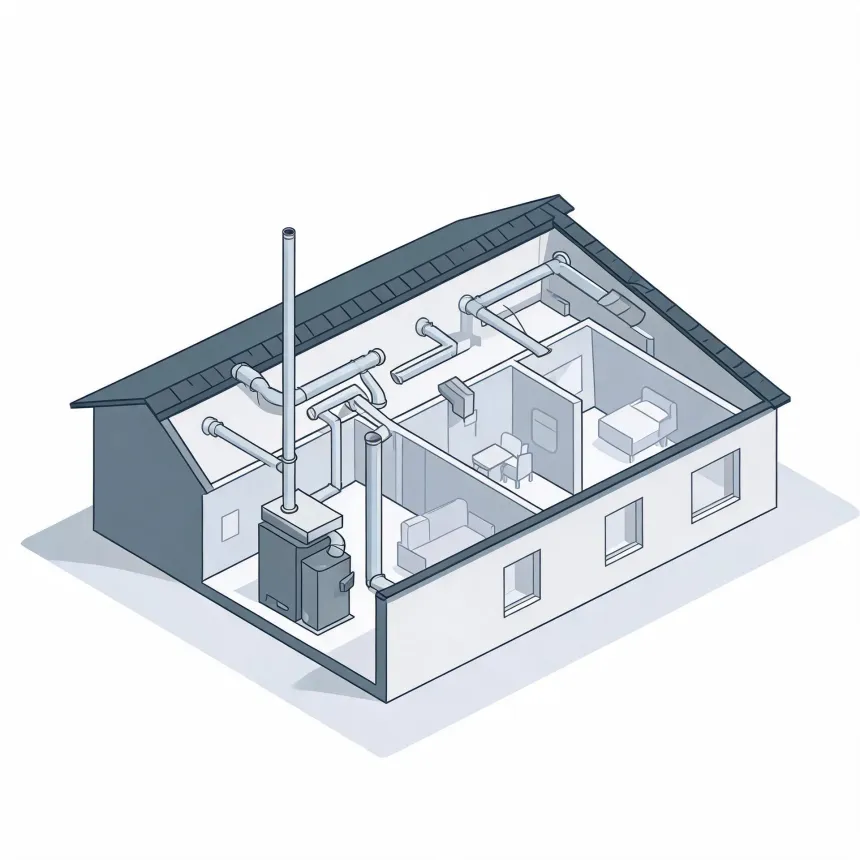
Isometric line illustration of a single-story house cutaway showing interior rooms with furniture, ductwork or piping running along the ceiling, and a boxy furnace unit with a tall vertical flue pipe.
Your furnace works hardest from November through March.

NOAA nClimDiv, 1991–2020 normals

Your furnace only runs seven months a year here, October through April.

That light a workload means most furnace problems come from age or neglect, not strain, and that's usually worth fixing.

Seven months of standby, then the cold hits all at once

Heat runs October through April
Winter nights average 31°F
10 winter storms from 2015 to 2024

Get a repair done and the furnace should hold up fine for the rest of the season. It isn't fighting a heavy load here, so a fixed part tends to stay fixed. The thing worth checking is what happens if the power goes out while it's cold. Ten winter storms hit this county in the last ten years, and a furnace that cuts out with the power can leave a house cold for longer than anyone planned for. Ask whoever comes out to look at the repair whether the system handles outages the way it should, not just whether it runs on a normal day.

If the last storm reached your furnace, find out before the next cold night does

A furnace that took a hit from a storm doesn't always show it right away. If yours has been through wind, hail, or a hard freeze this year, get it looked at now rather than waiting for the next cold snap to find the problem for you.

Find a contractor
A man in a cap, dusty dark shirt and work pants walks up stone steps toward a dark navy front door, carrying a worn canvas tool bag, with a potted shrub beside the entry.
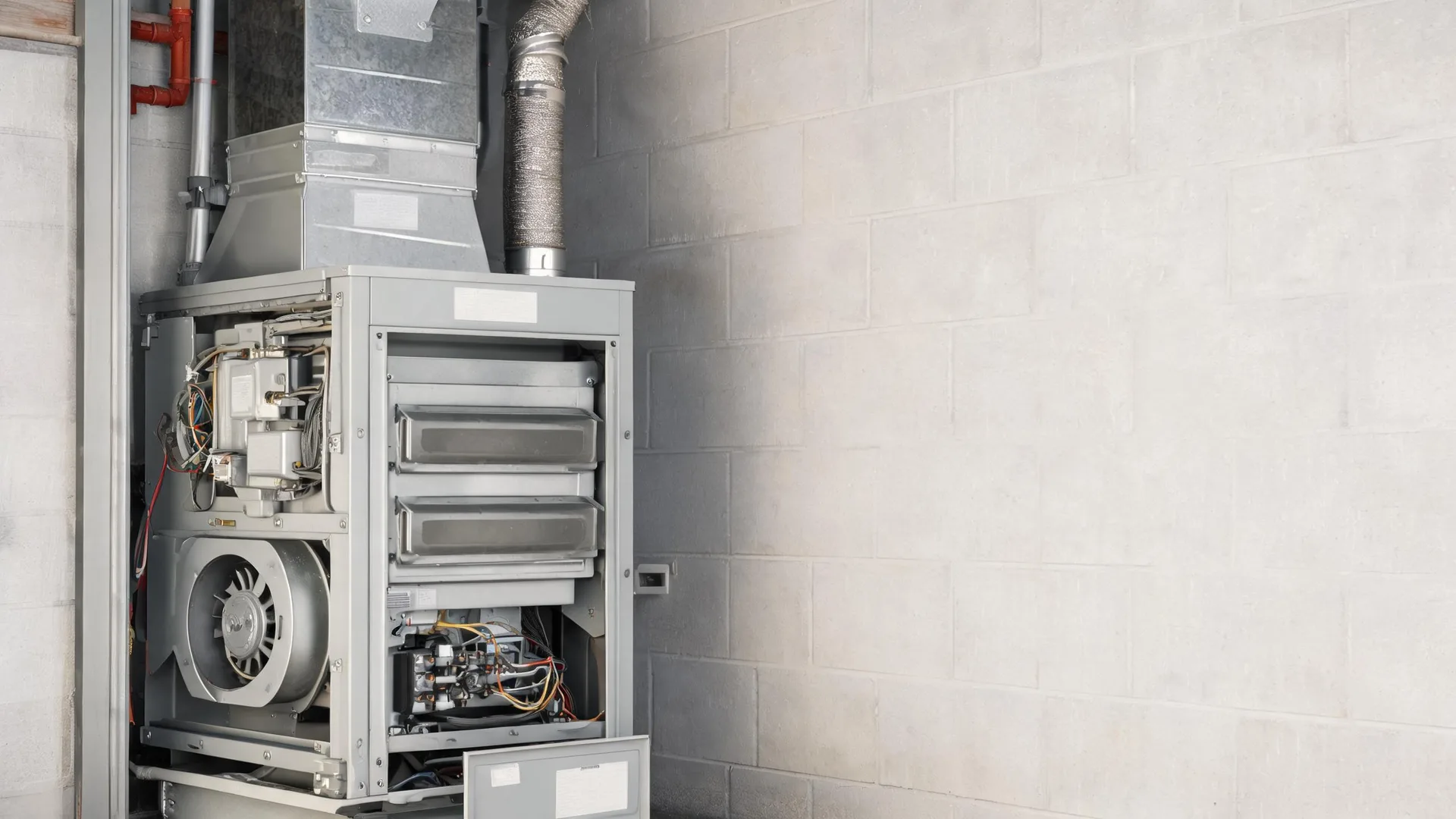
A gray residential gas furnace installed in an unfinished basement, connected to sheet-metal ductwork and PVC pipes.

What wears out, and why it has nothing to do with how hard the furnace works

A furnace that only runs part of the year still fails in the same handful of ways. The igniter heats and cools every time it fires, and that cycle eventually cracks it or wears it down until it won't glow hot enough to light the burners. A flame sensor picks up a thin coat of oxidation over time and stops reading the flame, so the system shuts itself off rather than run without proof of a flame. Inducer motor bearings wear out the way any motor bearing does, from age more than use. A capacitor loses its ability to hold a charge the longer it sits in service, whether the motor it feeds runs often or rarely. Dust and pet hair collect on the filter and in the blower compartment, and once airflow is restricted the furnace runs hotter than it should, which shortens the life of the parts downstream of it. None of this comes from the furnace working too hard. It comes from parts aging while the furnace sits there waiting for the next cold night to call on it.

A cracked heat exchanger gets worse with every cycle

A small crack lets heat pass into metal that was not built to carry it there, and the metal around that crack warps a little more each time the burners fire. Left alone, a hairline crack becomes a gap big enough to matter. Shutting the furnace off when a crack is suspected stops that damage where it is.
A failing limit switch can take the blower with it

The limit switch tells the furnace when it is running too hot and needs to shut down. If it is sticking or reading wrong, the furnace can keep firing past the point it should have stopped, and the heat has nowhere to go but into the blower motor and the ductwork around it. A switch that fails once and gets ignored usually fails again, at a worse time.

Most furnace trouble announces itself before the furnace quits outright. The burners take longer to catch, or they light with a bang instead of a steady whoosh. The blower runs but the air coming out feels barely warm. A smell of gas for a few seconds at startup is normal; a smell that lingers is not. Short cycling, where the furnace fires up, runs a few minutes, and shuts off before the house warms, usually points to a dirty flame sensor or a furnace overheating and tripping its limit switch. Rattling, squealing, or a grinding sound from the blower compartment means a motor bearing or wheel is wearing out, not settling in. A burner flame that burns yellow instead of blue is worth a call on its own, since it can mean the furnace isn't burning gas cleanly. None of these get better left alone, and most of them are cheaper to fix the day you notice them than the week the furnace finally stops.

The part failing is only half the question. The other half is how old the furnace is and what else has needed attention lately. A furnace that has run for years with no trouble and now needs one part, an igniter or a flame sensor, is usually worth fixing. A furnace that has needed a service call every season for a while is telling you something different, even if each visit was a small fix on its own. The heat exchanger matters most here. A cracked one isn't worth repairing around, since the crack only gets worse, but a worn igniter or a failed capacitor says nothing about the condition of the exchanger or the cabinet. A technician looking at the furnace from the inside can tell you whether the rest of the unit is aging in step with the part that failed, or whether everything else still has life in it. That's worth asking about directly, since it's a better guide than judging from the symptom alone.