Carter County sees its share of storms
Carter County logged 132 severe weather events between 2015 and 2024, including 75 hail events, 40 damaging wind events and 12 tornadoes. Five winter storms hit the county in that same stretch.
Takes about a minute. No obligation.
Carter County logged 132 severe weather events between 2015 and 2024, including 75 hail events, 40 damaging wind events and 12 tornadoes. Five winter storms hit the county in that same stretch.
Hail dents fins and bends the cabinet on an outdoor furnace or heat pump unit. Wind-driven debris does the same. A unit that still runs after a storm can have damage you won't see from the yard.
NOAA nClimDiv, 1991–2020 normals
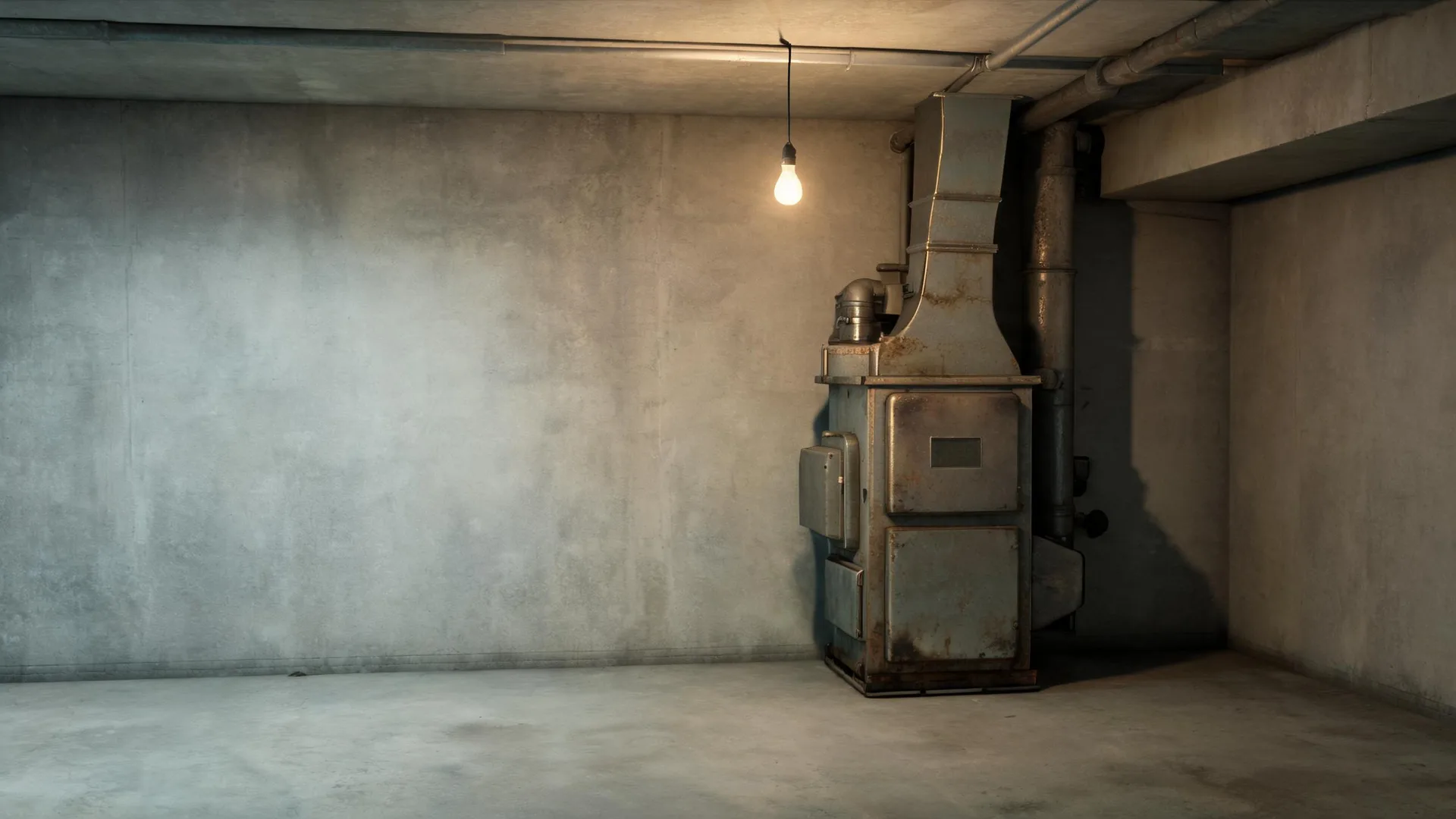
Furnaces in Carter County sit idle from October through the end of March.
The first cold snap in November is when a weak part finally gives out.



Five months of work a year leaves a furnace with less wear than most repair calls assume. When one here breaks down, the cause is more often a part that sat too long or aged on its own, not a motor worn out from overuse. That matters for the decision in front of you. A furnace that's seen light duty is usually a good candidate for repair rather than replacement, even if the fix feels overdue. Before you write it off, get a tech to look at what actually failed.
If your furnace sits outside or the unit took hail or wind debris this year, get it looked at even if the heat still comes on. Damage from a storm doesn't always show up as a problem right away. A tech can check the cabinet and fins now, before the first cold snap finds the part that storm weakened.
Find a contractorBefore you pick up the phone, there are a few things worth checking yourself. Go to the thermostat first. Make sure it's set to heat, not just fan, and that the temperature you want is actually above the room temperature. A dead thermostat screen means batteries, and that's a two-minute fix. Next, check the breaker panel. A furnace that won't start at all is sometimes just a tripped breaker, and resetting it costs you nothing. Look at the air filter while you're at it. A filter clogged with dust chokes off airflow, and some furnaces shut themselves down rather than run with no air moving through them. If you can get to it safely, check that the gas valve is open and that nothing is blocking the intake or exhaust vent outside, no nests, no snow, no debris. If the pilot light or igniter area has a window, see if there's a flame or a glow when it tries to start. None of this tells you what's broken, but it rules out the simple stuff before someone drives out to look at it.
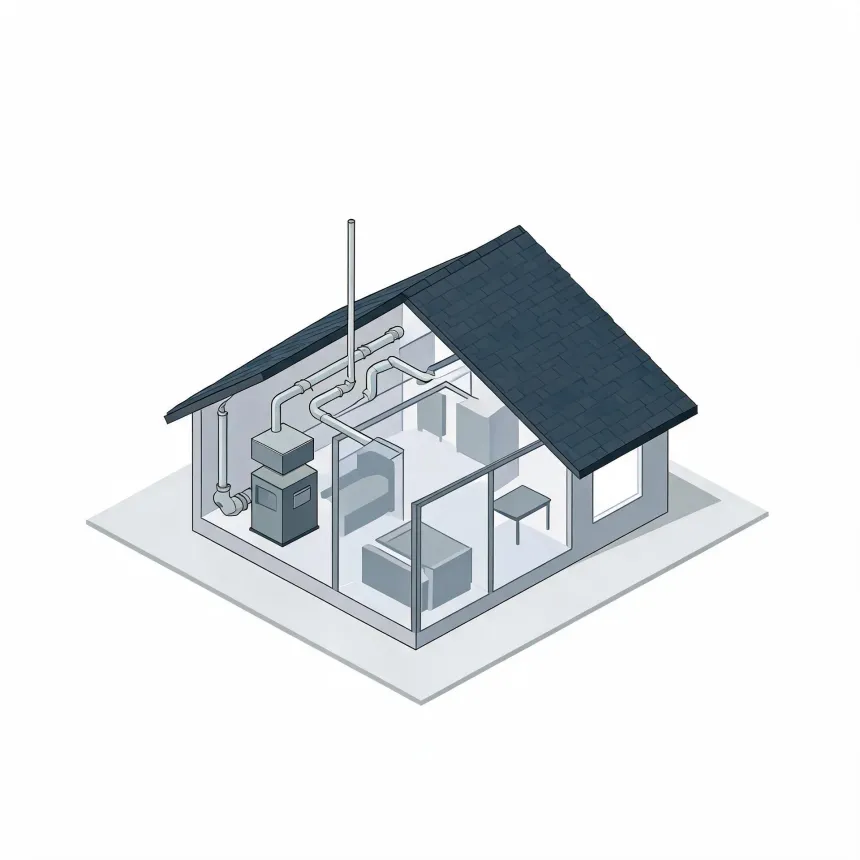
The igniter or the flame sensor causes more no-heat calls than anything else in the cabinet. The igniter cracks with age and stops glowing hot enough to light the gas. The flame sensor coats over with a film and can no longer tell the control board a flame is burning, so the board shuts the gas off as a safety measure. Both parts are small, both wear out on their own timeline, and neither one gives much warning before it fails.
The blower motor and the inducer motor each have a bearing that wears, whether the furnace runs hard all winter or barely gets used. A motor going bad usually announces itself first: a grinding sound, a squeal on startup, or a blower that spins slower than it should. Catching that sound early and getting the motor looked at often costs a lot less than waiting for it to seize.
A furnace that's struggling still tries to do its job, and that's the problem. A cracked heat exchanger will keep running while it leaks exhaust into the air stream, because nothing in the system forces it to stop on its own. A failing blower motor keeps turning on a bad bearing until the bearing seizes, instead of wearing out gradually and giving you time. Low airflow from a clogged filter makes the heat exchanger run hotter than it should, and heat cycling on metal that hot is what cracks it in the first place. Some problems do stay small if you catch them. A flame sensor coated with film just needs cleaning before it fails outright. But once a part is actually breaking down, running the furnace through that failure usually turns a repair into a bigger one, or turns a safety switch into a part that has to be replaced.
A diagnostic visit starts before the panels come off. A tech will ask what the furnace was doing right before it quit, whether you heard anything odd, and whether the heat had been uneven for a while. Then they pull the cabinet and check things in order: power to the board, the sequence of operation, flame signal, airflow. Most furnaces store fault codes as a series of blinks on the control board, and that blink pattern usually points straight at the failed part before any tool comes out. From there it's testing, not guessing. A multimeter checks whether the igniter is getting voltage and drawing the right current. The flame sensor gets pulled and looked at, not just cleaned on a hunch. Airflow gets checked at the filter and the vents, since restricted air causes problems that look like other failures. The visit ends with the tech telling you what failed and why, not just what part needs replacing.