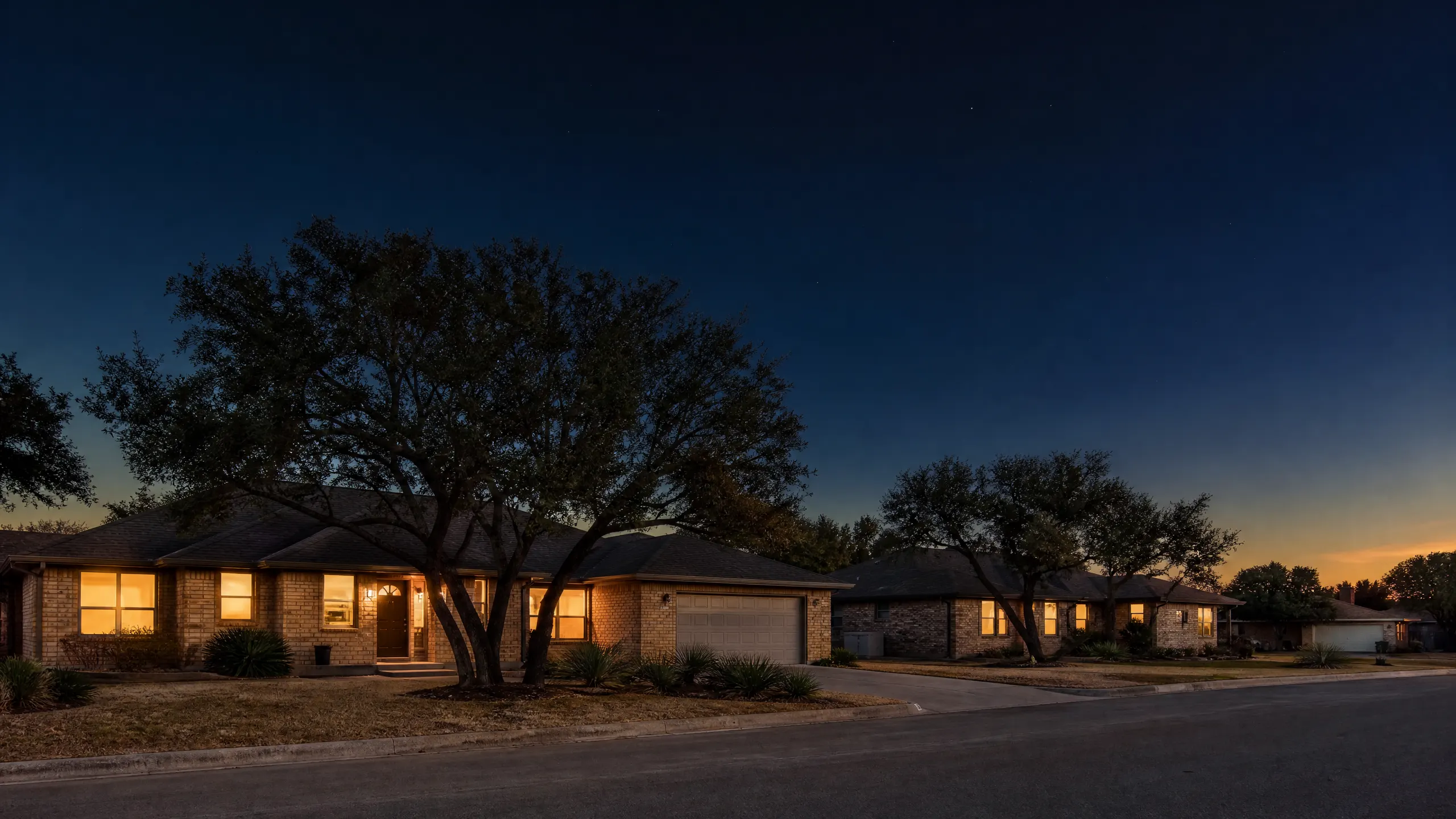
A lit single-story brick ranch house with an attached garage photographed from the street at dusk, flanked by large mature oak trees.

Furnace Repair in McAlester, OK

Tell us about the job

Takes about a minute. No obligation.

RepairFurnace or heatingPittsburg County, OK
Step 1 of 2

What ZIP code is the job in?

Pittsburg County sees serious storms

Pittsburg County recorded 147 severe weather events between 2015 and 2024, including 61 damaging wind events, 67 hail events and 10 tornadoes. Nine winter storms hit the county in that same stretch. Weather here does real, repeated damage, not just the occasional bad night.
Outages here aren't rare

A quarter of Oklahoma households went at least 24 hours without power in 2024. A furnace that depends on electricity to run, even a gas furnace needs power for the blower and ignition, goes down when the power does. With winters this cold, that's not a small thing to go without.

6 months
November through April, your furnace is on duty
32°F
the average winter night it heats against
9 winter storms
in ten years, the nights a failure hurts most
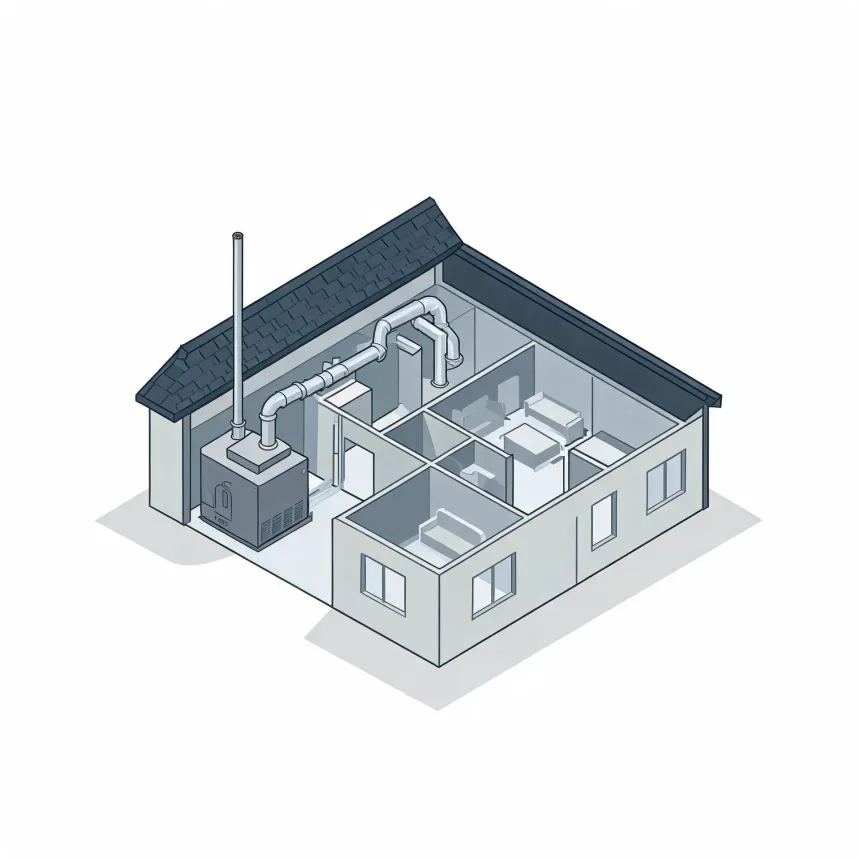
Isometric grayscale illustration of a cutaway single-story house showing interior rooms with furniture, plus an exterior furnace unit with a tall flue pipe and ducting running into the attic space.
Your furnace works hardest from November through March.

NOAA nClimDiv, 1991–2020 normals

Furnaces here only run about six months a year, November through April.

A furnace with six easy months behind it has plenty of life left to repair.

Furnace trouble shows up fastest when November turns the heat on for the first time

Heat runs November through April
Winter nights average 32°F
9 winter storms from 2015 to 2024

Six easy months a year leaves most of the repair bill worth paying, so the part that failed is usually the thing to fix, not a reason to replace the whole furnace. If it's not heating, start with the thermostat and the breaker before assuming the worst. A furnace that won't light is often just an igniter or a flame sensor, both cheap compared to the unit itself. Short cycling or a blower that won't shut off points to a different problem, but it's still a repair, not a replacement, on a machine that's only worked half the year since it went in. Get it looked at before the next cold snap, not after.

After a storm, get the furnace checked along with everything else

If hail or wind came through recently and the furnace is acting up now, the outdoor parts of the system are worth a look along with it. A technician can check both while they're out.

Find a contractor
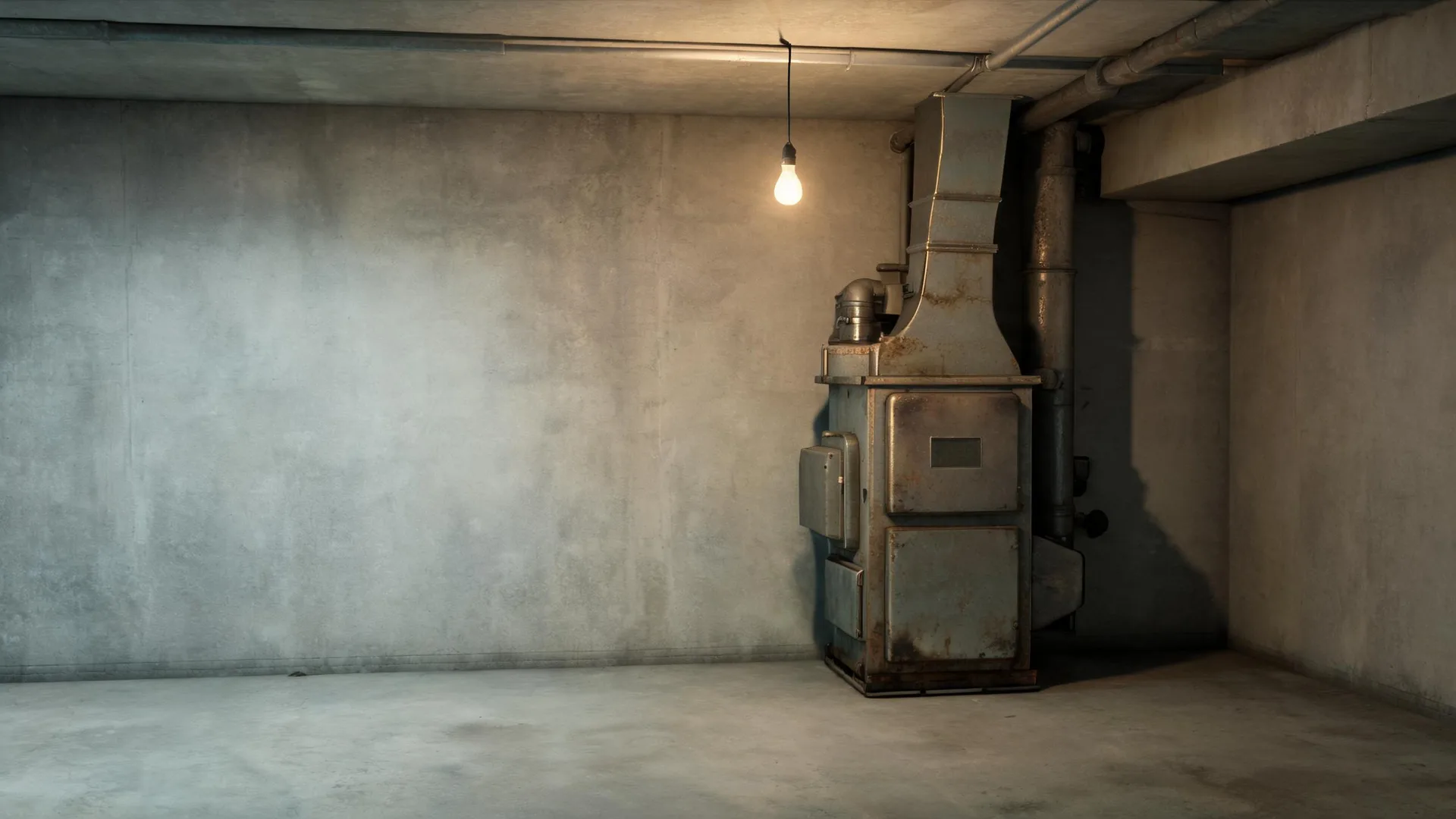
A gray gas furnace with attached ductwork and piping installed in an unfinished concrete basement.

What to check before you pick up the phone

Before you call anyone, check the thermostat is set to heat and the temperature is above room temperature. Check the breaker box for a tripped switch, furnaces often share a circuit with the air handler and a tripped breaker looks exactly like a dead furnace. If you've got a standing pilot, check it's still lit. If the furnace has a reset button on the blower housing, it's safe to press once. Check the air filter next. A filter clogged with dust chokes airflow and can cause the furnace to shut itself off partway through a cycle, which looks like a bigger problem than it is. Look at the vent pipe outside where it exits the house and make sure nothing is blocking it, no debris, no nest, nothing stacked against it. If the furnace runs but the air feels cool, give it a few minutes before worrying, some systems take a moment to warm up. None of this tells you what's actually wrong inside the unit, but it rules out the things that aren't a repair at all.

A cracked heat exchanger doesn't stay small

Once a heat exchanger cracks, running the furnace flexes that metal every time it heats up and cools down. The crack grows. What starts as a hairline split can open enough to push exhaust into the air the blower is moving through the house, and that's a problem no thermostat setting fixes.

A failing part can take others down with it

A blower motor running on worn bearings has to work harder to spin, and that extra draw heats the motor windings past what they're built for. Keep it running and the motor can burn out completely, turning a repair into a replacement. The same goes for a flame sensor coated in residue: ignore it and the furnace will keep shutting off mid-cycle until something downstream wears out from the repeated starts.

Most furnace trouble announces itself before the furnace actually quits. A burner that used to light with a soft whump and now clicks several times first is telling you the igniter or flame sensor is on its way out. A yellow, flickering flame instead of a steady blue one means the gas isn't burning clean, and that's worth a call on its own. Listen for the blower too. A squeal on startup usually means a motor bearing is wearing down, and a rattle that comes and goes points to something loose in the cabinet. If you notice a burning dust smell that doesn't fade after the first few minutes of a cycle, or the air coming out feels lukewarm instead of hot, don't wait those out. Short cycles, rooms that won't hold their temperature, and a furnace that runs long after the thermostat is satisfied are all signs something inside isn't controlling the cycle the way it should.

A good rule: pay for the part, not the age of the unit, as long as the part stays fixed once it's fixed. One failed igniter or a cracked flame sensor is a repair, plain and simple. Those parts fail on their own and don't say anything about the rest of the furnace. The heat exchanger is different. It isn't cheap to replace on its own, and the labor to get at it often costs as much as the unit itself, so a tech will usually say straight out that putting money into that one repair doesn't make sense. Short, light winters work in the furnace's favor here, but they don't erase a part that keeps failing. If the same furnace has needed a service call every winter for a few years running, that pattern is worth asking about even when each repair was small on its own.