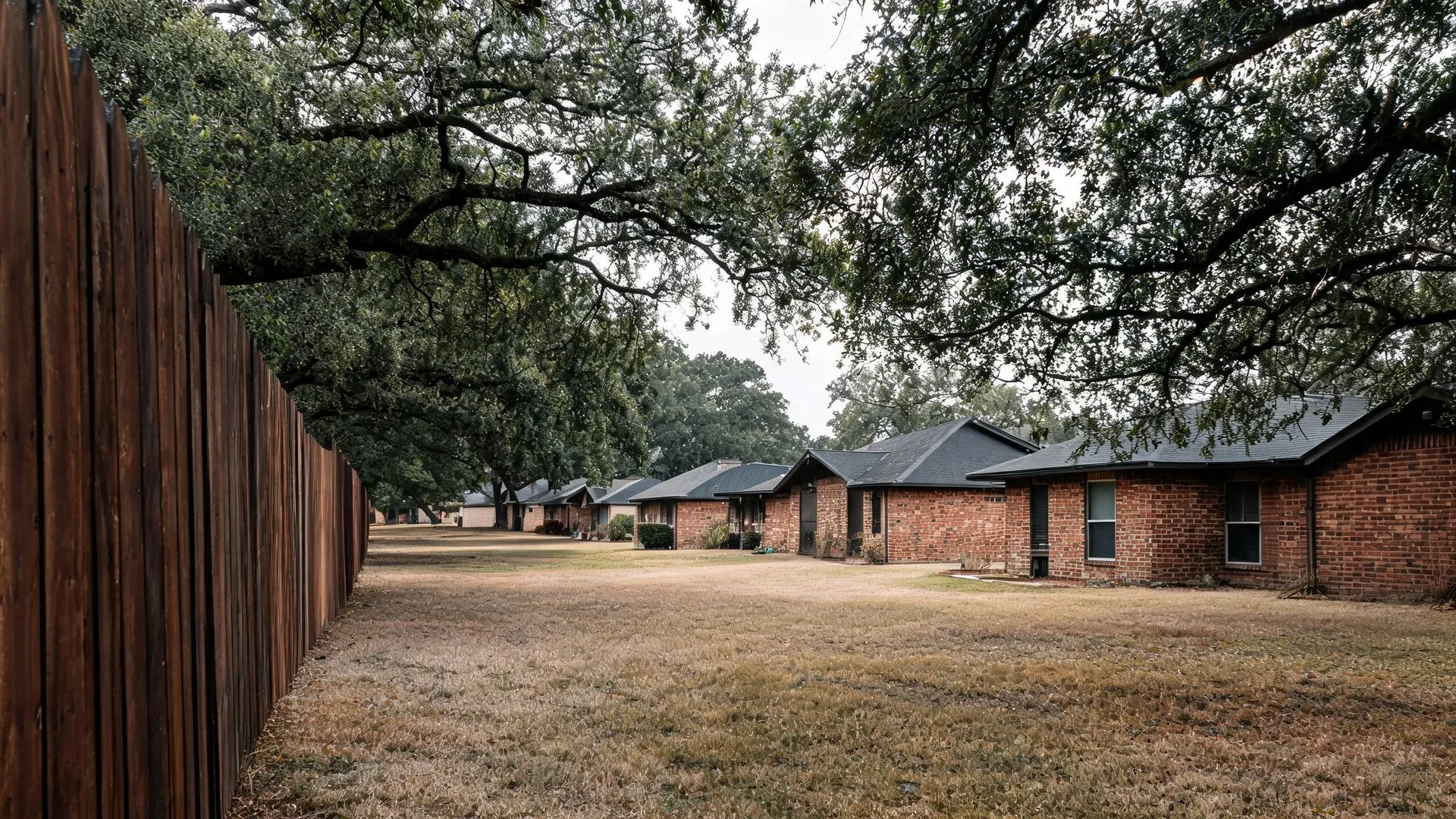
A row of single-story brick houses with dark gabled roofs behind a dry grass lawn, bordered on the left by a tall wooden privacy fence and shaded by large oak branches overhead.

Furnace Repair in Skiatook, OK

Tell us about the job

Takes about a minute. No obligation.

RepairFurnace or heatingOsage County, OK
Step 1 of 2

What ZIP code is the job in?

Short cycling wears parts out faster

A furnace that fires up, runs a few minutes, then shuts off before the house warms is working against something: a dirty flame sensor, a clogged filter, or a limit switch tripping from heat buildup. Each short cycle stresses the ignition system and the blower motor. Left alone, it's usually the igniter or the sensor that fails next.

A failing igniter won't always announce itself

Sometimes the furnace just doesn't light, no warning first. Other times you get a few good days and then a cold house out of nowhere. A worn igniter or a bad flame sensor often works intermittently before it quits for good, so a furnace that's been acting up off and on is already telling you something is close to done.

7 months
October through April, your furnace is on duty
27°F
the average winter night it heats against
12 winter storms
in ten years, the nights a failure hurts most
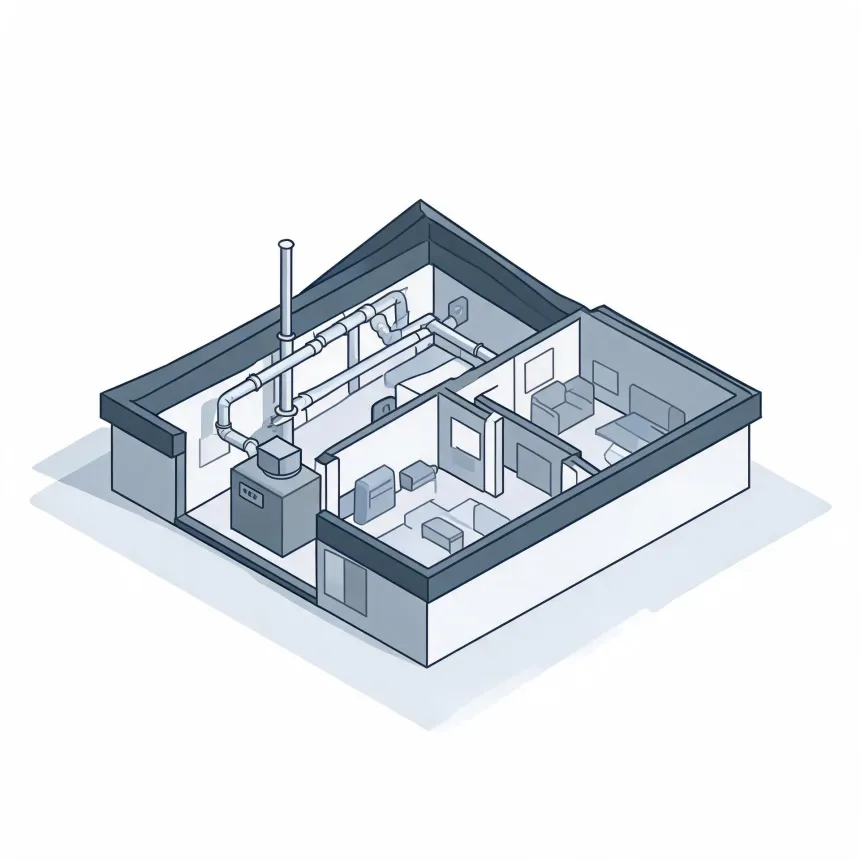
Isometric line illustration of a cutaway building interior showing a furnace unit with a flue pipe and ductwork running along the ceiling, plus adjacent rooms with simplified furniture.
Your furnace works hardest from November through March.

NOAA nClimDiv, 1991–2020 normals

A furnace that won't start is sometimes just a switch away from running.

Check the thermostat batteries, the power switch, and the filter before you assume the worst.

Osage County sees enough storms that your furnace needs to take a hit and keep working

198 severe weather events from 2015 to 2024
25% of homes statewide lost power a day or more in 2024
97 damaging wind events from 2015 to 2024
Furnace trouble shows up fast once the cold sets inHomes here start running heat in October and keep it on through April, about seven months straight.

A technician starts by asking what the furnace is doing: not firing at all, firing and shutting off, running but not heating the house. That answer narrows things down before a panel ever comes off. From there it's a sequence, not a guess. Power and thermostat signal get checked first, because there's no point testing ignition if the board isn't getting a call for heat. Next comes the ignition system itself, the flame sensor, and the safety switches that will shut a furnace down rather than let it run unsafe. A dirty flame sensor reads different on a meter than a cracked one, and a limit switch that's tripping from restricted airflow points back to the filter or the ductwork rather than the switch itself. The visit ends with the part that's actually failing identified, not just the symptom it's causing.

If the last storm hit your outdoor unit, don't wait for it to fail

Hail and debris can damage a furnace's outdoor unit without stopping it outright. It might still run for weeks before the damage catches up with it, usually on a cold night when you need it most. If you've had a storm come through recently, worth having it looked at now, while it's still just a check and not a cold house.

Find a contractor
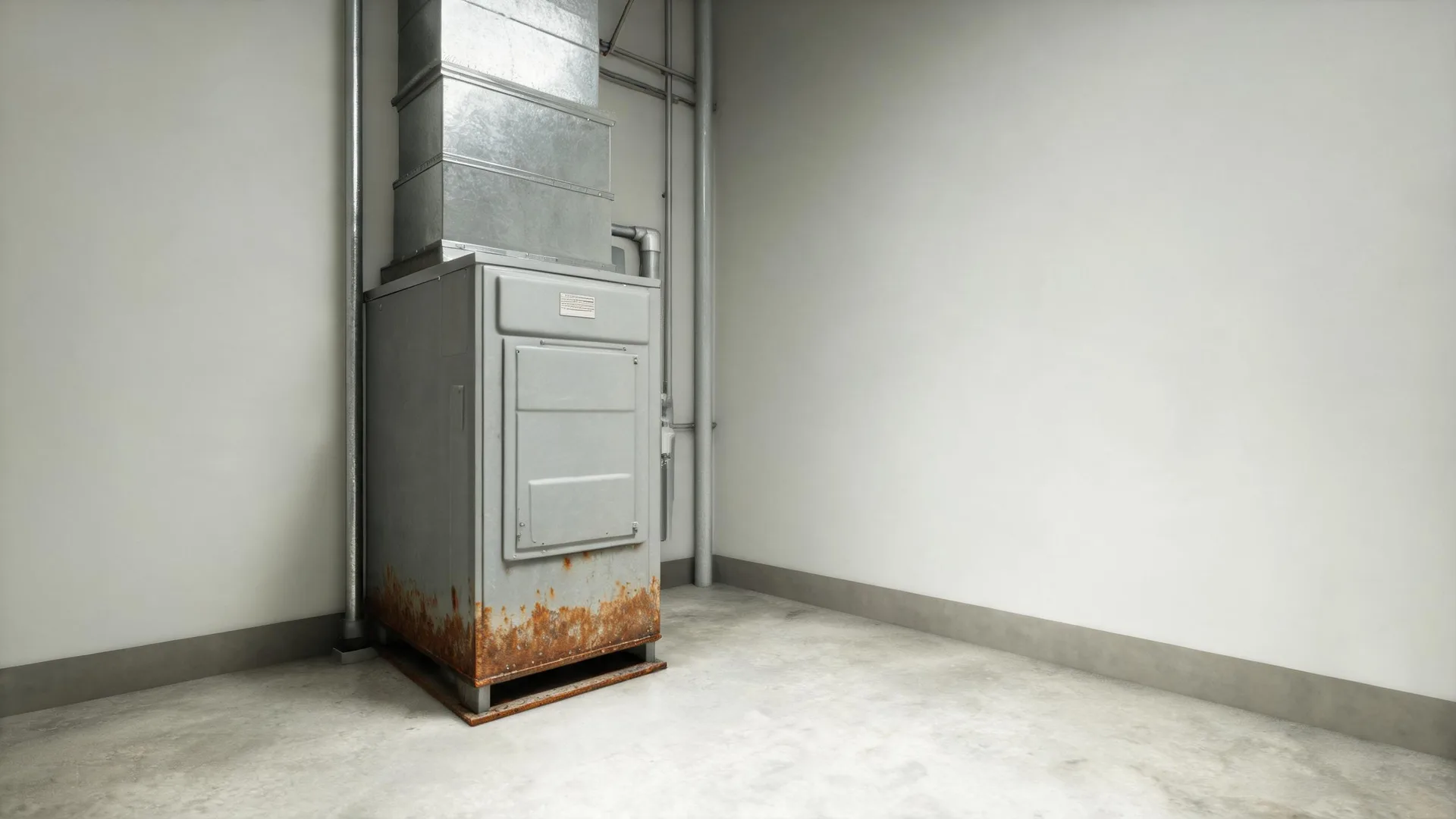
A gray gas furnace with attached ductwork and piping installed in an unfinished concrete basement.

A furnace that's struggling now is wearing out something else

A furnace that's struggling doesn't fail quietly. It keeps trying to do the job with a part that can't do it anymore, and that's what causes real damage. A cracked heat exchanger under a furnace that keeps firing will crack further. A blower motor straining against a clogged filter will run hotter than it should every single cycle until the bearings give out. A flame sensor too fouled to sense properly makes the furnace shut off and try again, over and over, and each failed attempt puts more wear on the igniter. None of that resets itself. The part that's struggling today is the part that quits tomorrow, and it usually takes something else down with it on the way.

Most failures start with dirt or age, not bad luck

A flame sensor coated in a thin layer of carbon stops sensing the flame it's sitting in. A filter packed with dust starves the blower and lets heat build where it shouldn't. An igniter that's been cycling on and off for years finally cracks. None of this is sudden. It's wear that reached a point where the furnace couldn't cover for it anymore.

What fails first depends on how the furnace is used

A furnace that cycles a lot, because the thermostat is set to swing or the filter runs dirty, puts more hours on its igniter and blower motor than one that runs steady. More hours means those parts reach the end of their life sooner. The failure isn't random. It's whichever part took the most abuse getting the house through the months it had to.

A gray forced-air furnace with ductwork stands in an unfinished concrete basement surrounded by storage items and clutter.

A new furnace would cut about $120 a year off heating for a typical Osage County home.

  • A new high-efficiency furnace$530 a year
  • An older furnace$650 a year

Estimates for a typical Osage County home, compared with an older unit built to the previous federal minimum, from EIA household energy data, Oklahoma fuel prices and NOAA climate normals. Your home will differ.

Repair makes sense when one part has failed and the heat exchanger is sound.

Replacement makes sense when the heat exchanger is cracked or the furnace keeps needing parts.

Not every failure is worth fixing, and age is the thing to weigh against the repair. A furnace that's getting old and needs a flame sensor or a new igniter is usually still worth the money, because those are normal wear parts and the rest of the furnace isn't going anywhere. A cracked heat exchanger is a different question, especially on an older unit, because that's the part that's expensive enough and central enough that it changes the math. The other thing to weigh is whether this is the first repair or another one in a string of them. One failure is a part wearing out. A furnace that keeps coming back for different reasons is telling you the whole system is reaching the end together, not just the piece that happens to be broken this time.