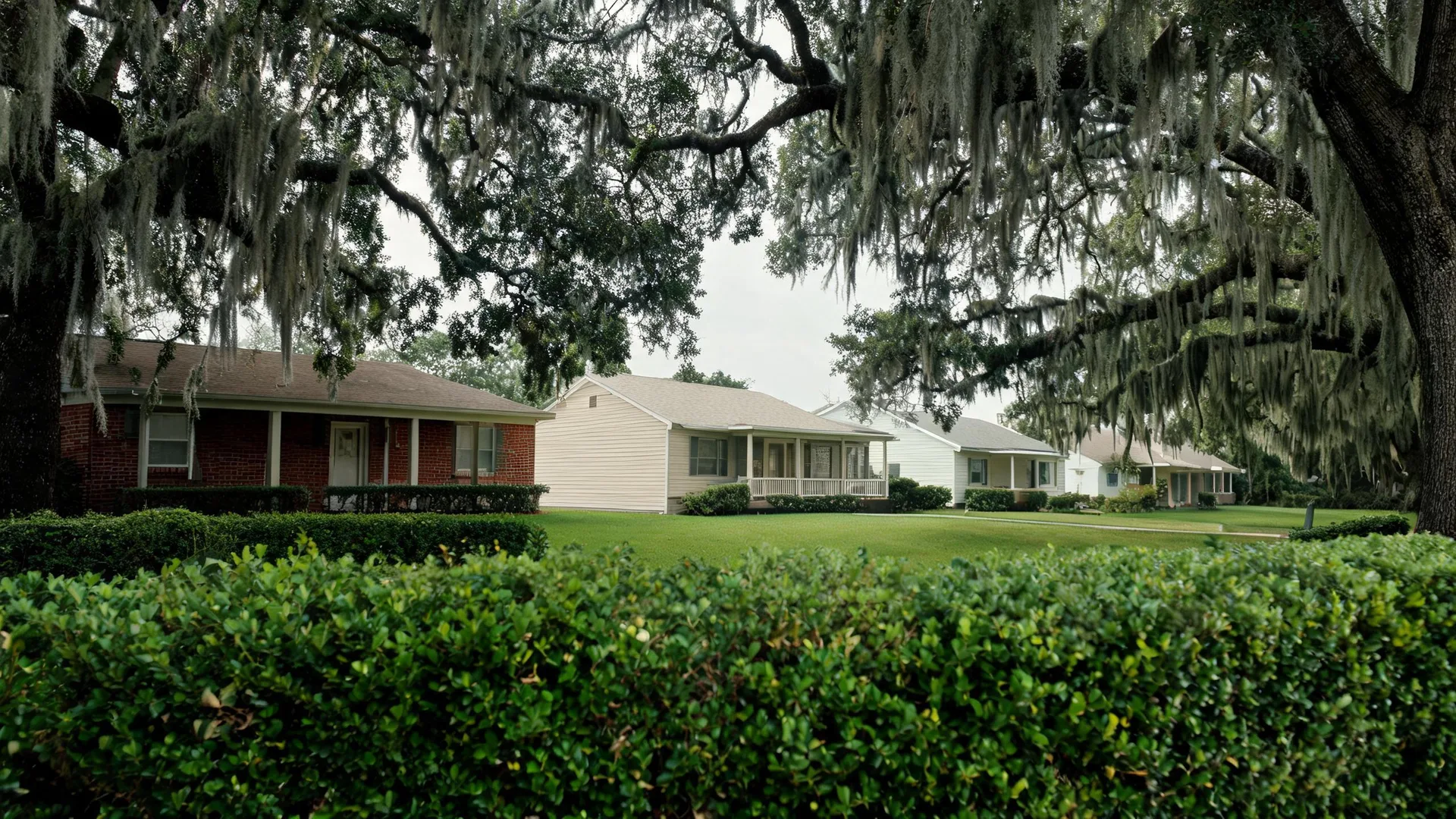
A row of single-story houses, one of red brick and others with pale siding, behind a mowed lawn and a tall trimmed hedge, framed by large oak branches draped with Spanish moss.

Furnace Repair in Tahlequah, OK

Tell us about the job

Takes about a minute. No obligation.

RepairFurnace or heatingCherokee County, OK
Step 1 of 2

What ZIP code is the job in?

Check the simple stuff first

Make sure the thermostat is set to heat and the temperature is above room temperature. Check the breaker for the furnace and the switch that looks like a light switch near the unit, since that cuts power for service and sometimes gets bumped off. Look at the filter. A filter packed with dust chokes airflow and can shut the furnace down on its own.

Know what to tell the tech

Notice whether the furnace tries to start at all, whether you hear clicking with no flame, or whether it runs but blows cold air. Check if the pilot light or igniter glow is visible if your furnace has a viewing window. Telling the contractor what you saw and heard, and when it started, helps them narrow down the problem before they even open the panel.

7 months
October through April, your furnace is on duty
30°F
the average winter night it heats against
9 winter storms
in ten years, the nights a failure hurts most
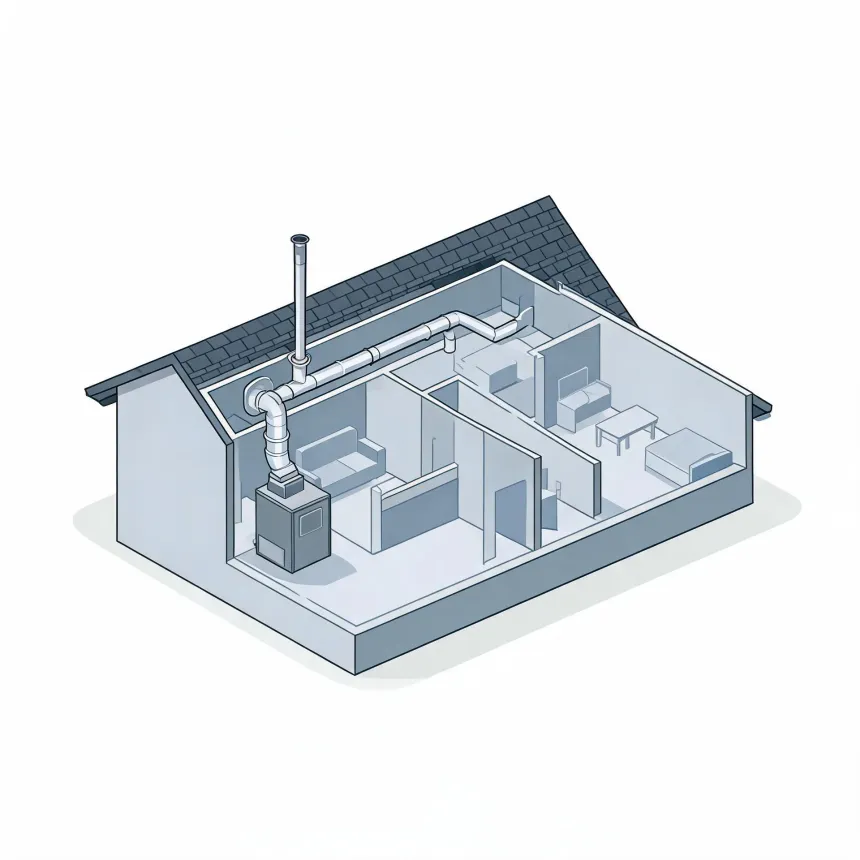
Isometric cutaway illustration of a single-story house showing interior rooms with furniture and a furnace connected to ductwork and a vertical flue pipe extending through the roof.
Your furnace works hardest from November through March.

NOAA nClimDiv, 1991–2020 normals

Half the homes in Cherokee County were built in 1989 or later.

A furnace in a newer Cherokee County home usually still has plenty of working life left, which makes repair the right call.

Seven months of mild winter nights means your furnace isn't working as hard as you'd think

Heat runs October through April
Winter nights average 30°F
Climate zone 3A

Furnace season starts in October here. September is worth a look before that, especially if last winter ended with the furnace acting up and you never called anyone. A weak igniter or a failing flame sensor often still limps along at the end of a season, then fails outright the first cold night it has to run a full cycle. That first stretch of real cold is when the extra load finds whatever was already marginal. Getting a furnace checked in September means a tech finds that part on their schedule, not on a night when the house is already cold.

Repair it

If your system came with a newer house, it likely has plenty of life left. Repair is usually the right call.

Find a contractor
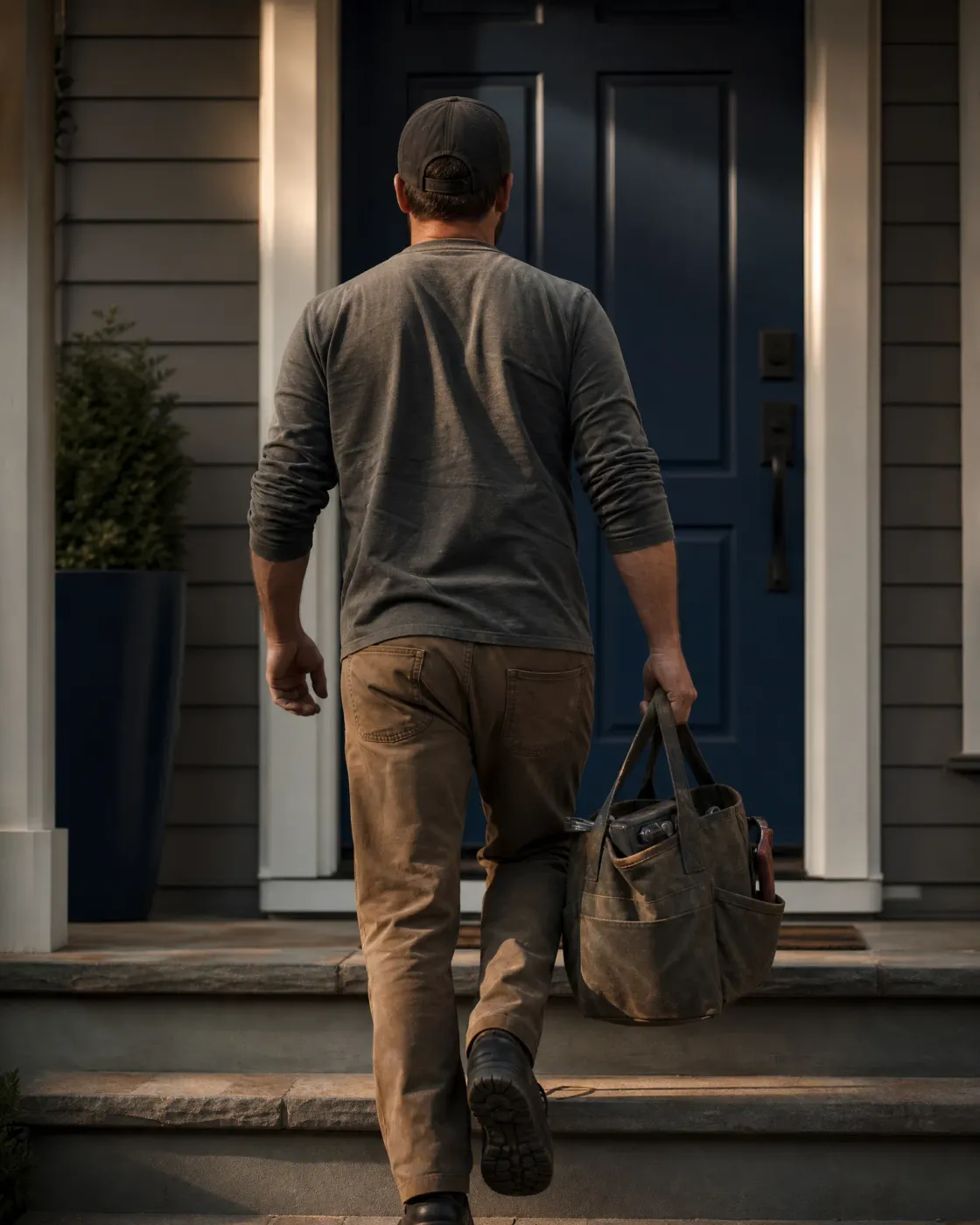
A man in a cap, gray long-sleeve shirt and tan pants walks up stone steps toward a dark blue front door, carrying a waxed canvas tool bag in his right hand.
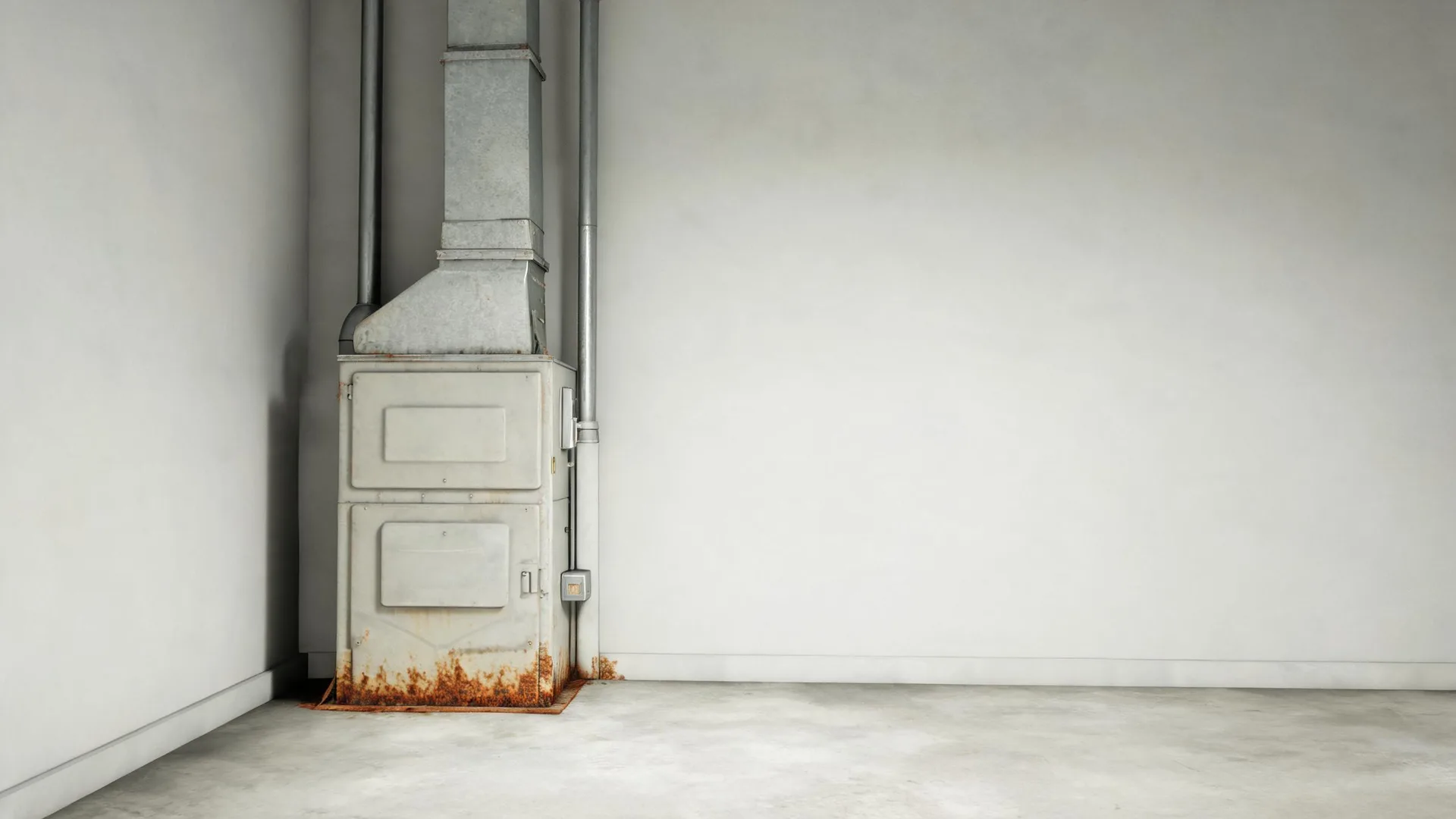
A gray residential gas furnace installed in an unfinished basement, surrounded by ductwork, a metal flue pipe, and a gas supply line.

Worth fixing, not replacing

If your furnace came with the house and the house is one of the newer ones here, a tech can usually get it running again rather than talking you into a replacement. Worth mentioning when you call is about how old the system is, or whether it's original to the house. That alone tells a contractor what to expect before they get there.

The igniter wears out from doing its job

Every cycle, the igniter heats up and cools back down, and that repeated stress is what eventually cracks it. It's usually not one bad moment that kills it. It's the accumulated cycling, so an igniter that's run for several seasons is simply closer to the end than one installed last year.

A dirty flame sensor reads as a bad one

The flame sensor's job is to confirm the burner lit, and it does that by sensing current through a thin coating. Soot builds up on that coating over time and blocks the reading, so the furnace shuts off thinking there's no flame even though there is. Cleaning the rod often fixes what looks like a sensor failure.

A furnace that short cycles, turning on and off every few minutes without warming the house, is usually struggling to get enough air, often from a clogged filter or blocked vent. A furnace that runs long and steady but never quite reaches the set temperature points somewhere else, maybe a thermostat out of calibration or a duct that's come loose. Banging or popping when it starts is often the ductwork expanding as air heats up, which is normal in small amounts but worth mentioning if it's new or getting louder. A burning smell the first time it runs after a long break is usually just dust on the heat exchanger and clears in a few minutes. If that smell lingers or comes back every cycle, that's different and worth a call. Listen for a furnace that hums like it wants to start but never catches. That's often the igniter or the gas valve, and it won't fix itself by waiting.

A diagnostic visit starts before the panel comes off. A tech wants to hear what the furnace is doing, or not doing, and when it started, then they'll watch it run through a cycle if it'll run at all. That means checking for spark or flame at the igniter, checking that the gas valve is opening when it should, and pulling the flame sensor to look at the coating on it. They'll check the limit switch and the pressure switch too, since either one can shut the whole system down without anything looking obviously wrong. Airflow gets checked along the way, filter, blower wheel, the supply vents, because a furnace that's starving for air will trip safety switches that have nothing wrong with them. Most of the visit is ruling things out in order until what's left is the actual problem.