


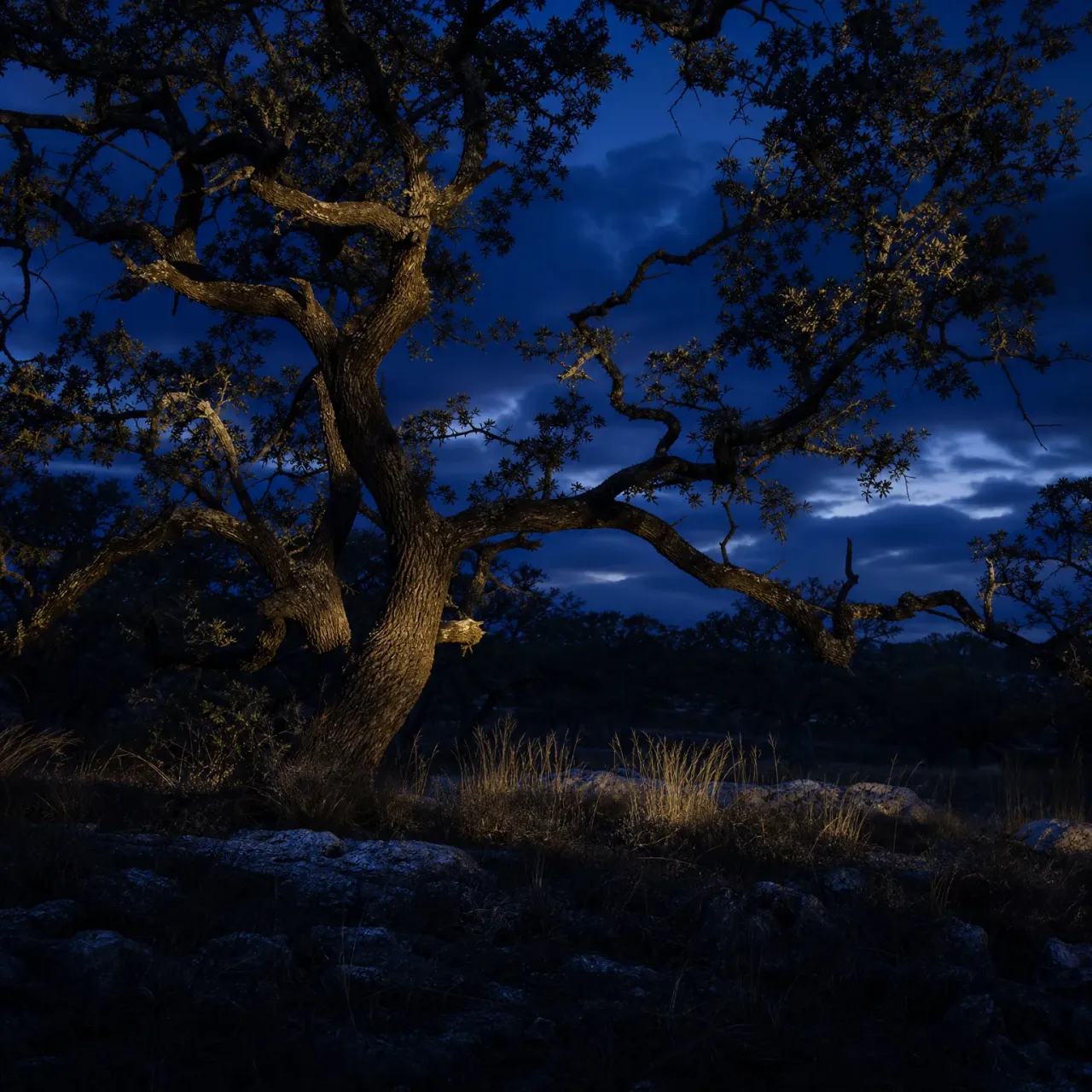



A gray forced-air furnace with ductwork stands in an unfinished concrete basement surrounded by storage items and clutter.

Furnace Repair in Bartlesville, OK

Tell us about the job

Takes about a minute. No obligation.

RepairFurnace or heatingWashington County, OK
Step 1 of 2

What ZIP code is the job in?

Before you call, check the thermostat first. Make sure it's set to heat and the temperature is set above room temperature, not just on auto. Next check your breaker panel and any switch that looks like a light switch near the furnace itself, since that shuts off power for service and sometimes gets bumped off by accident. If you have a gas furnace, look for a pilot light or check that the gas valve is turned to on. Pull the filter and hold it up to a light. If you can't see light through it, that's restricting airflow enough to cause real problems, and swapping it might solve things on its own. If the furnace runs but the air coming out feels cool, let it run a few minutes longer before deciding something's wrong, since it takes time to warm up.

7 months
October through April, your furnace is on duty
27°F
the average winter night it heats against
63%
of homes here heat with gas, so most furnaces here burn gas
7 winter storms
in ten years, the nights a failure hurts most
Isometric line illustration of a cutaway building interior showing a furnace unit with a flue pipe and ductwork running along the ceiling, plus adjacent rooms with simplified furniture.
Your furnace works hardest from November through March.

NOAA nClimDiv, 1991–2020 normals

A cracked heat exchanger gets worse every hour the furnace keeps firing.

Shut it down and get someone out rather than letting it run until the next cycle.

Half the furnaces in Washington County are working in houses built in 1971 or earlier

Half the homes here were built by 1971
Heat runs October through April
Winter nights average 27°F

Furnaces here start working in October, and that first cold snap is when weak parts give out. A furnace that sat quiet since April won't show a cracked heat exchanger or a failing igniter until it has to run hard, and that first real test usually comes in the first few weeks of the season. September is a good month to have it looked at, before you're relying on it every night through April.

Ask how much life it has left

If your system came with an older house, it may be near the end of its life. Ask how much life it has left before paying for a big repair.

Find a contractor
A man seen from behind in a dark shirt and tan pants climbs concrete steps toward a navy blue front door, carrying a canvas tool tote in his right hand, with a large blue planter and shrub to the left.
A gray gas furnace with attached ductwork and piping installed in an unfinished concrete basement.

What actually wears out

Furnaces fail from a few things over and over. The igniter wears out from repeated heating and cooling every time it fires, and eventually it just stops glowing hot enough to light the gas. A flame sensor coated in a thin layer of residue will stop the furnace from staying lit, even though the igniter works fine. Inducer motors and blower motors wear on their bearings over years of running and start making noise before they quit. Flame sensors and igniters take the most cycles, since they work every single time the furnace starts. The more often a furnace cycles on and off, the more wear those parts take, so a furnace that short-cycles from a bad thermostat or clogged filter burns through igniters and sensors faster than one that runs in long, steady stretches. Dirty filters strain the blower motor and can cause the heat exchanger to overheat, which shortens its life. Keeping the filter clean and letting the furnace run full cycles instead of short bursts is the simplest way to keep those parts lasting as long as they're built to.

Sounds worth paying attention to

A furnace that bangs or booms when it starts is usually igniting gas that pooled up before it caught, often from a dirty burner. A screech points to a blower motor bearing going bad. A rhythmic clicking that doesn't lead to the burners firing usually means the igniter is trying and failing.

When it won't stay running

A furnace that fires, then shuts off a few seconds later, is often a flame sensor that can't see the flame through a coat of residue. One that cuts off mid-cycle and trips again later may be overheating and tripping a limit switch, often from a dirty filter choking airflow to the heat exchanger.

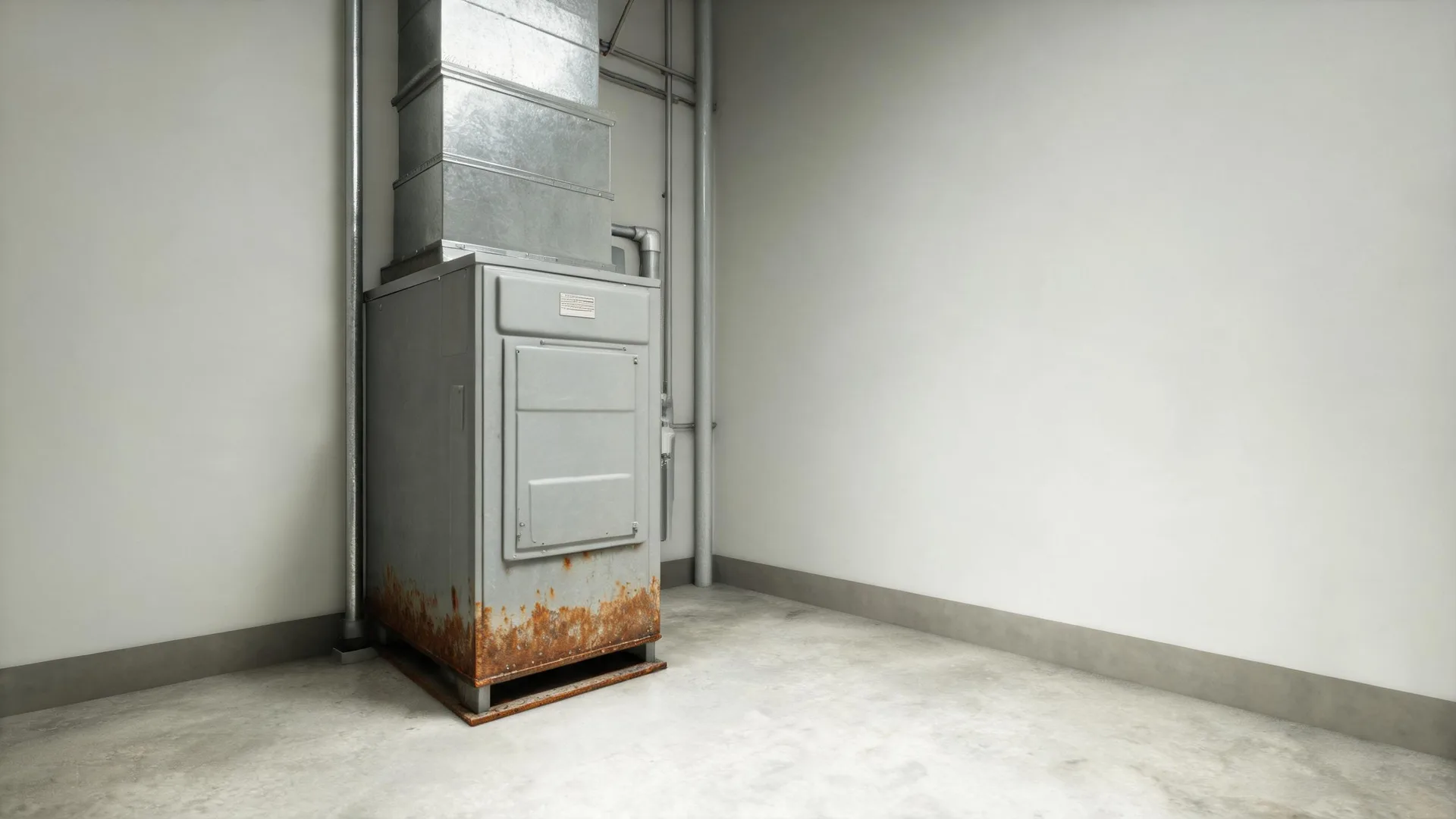
An empty unfinished basement containing a forced-air furnace with overhead ductwork, exposed ceiling joists, and a single hanging light bulb.

A new furnace would cut about $110 a year off heating for a typical Washington County home.

  • A new high-efficiency furnace$530 a year
  • An older furnace$640 a year

Estimates for a typical Washington County home, compared with an older unit built to the previous federal minimum, from EIA household energy data, Oklahoma fuel prices and NOAA climate normals. Your home will differ.

Repair makes sense when one part has failed and the heat exchanger is sound.

Replacement makes sense when the heat exchanger is cracked or the furnace keeps needing parts.

A diagnostic visit starts before any panel comes off. A tech will ask when the trouble started and what the furnace was doing right before, since that points toward which part to check first. Then the covers come off and the igniter gets a look, since a hairline crack there won't always show without pulling it out. The flame sensor gets checked next, and often cleaned regardless, since a light coat of residue can look fine but still block the signal. Pressure switches and the limit switch get tested to see if they're opening when they shouldn't. If the furnace runs during the visit, the tech will watch a full cycle rather than just the start, because some problems only show up once things have had a few minutes to heat up.