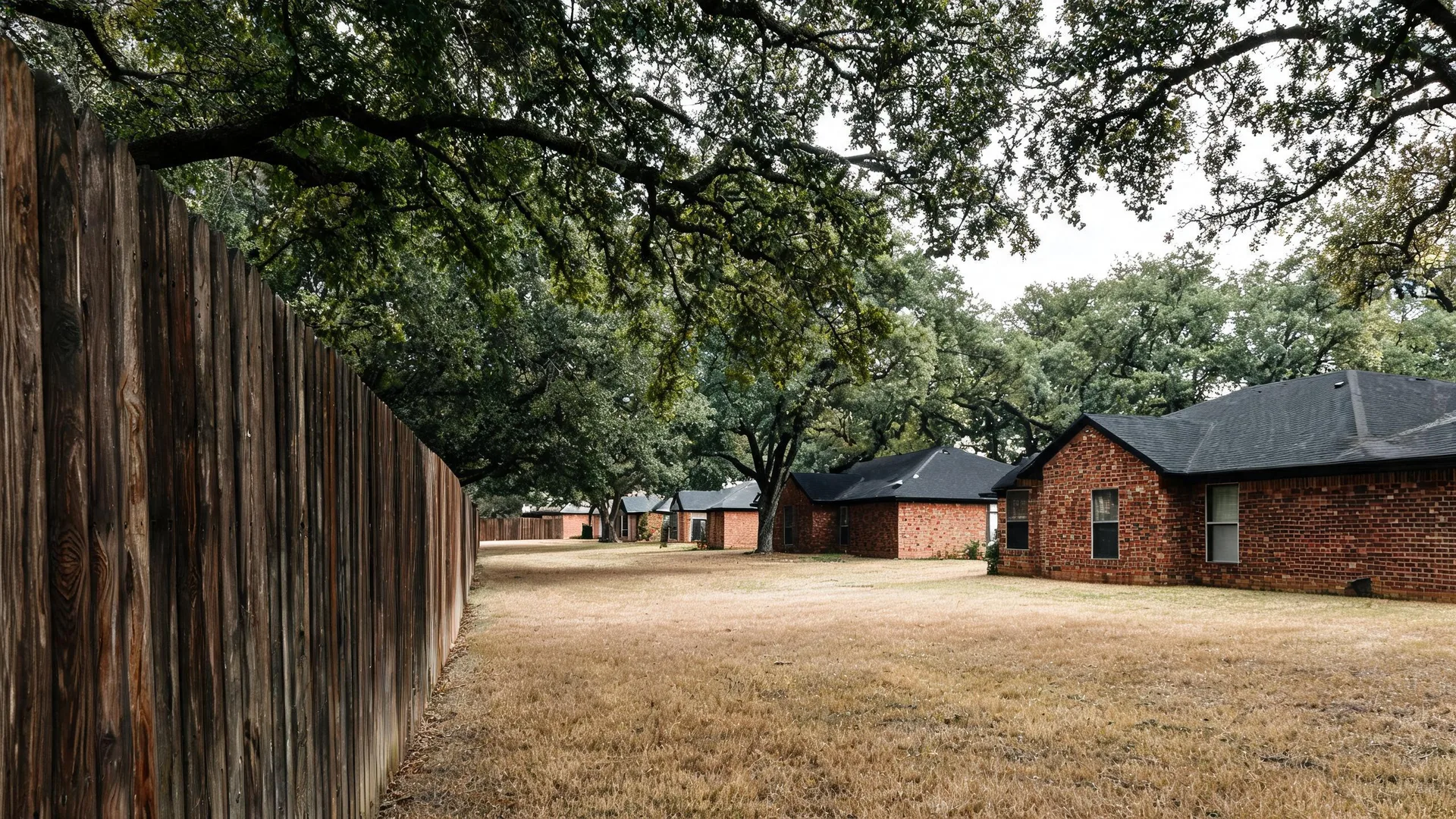





A tall weathered wooden privacy fence runs along the left side of a dry grass lawn, with a row of single-story brick houses with dark shingled roofs on the right beneath large oak trees.

Furnace Repair in Chandler, OK

Tell us about the job

Takes about a minute. No obligation.

RepairFurnace or heatingLincoln County, OK
Step 1 of 2

What ZIP code is the job in?

Lincoln County saw 130 severe weather events between 2015 and 2024. That includes 59 hail events, 50 cases of damaging wind, and 15 tornadoes. Hail dents coils and bends fins, and wind throws branches and debris into the cabinet. A furnace with a damaged outdoor unit can keep running for a while before it fails outright. If your system took a hit this year, it's worth having someone look at it even if the heat still comes on.

7 months
October through April, your furnace is on duty
29°F
the average winter night it heats against
6 winter storms
in ten years, the nights a failure hurts most
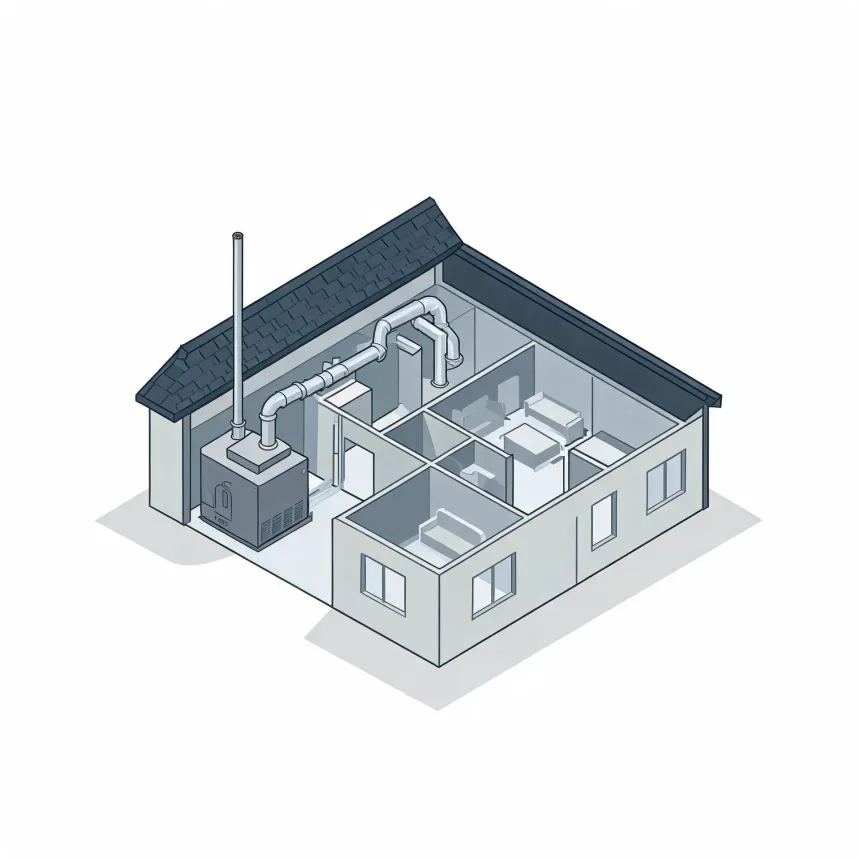
Isometric grayscale illustration of a cutaway single-story house showing interior rooms with furniture, plus an exterior furnace unit with a tall flue pipe and ducting running into the attic space.
Your furnace works hardest from November through March.

NOAA nClimDiv, 1991–2020 normals

A furnace that won't light at all usually means the switch got bumped off or a breaker tripped.

Check the power switch and the breaker before you call anyone out.

Seven months a year is a light workload, not a hard one

Heat runs October through April
Winter nights average 29°F
Climate zone 3A
October is when the weak part shows itselfHeat starts running in October here, and a part that was already weak usually fails in that first cold stretch, not months into the season.

Seven months of light duty most years means a furnace that's basically sound is worth fixing rather than replacing. A cracked heat exchanger or a dead control board is a real reason to walk away, but a bad igniter or a failed flame sensor is a small job on a machine that hasn't been worked hard. Get a diagnosis before you assume the worst. If the unit is old and was already struggling before this breakdown, that changes the math, but age alone on a machine with an easy life here isn't a reason to give up on it.

If your unit took a hit this year, get it checked before winter does the rest

If your outdoor unit took hail or wind damage this year, don't wait for it to fail outright. A furnace can run for months on a damaged unit before it quits. Get it looked at now, while the weather's still mild enough to be without heat for a day.

Find a contractor
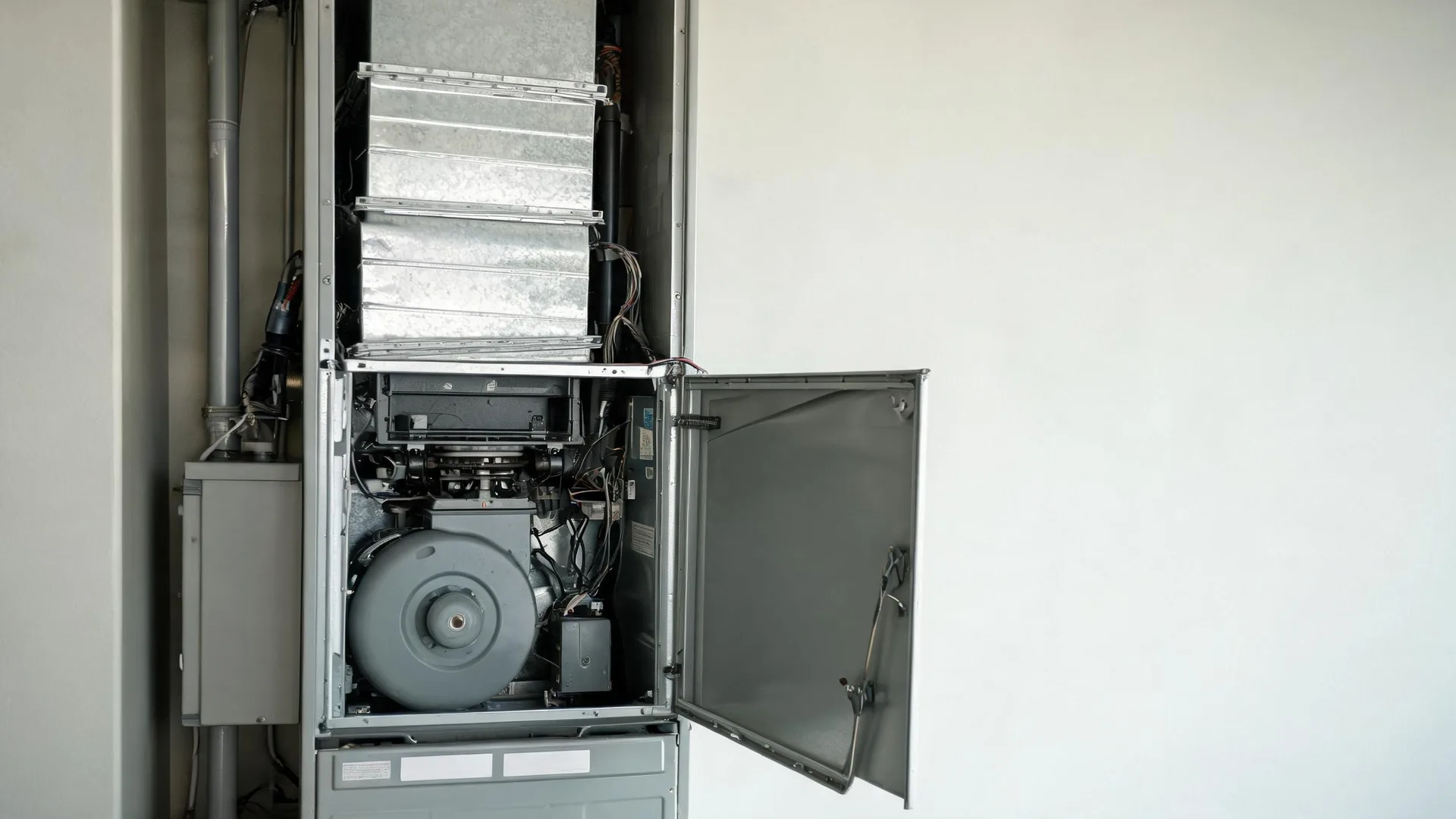
A gray residential gas furnace installed in an unfinished basement, surrounded by ductwork, a metal flue pipe, and a gas supply line.

Most failures are one small part, not the whole machine

Most furnace failures start with one of a handful of parts, not the whole system. The igniter is the one that goes most often. It's a thin strip that glows hot enough to light the gas, and that heating and cooling, over and over, is what eventually cracks it. When it cracks, the furnace runs through its startup cycle and never catches. The flame sensor fails a different way. It doesn't break so much as get coated with a film from normal combustion, and once it's coated it can't tell the control board a flame is there, so the board shuts the gas back off for safety. A draft inducer motor wears out from just spinning for years. If it slows down or seizes, the furnace won't get the airflow it needs to start, and some models won't even try. None of these are failures of a system working too hard. They're parts reaching the end of an ordinary life, the same way a bulb burns out whether it's switched on often or rarely.

The furnace runs but the air is cool

A furnace that blows air without warming the house often has a bad flame sensor shutting the gas off mid-cycle, or a limit switch cutting things short because airflow is restricted somewhere. Either way the burners aren't staying lit long enough to do the job.
Short cycling wears out the parts that are left

A furnace that fires up, runs for a minute or two, and shuts off is stopping itself on purpose. The control board sees a problem, heat buildup, poor draft, a bad sensor reading, and ends the cycle to protect the system. Each short cycle still stresses the igniter and the blower motor, so the longer this goes on, the more likely something else fails too.

A furnace that's struggling doesn't fix itself by staying on. If the heat exchanger has a hairline crack, every cycle flexes it a little more under the heat, and a small crack becomes a bigger one. If the blower motor is drawing too much current because a bearing is going, running it longer just wears that bearing out faster. A clogged filter restricting airflow forces the whole system to work against itself, and the limit switch may start tripping more often as heat builds up where it shouldn't. Even a minor gas valve problem can get worse with repeated cycling, since the valve is opening and closing under strain each time. Shutting the system off and getting it looked at stops a cheap fix from turning into a replaced part, or a replaced part from turning into a replaced furnace.

Repair versus replacement comes down to what's actually wrong, not how the furnace is acting. A failed igniter, a dirty flame sensor, a bad capacitor, these are wear parts, and swapping one out brings the whole machine back to normal. A cracked heat exchanger is different. That's the core of the furnace, and once it's split, the fix is a new furnace, not a patched one. The other thing worth weighing is whether this is the first repair this unit has needed or the latest in a string of them. One failed part on a furnace that's otherwise been reliable is just that, one failed part. A furnace that keeps coming back with something new is telling you the whole system is wearing out at once, even if each individual fix looks small and cheap on its own.