




An unfinished basement interior showing a gray furnace unit beneath a bare incandescent bulb, surrounded by exposed joists, concrete walls, cardboard boxes, and utility pipes.

Furnace Repair in Cleveland, OK

Tell us about the job

Takes about a minute. No obligation.

RepairFurnace or heatingPawnee County, OK
Step 1 of 2

What ZIP code is the job in?

Heat goes on here in October and runs through April, about seven months straight. September is worth a look before that first cold week hits. A furnace that sat quiet since spring will show you its weak spot the first time it has to run hard, and that's usually in those early weeks of the season. If yours is already acting up now, that's not bad luck. It's the same part that was struggling last season finally giving out under load.

7 months
October through April, your furnace is on duty
28°F
the average winter night it heats against
10 winter storms
in ten years, the nights a failure hurts most
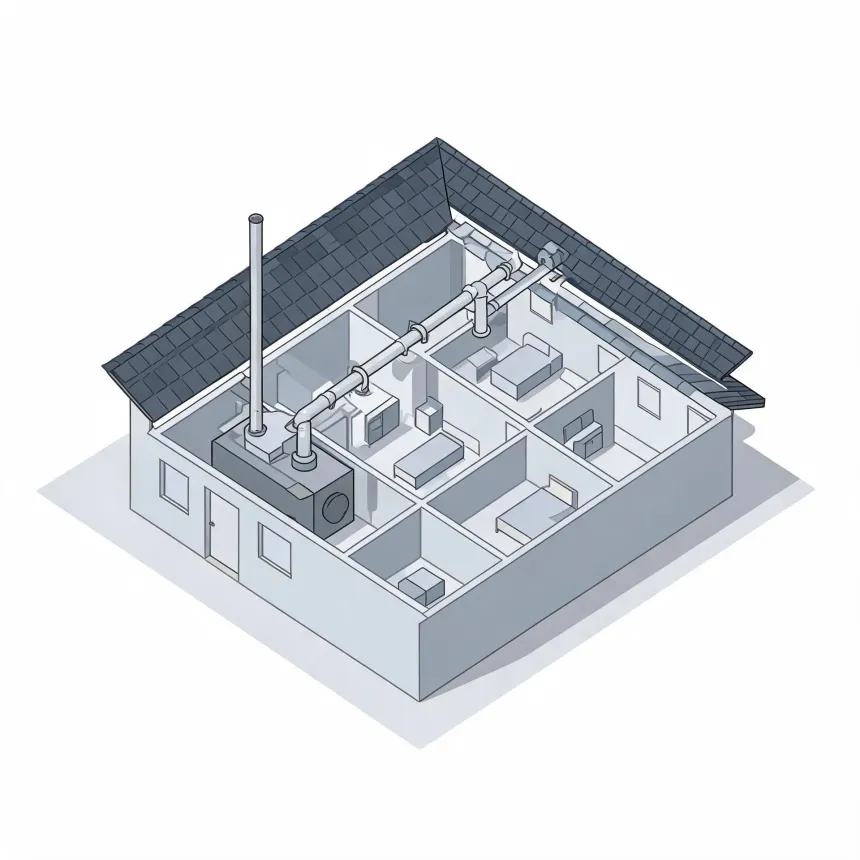
Isometric cutaway illustration of a single-story house showing interior rooms, furniture, a dark furnace unit with a tall vertical flue pipe, and ductwork running under the pitched shingle roof.
Your furnace works hardest from November through March.

NOAA nClimDiv, 1991–2020 normals

A furnace that won't start at all usually comes down to the thermostat, a tripped breaker, or a switch on the unit itself.

Check the thermostat settings, the breaker panel, and the furnace's own switch before calling anyone. They take a minute and rule out the cheapest fixes first.

Pawnee County weather is ordinary. A furnace that won't start usually has an ordinary cause

67 severe weather events from 2015 to 2024
25% of homes statewide lost power a day or more in 2024
32 damaging wind events from 2015 to 2024

Electricity here runs $35.86 per million Btu, in line with the rest of Oklahoma. That's not what breaks a furnace. If yours is electric or you've got a gas furnace with an electric igniter and blower, normal power costs don't strain any part of it. What wears out does so from age and use, the same way it would in any other county. A cracked igniter, a failing blower motor, a flame sensor coated with residue, these show up because the furnace has run for years, not because something about Cleveland pushes it harder. The fix is the same one a tech would make anywhere else.

If your furnace is as old as the house, ask how much life it has left

Half the homes in Pawnee County were built in 1978 or earlier. If your house is one of them and the furnace is original, it's old enough that a repair now might just buy a year or two before the next one. Finding out how much life it has left is worth doing before you pay for the fix.

Find a contractor
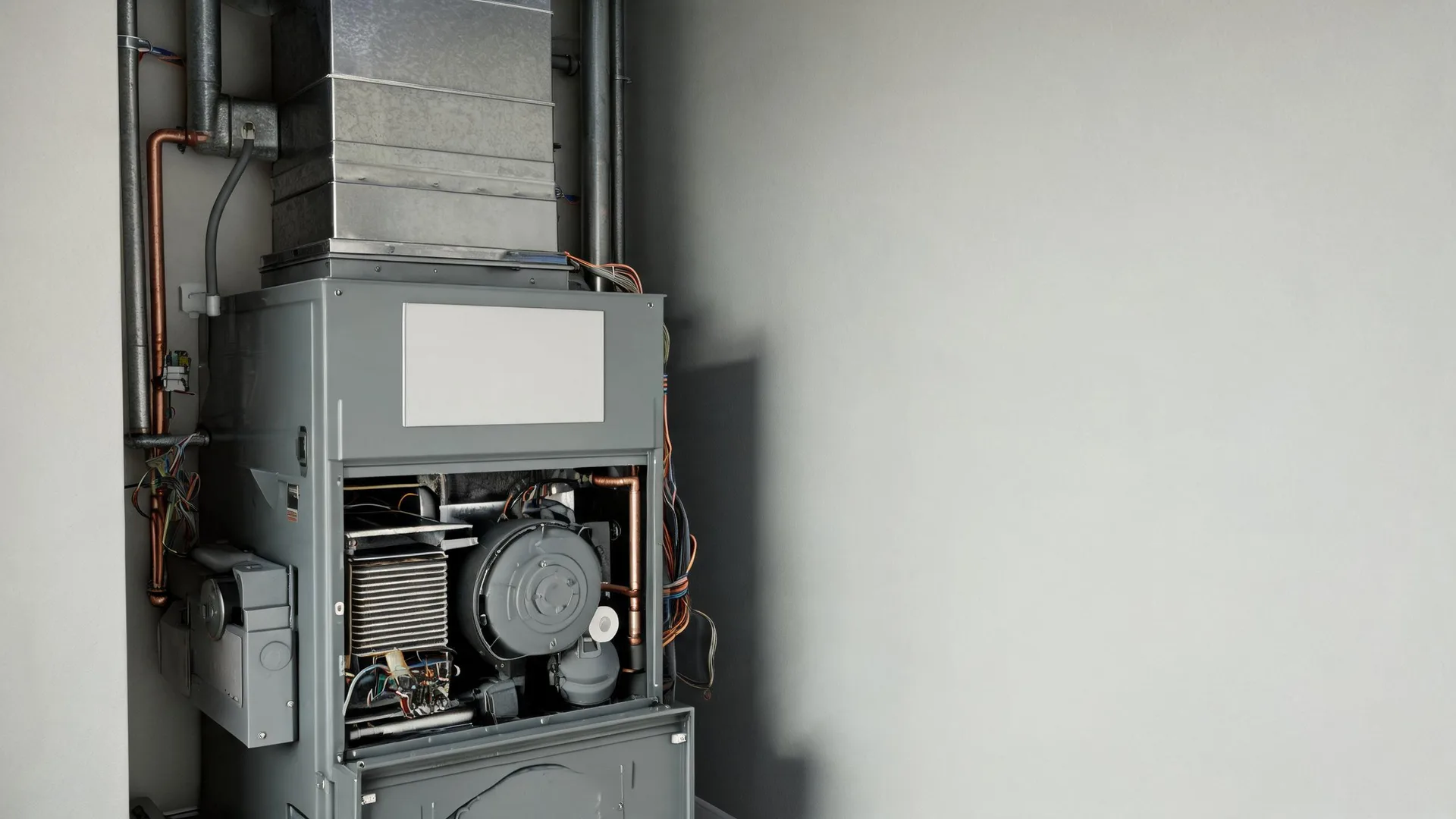
A gray high-efficiency gas furnace installed in an unfinished basement, surrounded by gas lines, a condensate drain, and sheet-metal ductwork.

One repair is normal. A pattern of them is the furnace talking.

One repair is normal. A furnace part fails on its own schedule, and fixing that one part is usually the right call. What changes the math is repairs stacking up close together, one thing fixed in the fall and another by midwinter. That pattern means the furnace is past the point where fixing each thing as it breaks still makes sense. The heat exchanger is the one that changes the conversation. It's the most expensive single repair a furnace needs, and when it's cracked the furnace usually isn't far off from needing other things too. A tech who's actually inside the cabinet can tell you whether what broke is an isolated part or the first sign of the rest following it.

The igniter and the flame sensor wear out on schedule

The igniter heats up and cools down every single cycle, and that stress eventually cracks it or burns it out. The flame sensor sits right in the flame and slowly collects a coating that stops it from sensing anything. Neither one is a sign of bad luck. Both are built to wear down and both are a normal repair, not a reason to worry about the rest of the furnace.
A failing part puts the rest of the system at risk too

A blower motor that's struggling makes the whole furnace work harder to push the same air. A clogged filter does the same thing from the other direction, starving the system of airflow it needs. Either one left alone can shorten the life of parts that were otherwise fine, which is why a furnace that's acting up is worth looking at even when it's still technically running.

A furnace that's struggling still runs, which is exactly the problem. A cracked heat exchanger left alone can let exhaust mix into the air the blower pushes through the house. A blower motor that's overheating will keep cycling on and off until the heat strain wears through the windings for good. A flame sensor that's barely reading the flame can cause the furnace to shut off mid-cycle over and over, and each failed attempt to relight puts more wear on the igniter next to it. None of this fixes itself by waiting. The part that's already struggling is doing more work than it should, and the parts around it are picking up the slack until they're struggling too.

A diagnostic visit starts before the panel ever comes off. A tech will ask what the furnace was doing right before it quit, whether it was blowing cold air, cycling on and off, or making a noise it hadn't made before. That matters, because a furnace that won't ignite points somewhere different than one that starts fine and shuts off a few minutes in. Once the cabinet is open, the usual order is power, then ignition, then flame. They'll check that the blower and control board are getting what they need, watch the igniter glow and see whether it lights the burners, then watch how the flame sensor responds once it's lit. A furnace that fires but shuts off a minute later is usually telling on the sensor, not the igniter. One that never fires at all is usually further back in that chain. The visit ends with the tech telling you which part failed and why, not just that something did.