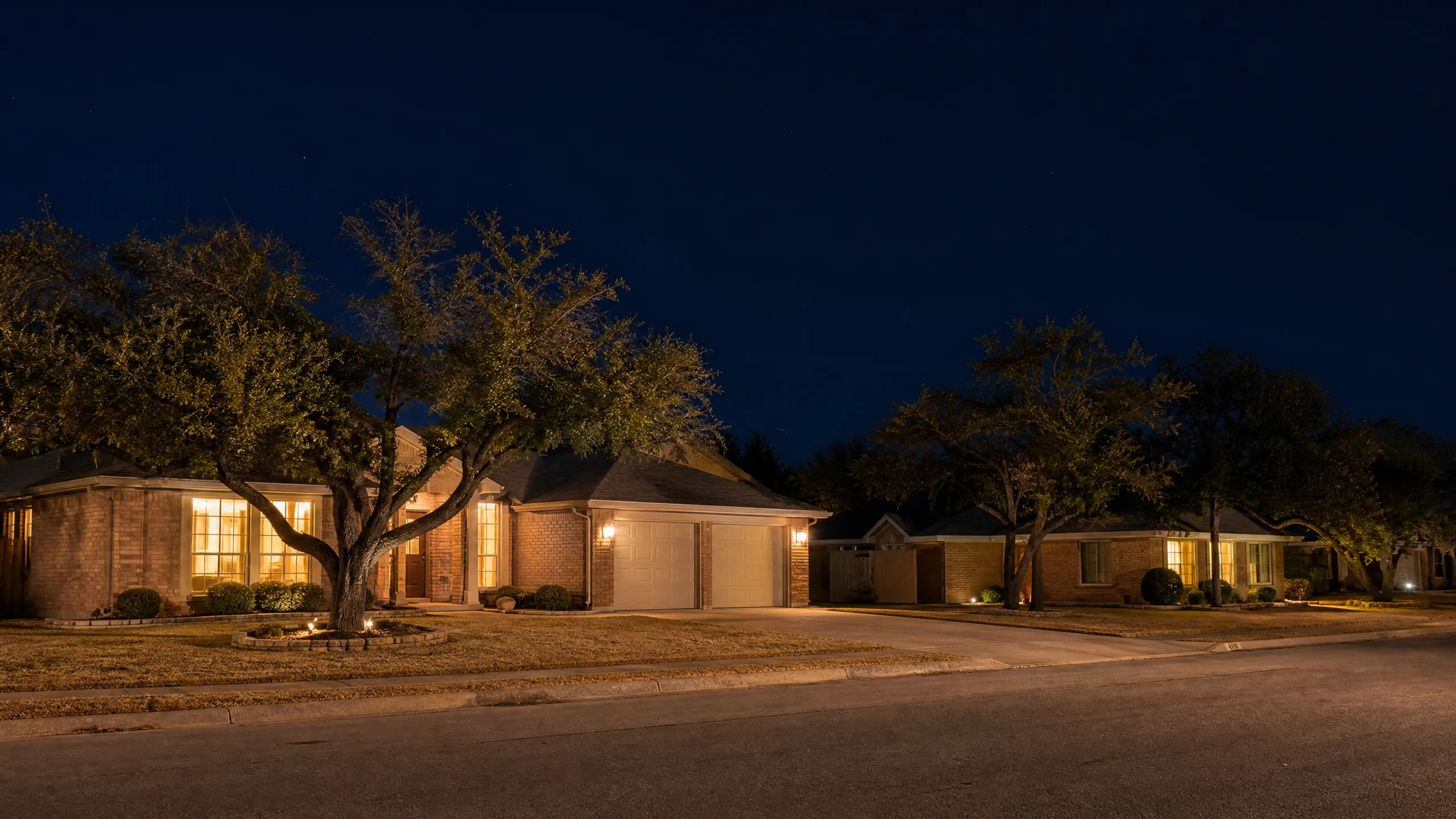



Two single-story brick suburban houses with attached garages and mature trees, photographed at night under a dark blue sky.

Furnace Repair in Kingfisher, OK

Tell us about the job

Takes about a minute. No obligation.

RepairFurnace or heatingKingfisher County, OK
Step 1 of 2

What ZIP code is the job in?

Most furnace trouble starts with the igniter or the flame sensor. The igniter wears out from repeated heating and cooling cycles and eventually just stops glowing. A flame sensor gets a coating of soot over time, and once that coating builds up it can't tell the control board a flame is lit, so the system shuts the gas off as a safety measure. Dirty filters cause their own chain of problems, starving the system of airflow until the heat exchanger overheats and trips a limit switch. Blower motors wear out too, especially the bearings, and you'll usually hear it before you see it, a grinding or squealing on startup. Any of these can look like the same thing to you at home, a furnace that won't fire or won't stay running, even though the actual part behind it is different each time.

7 months
October through April, your furnace is on duty
28°F
the average winter night it heats against
9 winter storms
in ten years, the nights a failure hurts most
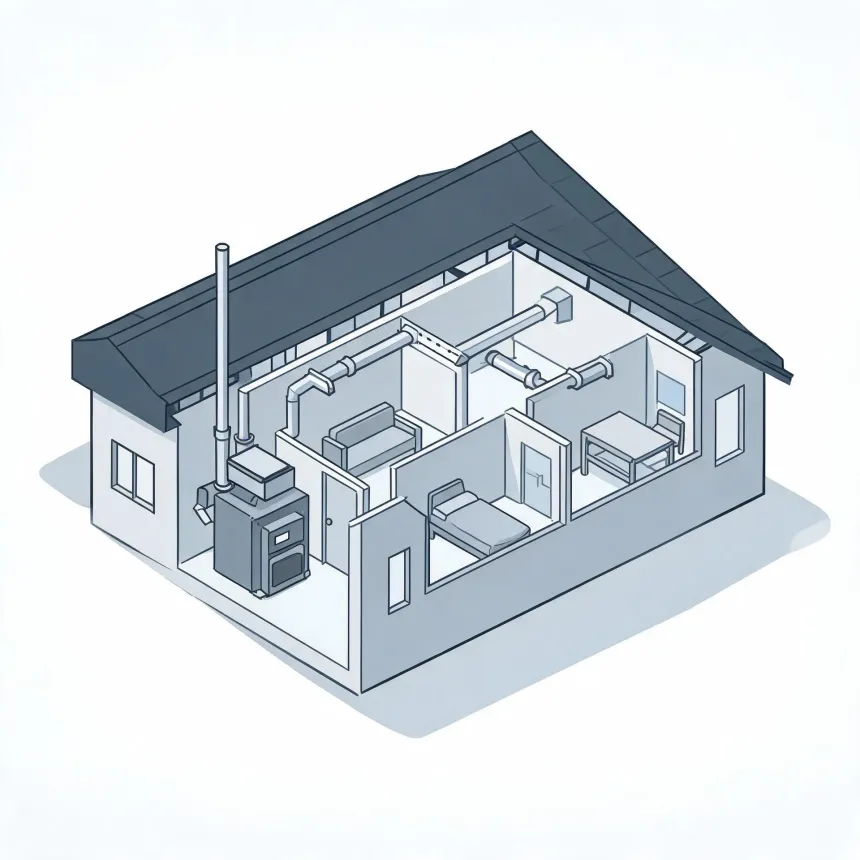
Isometric cutaway illustration of a single-story house showing interior rooms with furniture, overhead ducting, a flue pipe, and a furnace unit against an interior wall.
Your furnace works hardest from November through March.

NOAA nClimDiv, 1991–2020 normals

A cracked heat exchanger means the furnace gets replaced, not repaired.

A worn igniter or a dirty flame sensor means the furnace gets fixed and keeps running for years.

Kingfisher sees its share of hail, wind and tornadoes, and the power doesn't always hold through it

124 severe weather events from 2015 to 2024
25% of homes statewide lost power a day or more in 2024
50 damaging wind events from 2015 to 2024
Built to start back upFurnace season runs October through April here, about seven months, and the first cold snap finds whatever was already weak.

A furnace that's struggling still tries to do its job, and that's what causes the second failure. A cracked heat exchanger left running keeps putting stress on metal that's already failed once, and it can push exhaust where it shouldn't go. A dirty flame sensor that starts misreading the flame will cycle the burners on and off rather than fail clean, and that short cycling wears out the parts around it faster than normal use would. A blower motor with bad bearings will keep spinning until it seizes, and a seized motor can take the control board with it if the system keeps calling for heat. A clogged filter starves airflow slowly enough that nothing shuts down right away, but the heat exchanger runs hotter each cycle until a limit switch finally trips, or the metal takes the damage instead. None of these get better by waiting. The part doesn't heal, and the furnace doesn't fix the strain on its own.

Storms Don't Always Announce the Damage

If your furnace's outdoor components took a hit from hail or wind this year, don't assume everything's fine just because it's still running. A furnace that comes through a power cut and fires back up can still be hiding damage from what knocked the power out in the first place. Worth having it looked at now, before the cold sets in and you need it working.

Find a contractor
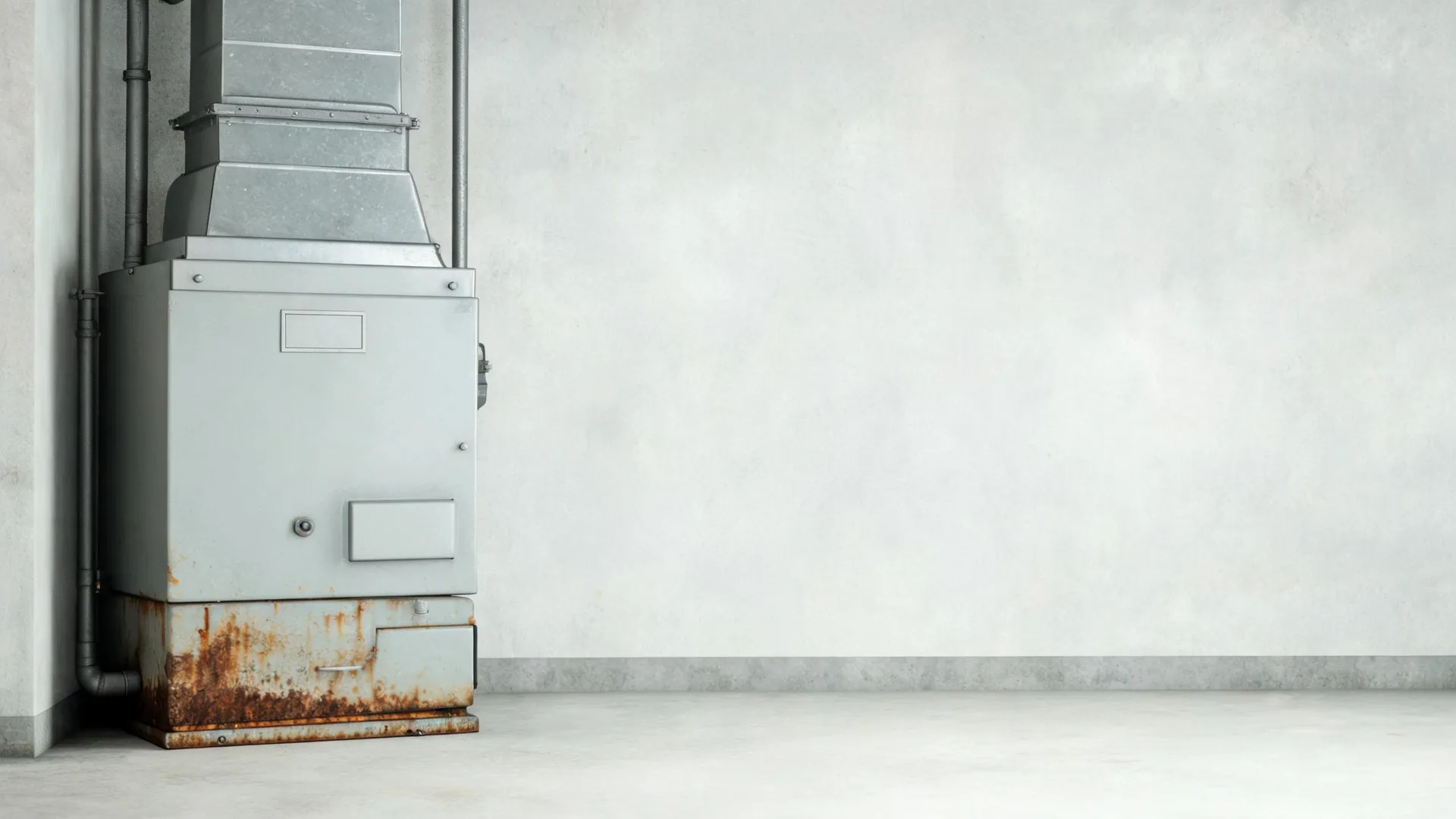
A gray residential gas furnace installed in an unfinished basement, connected to sheet-metal ductwork and PVC pipes.

What It Sounds Like Before It Quits

You don't need a gauge to know a furnace is in trouble. You need your ears and your nose. A burner that used to light with a soft whump and now clicks several times before it catches is starting to fail. A blower that used to be quiet and now rattles or squeals on startup has bearings going bad. Short cycling, where the furnace fires up and shuts off again before the house warms, almost always traces back to a sensor misreading the flame or airflow that's choked down. A burning or metallic smell in the first few minutes of a cycle is normal as dust burns off, but if it lingers past that, something's overheating. Rooms that used to heat evenly and now have cold spots usually mean the blower's lost strength or a duct run isn't getting what it needs. None of these fix themselves by running the furnace harder. Each one tells you something specific is wearing out, and waiting just gives it more cycles to fail completely instead of partially.

Check the filter first

Pull the filter and hold it up to a light. If you can't see light through it, airflow is choked and the furnace is working harder than it should. A clean filter slides back in easy and you can see through it. This takes a minute and it's the one cause on this list you can actually fix yourself.

Know what to leave alone

A thermostat set wrong or a breaker that tripped are worth checking before anyone comes out. Pulling the furnace cover off or poking at the burners is not. The gas valve, the igniter and the flame sensor are not something to test by hand, and if you smell gas, the right move is to leave the house and call the gas company, not the furnace.

An unfinished basement featuring exposed ceiling joists, a metal HVAC unit with round ductwork, a hanging light bulb, and scattered boxes and debris along the left wall.

A new furnace would cut about $110 a year off heating for a typical Kingfisher County home.

  • A new high-efficiency furnace$500 a year
  • An older furnace$610 a year

Estimates for a typical Kingfisher County home, compared with an older unit built to the previous federal minimum, from EIA household energy data, Oklahoma fuel prices and NOAA climate normals. Your home will differ.

Repair makes sense when one part has failed and the heat exchanger is sound.

Replacement makes sense when the heat exchanger is cracked or the furnace keeps needing parts.

A diagnostic visit starts before the panel comes off. A tech wants to know what the furnace was doing right before it quit, whether it was short cycling, making noise, or just dead, because that narrows things fast. Next comes the control board, since most boards store a fault code from the last lockout and that code points straight at the failed part instead of leaving anyone guessing. From there it's a sequence of checks: the igniter gets tested for continuity, the flame sensor gets checked for a clean signal, the pressure switch gets checked against the inducer motor actually running. Each test rules something in or out. A good tech doesn't start swapping parts hoping one of them fixes it. They follow the sequence until the failed part shows itself, then they tell you what it is and what it'll take to put it right.