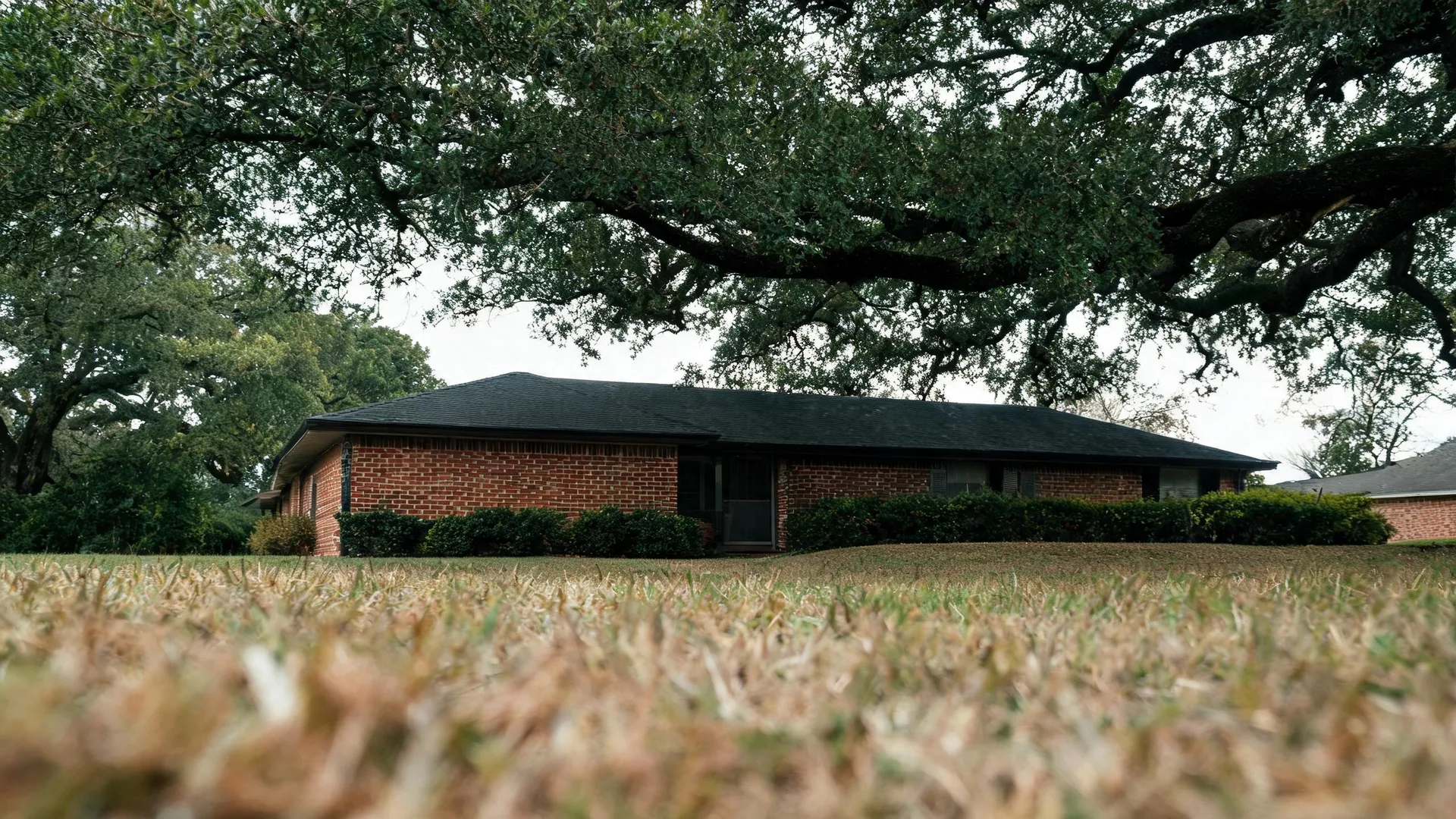



A single-story red brick house with a dark shingled roof and trimmed shrubs, photographed from ground level across a patchy lawn with a large spreading oak tree overhead.

Furnace Repair in Claremore, OK

Tell us about the job

Takes about a minute. No obligation.

RepairFurnace or heatingRogers County, OK
Step 1 of 2

What ZIP code is the job in?

Rogers County saw 203 severe weather events between 2015 and 2024. That includes 109 damaging wind events, 63 hail events, and 21 tornadoes. Any of those can hit a furnace's outdoor components or the power supply to the whole system. A furnace that still fires up after a storm can have hidden damage from wind-driven debris or a power surge. Across Oklahoma, a quarter of households went at least a full day without power in 2024. If your furnace went through a storm recently, it's worth having someone look at it even if it seems to be running fine.

7 months
October through April, your furnace is on duty
29°F
the average winter night it heats against
56%
of homes here heat with gas, so most furnaces here burn gas
10 winter storms
in ten years, the nights a failure hurts most
Isometric line illustration of a cutaway single-story house with a shingled roof, showing an interior furnace connected to ductwork and a tall vertical flue pipe, plus simple furniture in the adjacent room.
Your furnace works hardest from November through March.

NOAA nClimDiv, 1991–2020 normals

Half the homes in Rogers County were built in 1993 or later.

A furnace that came with a house that age usually has years left in it, so storm damage or a bad part is still worth fixing rather than replacing.

Seven months of heat starts in October, and that's when a weak furnace gets found out

Heat runs October through April
Climate zone 3A
Winter nights average 29°F

That math holds for a repair call too. If your furnace is original to the house and the house was built in 1993 or later, a technician can usually get it running again rather than tell you to replace it. A worn igniter, a failed flame sensor, a bad control board, these are common repairs on a furnace that age, not signs it's finished. Mobile homes are a different case. If yours is on a mobile home, the furnace likely uses a different venting and ductwork setup, so mention that when you call so the right technician shows up.

Had a storm come through? Get your furnace checked before you assume it's fine

If your furnace went through a recent storm, get it looked at before you write it off as fine. A technician can check the outdoor components and the control board for damage that a wind event or power surge can leave behind, even when the furnace still fires up.

Find a contractor
A gray high-efficiency gas furnace installed in an unfinished basement, surrounded by gas lines, a condensate drain, and sheet-metal ductwork.

A problem that runs all night doesn't stay the same size by morning

A furnace that's struggling doesn't fix itself by staying on. If the flame sensor is dirty, the furnace shuts off early and short cycles, and every one of those cycles puts more wear on the igniter and the blower motor. A cracked heat exchanger gets worse under heat, not better, and running it longer just means more time for exhaust to leak where it shouldn't. Even something as simple as a clogged filter makes the blower work harder than it's built for, and that strain lands on the motor. The part that's failing is already failing. Running the furnace through it doesn't buy time, it spends the parts around it.

The furnace rarely announces itself

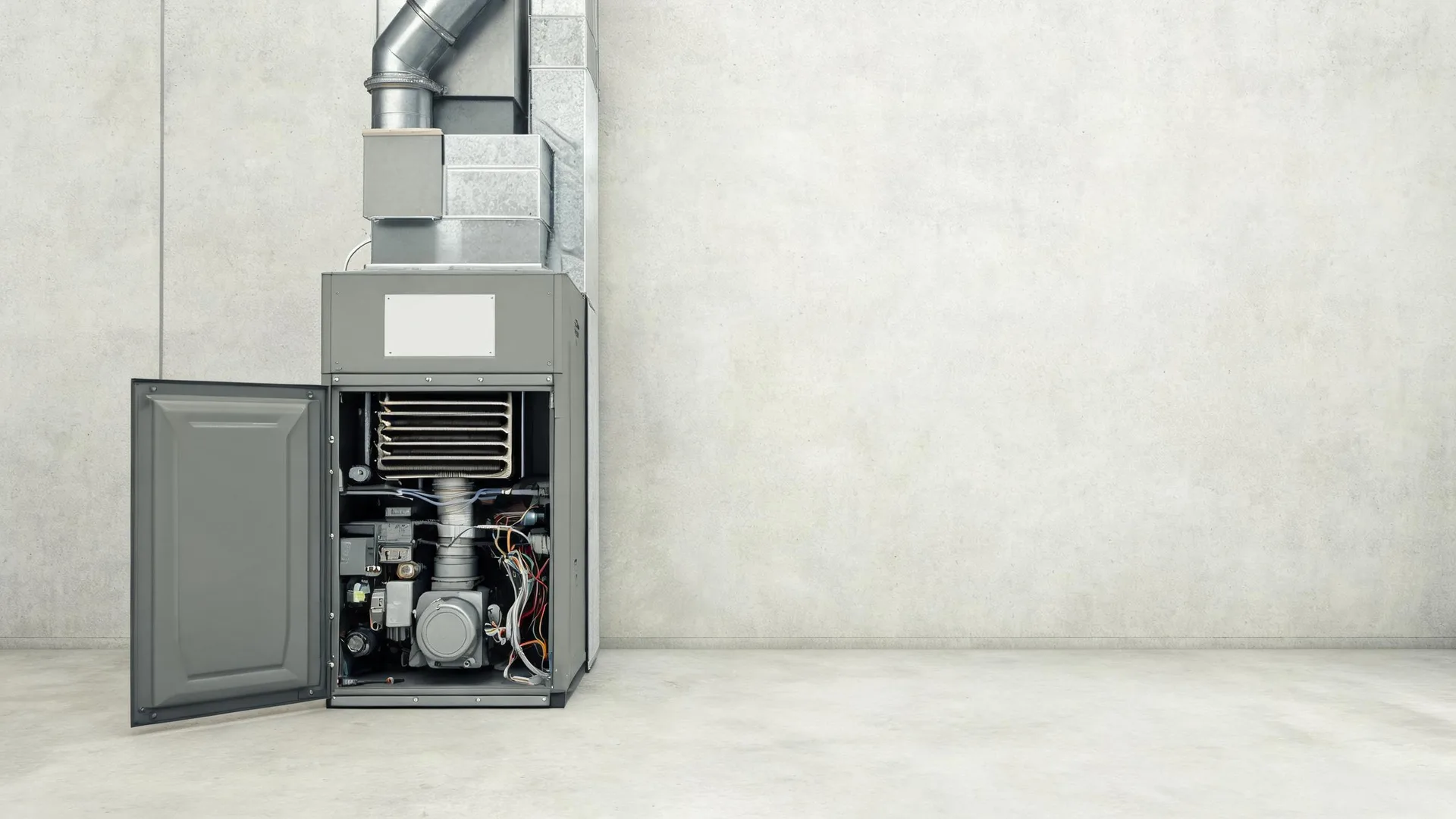
A failing furnace usually gets noisier before it quits. A bang at startup means gas is building before it lights instead of catching right away. A rattle from the cabinet can mean a loose panel or a blower wheel coming off balance. A screech points to the blower motor bearings. None of these fix themselves, and most get louder over time, not quieter.

Short cycling is the furnace protecting itself

If the furnace fires up, runs a few minutes, and shuts off before the house warms, something is making it stop early. A dirty flame sensor can't confirm the flame is lit, so the control board cuts the gas as a safety measure. A furnace doing this over and over is telling you a part needs attention, not asking you to wait it out.

An unfinished concrete basement containing a gas furnace with sheet-metal ductwork, utility shelving, and exposed overhead joists.

A new furnace would cut about $110 a year off heating for a typical Rogers County home.

  • A new high-efficiency furnace$500 a year
  • An older furnace$610 a year

Estimates for a typical Rogers County home, compared with an older unit built to the previous federal minimum, from EIA household energy data, Oklahoma fuel prices and NOAA climate normals. Your home will differ.

Repair makes sense when one part has failed and the heat exchanger is sound.

Replacement makes sense when the heat exchanger is cracked or the furnace keeps needing parts.

Age is only part of the question. What matters just as much is what's actually wrong and whether that part can be reached and swapped without tearing into the heat exchanger or the cabinet itself. A failed igniter, a bad blower capacitor, a cracked flame sensor, these are quick swaps on almost any furnace still in reasonable shape. A cracked heat exchanger is a different conversation, since that's the part that keeps combustion gas out of the air you breathe, and it isn't something to patch. If a technician tells you the exchanger is cracked, that furnace is done regardless of what else still works. Short of that, most failures are single parts doing a specific job, and replacing that one part is usually enough to get the furnace back to normal.