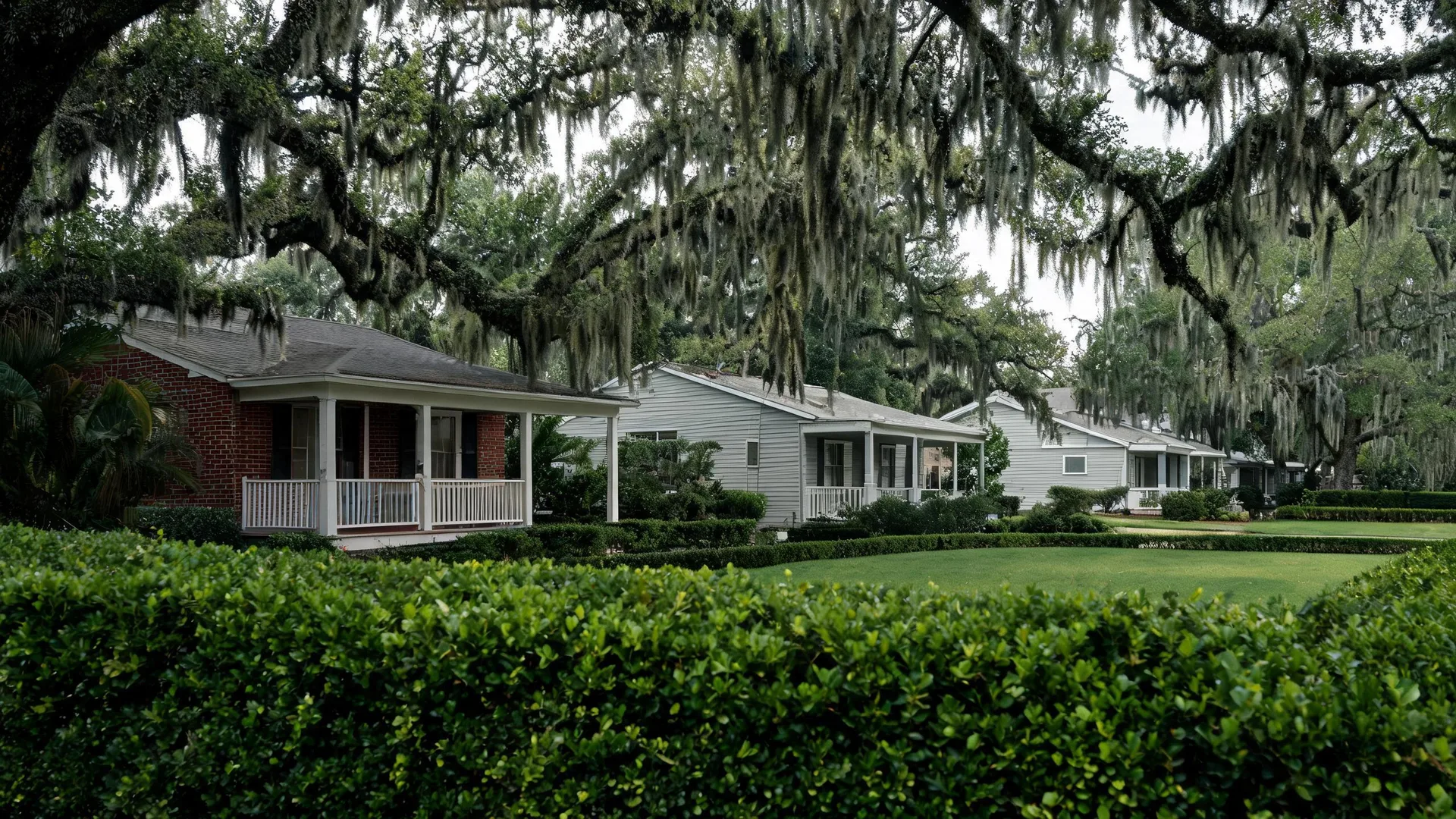






A row of single-story cottages, one brick and the others light gray siding with covered porches, behind a trimmed hedge and lawn, under large oak branches draped with Spanish moss.

Furnace Repair in Vinita, OK

Tell us about the job

Takes about a minute. No obligation.

RepairFurnace or heatingCraig County, OK
Step 1 of 2

What ZIP code is the job in?

September is worth a check before the heat goes on in October. Furnaces in Craig County sit unused since spring, and the first cold snap is what finds a weak igniter or a failing flame sensor. That's when a furnace that seemed fine last April refuses to start, or starts and shuts off a few minutes later. Getting it looked at now, before you're relying on it every day, means a worn part gets caught before it leaves you without heat on the coldest morning of the week.

7 months
October through April, your furnace is on duty
28°F
the average winter night it heats against
9 winter storms
in ten years, the nights a failure hurts most
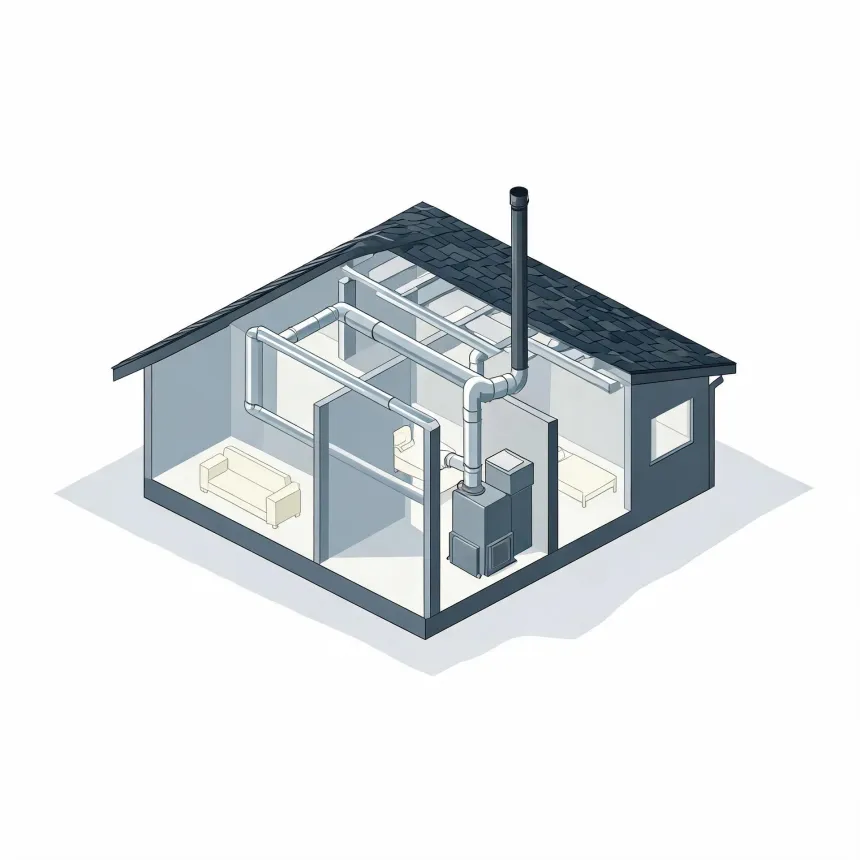
Isometric cutaway illustration of a small single-story house showing a furnace with a flue pipe through the roof and ducting running to rooms containing a sofa, chair and bed.
Your furnace works hardest from November through March.

NOAA nClimDiv, 1991–2020 normals

Furnaces in Craig County run from October through April, about seven months straight.

Seven months of regular use is enough to wear out an igniter or a flame sensor. That's not a sign anything was done wrong.

Zone 4A winters call for a normal furnace doing normal work

Heat runs October through April
Winter nights average 28°F
Climate zone 4A
A furnace this old isn't unusual hereHalf the homes in Craig County were built in 1974 or earlier, half in 1974 or later

Craig County sees its share of rough weather, 81 severe weather events between 2015 and 2024, mostly wind and hail. None of that is what wears out a furnace. Wind and hail affect the roof, the siding, the outside unit. The furnace sits inside, away from any of it, and what actually shortens its life is just running every day for months at a stretch. So if yours is acting up, look at the part first, not the weather. A furnace that won't light or shuts off early is telling you something about an igniter or a sensor, not about the storm that came through last spring.

Get it looked at early

Problems tend to show up in the first weeks of the season, when the load hits a part that was already weak.

Find a contractor
A man in a cap, gray long-sleeve shirt and brown work pants walks up porch steps toward a dark blue front door, carrying a canvas tool bag, with gray horizontal siding and a potted flowering plant nearby.
A gas furnace with attached ductwork, gas piping, and condensate lines installed in a concrete-block basement.

What to check before you call

Before calling anyone, check the thermostat is set to heat and not just sitting on a temperature. If it has a screen, make sure it isn't dim or blank, that points to a dead battery. Go to the furnace itself and look for a power switch nearby, it resembles a light switch, and make sure it wasn't bumped off. Check the breaker panel too. A furnace has its own breaker, and a trip there shuts the whole system down without any other sign. Pull the air filter and look at it. A filter packed with dust chokes airflow enough that the furnace shuts itself off as a safety measure, and that can look exactly like a bigger failure. If the furnace has a standing pilot, check whether it's still lit. If there's a reset button on the unit, note whether it's already been pressed, that tells a tech something useful before they even arrive. None of this means opening the furnace or touching the burner or the flame sensor. Those are jobs for someone who works on these for a living. But a tripped breaker or a dirty filter can mimic a real failure, and ruling that out first is something anyone can do.

A short cycle turns into a cracked heat exchanger

A furnace that shuts off after a few minutes and keeps trying to restart is usually hitting a limit switch meant to protect it. Letting it keep cycling that way instead of shutting it down stresses the heat exchanger with repeated heating and cooling. That's a far bigger repair than the igniter or sensor that caused the short cycle in the first place.
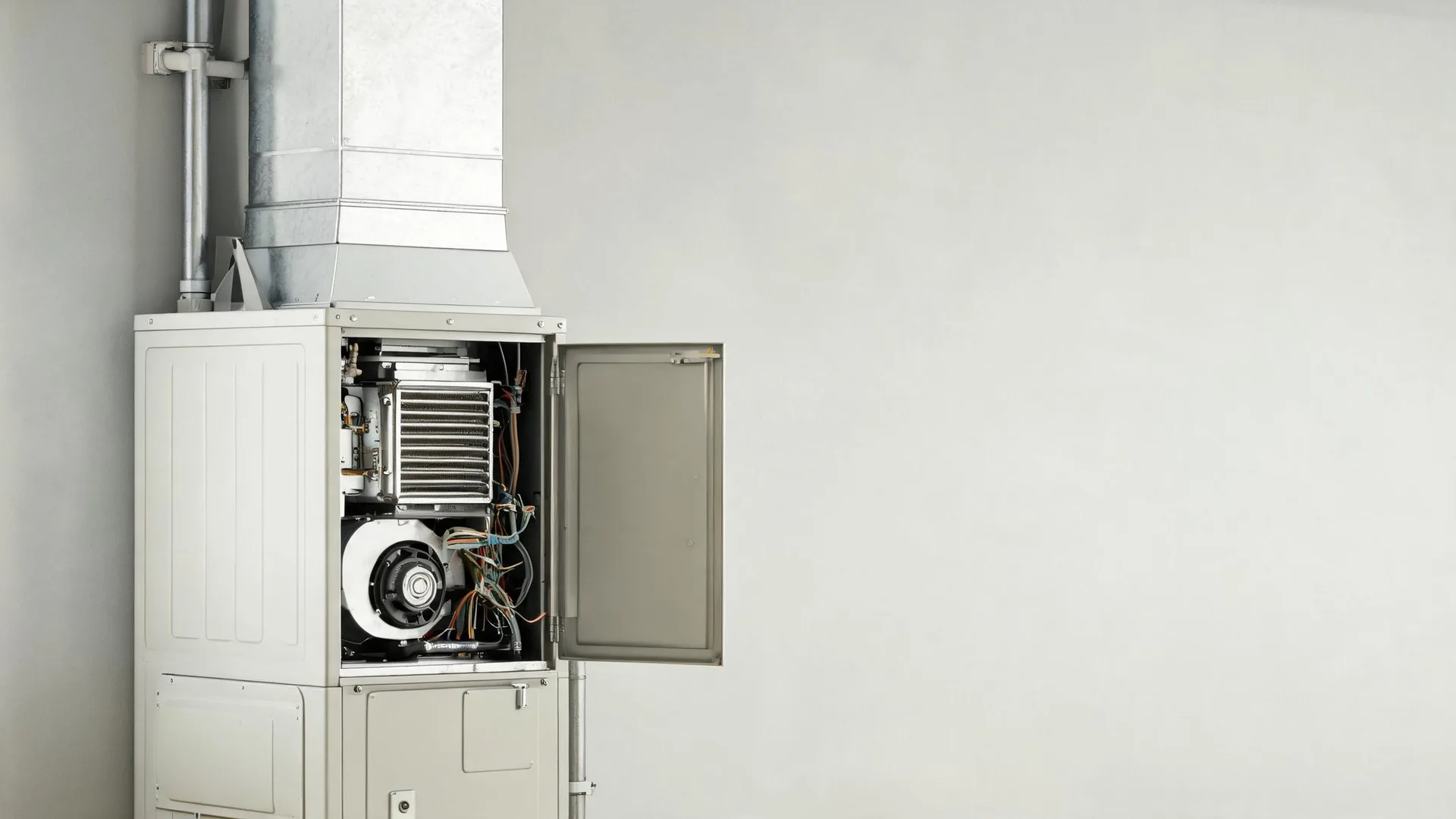
A dirty flame sensor can turn into a full lockout

A flame sensor coated with residue still works for a while, just less reliably, so the furnace lights and drops out here and there. Keep running it in that state and the sensor stops reading the flame at all, and the furnace locks out completely. What started as an occasional nuisance ends as no heat until someone cleans or replaces the part.

A furnace rarely fails without warning you first. It gets loud before it quits, a bang when it fires up, a rattle from the blower, a screech that wasn't there last year. It gets slow to light, clicking a few times before it catches instead of lighting on the first try. It blows air that isn't warm, or warm for a minute and then cool, which points at a flame that's lighting and then dropping out. Some furnaces trip their own limit switch and shut off mid-cycle, then start again a few minutes later on their own. Any of that is worth a call, not a wait and see.

At some point a tech tells you the repair is possible but the furnace isn't worth putting it into. That's not a dodge. A furnace is built around its heat exchanger, and that part isn't really serviceable, when it's cracked or badly corroded the unit is done regardless of what else still works. Everything else on a furnace gets replaced in the normal course of owning one. An igniter, a flame sensor, a blower motor, a control board, each of those is a contained job that brings the furnace back to where it was. None of them tell you anything about the rest of the unit. What should make you think about replacing instead of repairing is a pattern, not one part. A furnace that keeps coming back for a different repair every season is wearing out across the board, even if each fix was small and reasonable on its own. One repair, even an expensive-sounding one, doesn't mean the furnace is on its way out. It usually just means that part wore out.