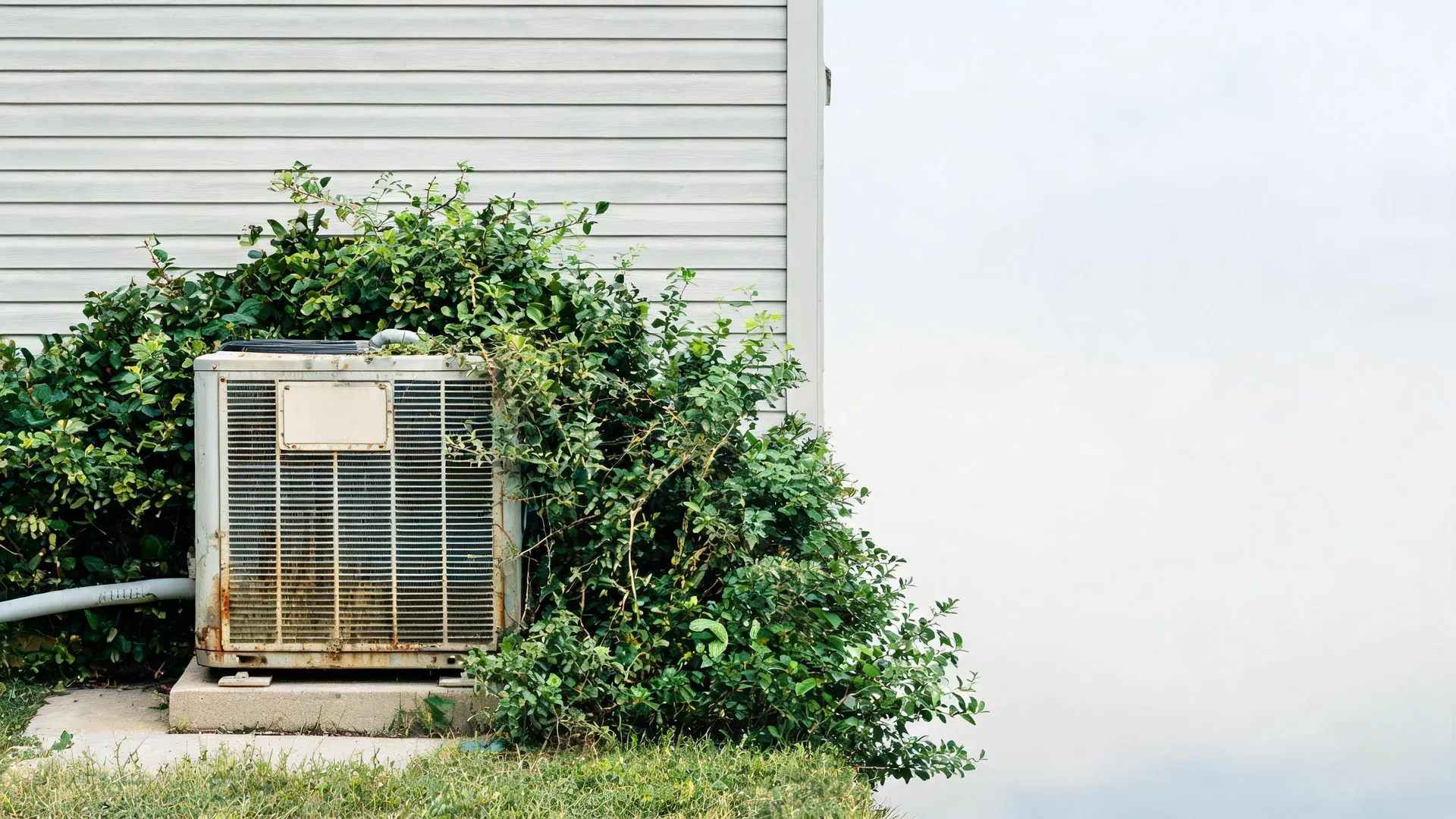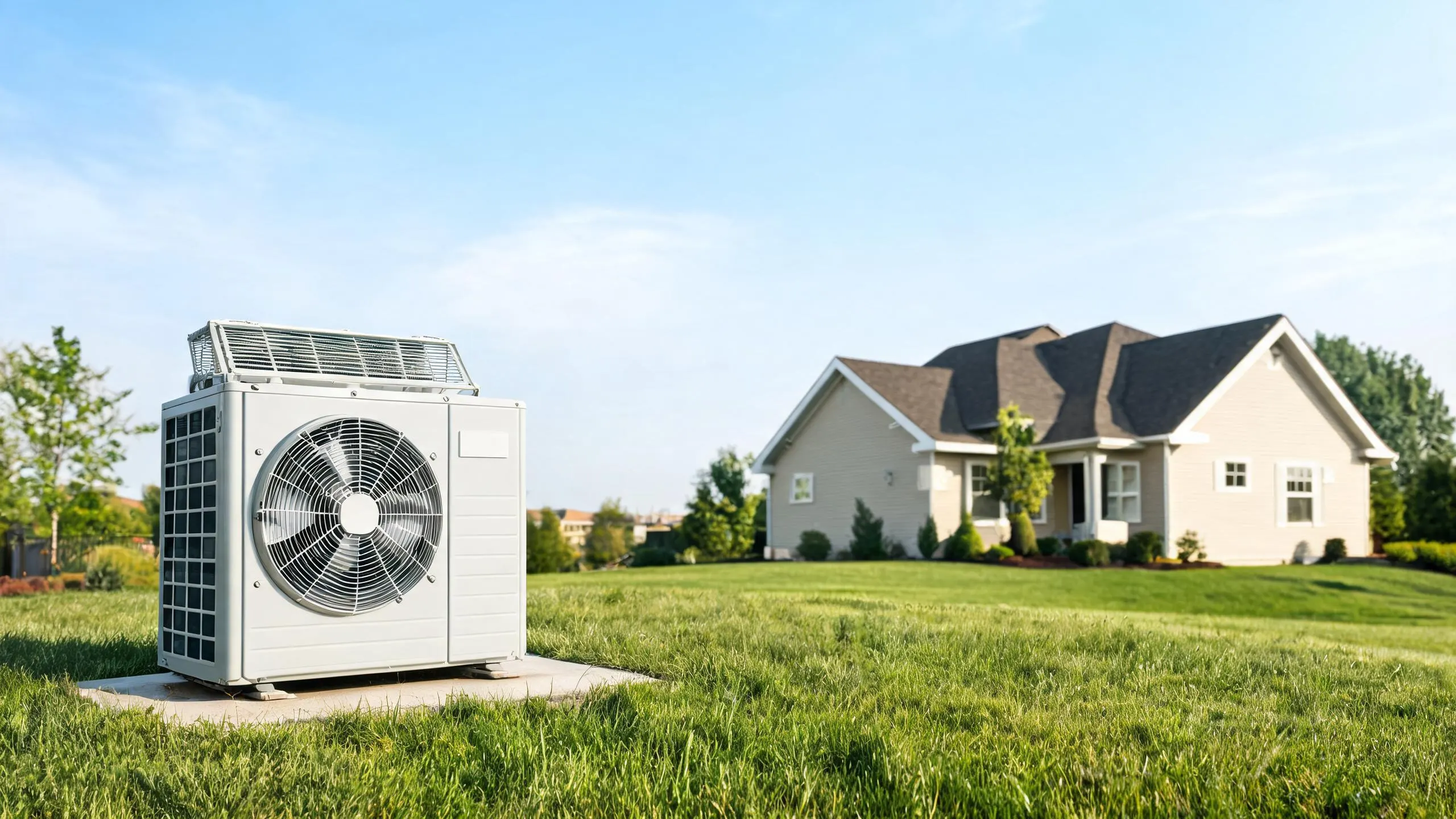
An outdoor air conditioning condenser unit mounted on a concrete pad in front of a single-story suburban house.

Heat Pump Repair in Bartlesville, OK

Tell us about the job

Takes about a minute. No obligation.

RepairHeat PumpWashington County, OK
Step 1 of 2

What ZIP code is the job in?

The heat pump runs but the house stays cool

A heat pump that runs constantly and still leaves rooms cool has lost its grip on the refrigerant cycle. That can mean a low charge, a reversing valve stuck between heating and cooling, or a compressor on its way out. None of these get better on their own. The system keeps running and keeps falling further behind.


Ice on the outdoor unit that won't melt off

Some frost on the outdoor coil during a defrost cycle is normal. A thick layer that stays, or ice that keeps coming back within hours, points to the defrost board, the reversing valve, or a sensor not doing its job. Running the unit like that puts strain on the compressor every time it cycles.

7 months
October through April, your system heats
5 months
May through September, it cools
27°F
the average winter night it heats against
90°F
the average summer afternoon it cools against
Isometric line illustration of a cutaway single-story house showing interior rooms with furniture and ceiling ductwork, connected to an outdoor condenser unit on the ground outside the left wall.
Your system heats October through April and cools May through September.

NOAA nClimDiv, 1991–2020 normals

Half the homes in Washington County were built in 1971 or earlier.

A heat pump installed when the house was new has had decades to wear through its parts.

Washington County recorded 46 hail events between 2015 and 2024. A heat pump's outdoor unit sits right in the open for all of it, coil fins and fan blade taking the hit every time a storm comes through. Bent fins choke airflow across the coil, and the system has to run longer to move the same heat. A fan blade knocked out of balance wears the motor bearing faster than it should. None of this announces itself right away. It shows up later as a system that runs long and still can't keep up, and by then the extra strain has usually reached the compressor too. Worth having the outdoor unit checked for storm damage even when it still seems to run fine.

Storms here are hard on the outdoor unit, even the ones it seems to shake off

Washington County has logged 114 severe weather events between 2015 and 2024, hail among them. A heat pump that rode out a storm and still turns on isn't necessarily fine. If the outdoor unit has been through hail or high wind recently, have it checked before the next one hits.

Find a contractor
A dark gray heat pump unit mounted on a concrete pad next to a house with gray siding and a stone veneer wall.

The part that decides this is the one you can't see

A heat pump works harder than a furnace ever does, since it's the only system running in both the hot months and the cold ones. The part that takes the brunt of that is the compressor, and it sits outside exposed to the weather on top of everything else. The compressor is usually what decides whether a repair makes sense. A capacitor, a contactor, a fan motor, these get replaced on their own without much debate. A compressor is different. It costs enough, and takes enough labor to get at, that a contractor has to think about what else on the system is likely to fail next before recommending one. A compressor failure near the end of a system's working life is often the point where a new system makes more sense than another repair. The same failure on a system still early on is usually worth fixing outright. Looking at the outdoor unit alone won't answer that question. What matters is what else has already been replaced, and how the rest of the system is holding up.

A strained part passes the strain along

A compressor working against a low refrigerant charge runs hotter than it should, and the extra heat breaks down the oil that is supposed to keep its moving parts lubricated. A blower motor with a failing bearing has to work harder just to spin, and that extra work heats the windings faster than they were built to handle. One worn part puts load on the part next to it, and that part wears down faster because of it.

A stuck valve does not fix itself by running

A reversing valve that sticks once and gets left alone will stick again, and each time it sticks the compressor is asked to push refrigerant toward a path the valve is not fully opening. Running the system this way does not clear the valve. It just adds compressor wear on top of a valve problem that was already there.

A few things are worth a look before anyone comes out. Check the thermostat is actually set to heat or cool as needed, and that the batteries aren't dead if it uses them. Go outside and look at the unit itself. Leaves, grass clippings, or storm debris packed against the coil will choke airflow all on their own, and clearing that off takes a few minutes. Check the indoor filter too. One clogged with dust makes the whole system work harder and can bring on the same symptoms as a real mechanical problem. Look at the circuit breaker while you're at it, since a tripped breaker shuts the whole unit down and looks like nothing at all from inside the house. None of this fixes a bad compressor or a stuck reversing valve, but it rules out the easy stuff first.

A diagnostic visit starts with questions. When the system started acting up. What it's doing wrong. Whether it's heating, cooling, both, or neither. Then gauges go on the refrigerant lines to check the charge and see how the system is actually moving heat, not just whether it's running. The contractor checks temperatures at the supply and return vents, watches the reversing valve switch between heating and cooling, and checks amp draw on the compressor and fan motors against what they're rated for. Electrical connections get checked too. A loose or corroded connection can mimic a failing part. The outdoor unit gets opened up and looked over, the coil fins, the fan blade, the defrost board, since a lot of what goes wrong with a heat pump happens outside where weather gets at it. By the end there should be an answer. Which part is failing, and why, not just that something is.