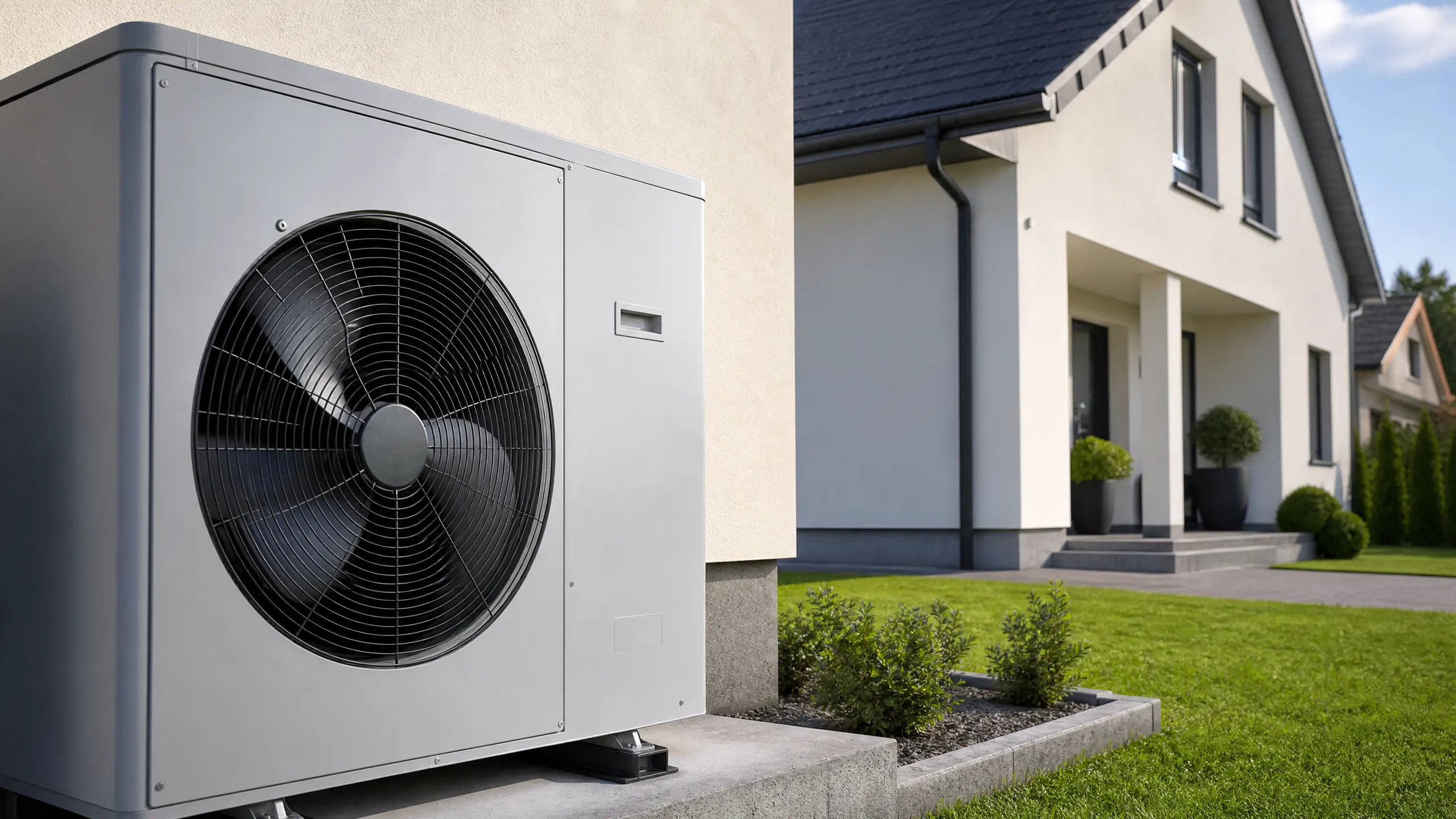





A grey air-source heat pump outdoor unit mounted on a concrete pad next to a modern white-rendered residential house.

Heat Pump Repair in Checotah, OK

Tell us about the job

Takes about a minute. No obligation.

RepairHeat PumpMcIntosh County, OK
Step 1 of 2

What ZIP code is the job in?

A heat pump here does double duty. It pulls heat out of the air all summer with the dew point sitting around 68 degrees, which is heavier air than most of the country ever deals with, and that means longer run times just to pull the moisture down. Then McIntosh County gets hailstorms, 50 of them counted between 2015 and 2024, and the outdoor unit sits right out in it with its coil and fan exposed. A dented coil or a bent fan blade from hail doesn't always show up as a dead system right away. Sometimes it just shows up as weaker airflow or a system that runs longer than it used to, months before it quits outright.

6 months
November through April, your system heats
5 months
May through September, it cools
31°F
the average winter night it heats against
91°F
the average summer afternoon it cools against
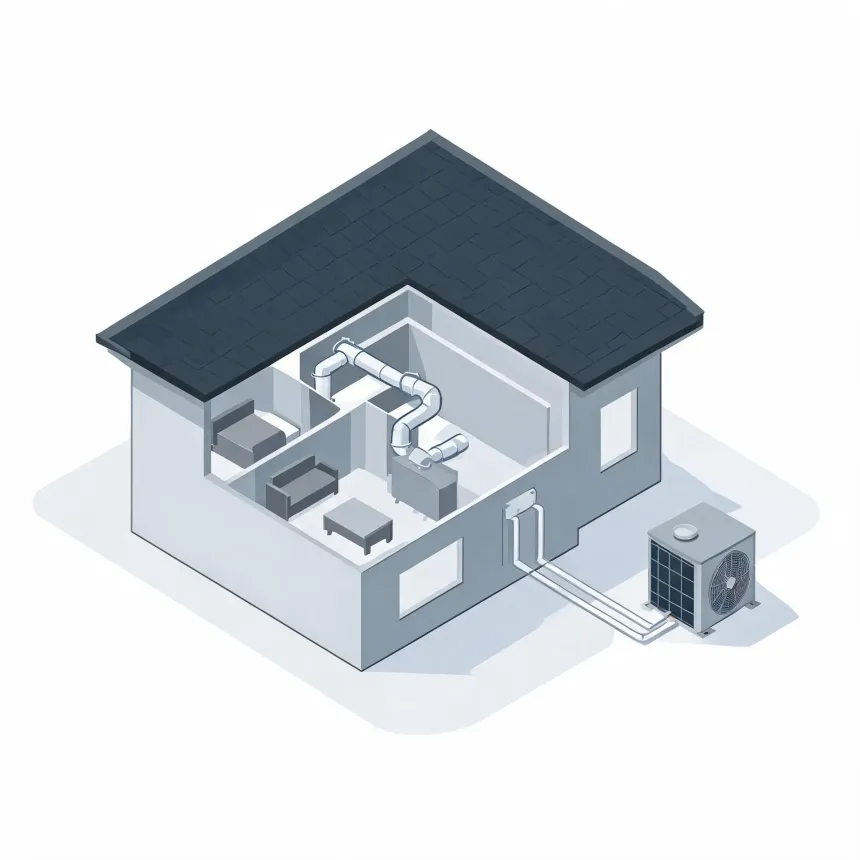
Isometric illustration of a cutaway single-story house showing interior ductwork, an indoor air handler and simple furniture, connected by lines to an outdoor condenser unit beside the building.
Your system heats November through April and cools May through September.

NOAA nClimDiv, 1991–2020 normals

McIntosh County logged 123 severe weather events from 2015 to 2024, including 56 damaging wind events and 11 tornadoes.

A heat pump's outdoor unit sits outside through all of it, so hail or wind damage can be the reason yours is struggling even if nothing looks broken.

Half these homes are old enough that the heat pump may be original

Half the homes here were built by 1983
50 hail events from 2015 to 2024
Power here costs 13.78 cents per kilowatt-hour

Heat pump problems here tend to surface right when the load changes. Cooling starts up in May, so April is when a weak part gets tested for the first time all year. Heat comes on in November, and that switch to the reversing valve and defrost cycle is its own kind of stress after months of sitting idle. Nights average 31°F through December, January and February, so the unit is working to hold heat on the coldest nights of the year, not easing into it. If something was already marginal, those first cold mornings or first hot afternoons are when it quits instead of just struggling along.

Get the outdoor unit checked before hail damage turns into a bigger repair

A dented coil or a bent fan blade doesn't always stop the system outright. It just makes it work harder to do what it used to do easily, and that's the same strain this climate already puts on it. Worth having someone check the outdoor unit before a small problem becomes a bigger repair.

Find a contractor
A man in a cap, dark shirt and tan work pants walks up porch steps toward a navy blue front door, carrying a canvas tool bag beside a potted shrub.
A white mini-split heat pump outdoor unit mounted on a concrete pad beside a gray-sided house, surrounded by gravel and green shrubs.

How many winters has this one already put in

Half the homes in this county were built in 1983 or earlier. If yours is one of them and the heat pump has never been replaced, it's been running through every one of those muggy summers and cold winters on the original parts. A system that old is worth having looked at before it fails outright, so you know whether this repair is worth paying for or whether the unit is close enough to the end that the money's better spent on a new one.

The reversing valve is usually the first thing to go

It's what switches the system between heating and cooling, and it's always working even when the rest of the unit is idle. The valve can stick partway, so the system runs heat when you asked for cooling, or it never fully commits to defrost. A stuck valve doesn't always kill the system. Sometimes it just means warm air in the summer or a unit that runs cold air during a heating cycle.
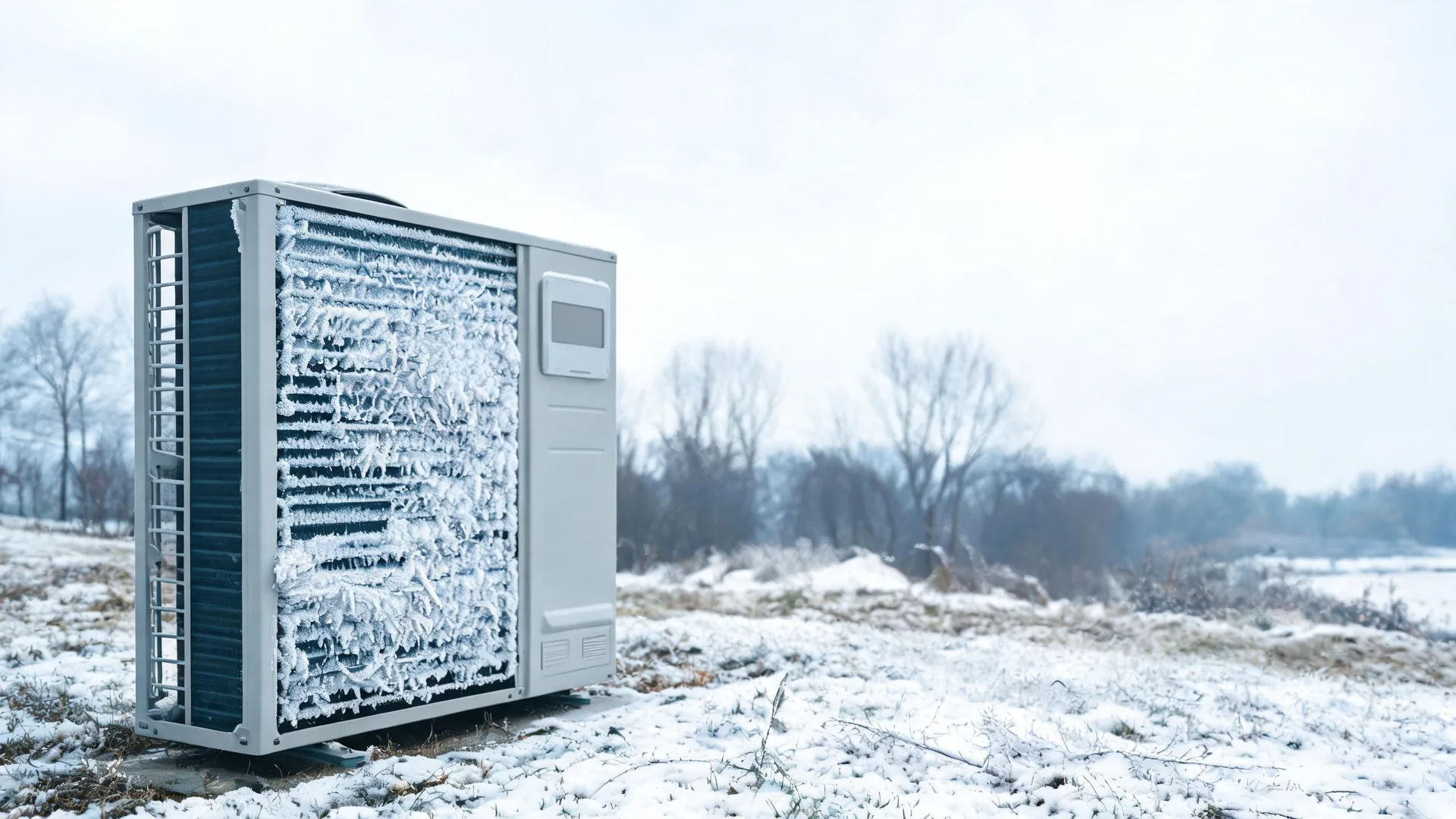
A low refrigerant charge shows up as reduced comfort, not a dead system

A heat pump that's lost some of its charge will still run, just weaker. It'll struggle to hold temperature, ice up on the outdoor coil, or run long cycles without catching up. Refrigerant doesn't get used up the way fuel does, so a system low on charge has a leak somewhere, and that leak is the actual problem worth finding before the compressor takes the damage instead.

A system that's losing a battle with ice or a weak charge will keep trying anyway, because nothing tells it to stop and protect itself. The compressor just works harder to make up for what it's lost. That's the part you don't want to push too far, since it's the most expensive thing in the cabinet and the one thing that can't be patched, only replaced. Ice on the outdoor coil is a good example. A little frost is normal, but a coil that's building thick ice is losing airflow, so the compressor pulls in less heat and strains to keep up. Left alone, that cycle feeds itself until something gives. The same goes for a motor running on a failing capacitor. It'll limp along drawing more current than it should, getting hotter each cycle, until it seizes instead of just slowing down. Catching it while it's still limping is a repair. Catching it after it seizes is a replacement.

If the outdoor unit took a hit in the last few years, ice, hail, straight-line wind, it's worth having someone look at the coil and fan before calling this repair done. A tech can check a coil for bent fins and a blade for a wobble you might not notice just standing there. Twenty-five percent of Oklahoma households lost power for a day or more in 2024, so it's also worth asking whether the unit came back on correctly after any outage this year. None of that takes long to check, and it rules out a cause that otherwise just looks like the system wearing out on its own.