A gray outdoor HVAC condenser unit mounted on a concrete pad in the front yard of a two-story suburban house.

Heat Pump Repair in Skiatook, OK

Tell us about the job

Takes about a minute. No obligation.

RepairHeat PumpOsage County, OK
Step 1 of 2

What ZIP code is the job in?

The tech checks the whole system, not just the symptom

A heat pump that won't heat might have a problem in the reversing valve, the outdoor coil, the refrigerant charge or the defrost control board. The tech connects gauges, checks temperatures at the supply and return, and tests the electrical components before touching anything. That's how a guess turns into an actual diagnosis.


What they find decides what happens next

A failed capacitor or contactor gets replaced on the spot. A refrigerant leak means finding where it's leaking before adding any charge back, since charge alone won't fix a leak that's still open. If the compressor itself is bad, that's a bigger conversation about repair versus replacement, and the tech should walk through both before doing either.

7 months
October through April, your system heats
5 months
May through September, it cools
27°F
the average winter night it heats against
90°F
the average summer afternoon it cools against
Isometric line illustration of a cutaway single-story house showing interior rooms, ceiling ductwork and an indoor air handler, connected by a line to an outdoor condenser unit on a pad beside the building.
Your system heats October through April and cools May through September.

NOAA nClimDiv, 1991–2020 normals

A heat pump that's low on refrigerant makes the compressor work harder to move heat.

Run it long enough in that state and the compressor itself can fail, turning a leak repair into a compressor replacement.

October is the first real test a heat pump gets all year

Cooling runs May through September
Heat runs October through April
97 damaging wind events from 2015 to 2024

Osage County gets hit with damaging wind almost a hundred times a decade, plus 68 hail events on top of that. A heat pump sits outside through all of it, and the outdoor coil and fan take the brunt. Debris bent into the coil blocks airflow, and a hard enough hit can throw the fan out of balance or crack a blade. None of that announces itself right away. It shows up weeks later as a system that runs long and still can't keep up, and by then the strain has usually spread to something else, like the compressor. Getting the actual cause checked, rather than just the symptom, is what keeps a small repair from turning into a bigger one.

Get it looked at early

Problems tend to show up in the first weeks of the season, when the load hits a part that was already weak.

Find a contractor
A gray heat pump outdoor unit mounted on a concrete pad next to the stone-accented exterior wall of a house.

Tell the tech what this unit has been through

If your heat pump has taken a hit from wind or hail at some point, that's worth mentioning when you call for service, even if the damage wasn't obvious at the time. A tech checking a no-heat or weak-heat complaint should look at the outdoor coil and fan condition along with the refrigerant charge and electrical components. Naming what the system has been through gets the diagnosis to the actual cause faster, instead of starting from scratch.

Most failures aren't the compressor

The compressor usually gets blamed, but it's often the last thing to fail, not the first. Capacitors wear out and stop giving the compressor and fan motor the starting jolt they need. Contactors get pitted from switching on and off so many times and stop making good contact. These parts are small and inexpensive, and they're also the most common reason a heat pump won't start or won't run right.

The reversing valve is unique to this machine

A heat pump has one part a straight air conditioner doesn't have. The reversing valve is what switches it between heating and cooling. When it sticks, the system can get stuck in one mode or blow air that never warms up. A stuck valve isn't something to force or guess at. It takes someone who can test it electrically and mechanically before deciding whether it needs replacing.

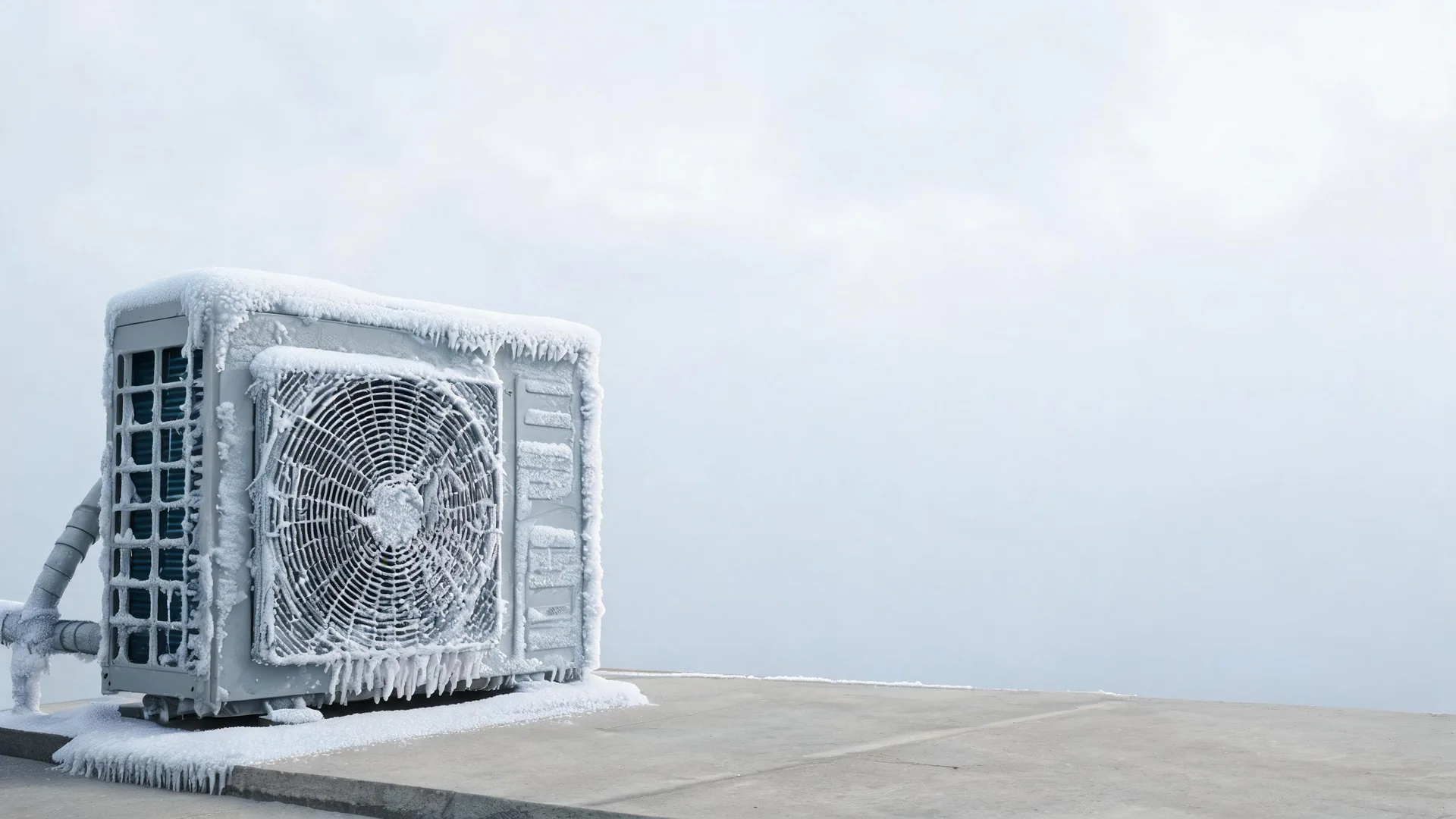
A heat pump in trouble usually tells you in how it runs, not just whether it runs. Short cycling, where it kicks on and off every few minutes instead of settling into a steady run, points to a control problem or a system that's overheating itself. Ice building up on the outdoor unit outside of a normal defrost cycle means the defrost control board or a sensor isn't doing its job. Air coming out of the vents that feels barely warm, or even cool, can mean the reversing valve isn't fully switching over. Listen for it too. A hard clunk when the system changes between heating and cooling, or a hum with no airflow at all, both mean something electrical or mechanical needs a look before it gets worse.

A repair makes sense when one part failed and the rest of the system still has life in it. A capacitor, a contactor, a defrost board, these get replaced on their own without touching anything else, and the heat pump runs like normal again. Replacement starts to make more sense when the compressor is the thing that failed. It's the most expensive part in the system, and the labor to get at it isn't cheap either. Age matters too, not as a number but as a pattern. A system that's needed a few different repairs in a short span is usually wearing out everywhere at once, not just at the spot that failed this time. A tech who's honest with you will say which situation you're in before recommending either one.