




Two illuminated single-story brick houses with mature oak trees photographed at twilight on a quiet residential street.

Heat Pump Repair in Weatherford, OK

Tell us about the job

Takes about a minute. No obligation.

RepairHeat PumpCuster County, OK
Step 1 of 2

What ZIP code is the job in?

Custer County saw 183 severe weather events between 2015 and 2024. Damaging wind came through 98 times. Hail hit 60 times, and 16 tornadoes touched down. The outdoor unit sits outside year round, so it takes whatever comes through: branches, hail, grit kicked up by wind. A unit that still runs after a storm can have a bent coil fin or a cracked fan blade that gets worse with time. Statewide, a quarter of households went at least a day without power in 2024. A heat pump that lost power and came back on can still have storm damage nobody caught yet.

7 months
October through April, your system heats
5 months
May through September, it cools
27°F
the average winter night it heats against
93°F
the average summer afternoon it cools against
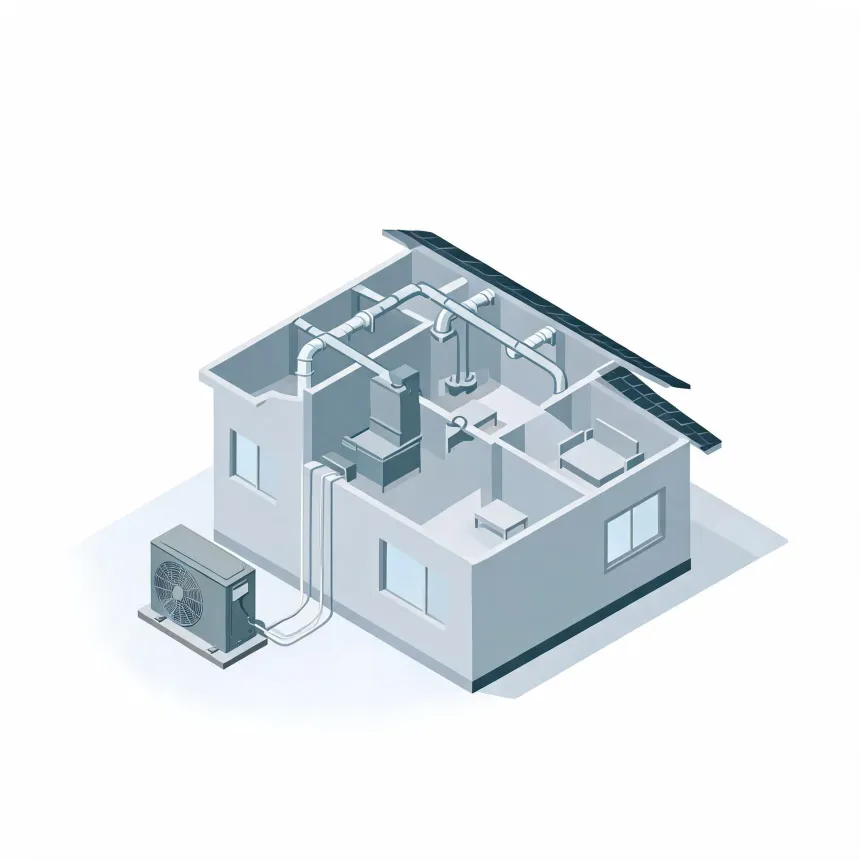
Isometric cutaway illustration of a single-story house showing interior ductwork, an air handler and rooms, with an outdoor condenser unit connected by refrigerant lines on a plain white background.
Your system heats October through April and cools May through September.

NOAA nClimDiv, 1991–2020 normals

October is the month heat pumps in Custer County switch over to heat.

A weak part that made it through summer cooling often fails in those first cold weeks.

Wind and hail put Weatherford heat pumps through more than most

98 damaging wind events from 2015 to 2024
60 hail events from 2015 to 2024
Power here costs 14.16 cents per kilowatt-hour

With 98 damaging wind events and 60 hail events behind it, this heat pump has likely taken hits nobody saw happen. A bent fin or a nicked blade doesn't always show up right away. It runs fine for a while, then one day it doesn't, and the cause goes back further than the day it quit. If yours is acting up now, have someone check it for storm wear, not just the symptom in front of you. Fixing what actually caused it is what keeps the same call from coming back.

Storm-checked now beats a breakdown later

If this heat pump took a hit from wind or hail and still runs, that doesn't mean it came through clean. Get it looked at now, before a bent fin or a nicked blade turns into a breakdown in the cold.

Find a contractor
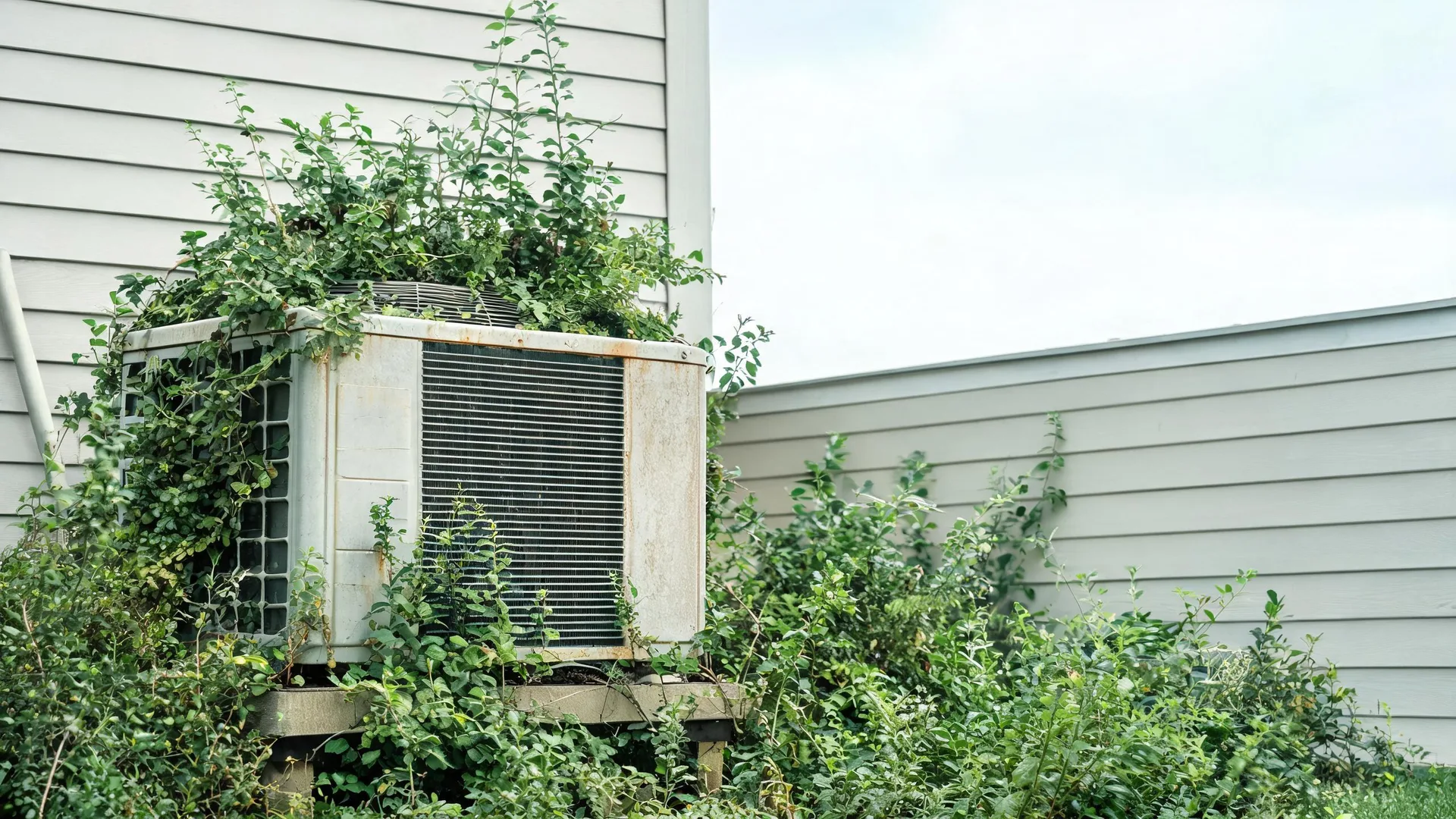
A residential heat pump outdoor unit mounted on a concrete pad next to a house with gray vinyl siding.

A machine that never gets the off season

A heat pump works both sides of the year, so it wears both sides of the year. Parts that would last a long time in a system that only cools get asked to do twice the work, and they fail in ways a furnace or an AC alone wouldn't. The reversing valve is the one that's unique to a heat pump, and it's often the first thing to go. It can stick in one position, leaving you with heat when you want cooling or no heat at all when you need it. The run capacitor wears down a little every time the compressor or fan motor starts, and since this system starts those motors in both seasons, the capacitor gets twice the cycles. The defrost board and sensor matter more here too. In cold weather the outdoor coil frosts over, the system has to sense that and switch into defrost on its own, and a failed sensor or stuck relay can leave ice building up on the coil until the unit can't pull heat from the air anymore. The compressor itself is the part nobody wants to hear about, because by the time it's failing, it's usually failed from something upstream, low refrigerant charge, a dirty coil making it run harder, or years of short cycling. None of these fail on a set schedule. They fail from use, and a system that runs nearly every month of the year puts more hours on them than one that rests half the time.

A small fault turns into a bigger one

A heat pump that's struggling doesn't fail all at once. A reversing valve that's slow to shift makes the compressor fight against pressure it shouldn't see, and that wears the compressor down faster. A dirty coil makes the system run longer to do the same job, and that extra runtime is what pushes a weak capacitor or a tired motor over the edge. The part that quits is rarely the part that started the problem.
Running it anyway costs more than the call

It's tempting to let a system that's still sort of working keep going until someone can look at it. But a heat pump low on charge or icing up in defrost is already working harder than it should, and every hour it runs that way adds wear to the compressor, the one part that's expensive to replace and impossible to patch. Shutting it off and getting it looked at stops the damage where it is instead of letting it spread.

Most of the time the heat pump tells you something's wrong before it quits outright. Air coming out lukewarm instead of hot or cold is usually the first thing people notice, especially right after the system switches over for the season. Listen for it cycling on and off more than it used to, short runs instead of one steady stretch, which means something is making it work harder to reach the temperature you set. Ice on the outdoor unit during a stretch of mild weather isn't normal, that's defrost not doing its job. A hissing sound near the lines or oily residue around a fitting points to refrigerant getting out somewhere it shouldn't. Any burning smell or a breaker that trips when the unit starts up means stop running it and get it looked at before something that's repairable now turns into something that isn't.

A diagnostic visit starts outside, at the unit itself. A tech checks the coil for bent fins and the fan for cracked or chipped blades, then pulls the panel and checks refrigerant pressure against what the system is supposed to run at. Low charge shows up fast on the gauges, and so does a compressor pulling more current than it should. From there it's the reversing valve, tested by forcing the system to switch between heat and cooling and watching whether it actually shifts. The defrost sensor and board get checked too, since a sensor reading wrong will either skip defrost when ice is building or run defrost when the coil doesn't need it. Capacitor readings are quick to take and quick to tell you whether that part is still good or on its way out. By the end, the tech knows not just what's failing but what made it fail, which is the part that tells you whether this is a repair or the start of a pattern.