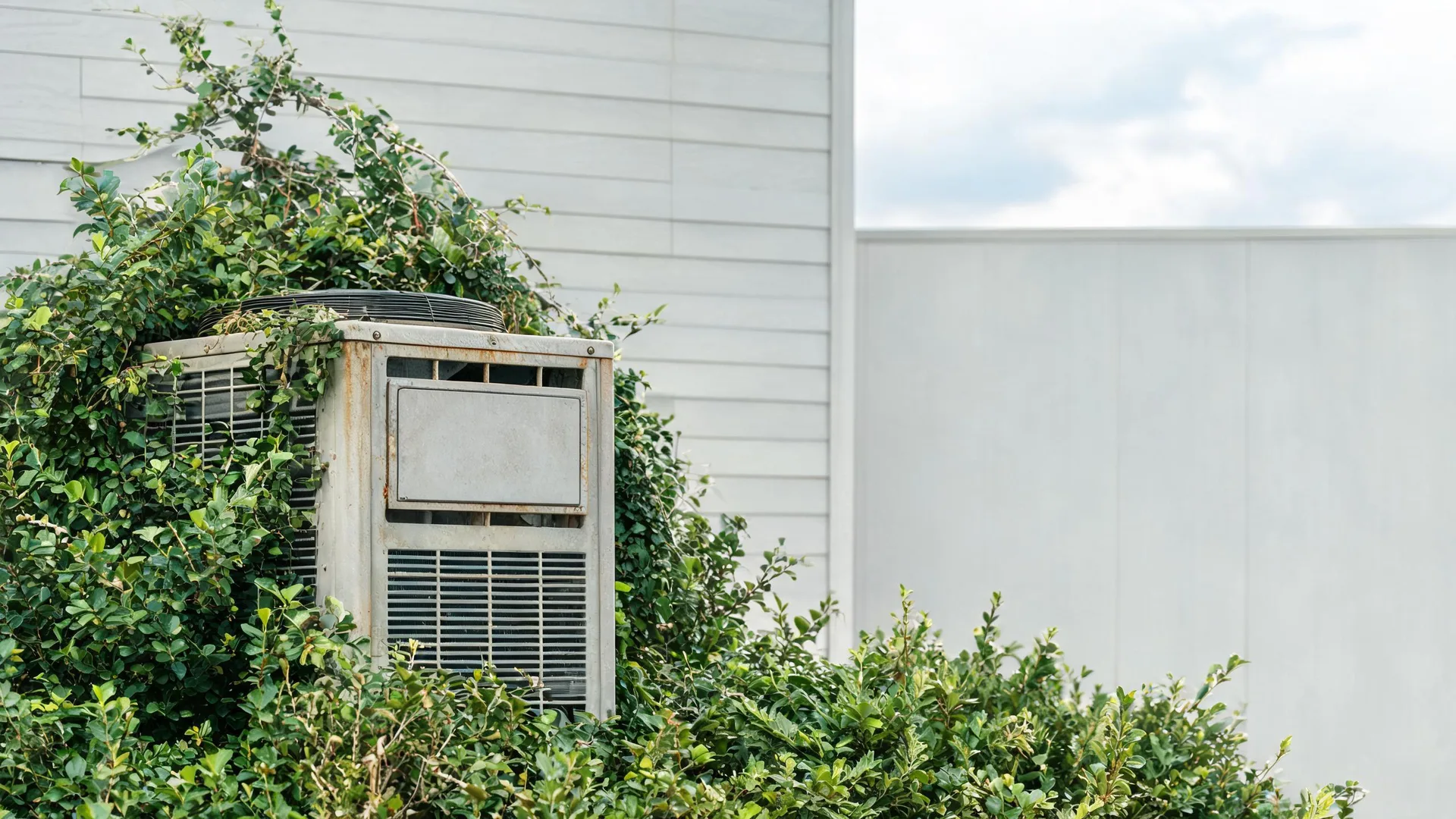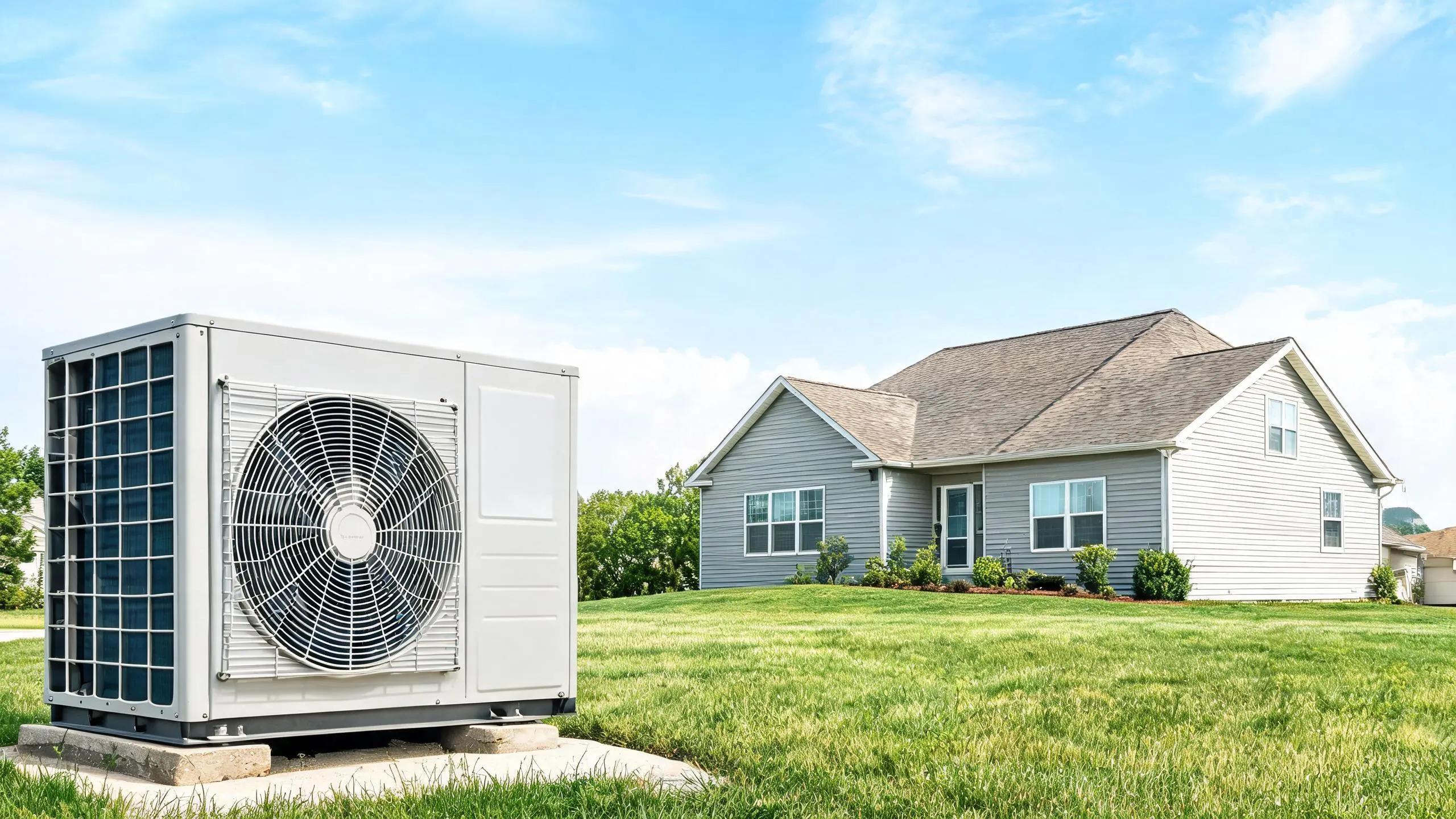
Hail is hard on the outdoor unit
Garfield County had 91 hail events between 2015 and 2024. Every one of those is a chance for the fins on your outdoor coil to get bent or dented, and a damaged coil makes the whole system work harder to move heat.
Takes about a minute. No obligation.
Garfield County had 91 hail events between 2015 and 2024. Every one of those is a chance for the fins on your outdoor coil to get bent or dented, and a damaged coil makes the whole system work harder to move heat.
If your heat pump is acting up, a dented coil or a hail-damaged fan blade could be part of why. A tech should check the outdoor unit for that kind of damage, not just the parts inside the house.

NOAA nClimDiv, 1991–2020 normals
Garfield County logged 109 damaging wind events between 2015 and 2024.
Wind that strong can crack a fan blade or knock an outdoor unit out of line, so a heat pump that just started acting up is worth a look outside, not only in.



Half the homes in Garfield County were built in 1970 or earlier. If yours is one of them, the heat pump giving you trouble might not be the original equipment. A system installed decades ago is further along than it looks from the thermostat. Before paying for a repair, ask the tech how old this particular unit is and how much life it has left. A compressor or coil problem on an older unit is a different conversation than the same problem on one installed recently.
A dented coil or a bent fan blade will not fix itself, and it will not get easier to diagnose if you wait. Have the outdoor unit checked before a repair gets booked, so whoever comes out is fixing what's actually wrong.
Find a contractorA heat pump does not get a season off. The same compressor that carries the cooling load in summer just runs the cycle in reverse to carry the heating load in winter. There is no stretch of the year where the compressor sits idle and recovers. That matters for repair versus replacement because wear does not reset when the mode switches. A compressor that was already working hard on the cooling side carries that same wear into the next heating call. A tech can tell you what part is failing right now, but how much life is left in the rest of the unit depends on everything it has already been asked to do, not just the one part in front of them.
Make sure the thermostat is set to heat and not sitting in a dead zone between calls. Then check the breaker panel for the outdoor unit and the air handler. A tripped breaker or a thermostat set wrong looks exactly like a failed heat pump, and either one takes a minute to rule out.
Walk outside and see if the outdoor unit is running, iced over, or blocked by leaves and debris. Then pull the air filter and hold it up to light. A clogged filter starves the system of airflow and can make a heat pump run without ever warming the house. Past these checks, it's a tech's job.
A heat pump that's struggling will keep trying anyway, because the thermostat is still calling for heat and the system has no way to know it's hurting itself. A compressor low on refrigerant starts pulling harder to make up the difference, and that extra strain is what burns it out early. Ice on the outdoor coil blocks airflow, and a unit that keeps running against iced-up fins just builds the ice thicker instead of defrosting it. A failing capacitor makes the compressor or fan motor draw more current than it should, and every hour it keeps turning is another hour that motor is closer to seizing for good. None of this gets better on its own. The longer a struggling heat pump is left running, the more likely a repair turns into a replacement.
A diagnostic call starts outside, not at the thermostat. The tech checks whether the outdoor fan is spinning, whether the coil is iced, whether refrigerant pressure is where it should be. Next comes the electrical side, the capacitor and the contactor, checked with a meter rather than a guess. A weak capacitor can still let a motor limp along for a while before it quits for good. Inside, the tech pulls the filter, checks airflow at the vents, and looks at the reversing valve, the part that decides whether the system is heating or cooling. A heat pump stuck between modes usually means that valve isn't shifting all the way. By the end, the tech should be able to point to the one part that's actually failing, not just the symptom you called in about.