


What happens below 35 degrees
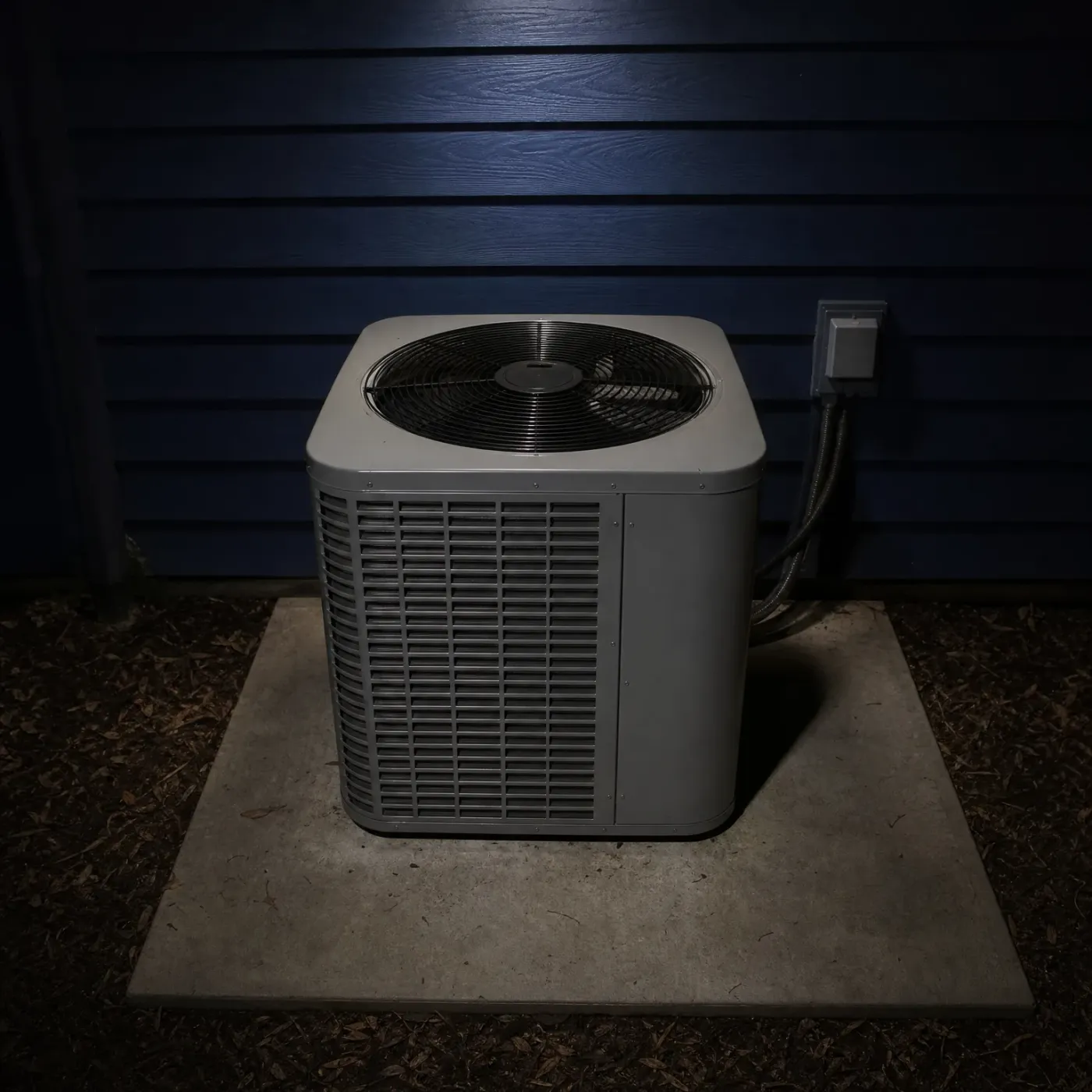
Your winters are the whole question here. Heat runs seven months a year in Garfield County, October through April, and the overnight low averages 27°F across December, January and February. That number matters because of where it sits. A standard heat pump starts losing ground below 40°F, putting out less heat than its rating, and below about 35°F it often needs backup heat to make up the difference. 27°F is under both marks. So is every one of the roughly 90 nights a year here that drop to freezing or below.
That doesn't mean a heat pump stops working. It means it's working harder, and leaning on backup heat, on the coldest nights of the year, which here are about 90 of the 210 nights the heat runs. Less than half the winter, but not a small stretch either.
The one real reassurance is how rarely it gets extreme. Only about one night a year here reaches 0°F or below. Field tests of cold-climate heat pumps in occupied homes found backup heat carried only a small share of the load between 0°F and 35°F, and running on backup alone was rare even above 0°F. If you install a heat pump built to carry cold climates, the backup heat is there for the rare night, not the whole season.