Garfield County sees real storm numbers
Garfield County recorded 223 severe weather events between 2015 and 2024. That includes 109 damaging wind events, 91 hail events, 7 tornadoes and 12 winter storms with heavy snow or ice.
Takes about a minute. No obligation.
Garfield County recorded 223 severe weather events between 2015 and 2024. That includes 109 damaging wind events, 91 hail events, 7 tornadoes and 12 winter storms with heavy snow or ice.
A quarter of Oklahoma households went at least 24 hours without power in 2024. A furnace needs electricity to run even when the fuel is gas, so an outage can mean no heat on the coldest night of the year.
NOAA nClimDiv, 1991–2020 normals
Half the homes in Garfield County were built in 1970 or earlier.
An older house wasn't built around today's furnace sizes, so installing one here means checking the fit, not just swapping the old one out.


Garfield County falls in climate zone 4A, which asks real work of both heating and cooling. Any furnace installed here has to clear a federal efficiency floor: at least 80 percent of the gas it burns has to become heat over the winter. That floor rises to 95 percent for furnaces built on or after December 18, 2028, so the market is already shifting toward higher-efficiency units. A furnace that meets the current minimum is not a lesser choice, it is what every new unit here is required to do. Where a furnace lands above that floor is something to ask about directly, since it changes what the unit can qualify for.
Ask the installer to think through the outage too. A battery backup or a transfer switch for a generator will keep the furnace's blower and control board running if the power drops. Where the outdoor unit goes matters as well, somewhere it won't catch the worst of wind-driven hail. Settle both while the furnace is already being chosen.
Find a contractor
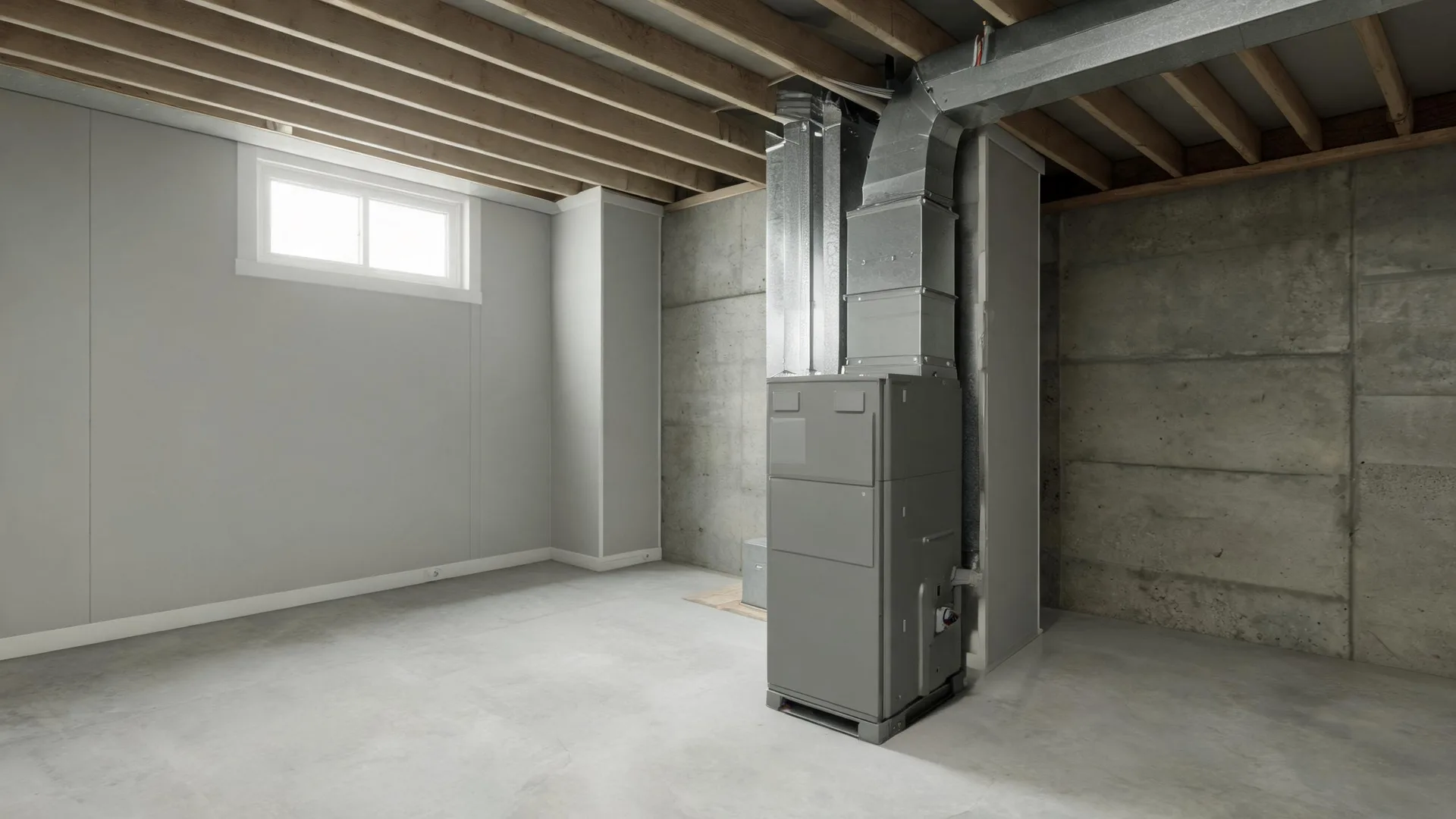
This furnace will run on the coldest nights for as many winters as the house lets it. Half the homes in Garfield County were built in 1970 or earlier, and a furnace going into a house that age has to work with ductwork and venting that were sized for a different unit. The new furnace should get matched to the house, not just dropped in where the old one sat. Ask the installer to run a load calculation before settling on a model. That number tells you what size furnace the house actually needs, which isn't always what's already there.
A bigger furnace costs more to buy and more to run, and bigger isn't automatically better. A unit sized above what the house needs will short cycle, turning on and off before it heats evenly, which wears the ignition system faster. The load calculation sets the size. Everything priced after that follows from it.
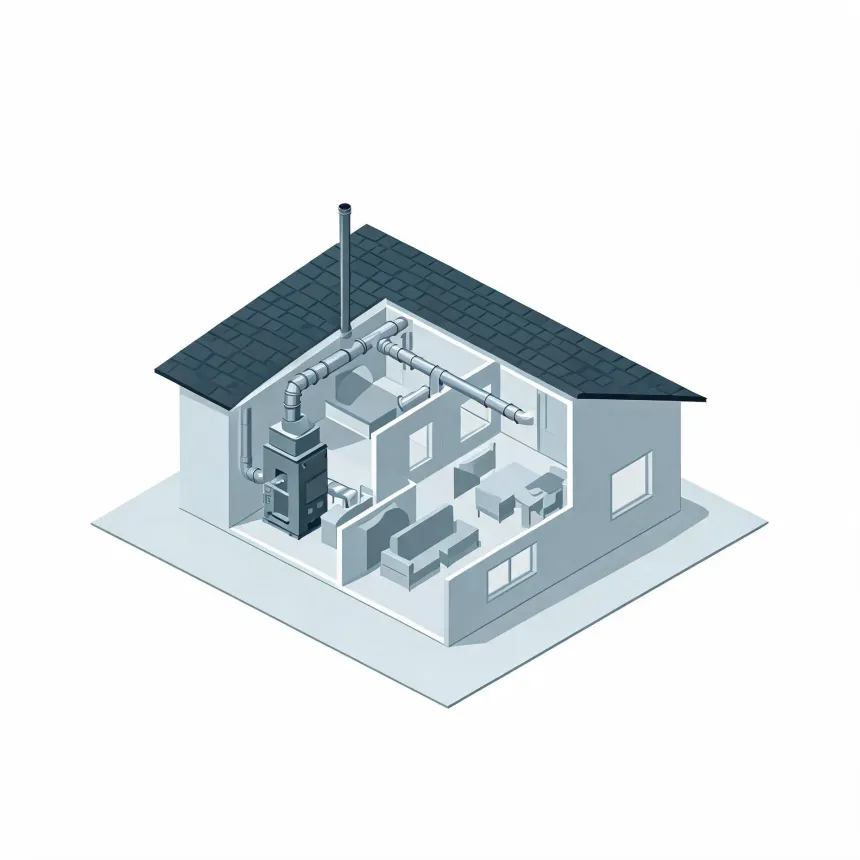
A furnace needs a vent pipe rated for its exhaust and ductwork sized to move the air it produces. If the existing vent or trunk line doesn't match the new furnace, that has to be corrected as part of the job, not left as is. Matching those pieces to the new unit is often a bigger factor in the final price than the furnace itself.
Estimates for a typical Garfield County home, from EIA household energy data, Oklahoma fuel prices and NOAA climate normals. Your home will differ.
The old furnace comes out first, along with the vent pipe and gas line connections running to it. An installer checks the gas line, the electrical disconnect and the condensate drain if the furnace needs one, since a new unit does not always hook up to those the same way the old one did. Setting the new furnace in place and running the vent and ductwork takes longer than pulling the old one out. Once it is connected, the installer fires it up and checks the flame, the airflow coming out of the registers and the rise in temperature across the furnace itself. That reading tells them the furnace is burning correctly and the ductwork is moving the air it needs. Before they leave, the system should run through a full heating cycle while they watch it, not just switch on and shut off right away.