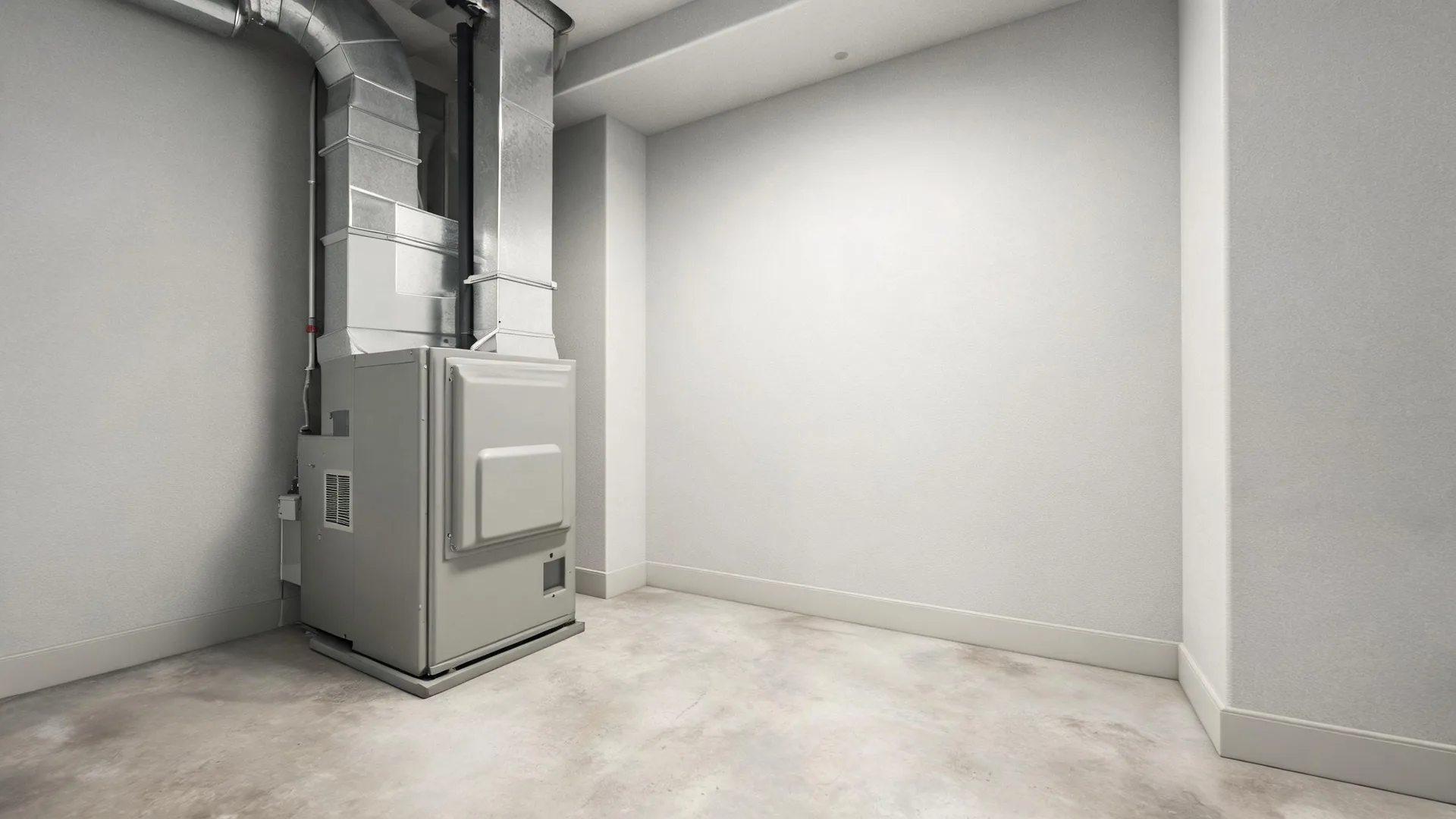
An unfinished basement featuring concrete block walls, exposed floor joists, and a metal forced-air furnace with ductwork near a central pillar.

Furnace Installation in Altus, OK

Tell us about the job

Takes about a minute. No obligation.

New system or replacementFurnace or heatingJackson County, OK
Step 1 of 2

What ZIP code is the job in?

Bigger isn't better

A furnace sized too large for the house heats the air fast, shuts off, and starts again a few minutes later. That short cycling wears the igniter and the blower motor harder than steady runtime would, and it leaves rooms far from the thermostat colder than the rest of the house. The right furnace runs longer stretches at a steadier pace, which is what actually keeps a house even.

The math behind the model number

A contractor works out the right size with a heat loss calculation, room by room, using the square footage, the window area, the insulation, and the local design temperature. It's not a guess based on the old unit's size, since that one may have been wrong from the start. The output tells the installer what the furnace has to produce on the coldest expected day, and that figure is what the new system gets matched to.

6 months
November through April, your furnace is on duty
30°F
the average winter night it heats against
63%
of homes here heat with gas, so most furnaces here burn gas
80% AFUE
the federal minimum any new unit must meet
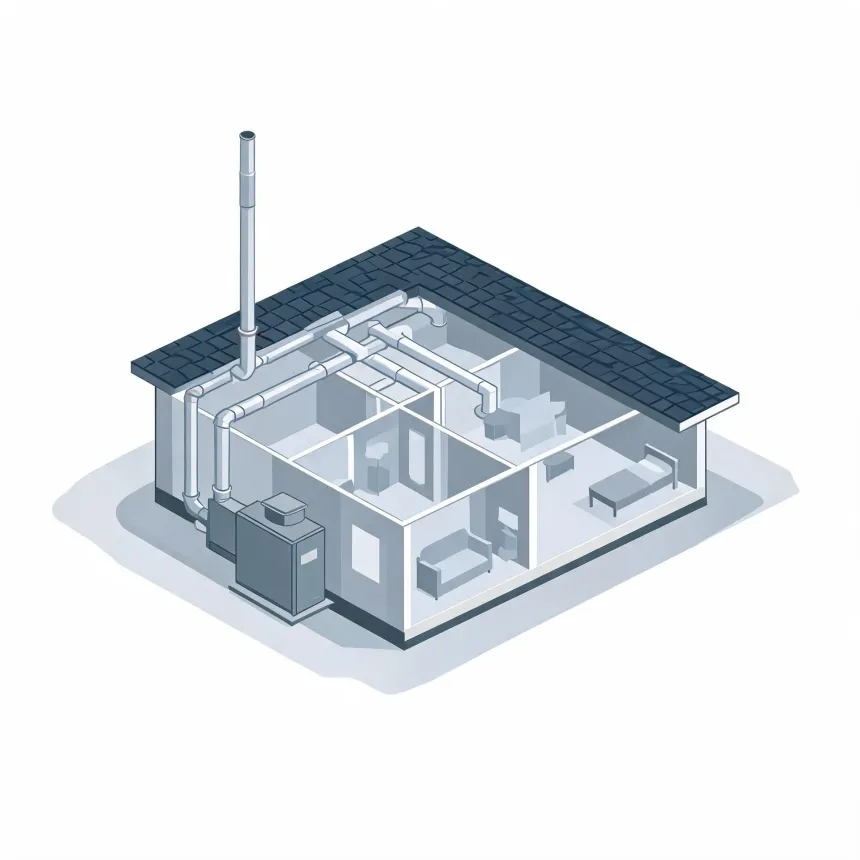
Isometric cutaway illustration of a single-story house with a dark shingled roof, showing interior rooms with furniture, a ducted air distribution system, a tall vertical flue pipe, and a gray furnace unit outside the wall.
Your furnace works hardest from November through March.

NOAA nClimDiv, 1991–2020 normals

The furnace itself is only part of the bill, the ductwork and venting are the other part.

If the old ducts are undersized or leaky, fixing them to match the new furnace adds to the job.

Gas runs $13.54 per million Btu here, so fit matters more than the efficiency rating

Heat runs November through April
Winter nights average 30°F
Climate zone 3A
Most of Altus heats with gas62.9% of homes here run on utility gas, electricity covers another 30%

Half the homes in Jackson County were built in 1973 or earlier. A furnace going into a house that age is working with whatever ductwork and gas line were put in decades back, not a blank slate. If your system came with the house, the ducts were sized for a different furnace than the one going in now, and that affects how well the new unit heats every room evenly. None of this means an old house needs special equipment. It means the installer has to look at what's actually there, not just the square footage, before settling on a furnace that fits it.

Put the new furnace in before November

Heat runs here from November through April. October is the last month before that starts, and it's the month to get the new furnace in. Do it now and the installer has room to size it right and sort out the ducts without you going without heat while it happens.

Find a contractor
A gray residential gas furnace installed in an unfinished basement, connected to sheet-metal ductwork and PVC pipes.

Six months on, six months off

Furnace here runs November through April, about six months. The other six, it sits idle. Overnight lows average 30°F in December, January and February, which is cold but not extreme, so the furnace isn't working against brutal temperatures most of that stretch either. A system with a light workload like this can last years on basic upkeep. It doesn't need the highest efficiency rating on the shelf. It needs the right size for the house and ducts that move the air where it's supposed to go.

The old furnace comes out

An installer disconnects the gas line, the vent connector, and the duct plenum, then takes the old furnace out whole or in pieces depending on where it sits. If it's a closet or attic install, tight clearances sometimes mean cutting it down to get it out the door it came in through. The gas line and electrical are capped or rerouted to match the new unit before anything else goes in.

What happens to it after

A furnace is mostly steel and copper, and scrap haulers take it for the metal. The heat exchanger, the gas valve, the blower motor all get stripped out and recycled rather than landfilled whole. Some installers fold removal into the job and haul it off themselves, others leave that part to the homeowner, so it's worth asking which one you're getting before the work starts.

An unfinished basement interior showing a gray furnace unit beneath a bare incandescent bulb, surrounded by exposed joists, concrete walls, cardboard boxes, and utility pipes.

A high-efficiency gas furnace would save about $80 a year to run in Jackson County compared with a gas furnace.

  • A high-efficiency gas furnace$430 a year
  • A gas furnace$510 a year

Estimates for a typical Jackson County home, from EIA household energy data, Oklahoma fuel prices and NOAA climate normals. Your home will differ.

The installer shuts off gas and power to the old furnace before touching anything. Once it's out, the gas line, the vent, the duct plenum, and the electrical whip all get checked against what the new furnace actually needs. They don't just get reconnected out of habit. The new unit gets set in place, leveled, and hooked up to the gas, the venting, and the ducts. Gas pressure gets checked and set to the furnace's specs. A combustion analyzer reads the flue gases to confirm it's burning clean, not just lit. The blower gets run on every speed it's wired for, and the thermostat gets checked against the new furnace rather than assumed to work with it. The furnace should run through at least one full heating cycle with the installer there watching before the job is called finished.